Bucket List Travel: UNESCO World Heritage Sites

Travel With Kinsley contains affiliate links and is a member of the Amazon Services LLC Associates Program, which means I may receive a cute little commission if you purchase through my links, at no extra cost to you. Please read full disclosure for more information.
Check off your bucket list with some of these breathtaking UNESCO World Heritage Sites!
There’s something undeniably thrilling about stepping into a place that holds the weight of centuries—or even millennia—of history, art, and cultural significance.
UNESCO World Heritage Sites aren’t just “nice to see”; they’re humanity’s collective scrapbook, full of natural wonders, architectural marvels, and stories that have shaped civilizations. From ancient ruins to futuristic architecture, these sites offer more than just pretty pictures—they offer perspective.
In this post, I’m sharing the most awe-inspiring UNESCO World Heritage Sites I’ve had the joy (and lucky passport stamps) to visit. If you’re looking to add something epic to your itinerary, these destinations are guaranteed to spark your wanderlust.
Here’s a list of some of the my bucket list travel to UNESCO World Heritage Sites I’ve traveled to. I’ve already covered some awesome sites specifically in Europe, but this one is around the globe!
UNESCO World Heritage Sites in the USA
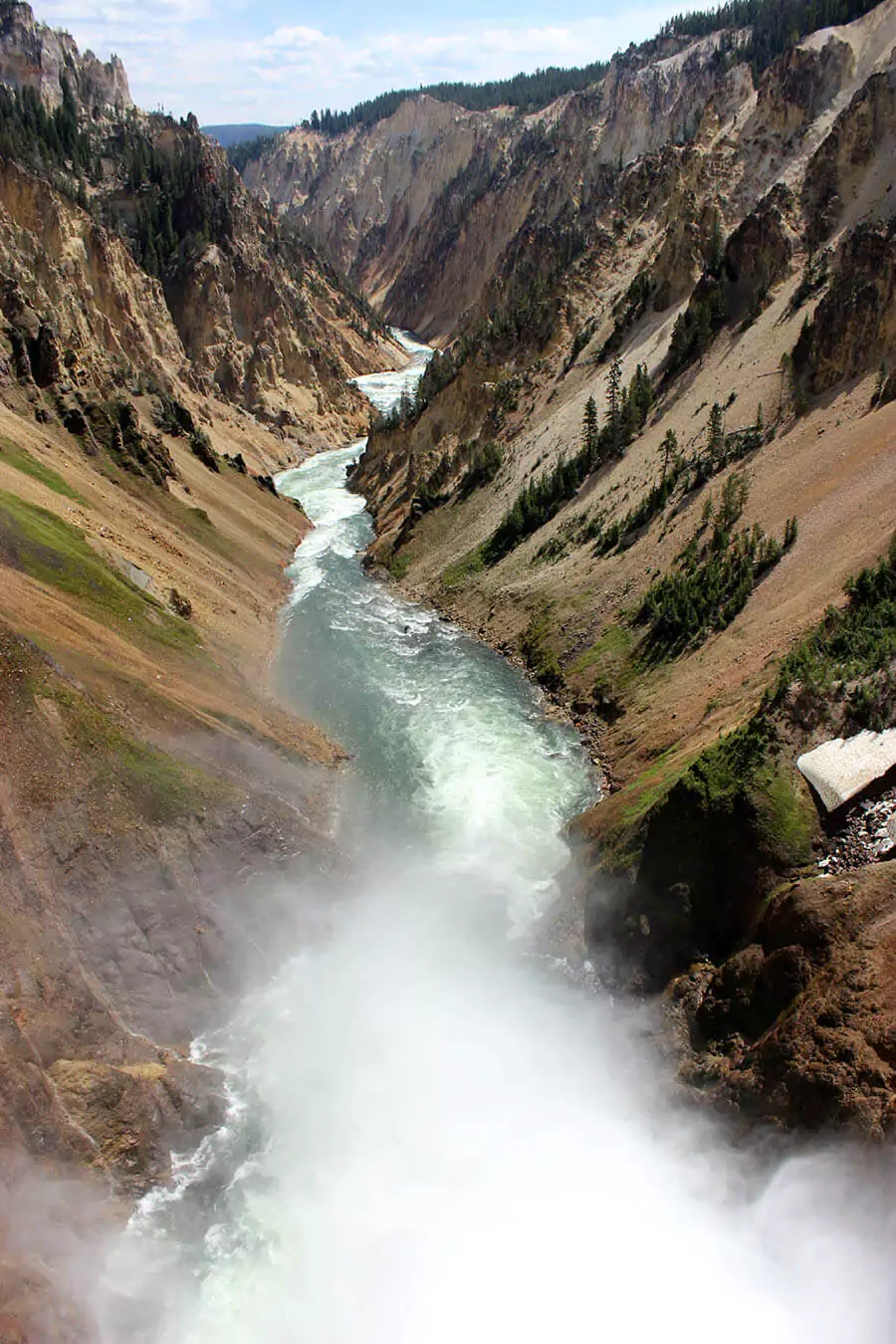
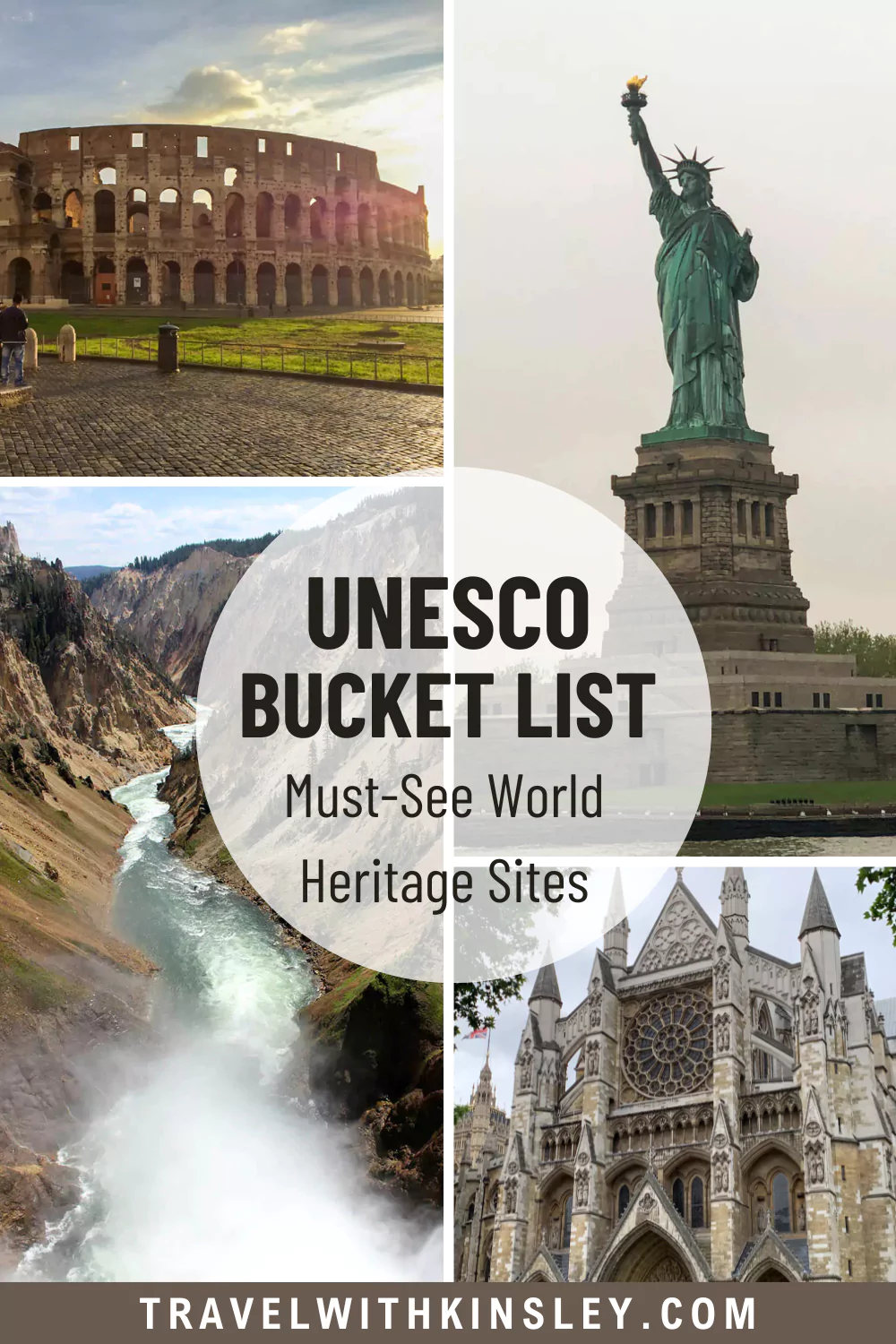
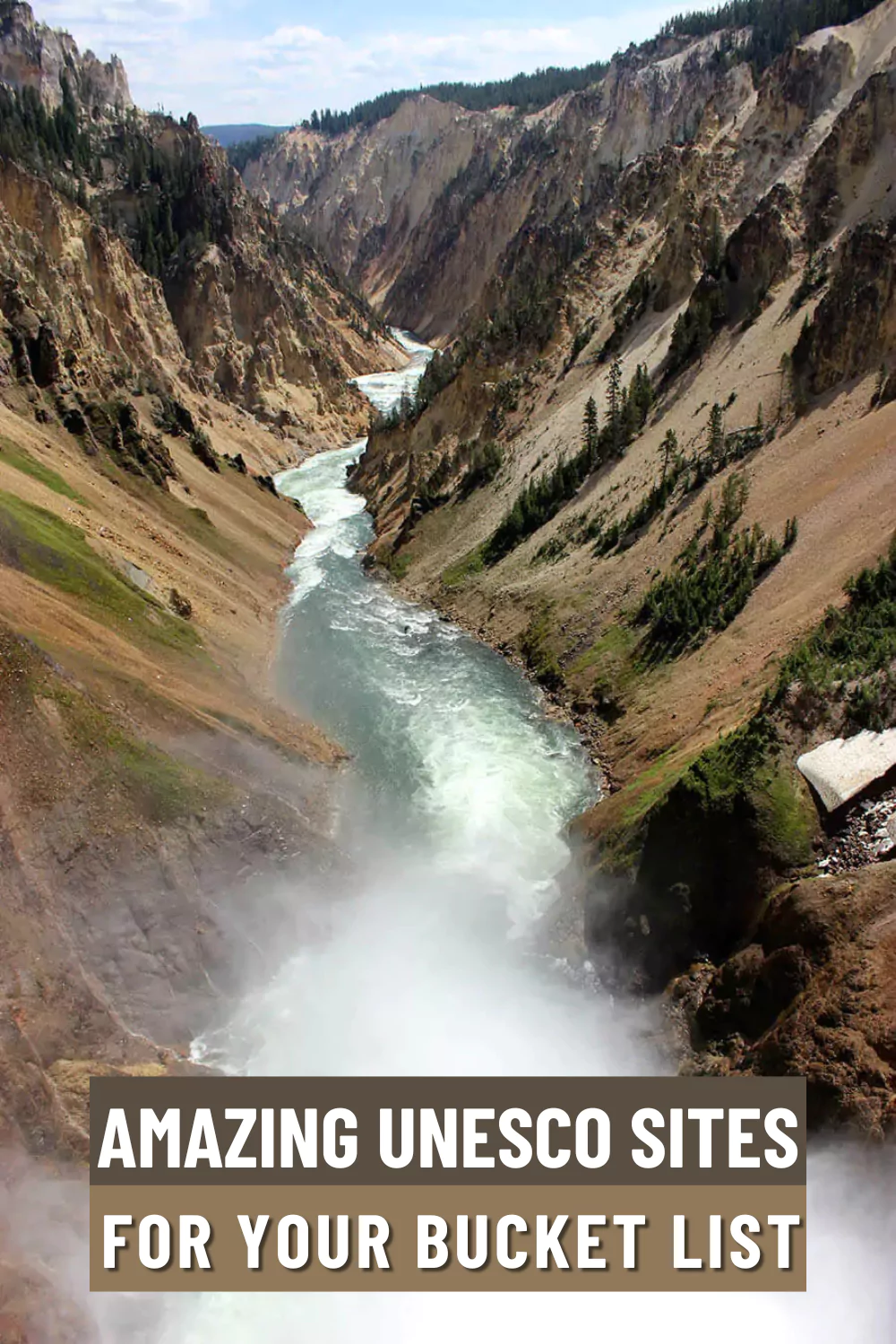
UNESCO World Heritage Sites – Yellowstone National Park
Yellowstone National Park has been inscribed as a UNESCO World Heritage Site in 1978 in recognition of its outstanding natural and geological features, making it one of the most iconic and cherished protected areas in the world.
Yellowstone National Park is a vast and diverse landscape located primarily in the state of Wyoming, but also extending into Montana and Idaho. It is the first national park in the United States and remains one of the oldest and most well-preserved national parks globally.
The park is renowned for its stunning geothermal features, including the world-famous Old Faithful geyser, which erupts with predictable regularity. Other geysers, hot springs, mud pots, and fumaroles are scattered throughout the park, creating a surreal and otherworldly landscape.
Yellowstone National Park is open year-round, but some roads and facilities have seasonal closures. The park entrances generally open in late April or early May and start to close in early November for vehicle traffic.
The entrance fee for a private, non-commercial vehicle is $35, which covers all passengers and is valid for seven days. If you’re planning a visit, it’s a good idea to check the current conditions and specific opening times on Yellowstone’s official website for the most accurate information.
👉 Be sure to check out more of our U.S. National Parks guides.

Statue of Liberty and Ellis Island
Did you know the Statue of Liberty and Ellis Island were recognized as a UNESCO World Heritage Site in 1984? ✨ It’s not just a stunning landmark with epic skyline views—it’s also a globally recognized symbol of freedom, hope, and fresh starts.
Ellis Island was once the first stop for millions of immigrants chasing the American dream. Paired with Lady Liberty’s welcoming torch, these two sites tell a powerful story of opportunity and new beginnings. It’s where history meets heart.
Visiting this iconic duo isn’t just checking something off your NYC bucket list—it’s standing face-to-face with the values that helped shape the country: inclusivity, perseverance, and a belief in something better.
Location: Liberty Island, New York Harbor
Hours: Typically 8:30 AM to 4:00 PM, year-round (check before visiting for any changes)
Cost: Grounds Ticket $28 for adults (includes ferry to both Liberty Island and Ellis Island)
Additional Costs: Access to the pedestal or crown requires an advanced reservation and an extra fee
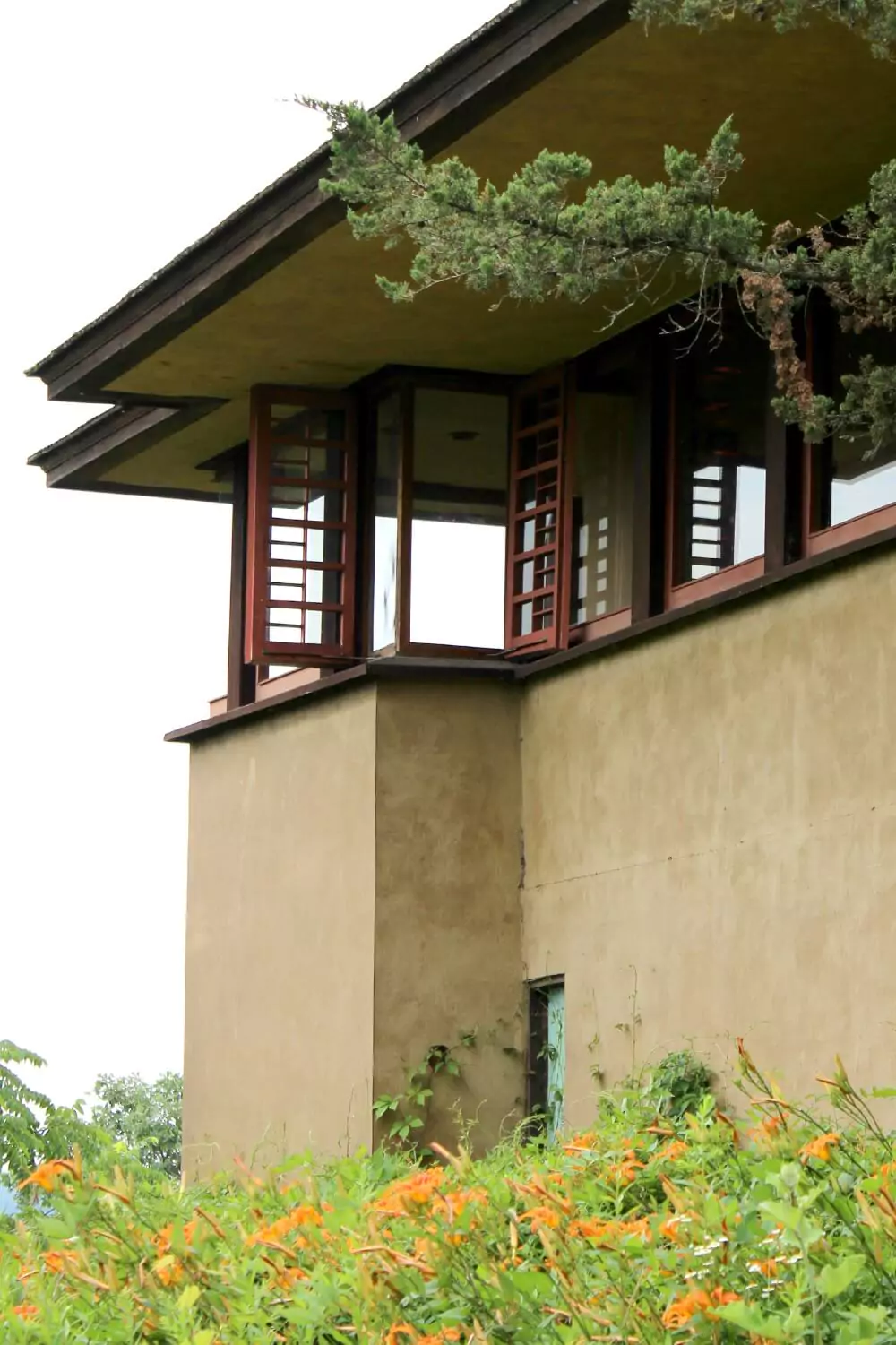
20th-Century Architecture of Frank Lloyd Wright
In 2019, eight of Frank Lloyd Wright’s most iconic buildings were officially recognized as a UNESCO World Heritage Site—a major nod to one of America’s greatest architectural minds.
Wright wasn’t just designing buildings—he was reimagining how we live. His signature style? Organic architecture that blends beautifully with its environment. Whether it’s the serene, waterfall-hugging Fallingwater or the bold spiral of the Guggenheim Museum in NYC, his work turns structure into art.
This UNESCO recognition isn’t just about cool buildings (though, let’s be honest—they’re seriously cool). It’s about preserving the legacy of a visionary whose ideas still shape architecture around the world. If you’re planning a trip near one of these landmarks, trust me—it’s worth the detour.
Address: Frank Lloyd Wright Visitor Center, 5607 County Rd C, Spring Green, WI 53588
Hours:
- Monday – Thursday: 9:00 AM – 5:00 PM
- Friday – Sunday: 9:00 AM – 5:30 PM
- Note: The hours extend slightly during the peak season from May through October and are reduced in the shoulder months of April and November.
Estate Tour: This comprehensive tour lasts about 4 hours and costs $98 for adults. It gives you an in-depth look at the estate, including Hillside Studio, Tan-y-Deri, and more.
Highlights Tour: If you’re pressed for time, this 2-hour tour for $58 might be ideal. It covers key aspects of both Taliesin and Hillside.
In-Depth House Tour: Priced at $58, this tour also lasts 2 hours and focuses more on Wright’s home itself.
UNESCO World Heritage Sites in Austria
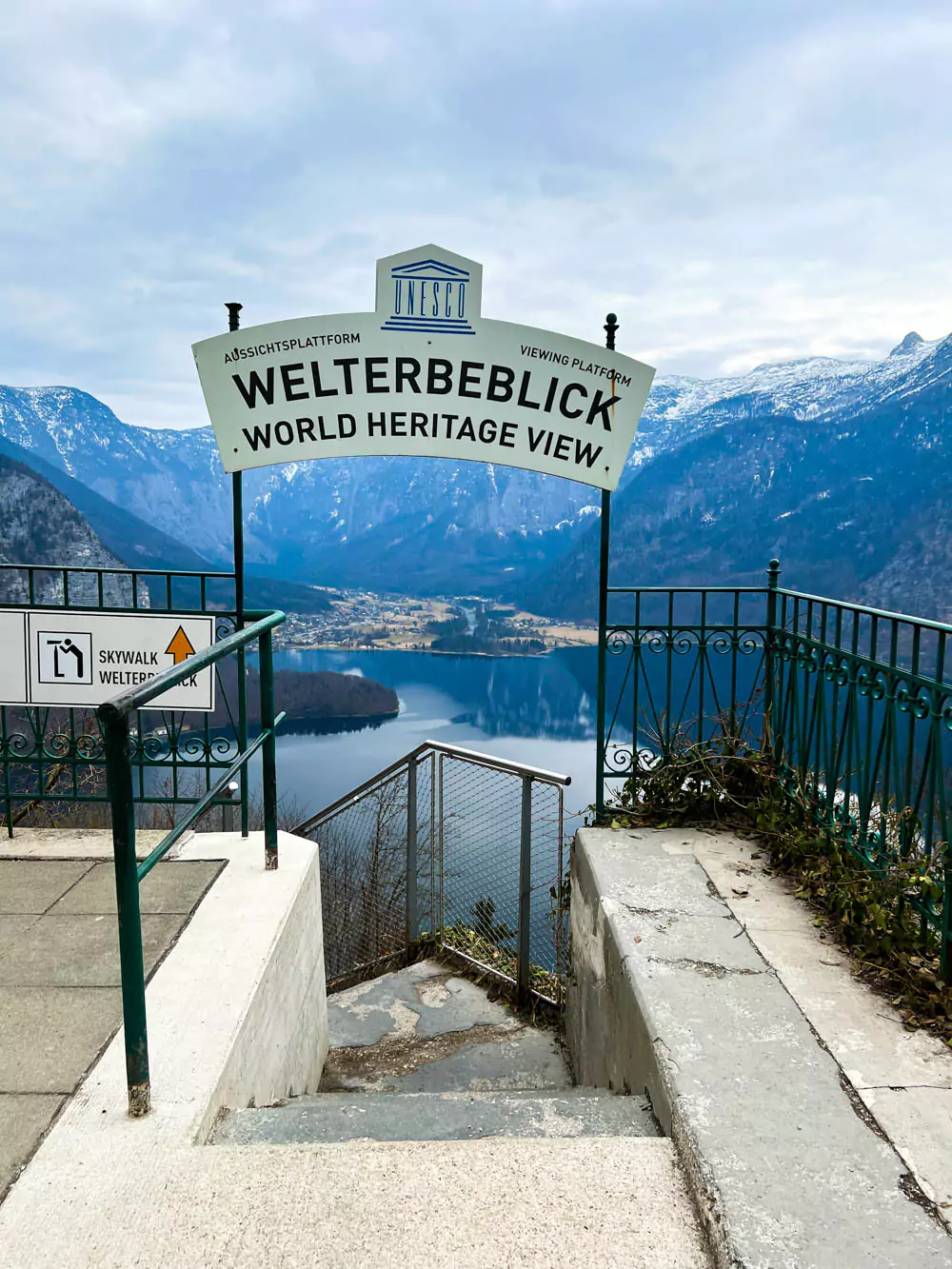
Salzkammergut Cultural Landscape
Tucked into the heart of Austria, the Salzkammergut Cultural Landscape feels like something straight out of a fairytale. This UNESCO World Heritage Site is all shimmering lakes, snow-dusted peaks, and postcard-perfect villages—and it’s been charming travelers for centuries. But beyond the beauty, Salzkammergut tells a bigger story: how nature and culture have coexisted in perfect harmony for generations.
You can take in those jaw-dropping views during a scenic day trip to Hallstatt. One of the absolute highlights? The Hallstatt Skywalk. Perched 458 meters (about 1,500 feet!) above the storybook village, this panoramic platform delivers views that will quite literally stop you in your tracks. Whether you hike up or hop on the funicular, getting there is half the fun.
And if you’re curious about the region’s ancient salt mining roots, don’t miss a tour of the Salzwelten. You can book it on its own or as part of a combo ticket with the funicular. Either way, it’s a fascinating dive—sometimes literally—into Hallstatt’s underground history.

Historic City Centre of Vienna
The Historic City Centre of Vienna is a UNESCO World Heritage Site, inscribed in 2001. This magnificent city center is a testament to the rich cultural, architectural, and historical heritage of Austria’s capital. Vienna’s historic core has played a central role in shaping European history and culture for centuries.
At the heart of the site lies the splendid Hofburg Palace, once the residence of the Habsburg dynasty and now the official residence of the President of Austria. The palace complex includes various architectural styles and houses several museums and iconic landmarks such as the Spanish Riding School and the Imperial Apartments.
The Ringstrasse, a grand boulevard encircling the city center, showcases a remarkable collection of impressive buildings, including the Vienna State Opera, the Parliament, the Rathaus (City Hall), and numerous museums and palaces. This ring road, completed in the late 19th century, represents an architectural and urban planning feat.
St. Stephen’s Cathedral (Stephansdom), a stunning Gothic masterpiece, is another highlight of Vienna’s historic city center. Its towering spire dominates the skyline and has been an important symbol of the city for centuries.
Vienna’s coffeehouse culture, with its elegant cafes dating back to the 17th century, has also been recognized as an essential part of its intangible cultural heritage.
The Historic City Centre of Vienna is a living testimony to the city’s illustrious past, a place where history, art, and music converge. Its architectural splendor, along with its vibrant cultural scene, continues to captivate visitors from all over the world. As a UNESCO World Heritage Site, the preservation and conservation of this exceptional city center are ensured, allowing future generations to appreciate and celebrate its enduring beauty and significance.
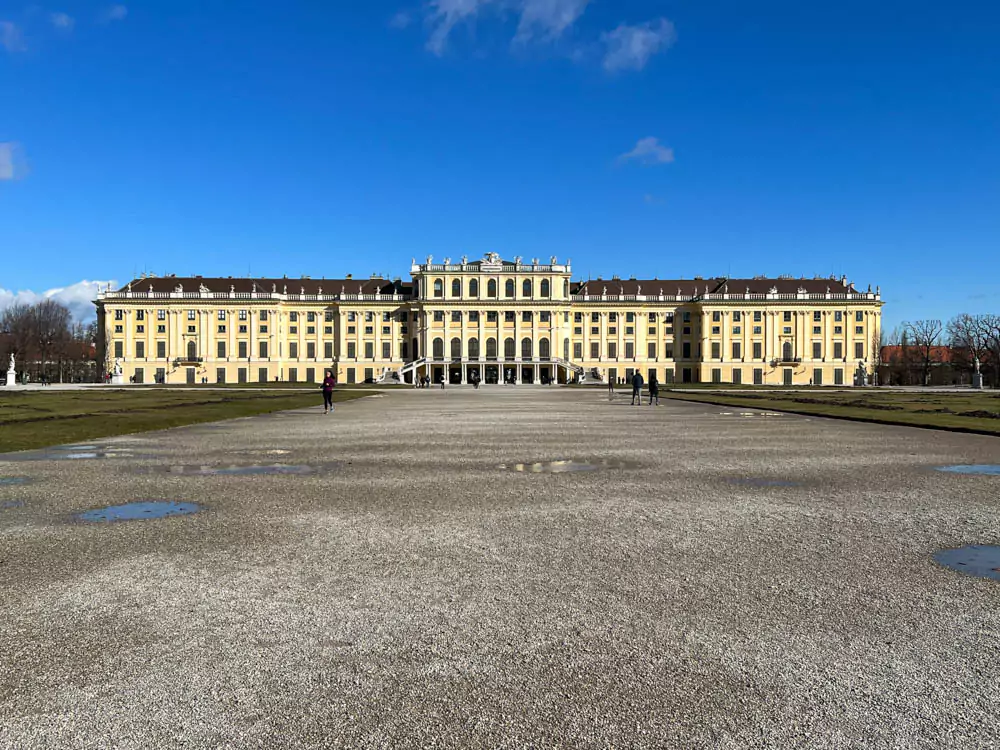
Schönbrunn Palace
Schönbrunn Palace and Gardens, located in Vienna, Austria, is a UNESCO World Heritage Site, inscribed in 1996. This magnificent palace complex is an architectural masterpiece that reflects the grandeur and opulence of the Habsburg monarchy.
The centerpiece of Schönbrunn Palace is the stunning Baroque palace itself, which served as the summer residence of the Habsburg emperors. The palace boasts an impressive array of lavishly decorated rooms, each representing different historical periods and styles. One of the highlights is the Great Gallery, a majestic hall used for imperial banquets and celebrations.
Surrounding the palace is the sprawling Schönbrunn Gardens, an enchanting landscape of manicured lawns, beautifully landscaped flowerbeds, and grand fountains. The gardens offer visitors a tranquil escape from the bustling city and provide the perfect backdrop for leisurely strolls and picnics.
Beyond the gardens, visitors can explore the Gloriette, an impressive hilltop structure offering panoramic views of the palace and the city of Vienna. Additionally, the Tiergarten Schönbrunn, the world’s oldest zoo, adds to the allure of the palace complex.
Schönbrunn Palace and Gardens not only exemplify the architectural prowess of the Habsburg era but also serve as a testament to the art and cultural history of Austria. As a UNESCO World Heritage Site, this magnificent ensemble is preserved and cherished, allowing visitors to step back in time and experience the imperial splendor that once graced the Austrian monarchy.

Historic City Centre of Salzburg
The Historic City Centre of Salzburg is a UNESCO World Heritage Site, inscribed in 1996. Nestled in the picturesque landscape of Austria, Salzburg’s historic center is a true gem, boasting a rich architectural and cultural heritage that spans over centuries.
The focal point of the city is the iconic Hohensalzburg Fortress, a medieval stronghold perched atop Festungsberg hill, providing stunning views of the city below. The historic center is adorned with charming baroque buildings, elegant squares, and cobblestone streets that exude a captivating Old World charm.
One of the most significant landmarks is the Salzburg Cathedral (Salzburger Dom), a magnificent example of baroque architecture, adorned with intricate frescoes and statues. The nearby Residenzplatz, with its splendid fountain and grand buildings, offers a glimpse into Salzburg’s regal past.
Another must-visit site is the Mirabell Palace and Gardens, an enchanting ensemble of gardens, fountains, and statues that provide a stunning backdrop to the city’s historic center. It is also famous for being featured in the classic movie “The Sound of Music.”
Salzburg’s rich musical heritage is showcased in various locations throughout the historic center. The birthplace of the renowned composer Wolfgang Amadeus Mozart is a museum dedicated to his life and work, attracting music enthusiasts from around the world.
The Historic City Centre of Salzburg embodies a harmonious blend of art, architecture, and history, and its inscription as a UNESCO World Heritage Site serves as a testament to its exceptional cultural value.
The site’s preservation ensures that this cultural treasure remains a source of inspiration and wonder for generations to come.
UNESCO World Heritage Sites in Italy

Historic Centre of Rome
The Historic Centre of Rome is a UNESCO World Heritage Site, inscribed in 1980. This remarkable designation encompasses the heart of the ancient city of Rome, a living testament to the city’s extraordinary history and cultural significance. The historic center is a treasure trove of architectural marvels, encompassing iconic landmarks from different periods, including the Roman Empire, the Renaissance, and the Baroque era.
At the core of the site lies the Roman Forum, a sprawling complex of ruins that once served as the center of political, social, and commercial life in ancient Rome. Nearby, the Colosseum, an awe-inspiring amphitheater, stands as an enduring symbol of Roman engineering and entertainment.
The Historic Centre of Rome also includes the Palatine Hill, the legendary founding place of the city and the site of ancient palaces and gardens. Other must-visit landmarks include the Pantheon, an ancient Roman temple converted into a church, and the awe-inspiring Trevi Fountain, a masterpiece of Baroque architecture.
The Piazza Navona, with its beautiful fountains and elegant buildings, and the Spanish Steps, an iconic staircase leading to the Trinità dei Monti church, add to the charm and allure of the historic center. Additionally, the Basilica of Santa Maria Maggiore, with its exquisite mosaics, and the Basilica of San Giovanni in Laterano, the oldest and highest-ranking of the four major basilicas in Rome, contribute to the religious and historical significance of the area.
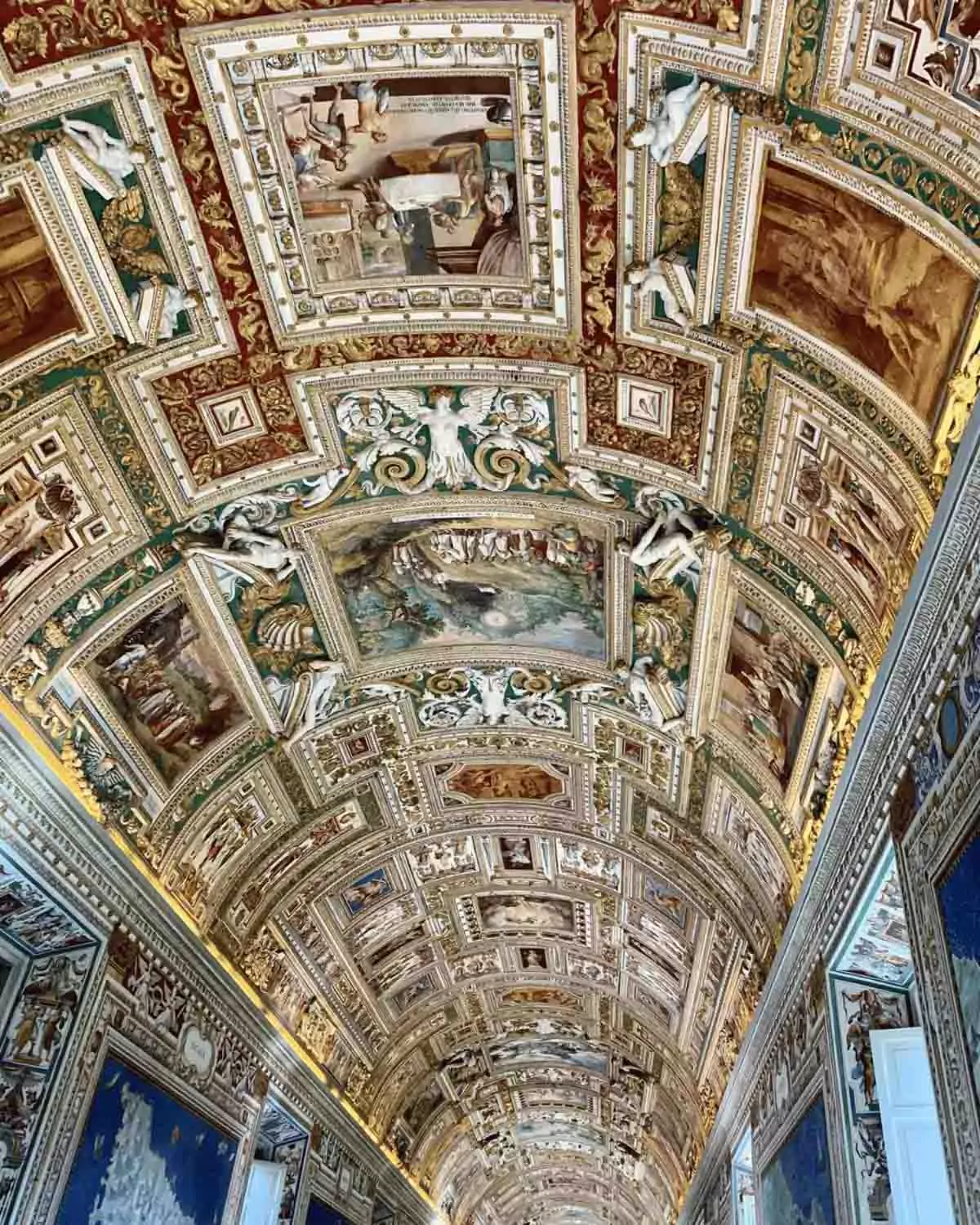
Vatican City
Vatican City is a UNESCO World Heritage Site, inscribed in 1984. As the world’s smallest independent city-state, it is an exceptional cultural and historical site that holds immense religious significance for millions of people worldwide. Vatican City serves as the spiritual and administrative center of the Roman Catholic Church and is the residence of the Pope, the leader of the Catholic Church.
The centerpiece of Vatican City is St. Peter’s Basilica, an architectural masterpiece and one of the most important Christian pilgrimage sites. The basilica’s grandeur, designed by renowned architects including Michelangelo and Bernini, is a shining example of Renaissance and Baroque art and architecture.
Another prominent site within Vatican City is St. Peter’s Square, designed by Gian Lorenzo Bernini. This iconic piazza, flanked by two semi-circular colonnades, welcomes visitors and pilgrims from around the world to the basilica.
The Vatican Museums house one of the most extensive and valuable art collections in the world, with works ranging from classical antiquity to Renaissance and Baroque masterpieces. The Sistine Chapel, within the Vatican Museums, is renowned for its stunning frescoes, most notably Michelangelo’s breathtaking ceiling painting depicting scenes from the Book of Genesis.
St. Peter’s Basilica
- Location: Piazza San Pietro, Vatican City
- Hours: April to September, 7 AM to 7 PM; October to March, 7 AM to 6:30 PM. Note that on Wednesdays, the basilica opens at 12:30 PM when the Pope holds a morning audience.
- Cost: Entry to the basilica is free. However, to avoid long lines, you can book a guided tour which often comes with a fee.
Vatican Museums and the Sistine Chapel
- Location: Viale Vaticano, Vatican City
- Hours:
- Monday to Saturday: 9 AM to 6 PM (last entry at 4 PM)
- Extended hours: Certain days have extended hours until 10:30 PM (check the official Vatican Museums website for specific dates)
- Free entry on the last Sunday of each month from 9 AM to 2 PM (last entry at 12:30 PM)
- Cost: General admission is €20.00, with a reduced rate of €8.00 for children and students. “Skip the Line” tickets are available online for an additional €5.00.
Vatican Gardens
- Location: Inside Vatican City, access through the Vatican Museums
- Hours: Tours are typically available in the mornings and must be pre-booked.
- Cost: Guided tours of the Vatican Gardens are included in the cost of a full ticket to the Vatican Museums, which is €20.00.
Tips for Visiting
- Book in Advance: Especially for the Vatican Museums and the Sistine Chapel, booking tickets online in advance is highly recommended to avoid long waiting times.
- Dress Code: Remember, the Vatican enforces a strict dress code for entrance into St. Peter’s Basilica and the Vatican Museums. Shoulders and knees must be covered, and sandals, shorts, and sleeveless tops are typically not acceptable.
- Best Time to Visit: Early morning or during extended hours if you wish to avoid crowds. Also, visiting the Vatican Museums on the last Sunday of the month offers free entry, but be prepared for larger crowds.

The Historic Centre of Naples
The Historic Centre of Naples, Italy, is a UNESCO World Heritage Site, inscribed in 1995. This exceptional site represents one of the most ancient and historically significant cities in Europe, boasting a rich tapestry of cultural and architectural heritage.
The Historic Centre of Naples is a living testament to the city’s eventful past, dating back to its foundation by the ancient Greeks as Neapolis. Over the centuries, Naples has been shaped by various civilizations, including the Romans, Byzantines, Normans, and Spanish, resulting in a unique blend of historical layers and architectural styles.

Pompeii
Pompeii is a UNESCO World Heritage Site, inscribed in 1997 in recognition of its immense historical and cultural significance. This ancient Roman city, located near Naples, Italy, was tragically buried under the volcanic ash and debris of Mount Vesuvius’ eruption in 79 AD.
The volcanic preservation remarkably captured the daily life and architecture of a prosperous Roman city, providing unparalleled insights into the civilization of the time. As visitors walk through its remarkably preserved streets, houses, and public buildings, they gain a unique window into the lives of ancient Romans.
The UNESCO designation ensures the protection and conservation of Pompeii, preserving this invaluable archaeological treasure for future generations to explore and appreciate.
Opening Hours
- April to October: The site is open from 9:00 AM to 7:00 PM, with the last entry at 5:30 PM.
- November to March: The site is open from 9:00 AM to 5:00 PM, with the last entry at 3:30 PM.
- Closed Days: Pompeii is closed on December 25th, January 1st, and May 1st.
Cost
- General Admission: Tickets to explore Pompeii cost around €16 for adults.
- Reduced and Free Tickets: Reduced ticket prices are available for EU citizens aged 18-25 at €2, and admission is free for visitors under 18 from any country. Remember, these concessions are available directly at the ticket office where you may need to show proof of eligibility.
- Skip-the-Line Tickets: You can also purchase skip-the-line tickets, which include an audio guide, for about €28 to €32. This option is highly recommended to avoid long queues, especially during peak tourist seasons.
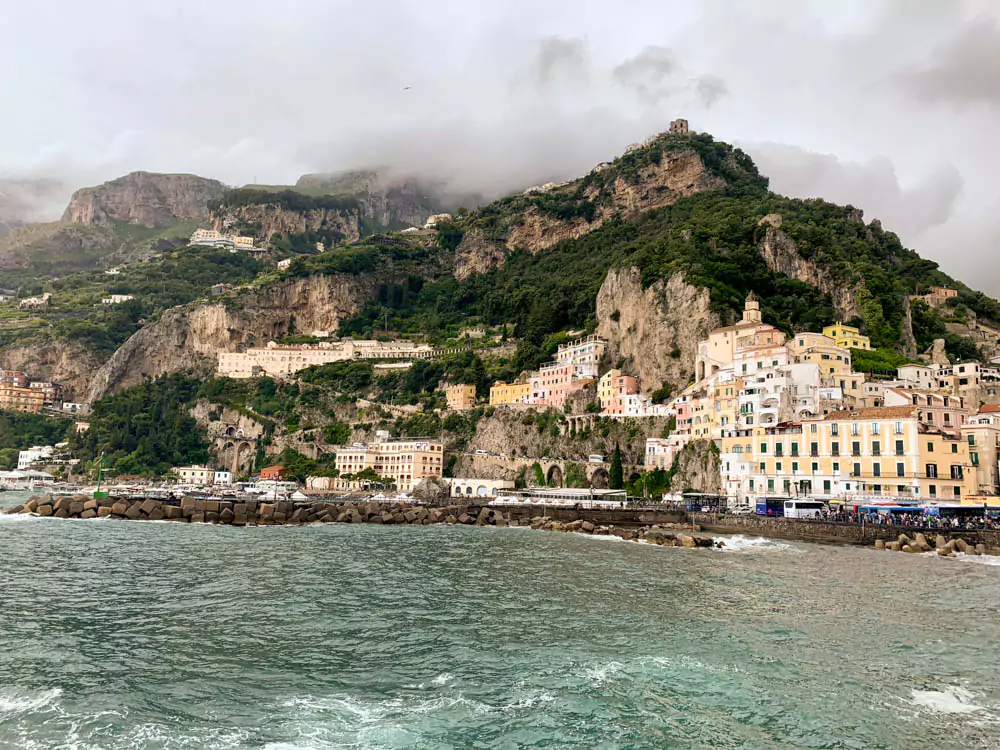
The Amalfi Coast
The Amalfi Coast is a picturesque treasure that captures the hearts of travelers from around the world. Renowned for its breathtaking panoramas, historic towns, and rich cultural heritage, this Mediterranean marvel has been recognized as a UNESCO World Heritage Site.
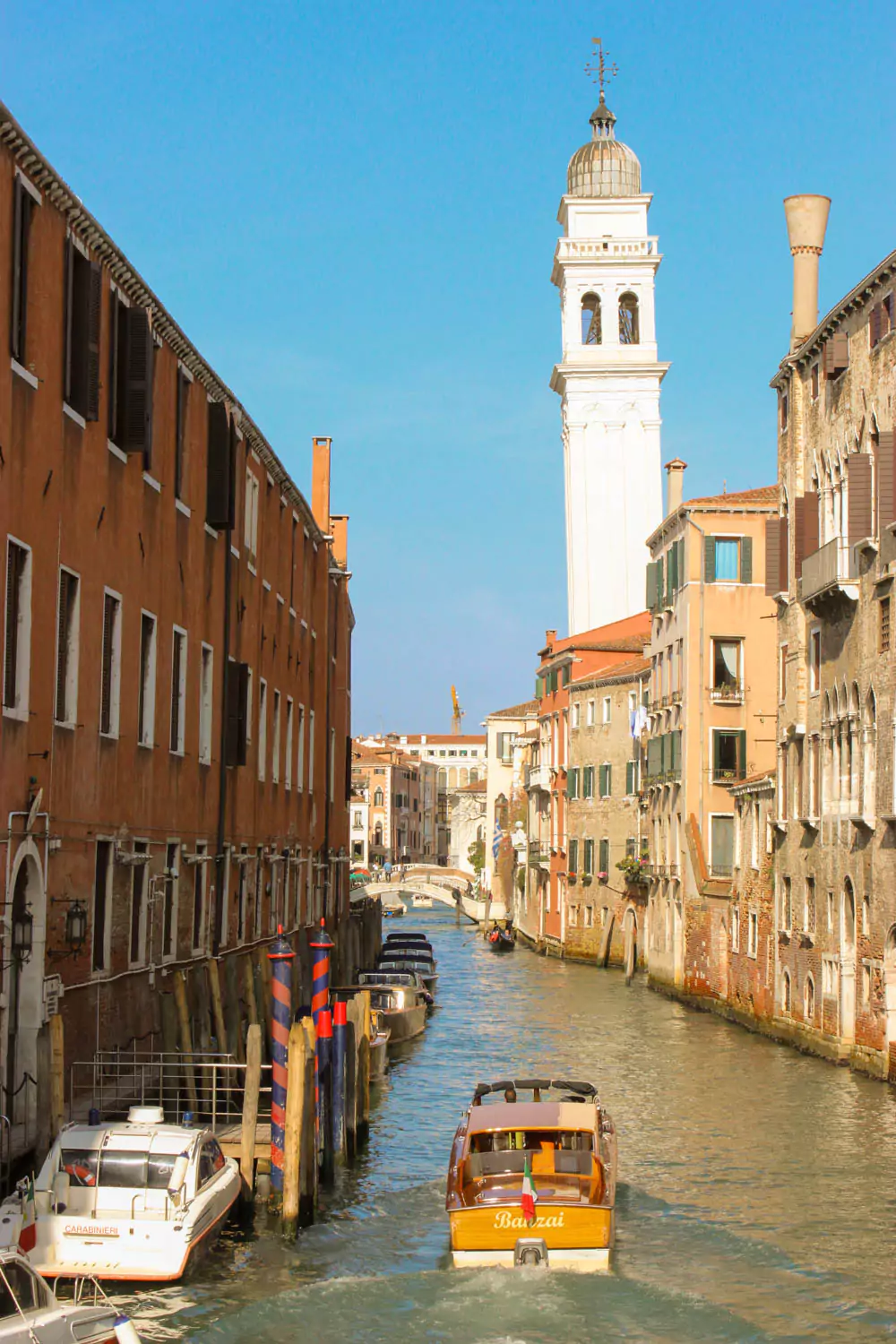
Venice and it’s Lagoon
Venice, the floating city of canals and romance, offers an unforgettable experience, especially when you’re armed with a map and no sense of direction. Attempting to navigate the labyrinthine streets is akin to participating in a real-life maze challenge. It’s like playing hide-and-seek with the historic landmarks. But fear not, the locals are always there to graciously point you in the right direction.
Venice and its Lagoon is a UNESCO World Heritage Site, inscribed in 1987. This unique cultural landscape is located in northeastern Italy and encompasses the city of Venice, a masterpiece of human creativity and engineering, along with the surrounding lagoon ecosystem. Venice is renowned for its exceptional architecture, art, and urban design, exemplified by its intricate network of canals, bridges, and historic buildings.
The city’s origins can be traced back to the 5th century when it was founded on a series of small islands in the marshy Venetian Lagoon. Over the centuries, Venice grew into a powerful maritime republic and a center of trade, culture, and art during the Renaissance.
Venice’s architectural wonders include stunning palaces, churches, and squares, such as St. Mark’s Basilica, the Doge’s Palace, and the Rialto Bridge. The city’s unique design, featuring canals instead of roads, adds to its charm and allure, offering visitors a truly unforgettable experience.
UNESCO World Heritage Sites in Hungary
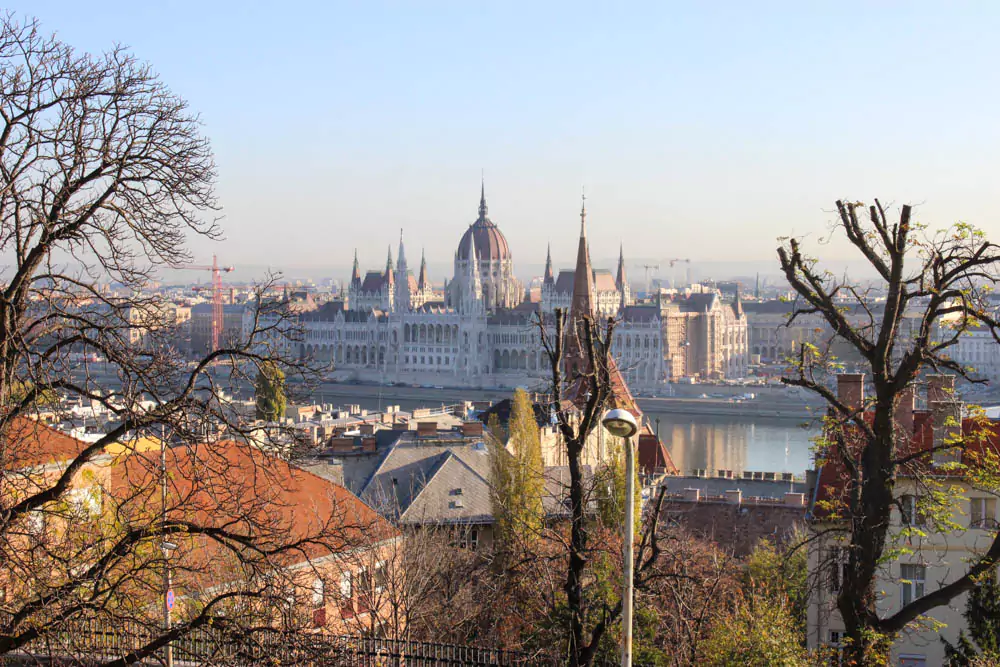
Budapest, Hungary
The banks of the Danube River are home to a stunning ensemble of iconic landmarks, each contributing to Budapest’s UNESCO status. The majestic Chain Bridge, the elegant Parliament Building, and the remarkable Gellért Baths are just a few examples of the city’s architectural brilliance that graces the riverbanks.
UNESCO World Heritage Sites in Poland
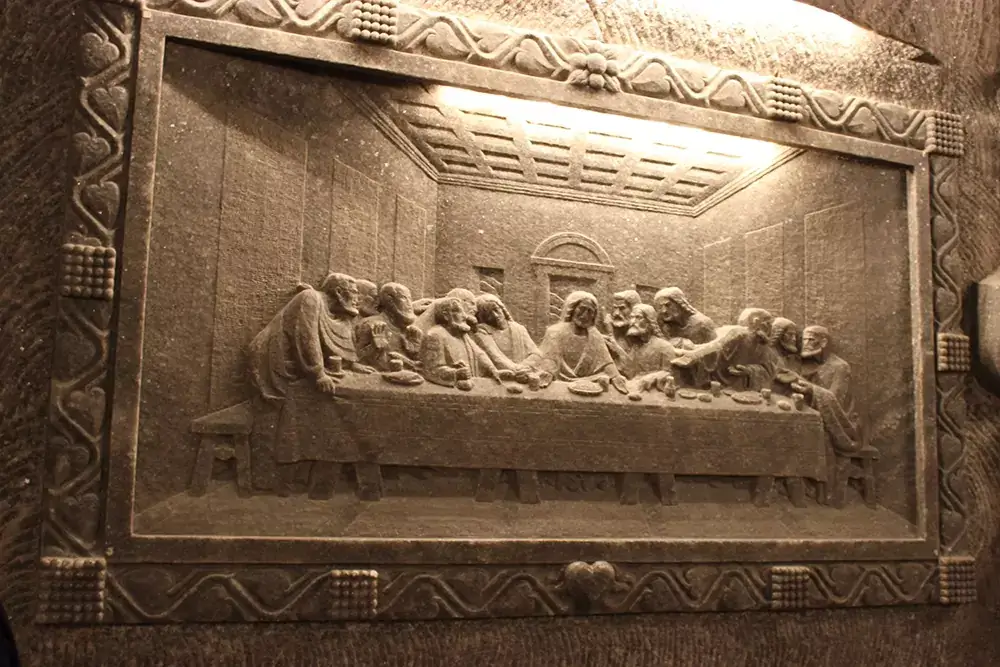
Wieliczka Salt Mine
The Wieliczka Salt Mine, located near Krakow, Poland, is a UNESCO World Heritage Site, inscribed in 1978 to safeguard its exceptional cultural and historical significance. This mine has been an active salt-producing site since the 13th century and continued to operate until 2007.
Descending deep underground, visitors are treated to a fascinating journey through an extensive network of tunnels, chambers, and salt sculptures, crafted by generations of miners over centuries. The mine’s awe-inspiring chapels, adorned with salt-carved sculptures and chandeliers, showcase the ingenuity and artistic talent of the miners.
As a UNESCO site, the Wieliczka Salt Mine is preserved as a testament to the important role of salt in economic and cultural development while providing an unforgettable experience for visitors seeking to uncover the rich history of this unique subterranean world.
Address: Daniłowicza 10, 32-020 Wieliczka, Poland
Opening Hours
- April 1st to October 31st: 9:00 AM to 7:00 PM (last entry at 5:30 PM)
- November 1st to March 31st: 9:00 AM to 5:00 PM (last entry at 3:30 PM)
- Closed Days: December 25, January 1, and May 1
Cost
- Regular Admission:
- Adults: 89 PLN (approximately €20)
- Students (with ID): 79 PLN (approximately €18)
- Children (4-16 years): 69 PLN (approximately €15)
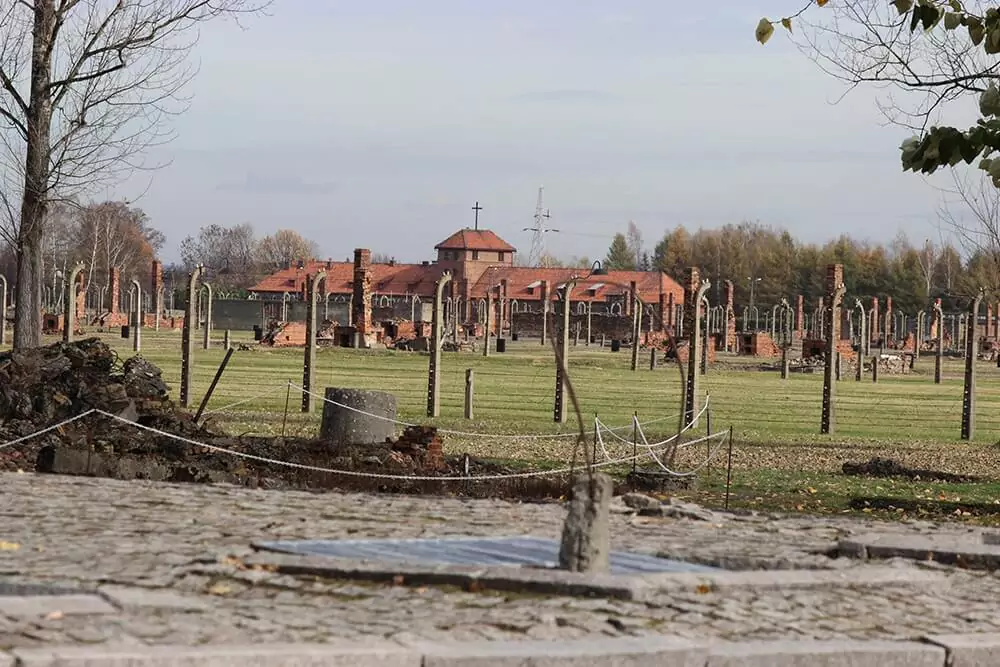
Auschwitz Birkenau, German Nazi Concentration and Extermination Camp (1940–1945)
Auschwitz Birkenau, the German Nazi Concentration and Extermination Camp that operated from 1940 to 1945, is a UNESCO World Heritage Site, inscribed in 1979. This site stands as a solemn reminder of one of the darkest chapters in human history – the Holocaust.
Located near the Polish town of Oświęcim, Auschwitz Birkenau witnessed the unimaginable suffering and atrocities endured by millions of innocent people, primarily Jews, during World War II. The site comprises two main areas: Auschwitz I, the original concentration camp, and Auschwitz II-Birkenau, designed as an extermination camp. As a UNESCO site, Auschwitz Birkenau serves as a symbol of remembrance and a call for humanity to never forget the horrors of the past, to ensure they are never repeated in the future.
It stands as a stark memorial to the millions of lives lost, a place of reflection and education, and a testament to the importance of preserving historical sites that bear witness to the most profound and tragic aspects of our collective history.
Visiting Hours
- April 1st to October 31st: Open from 7:30 AM to 7:00 PM
- November 1st to March 31st: Open from 7:30 AM to 3:00 PM
- Closed Days: The site is closed on January 1, December 25, and Easter Sunday.
Cost
- Admission: Entry to the grounds of Auschwitz II-Birkenau is free of charge. However, visitors are strongly encouraged to understand the site better by taking a guided tour.
- Guided Tours:
- General Tour (3.5 hours): Includes a visit to both Auschwitz I and Auschwitz II-Birkenau.
- One-day study tours (6 hours): More in-depth, covering selected national exhibitions and additional sites at Birkenau.
- Online Tours are also available.
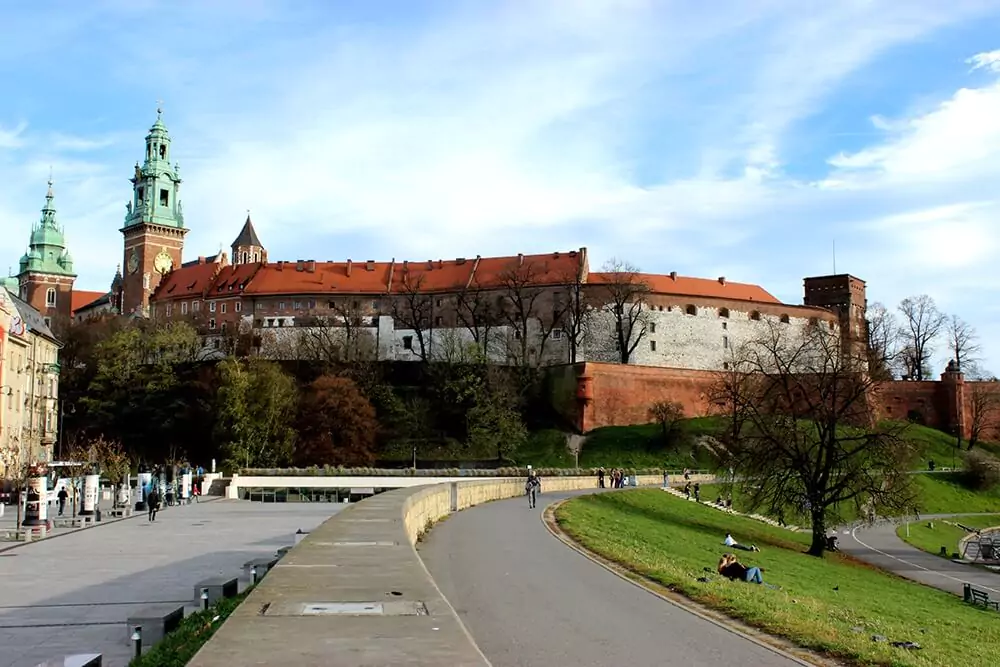
Historic Centre of Kraków, Poland
The Historic Centre of Kraków, Poland, is a UNESCO World Heritage Site, inscribed in 1978, and is a true treasure trove of history and culture. This enchanting city boasts a rich architectural heritage that reflects various styles, from Gothic and Renaissance to Baroque and Art Nouveau. The centerpiece is the majestic Rynek Główny, Europe’s largest medieval square, surrounded by stunning landmarks like St. Mary’s Basilica and the Cloth Hall.
The Wawel Castle, a symbol of Polish royalty, stands proudly atop Wawel Hill, while the picturesque Kazimierz district adds Jewish heritage and a bohemian vibe to the city’s charm. With its harmonious blend of historical landmarks, vibrant atmosphere, and artistic soul, the Historic Centre of Kraków is a living museum that continues to captivate visitors from all corners of the globe.
UNESCO World Heritage Sites in France
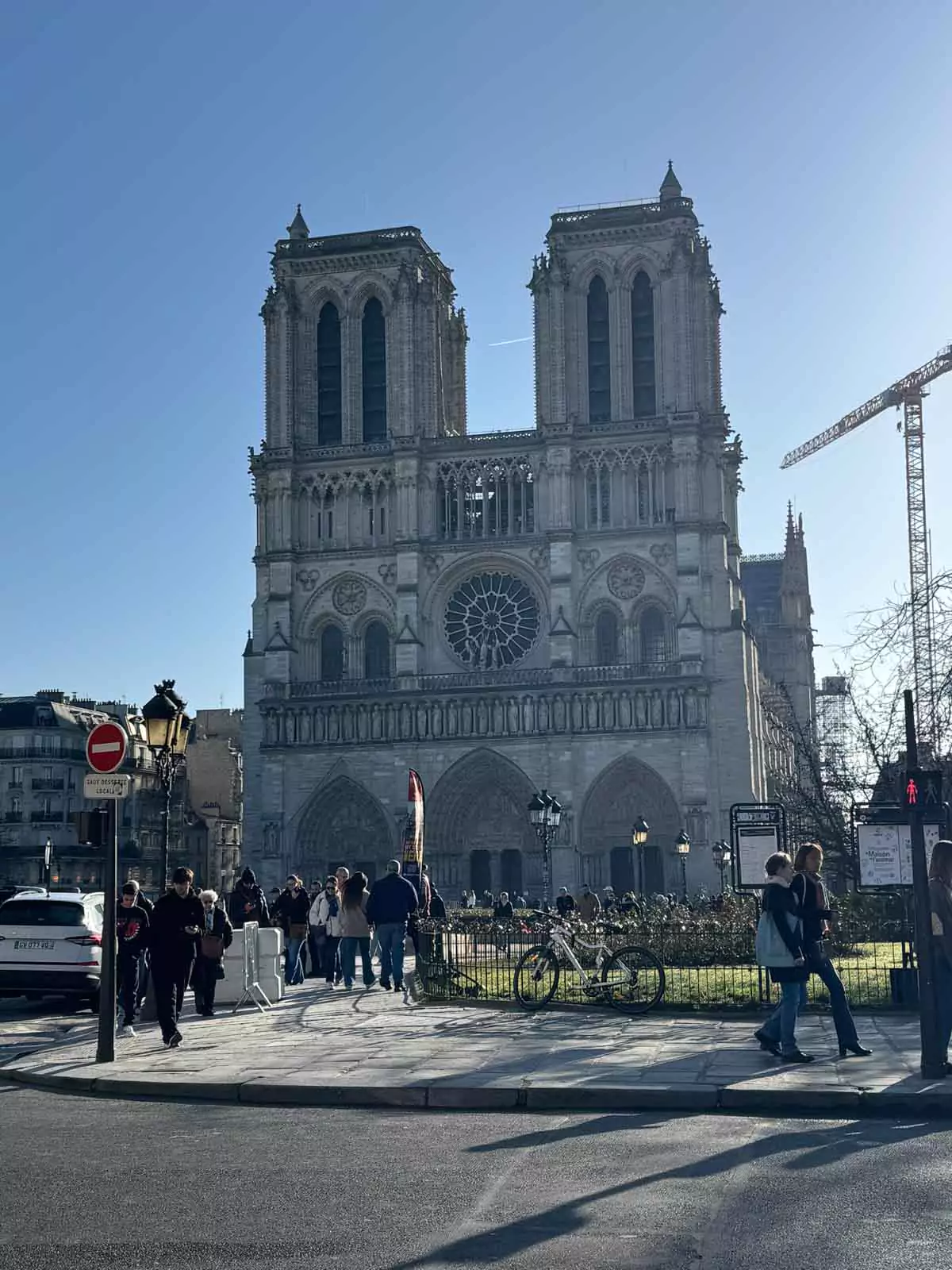
Banks of the Seine River
The Banks of the Seine River in Paris, France, are a UNESCO World Heritage Site, inscribed in 1991. This designation recognizes the outstanding cultural and historical value of the Seine River’s embankments and the architectural landmarks that line its shores.
The Banks of the Seine River in Paris showcase the city’s rich history, urban planning, and architectural achievements. The iconic landmarks along the river, such as the Eiffel Tower, Notre-Dame Cathedral, the Louvre Museum, and the Musée d’Orsay, are not only masterpieces of architecture but also integral parts of Paris’s cultural and artistic heritage.
UNESCO World Heritage Sites in England
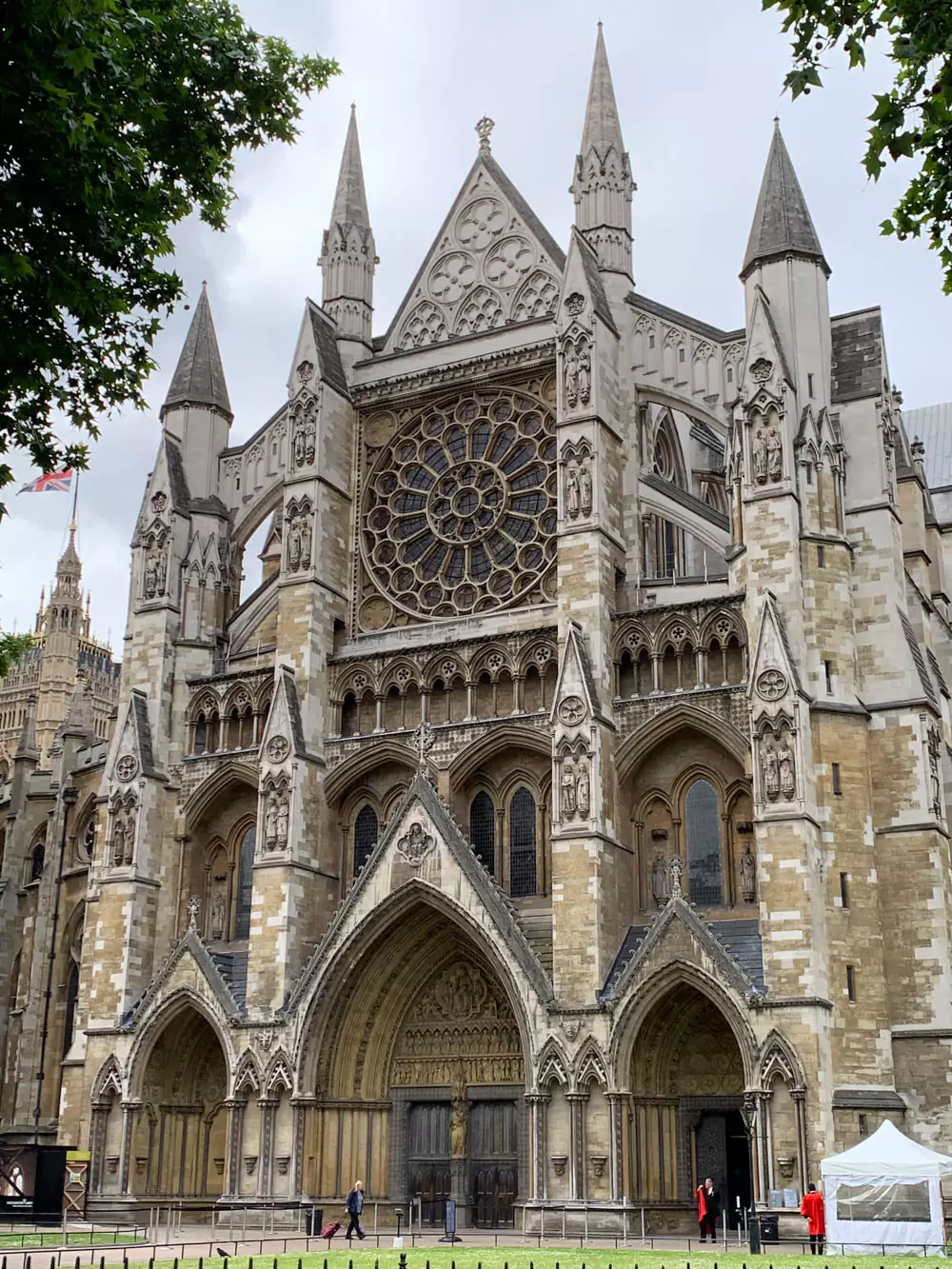
Palace of Westminster and Westminster Abbey
In the heart of London, two iconic landmarks stand tall, testaments to centuries of British history, politics, and religious significance. The Palace of Westminster and Westminster Abbey, including Saint Margaret’s Church, are designated as a UNESCO World Heritage Site for their exceptional cultural and historical value.
UNESCO World Heritage Sites in South Korea

Bulguksa Temple
Bulguksa Temple is a historic Buddhist temple located in Gyeongju, South Korea.
It is one of the most important and renowned temples in the country and is designated as a UNESCO World Heritage Site. The temple is known for its significant cultural and historical value and is considered a masterpiece of Korean Buddhist art and architecture.
Address: 385, Bulguk-ro, Gyeongju-si, Gyeongsangbuk-do, South Korea
Visiting Hours
- March to September: 7:00 AM to 6:00 PM
- October to February: 7:30 AM to 5:00 PM
Cost
- Admission Fee:
- Adults (ages 19-64): 5,000 KRW (about $4 USD)
- Youth (ages 13-18): 3,500 KRW
- Children (ages 7-12): 2,500 KRW
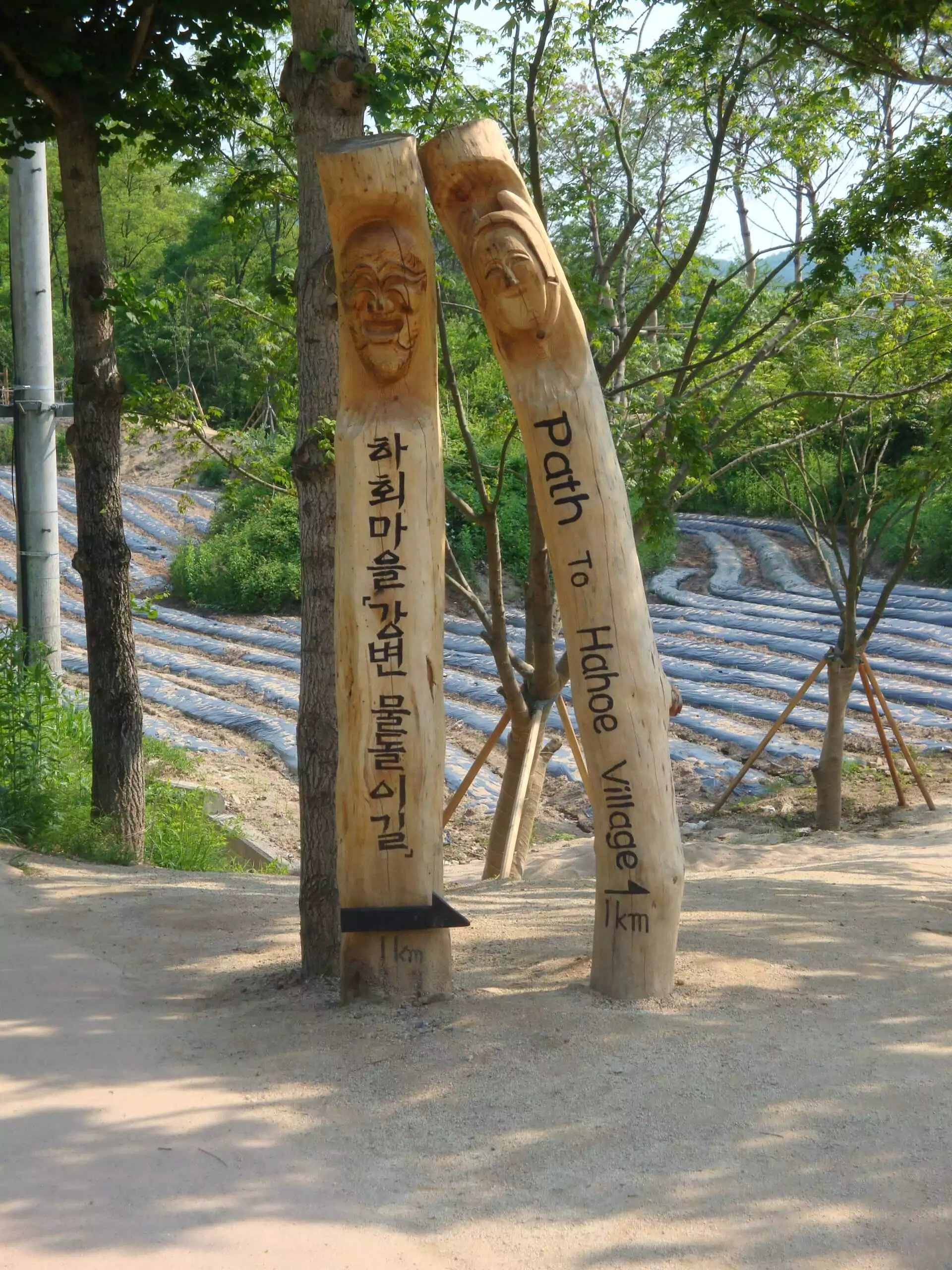
Hahoe Village
Hahoe Village is a traditional Korean village located in Andong City, Gyeongsangbuk-do province, South Korea.
It is known for its well-preserved traditional houses and the unique cultural heritage of the Ryu family clan that has lived there for over 600 years.
In 2010, Hahoe Village was designated as a UNESCO World Heritage Site in recognition of its cultural significance and historical value.
Address: Andong, Gyeongsangbuk-do, South Korea
Hours: The village is generally accessible throughout the day, but specific attractions within the village may have their own operating hours. It’s recommended to arrive early in the day to fully enjoy all the aspects of the village without rush.
Admission Fee: There is a small entry fee to visit the village. The complete ticket, which may include access to the village, shuttle buses, and the museum, costs around 5,000 KRW (approximately $4 USD). This makes it an affordable excursion into Korean history and culture.

Haeinsa Temple
Haeinsa Temple is a prominent Buddhist temple located on Mount Gaya in South Gyeongsang Province, South Korea. It is renowned for housing the Tripitaka Koreana, a vast collection of Buddhist scriptures carved onto wooden printing blocks. In recognition of its cultural significance and the preservation of the Tripitaka Koreana, Haeinsa Temple was designated as a UNESCO World Heritage Site in 1995.
Address: 10, Chiin-ri, Gaya-myeon, Hapcheon-gun, Gyeongsangnam-do, South Korea
Hours: Typically, the temple is accessible from the early morning until the evening, but specific times can vary. Visitors are advised to check the current hours before planning their trip, especially if they intend to participate in a temple stay experience.
Admission Fee: There is usually a small fee to enter the temple precincts, around 3,000 KRW (approximately 2.50 USD). This fee helps with the maintenance and preservation of the temple and its artifacts.
UNESCO World Heritage Sites in Japan
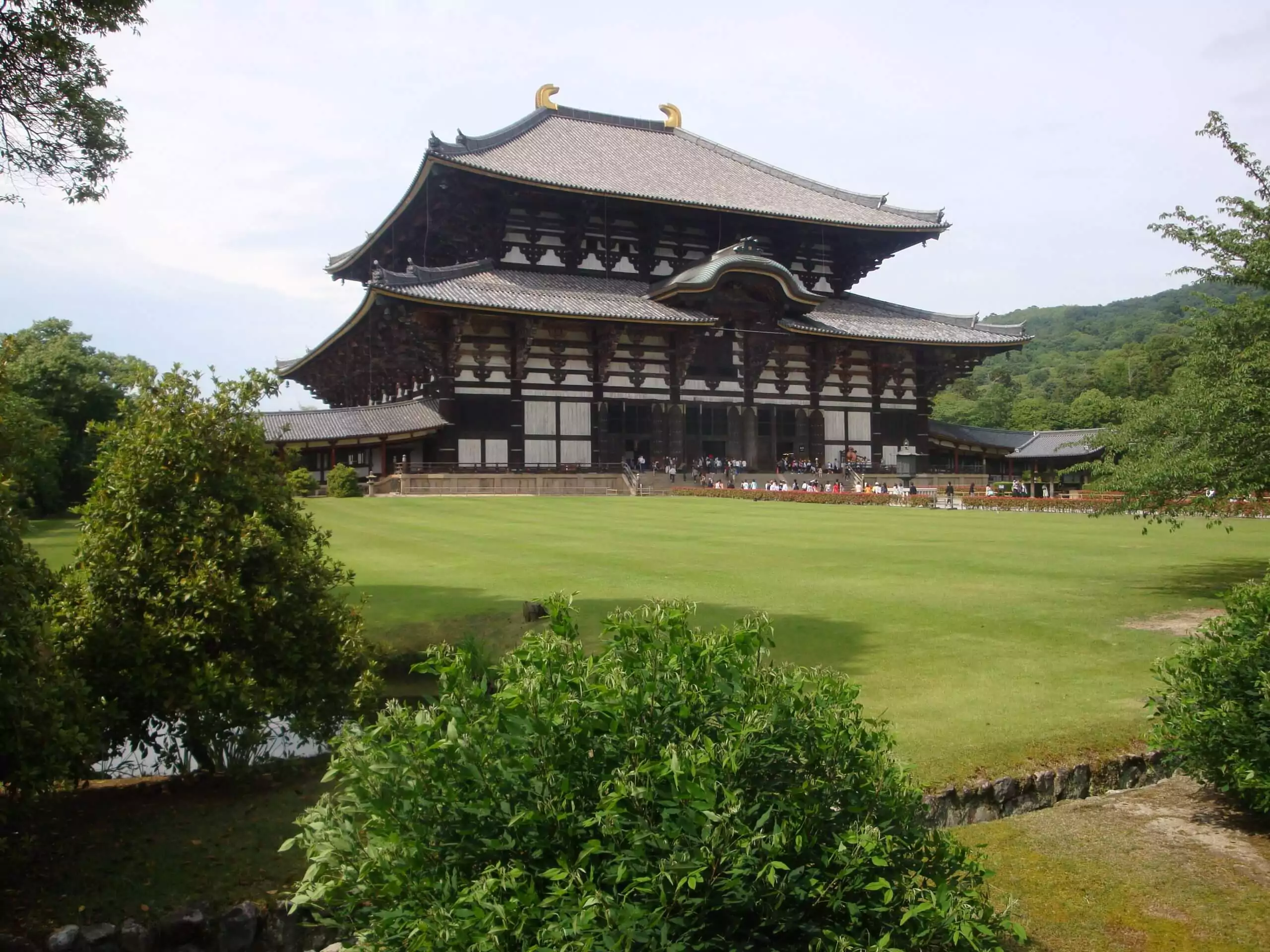
Todai-ji Temple
Todai-ji Temple is a prominent Buddhist temple located in Nara, Japan. It is one of the most historically significant and culturally important temples in Japan and is designated as a UNESCO World Heritage Site. The temple is renowned for its massive bronze Buddha statue and its association with Japanese Buddhism and ancient imperial history.
- Address: 406-1 Zoushi-cho, Nara-shi, Nara-ken, 630-8587, Japan
Visiting Hours
- April to October: 7:30 AM to 5:30 PM
- November to March: 8:00 AM to 5:00 PM
- Todai-ji is open daily, year-round, including on public holidays.
-
Cost
- Admission Fee: The general admission to the temple grounds is 600 yen.
- Additional Fees: There are separate charges for entering certain buildings within the complex, such as the Great Buddha Hall.
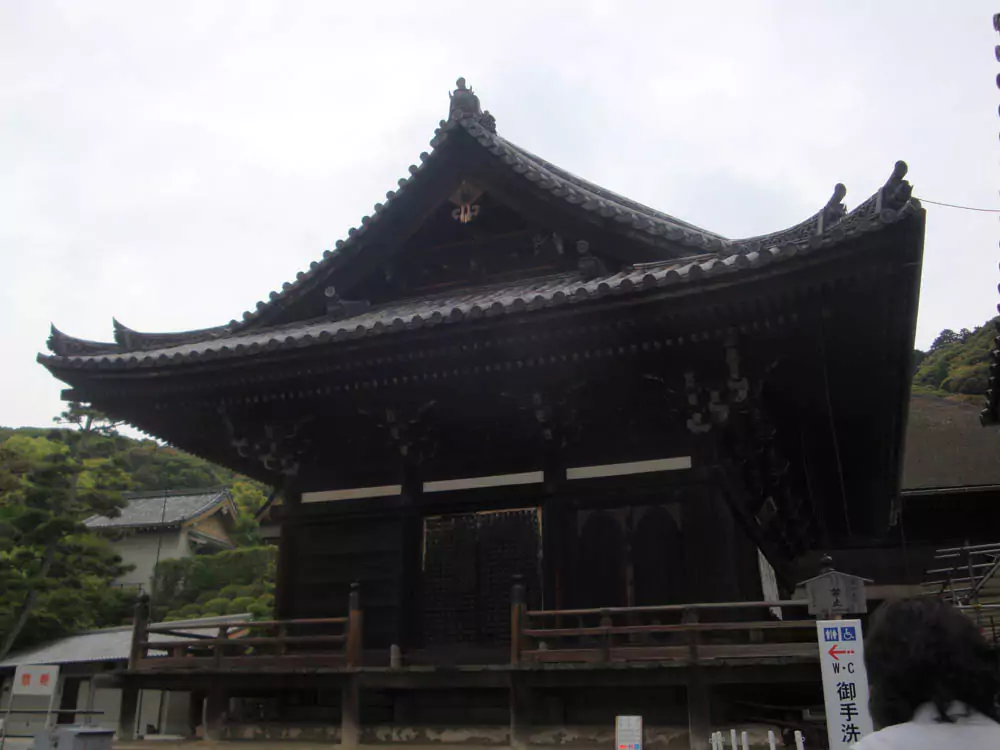
Historic Monuments of Ancient Kyoto
The Historic Monuments of Ancient Kyoto is a UNESCO World Heritage designation that includes a collection of temples, shrines, and castles across the cities of Kyoto, Uji, and Otsu.
These sites were recognized in 1994 for their cultural, historical, and architectural significance, reflecting the rich legacy of Japan’s Heian period (794-1185) and subsequent eras.
Together, they represent Japan’s unique approach to Buddhist and Shinto architecture and landscaping, which emphasizes harmony with nature and spiritual simplicity.
Kiyomizu-dera Temple (Kyoto)
Famous for its large wooden stage that overlooks Kyoto, Kiyomizu-dera is dedicated to Kannon, the Buddhist goddess of mercy. Founded in 778, this temple is celebrated for its architecture, scenic views, and seasonal beauty, particularly during cherry blossom and autumn foliage seasons.
Wrap Up
Exploring UNESCO World Heritage Sites has been one of the most enriching parts of my travels. Each site offers something unique—whether it’s the surreal beauty of Hallstatt’s lake views, the haunting silence of Auschwitz, or the artistic grandeur of Vatican City’s frescoed ceilings.
If you’re building your travel bucket list, I hope this post inspires you to look beyond the tourist traps and dive into the depth and soul of these unforgettable places. Also, make sure to add some of these U.S. Nationals Parks to your future travel list, too!
So, tell me – have you visited any of these UNESCO sites? Or do you have one at the top of your travel wishlist? Let’s keep the conversation (and the inspiration) going in the comments!
Like this post? Share it on Pinterest!
 |
 |
- Trains: Check Omio to search schedules and buy tickets
- Flights: Find the cheapest flights on Booking.com
- Airport transfer: Get a quote & book here
- Naples Underground
- Catacombs of San Gennaro
- Street Food Tour with Local Guide
- Small Group Pizza Making Experience
- Trains: Check Omio to search schedules and buy tickets
- Flights: Find the cheapest flights on Booking.com
- Airport transfer: Get a quote & book here
- Trains: Check Omio to search schedules and buy tickets
- Flights: Find the cheapest flights on Booking.com
- Airport transfer: Get a quote & book here
- Grand Canal by Gondola
- St Mark’s Basilica, Doge Palace, & Bell Tower Option
- Venetian Masks Workshop
- Street Food Tour with a Local Guide and Tastings
