Frank Lloyd Wright’s Taliesin Preservation in Wisconsin

Travel With Kinsley contains affiliate links and is a member of the Amazon Services LLC Associates Program, which means I may receive a cute little commission if you purchase through my links, at no extra cost to you. Please read full disclosure for more information.
Frank Lloyd Wright’s Taliesin isn’t just a home—it’s a living piece of American architecture history.
Located in Spring Green, Wisconsin, this sprawling estate was Wright’s primary residence, studio, and architectural laboratory for nearly five decades. Today, Taliesin Preservation offers visitors a chance to step into the world of one of the most influential architects of the 20th century.
The Story Behind Taliesin
Wright built Taliesin in 1911 on land that had been in his mother’s family for generations.
He designed it to blend seamlessly with the rolling hills of the Wisconsin River Valley, reflecting his philosophy of organic architecture—where buildings harmonize with their surroundings.
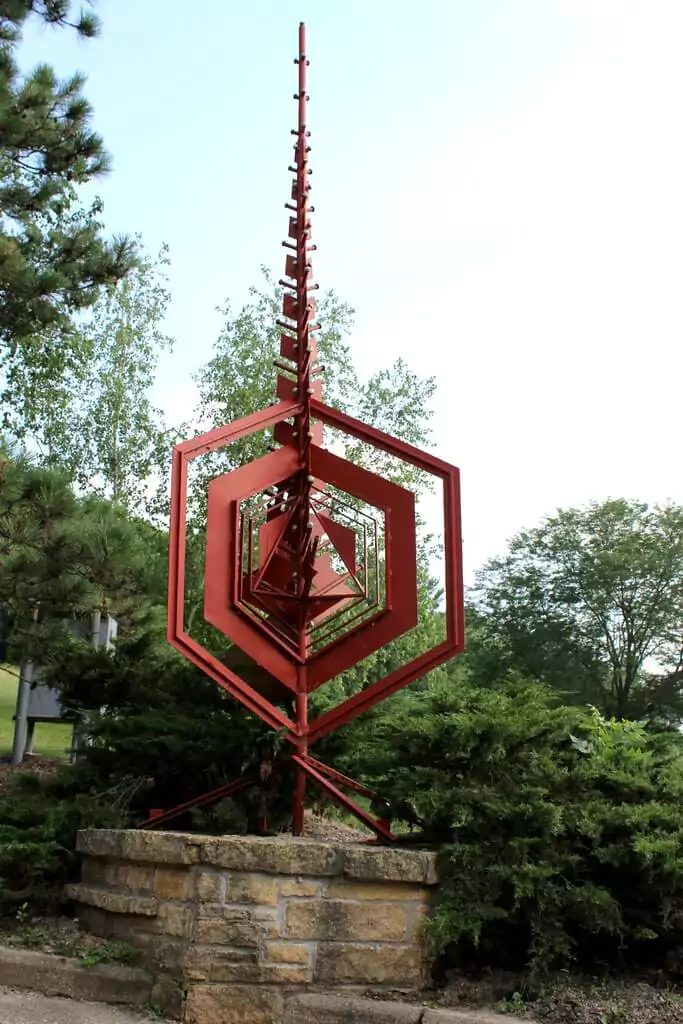
Over the years, Taliesin evolved as both a personal retreat and a working space for Wright and his apprentices.
The estate has seen its share of drama, including devastating fires and rebuilding efforts, but it remains a stunning testament to Wright’s vision and resilience. Today, the 800-acre property includes Wright’s home, studio, gardens, and several other notable buildings.
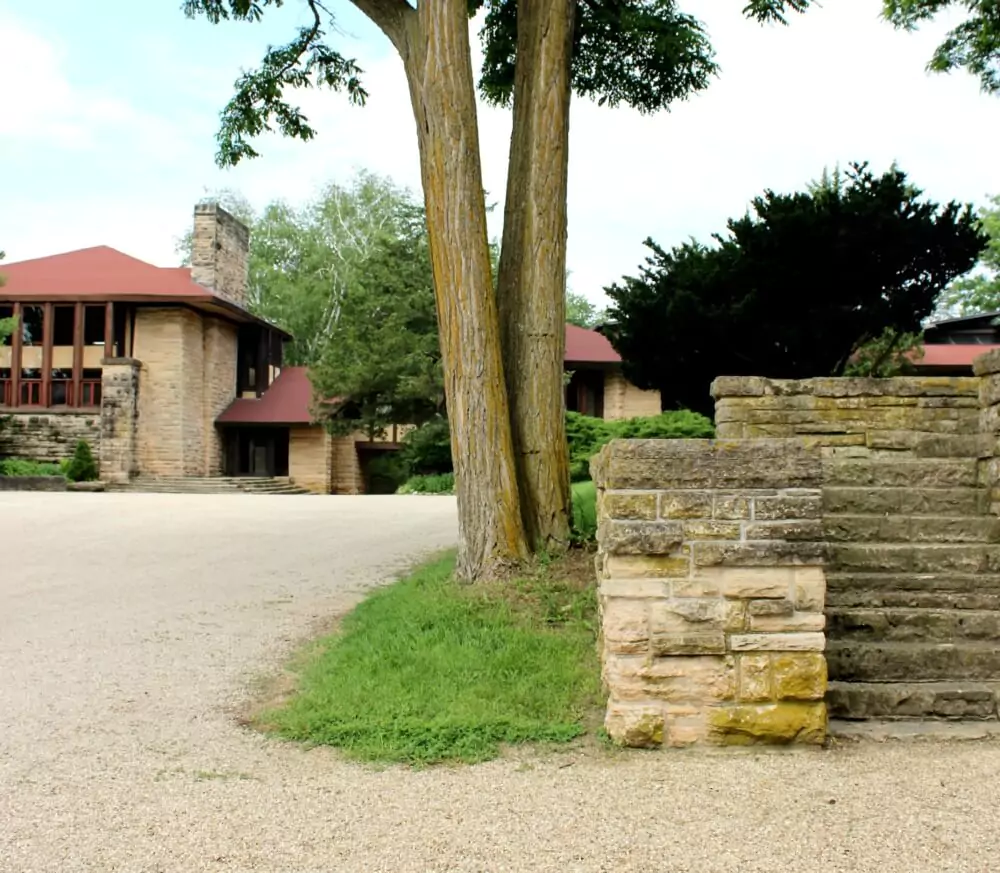
What to See
A visit to Taliesin is more than just a house tour—it’s a deep dive into Wright’s creative process.

Depending on the tour you choose, you might explore:
The Main House – Full of original furnishings, Japanese art, and Wright’s signature design elements.
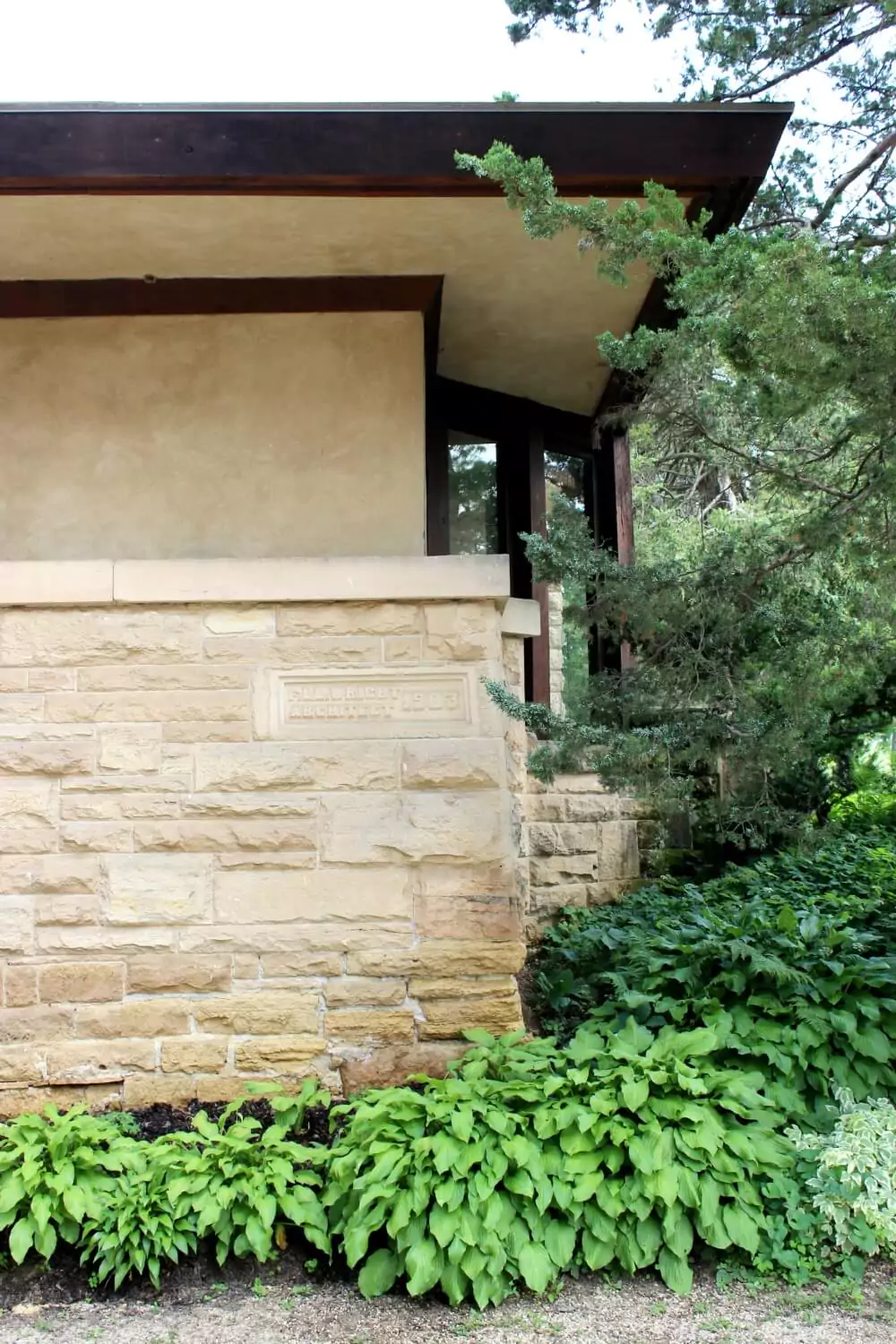
The Drafting Studio – Where Wright and his apprentices worked on projects that changed the course of architecture.
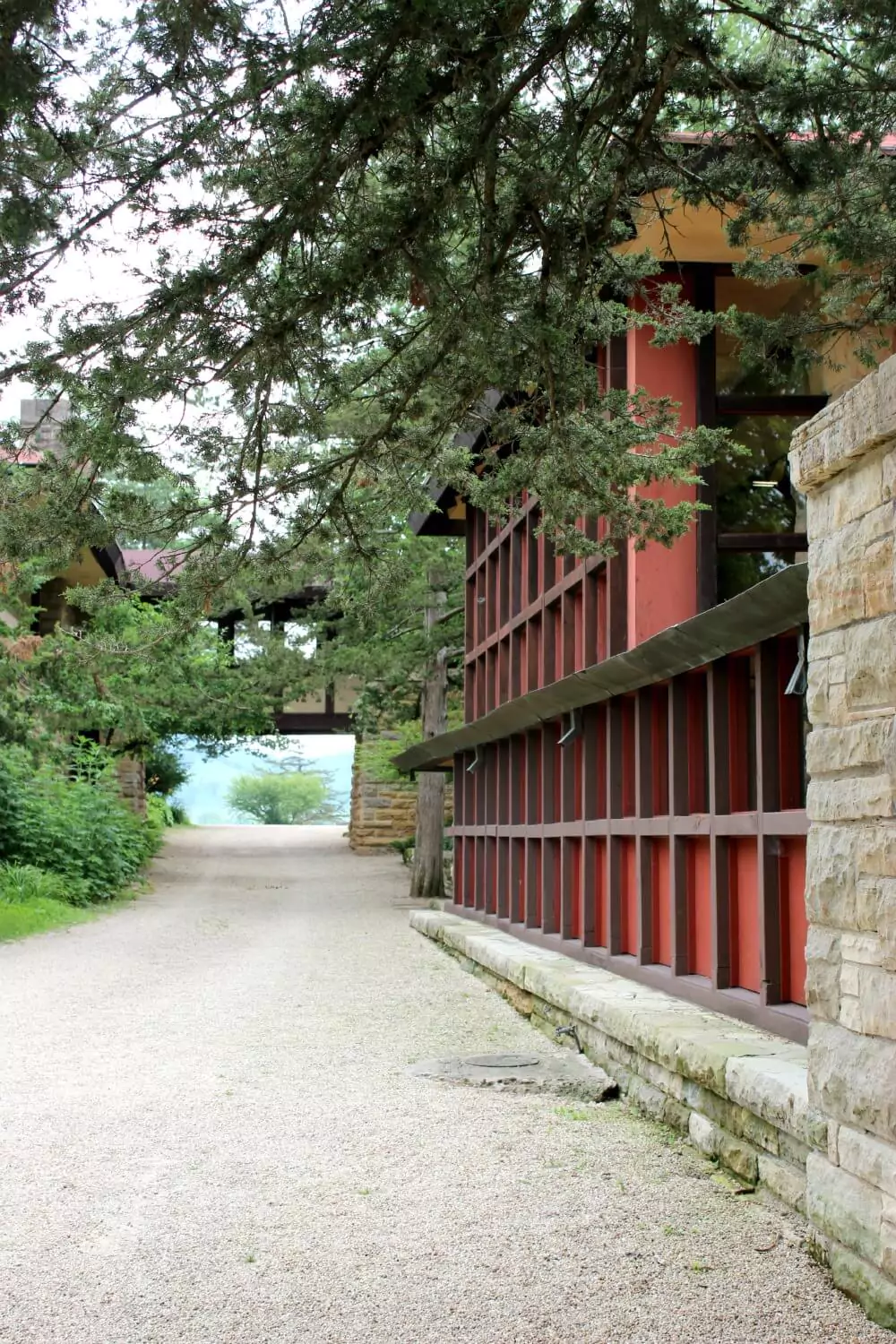
The Hillside School – A space designed for his aunts that later became part of his architectural school.
The first class of students that Wright invited to Taliesin was during the depression era.
It seems that the students “tested” all of his designs and constructed additions to the Taliesin buildings while Wright oversaw the work.
Once the students graduated, Wright offered them a piece of the large Asian vase in the photo below. As soon as the piece lost it’s oriental glory, Wright stopped this practice.
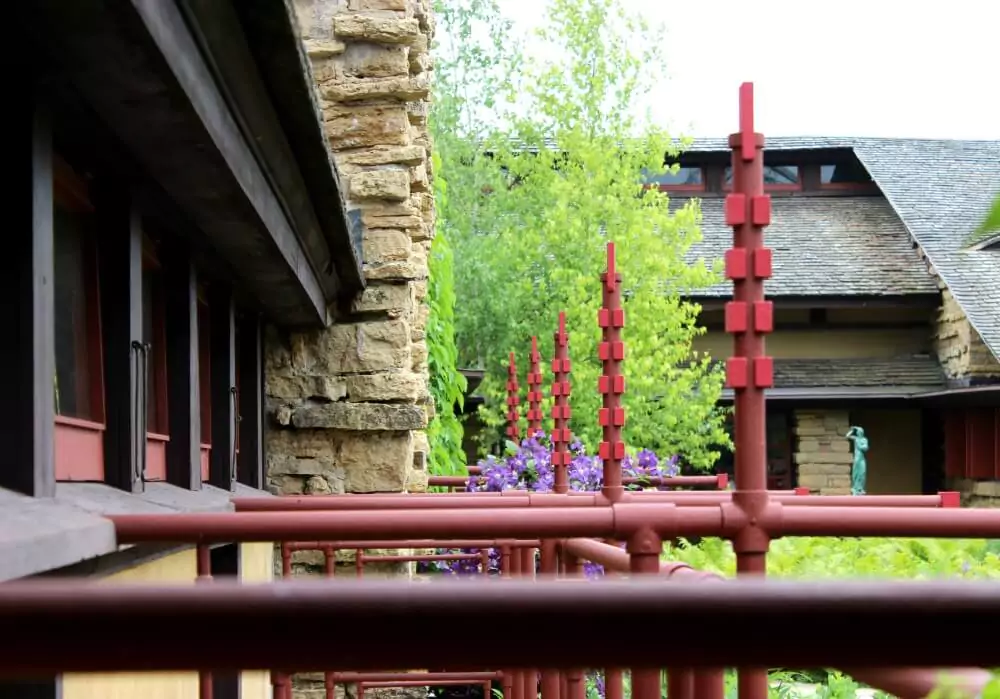
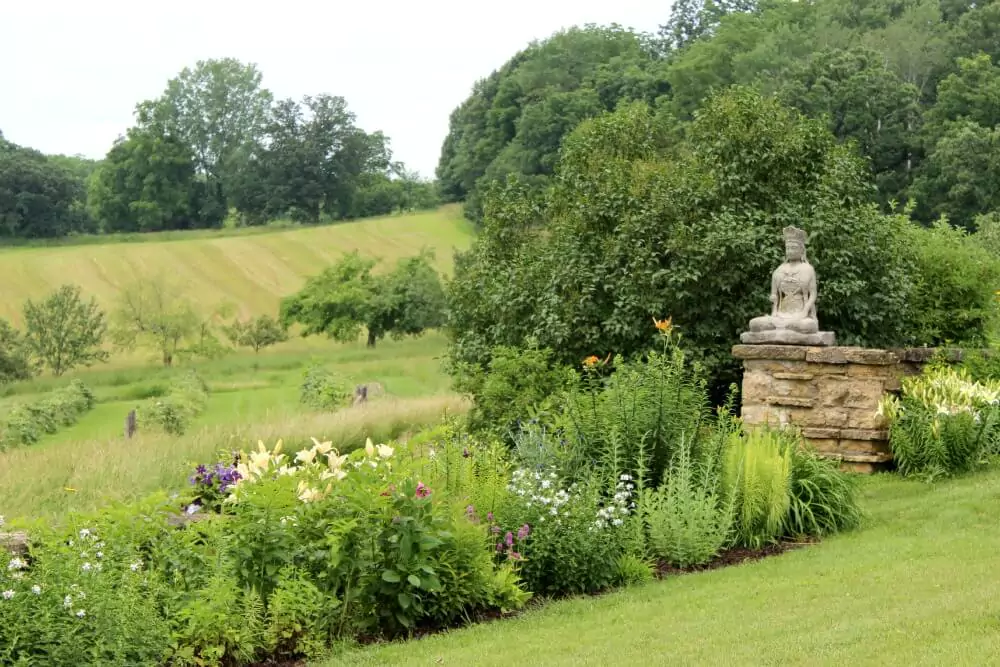
The Gardens and Grounds – Sweeping views of the Driftless Area landscape that inspired so much of his work.
Tips for Visiting
- Book your tour in advance – Taliesin tours are seasonal and can sell out, especially in summer and fall.
- Wear comfortable shoes – You’ll be walking between buildings and through uneven terrain.
- Allow extra time – There’s a visitor center, gift shop, and café worth exploring before or after your tour.
- Photography rules vary – Check the current policy before you go.
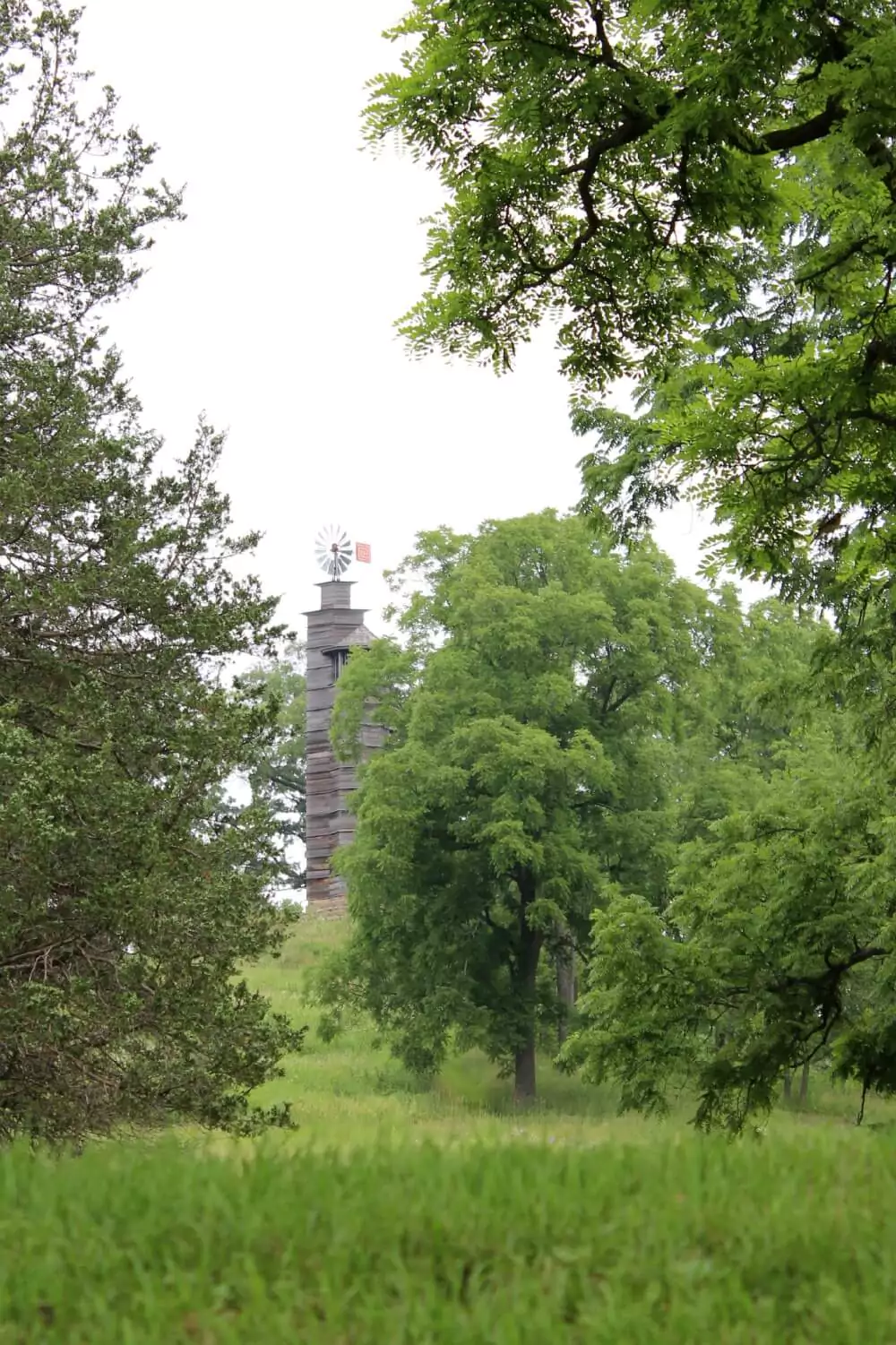
This little windmill is designed to be on top of the hill when most of his designs are built into the side of the hills. It is called the Romeo and Juliet Windmill. This is the oldest Wright building in Wisconsin as it was constructed in 1986 and has only had minor restoration repairs on the shingles.
Why It’s Worth Your Time
Taliesin isn’t just for architecture buffs. It’s for anyone who loves history, design, and the stories behind the spaces we live in. Walking through Wright’s home feels like stepping back in time, but also like seeing the future—his ideas still influence architecture today.
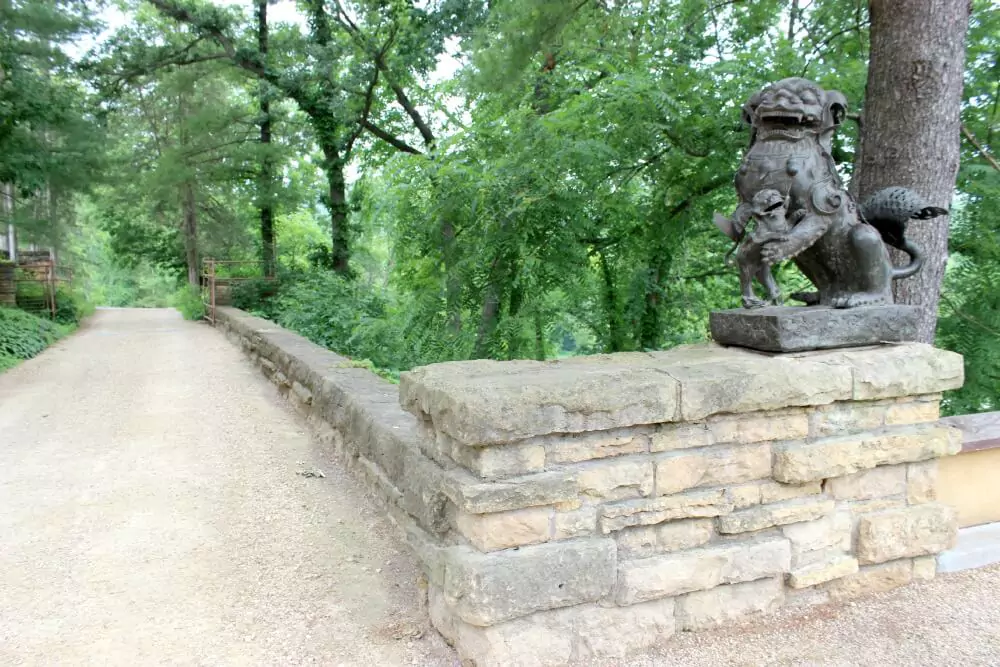
Final word: Visiting Taliesin is a chance to see where genius lived and worked, to stand in the spaces where groundbreaking ideas were born, and to leave inspired by the beauty of both the man-made and natural worlds.
If you’re heading to Spring Green soon, be sure to check out the House on the Rock and other odd things in Wisconsin.
