20 Fascinating Facts About Vienna’s Schönbrunn Palace

Travel With Kinsley contains affiliate links and is a member of the Amazon Services LLC Associates Program, which means I may receive a cute little commission if you purchase through my links, at no extra cost to you. Please read full disclosure for more information.
Vienna is a city full of amazing history and beautiful buildings, but one of the most famous is Schönbrunn Palace, one of my favorite little palaces in Austria.
This grand palace was once the summer home of the Habsburg family, who were some of the most powerful rulers in Europe. Today, people from all over the world visit Schönbrunn Palace to see its fancy rooms, large gardens, and learn about its incredible past.
Whether you’re planning to visit or just curious about history, these 20 fun facts about Schönbrunn Palace will help you understand why it’s such an important and special place in Vienna. Get ready to explore one of the coolest landmarks in the city!
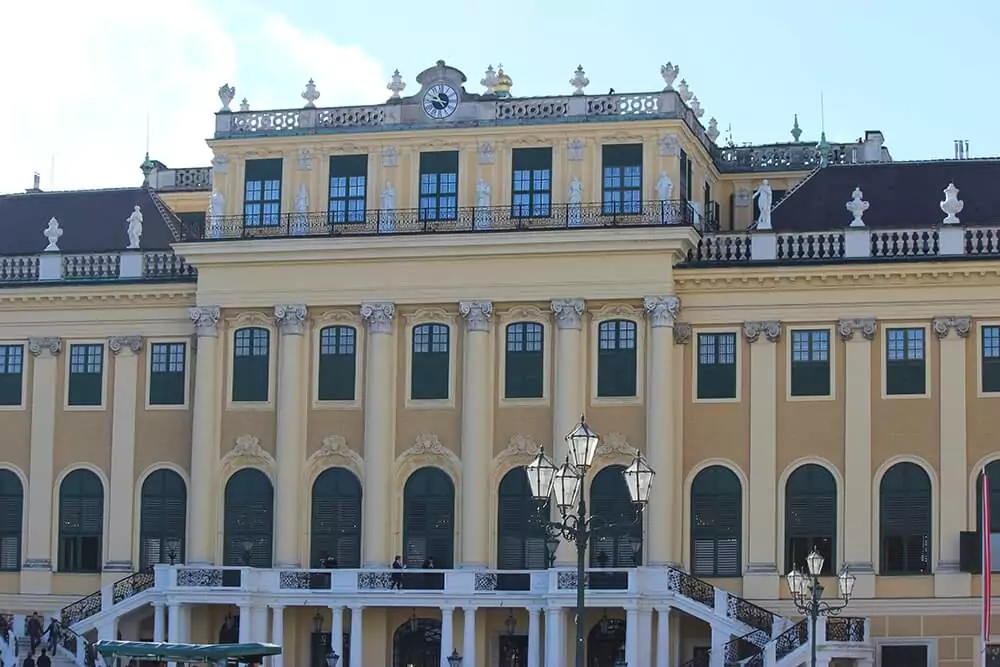
If you’re headed to Vienna, then a trip to Schönbrunn Palace should definitely be on your bucket list. I understand. There are so many fabulous things to do in Vienna that you could stay busy for months.
I recently visited Salzburg, Vienna, and Hallstatt and loved touring the city and seeing all it had to offer.
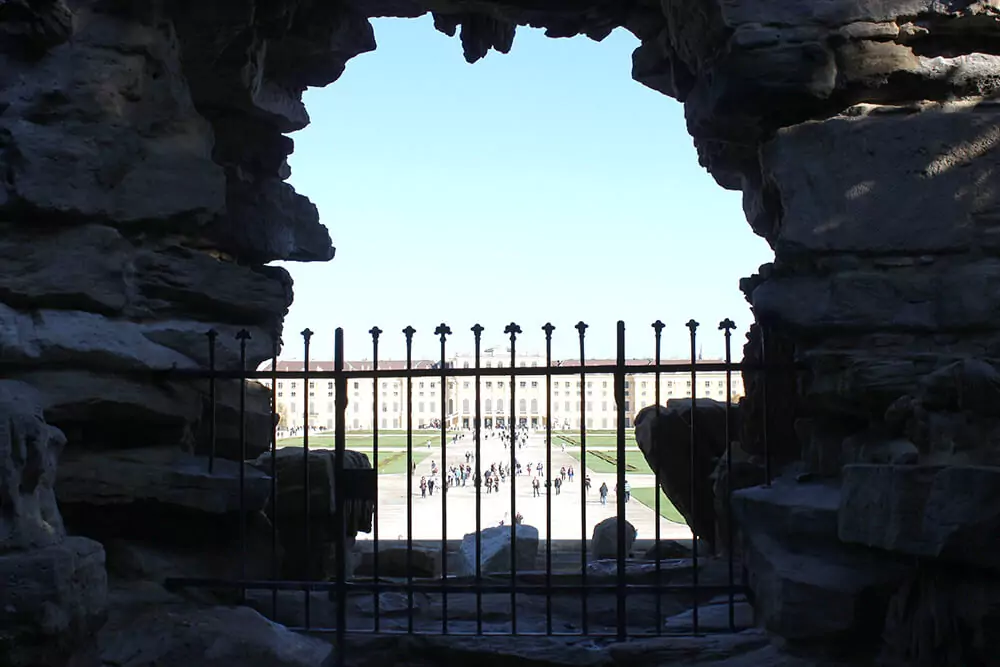
Why is the Schönbrunn Palace so famous?
Schönbrunn Palace, or schloß schönbrunn in German, has deep historical roots, dating back to the 17th century. It was initially commissioned by Emperor Leopold I and became the summer residence of the Habsburg dynasty, one of the most powerful royal families in European history.
The palace was the home of many key figures in European history, including Maria Theresa, Emperor Franz Joseph I, and Empress Elisabeth (Sisi). Its walls have witnessed the rise and fall of empires, making it a living testament to centuries of European political and cultural evolution.
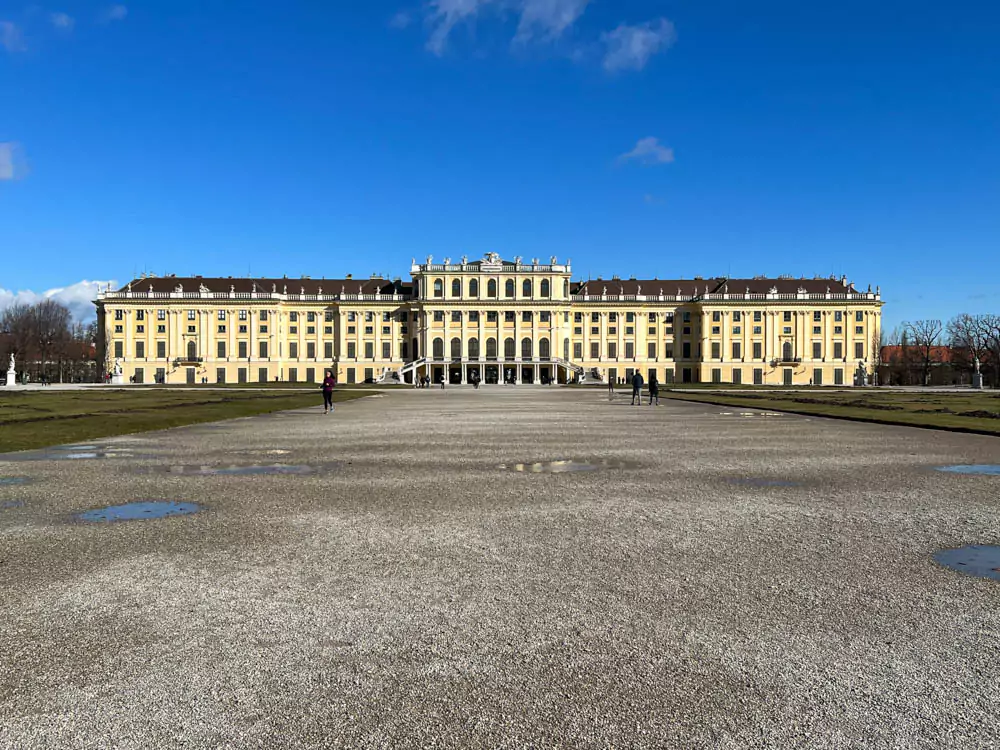
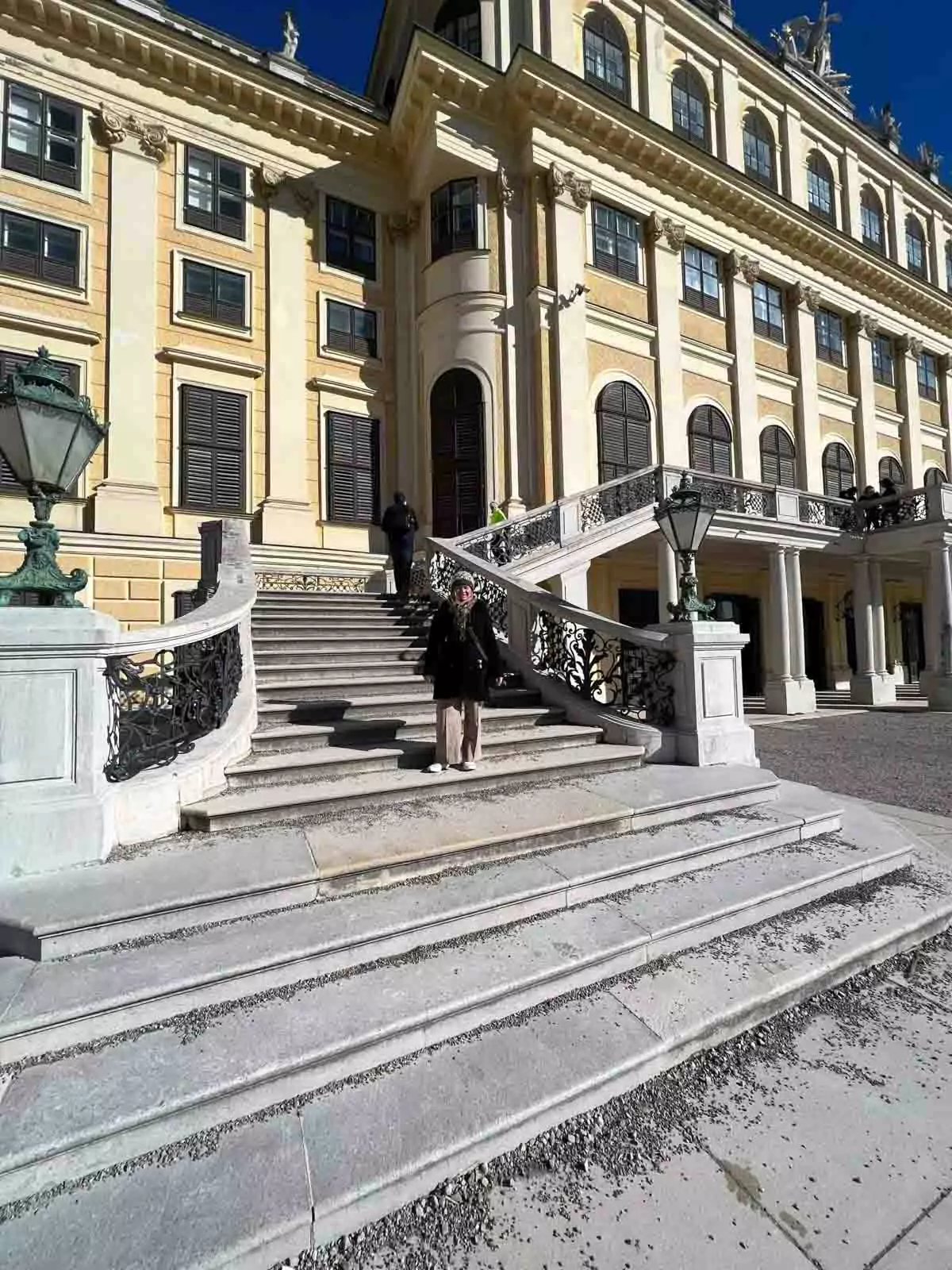
The palace is a stunning example of Baroque architecture, with its opulent facades, intricate decorations, and grandiose scale. The design of Schönbrunn reflects the ambitions of the Habsburgs, who wanted to create a residence that rivaled the grandeur of Versailles in France.
The palace’s 1,441 rooms are adorned with elaborate frescoes, gold-leafed decorations, and exquisite furnishings that highlight the artistic and cultural achievements of the era.
The palace is surrounded by magnificent gardens that cover over 500 acres, designed in the French formal style. The Schönbrunn Gardens are a UNESCO World Heritage site.
Schönbrunn Palace is one of the most visited tourist attractions in Austria, drawing millions of visitors each year. Its rich history, stunning architecture, and beautiful gardens make it a key stop on any cultural tour of Europe. It also hosts numerous events, palace concerts, and exhibitions.
20 Facts About Schonbrunn Palace
Schonbrunn Palace dates back to the fourteenth century and was, in 1693, commissioned as a grand hunting lodge from Leopold I and designed by the Baroque architect Johann Bernhard Fischer von Erlach. Though the palace displays many architectural styles from Gothic to Renaissance, Baroque and Rococo.
It has been the site of many important historical events, including the signing of the Treaty of Schonbrunn between France and Austria in 1809. It was also Marie Antoinette‘s childhood summer home.
- Historical Origins: Schönbrunn Palace was originally a hunting lodge, which was transformed into a grand imperial summer residence by Emperor Leopold I in the late 17th century.
- Architectural Style: The palace is a prime example of Baroque architecture, characterized by its grandeur, symmetry, and elaborate details.
- Maria Theresa’s Influence: Empress Maria Theresa, one of the most significant figures in Austrian history, played a major role in expanding and renovating Schönbrunn, making it the palace we see today.
- 1,441 Rooms: The palace boasts a staggering 1,441 rooms, though only 45 of these are open to the public.
- UNESCO World Heritage Site: Schönbrunn Palace and its gardens were designated a UNESCO World Heritage site in 1996 for their historical and cultural significance.
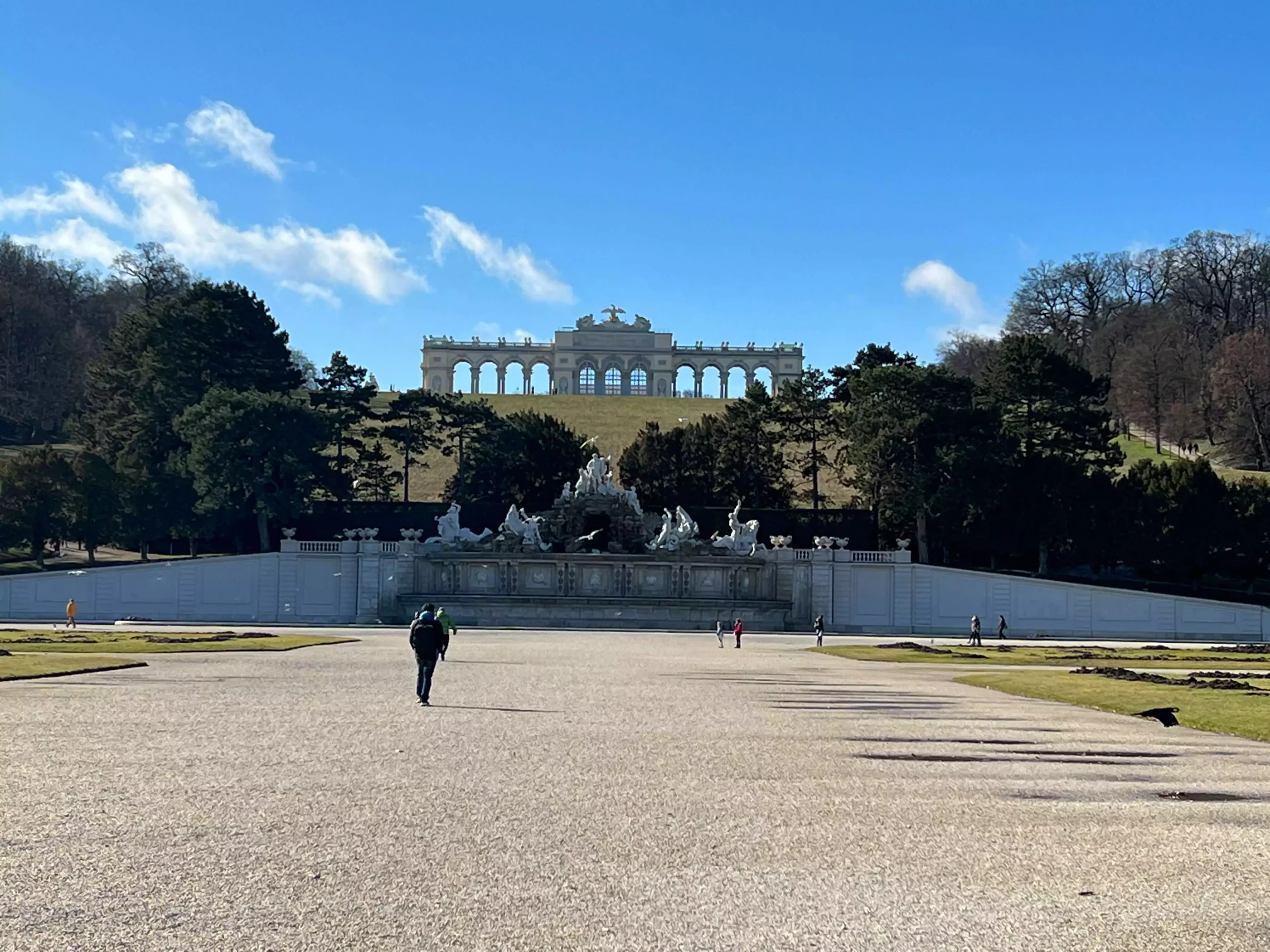
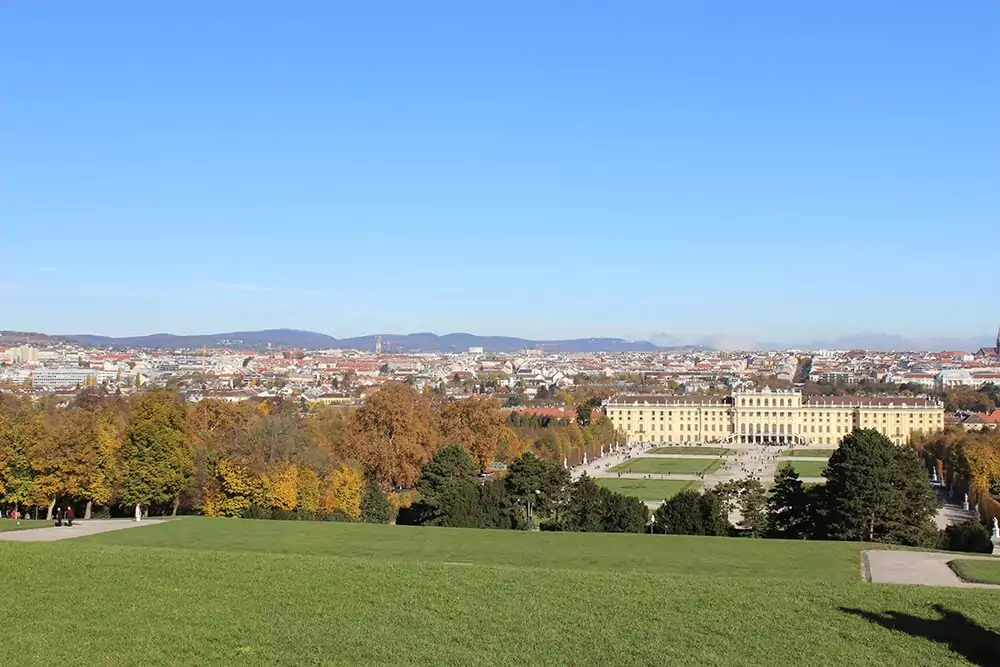
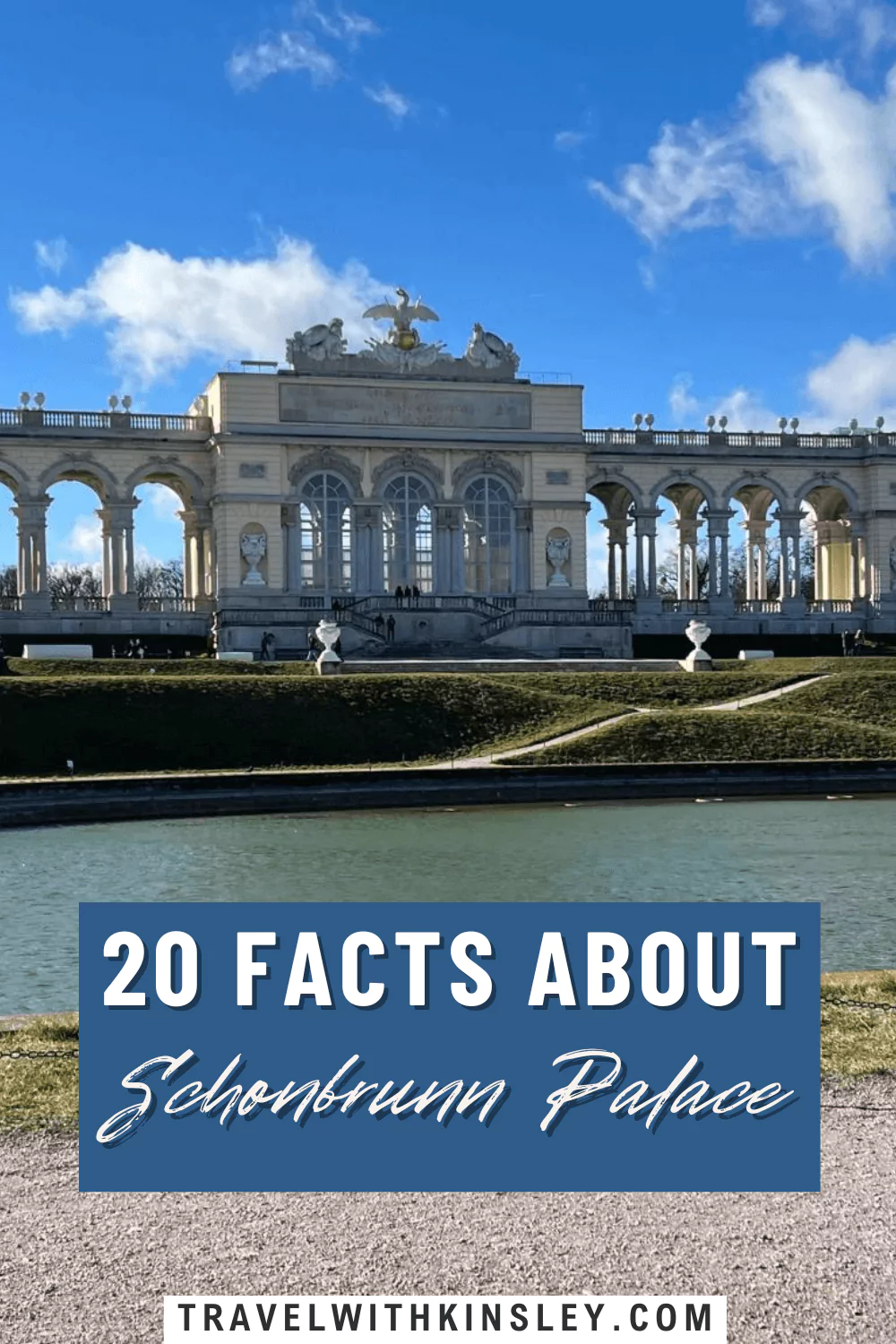
- The Gloriette: The Gloriette is a grand, colonnaded structure located on a hill within the palace gardens. It was built in 1775 and offers stunning views of Vienna.
- The Great Gallery: One of the most famous rooms in the palace, the Great Gallery, is an opulent ballroom decorated with crystal chandeliers, mirrors, and frescoes.
- Home of Emperor Franz Joseph: Emperor Franz Joseph I, who ruled Austria for 68 years, was born at Schönbrunn and spent much of his life there.
- Private Apartments: The private apartments of Emperor Franz Joseph and Empress Elisabeth (Sisi) are among the most visited rooms, offering a glimpse into the daily lives of the royal couple.
- Magnificent Gardens: The palace gardens span over 500 acres and include intricate flowerbeds, sculptures, fountains, and an orangery.
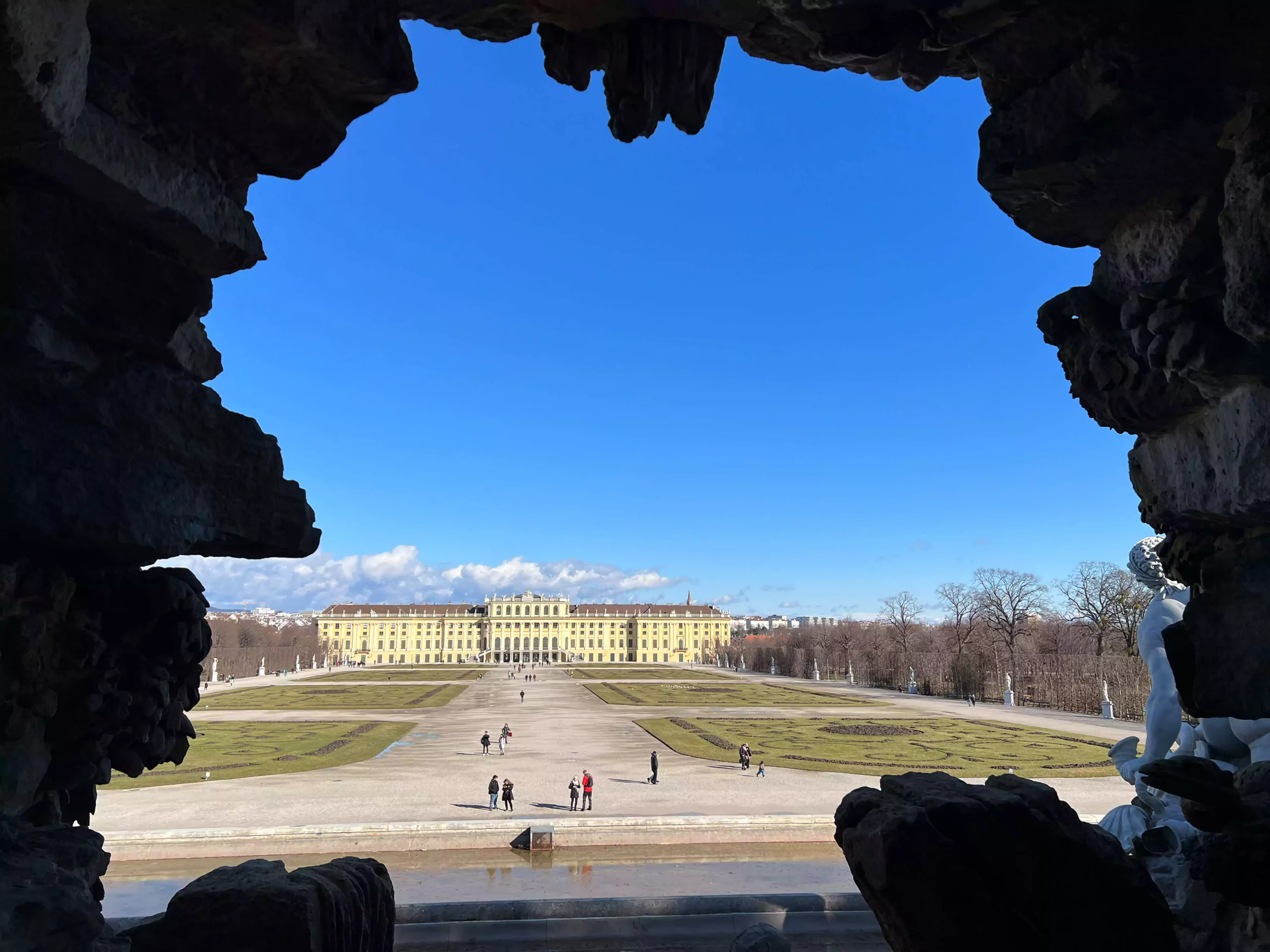
- The Neptune Fountain: A central feature of the gardens is the Neptune Fountain, a grand Baroque fountain symbolizing the power of the Habsburg dynasty.
- The Palm House: Schönbrunn is home to one of the largest palm houses in Europe, a vast greenhouse built in the late 19th century to house exotic plants.
- Oldest Zoo in the World: The Schönbrunn Zoo, founded in 1752, is the oldest continuously operating zoo in the world and is located on the palace grounds.
- Music and Mozart: A young Wolfgang Amadeus Mozart performed for Empress Maria Theresa at Schönbrunn Palace when he was just six years old.
- The Schönbrunn Maze: The gardens feature a maze and a labyrinth, offering a fun and challenging experience for visitors.
- Napoleon’s Stay: Napoleon Bonaparte used Schönbrunn Palace as his headquarters during his occupation of Vienna in 1805 and 1809.
- Empress Elisabeth’s Gymnasium: Empress Elisabeth (Sisi) was known for her beauty and fitness routines. The palace includes a room that she used as a private gymnasium.
- Restoration Efforts: The palace has undergone significant restoration efforts over the years to preserve its historical integrity and ensure it remains a cultural treasure.
- Film and Media: Schönbrunn Palace has been featured in numerous films, TV shows, and documentaries, highlighting its global cultural impact.
- Tourist Attraction: Schönbrunn Palace is one of the most visited tourist attractions in Austria, drawing over 3 million visitors annually.
A Virtual Tour of the Schönbrunn Palace
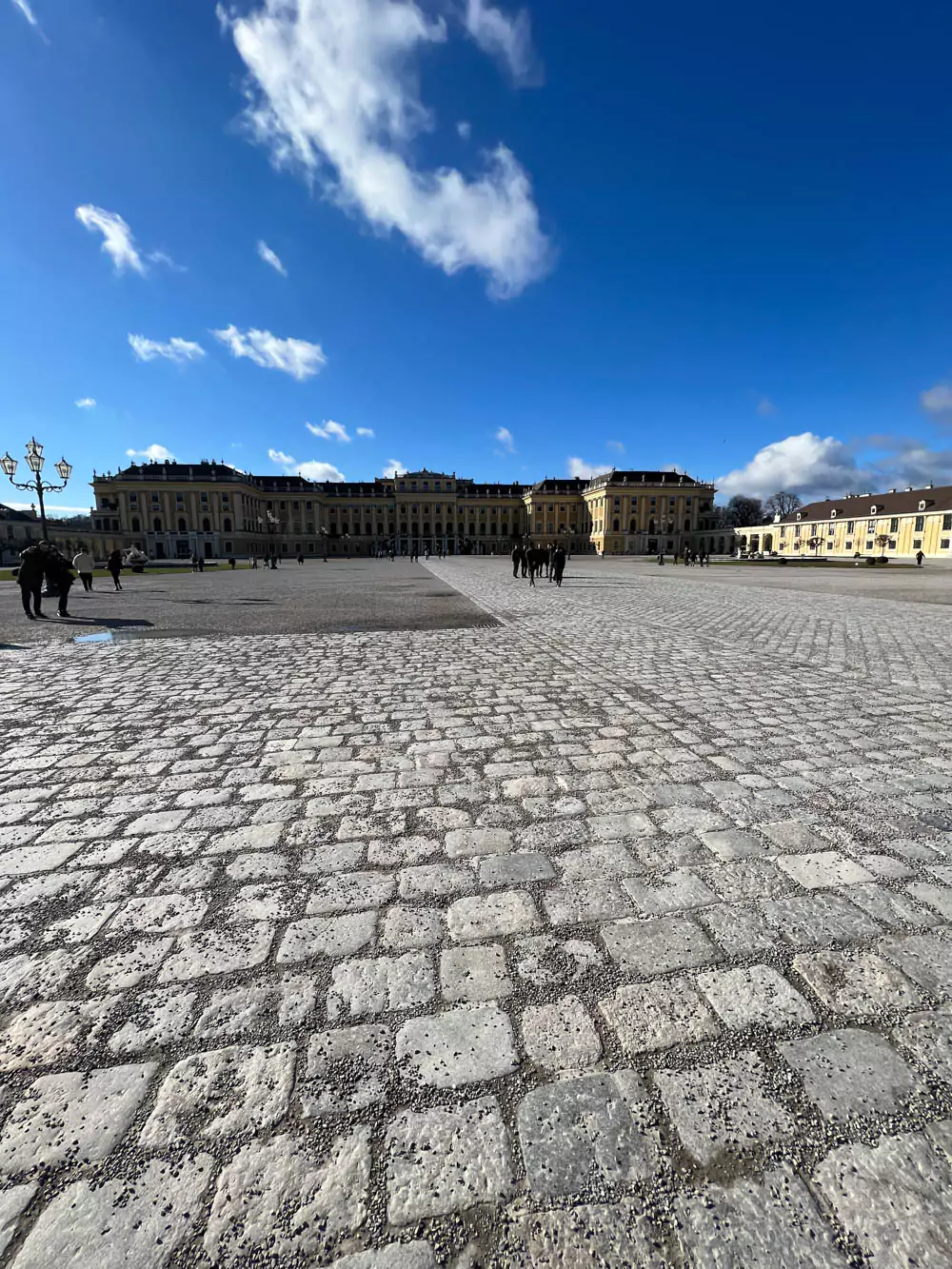
Schönbrunn Palace, along with its gardens, is a UNESCO World Heritage Site, recognized for its historical and cultural importance. It stands as a symbol of the wealth and power of the Habsburg Empire and as a prime example of Baroque art and architecture.
Imperial Residence
Habsburg Dynasty: Schönbrunn Palace was the summer residence of the Habsburg emperors, one of the most powerful royal families in Europe. It is closely associated with Empress Maria Theresa, Emperor Franz Joseph, and Empress Elisabeth (Sisi), making it a key site in Austria’s imperial history.
Historical Events: The palace has hosted numerous historical events, including state functions and diplomatic meetings. Napoleon Bonaparte stayed at the palace during his campaigns in Austria.
Expansive Gardens
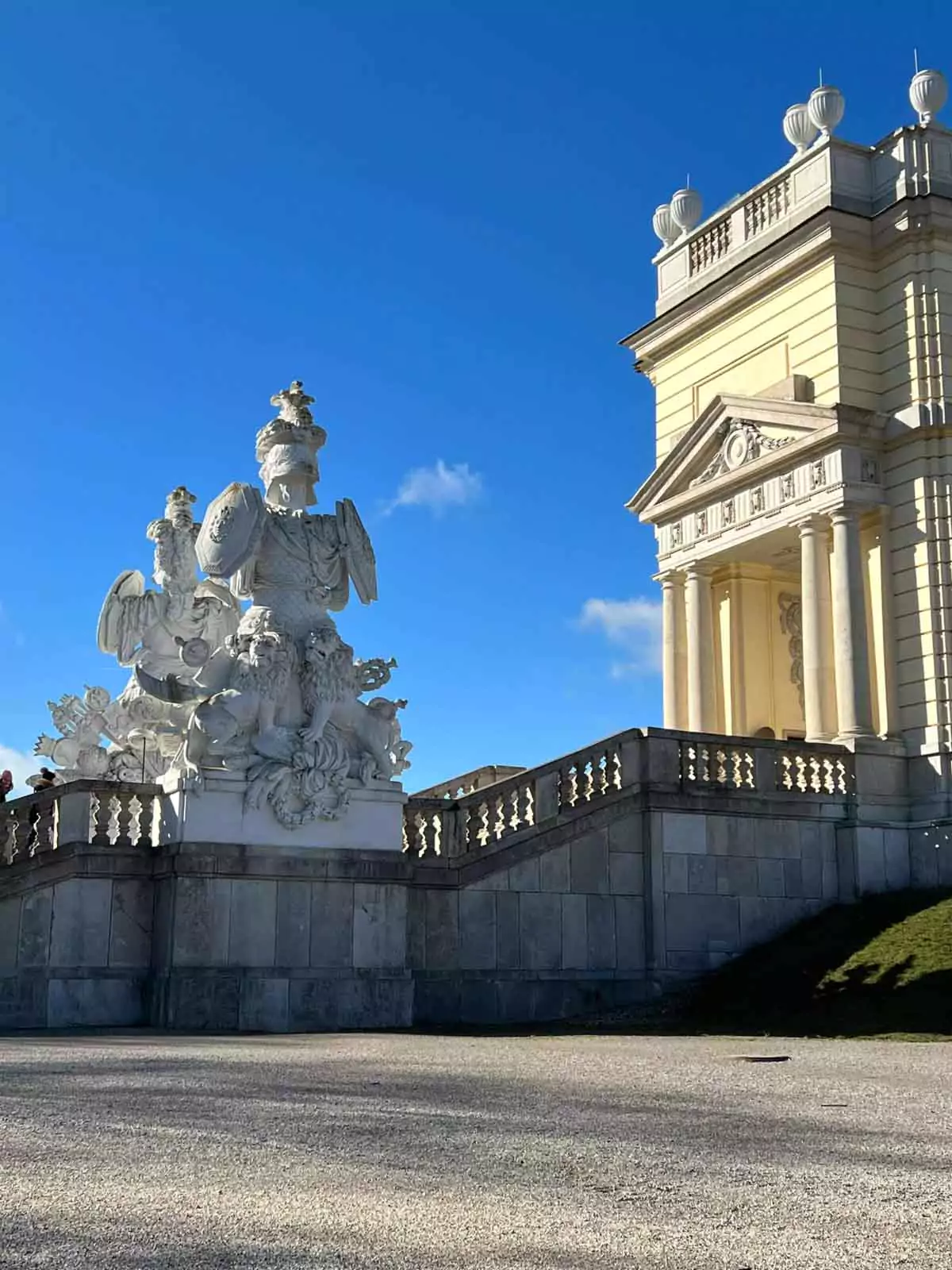
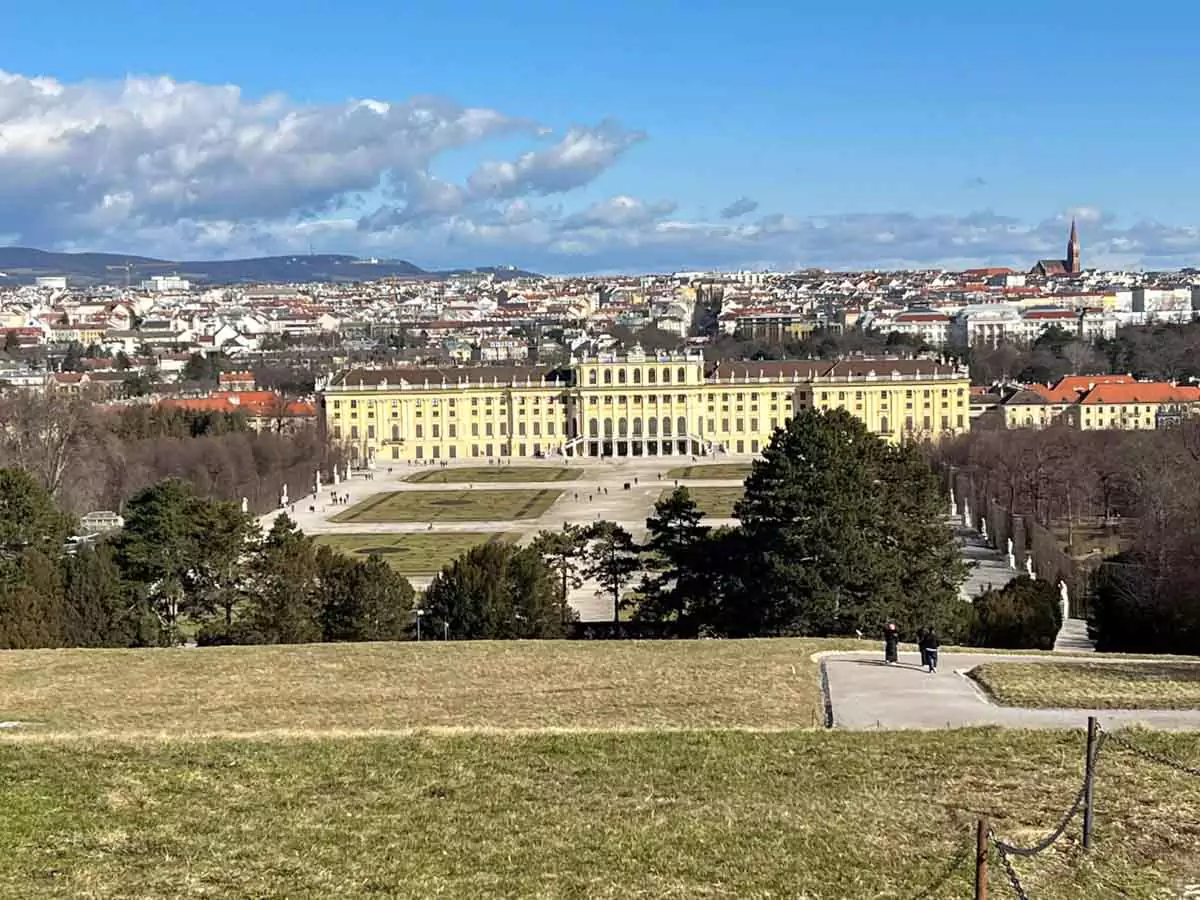
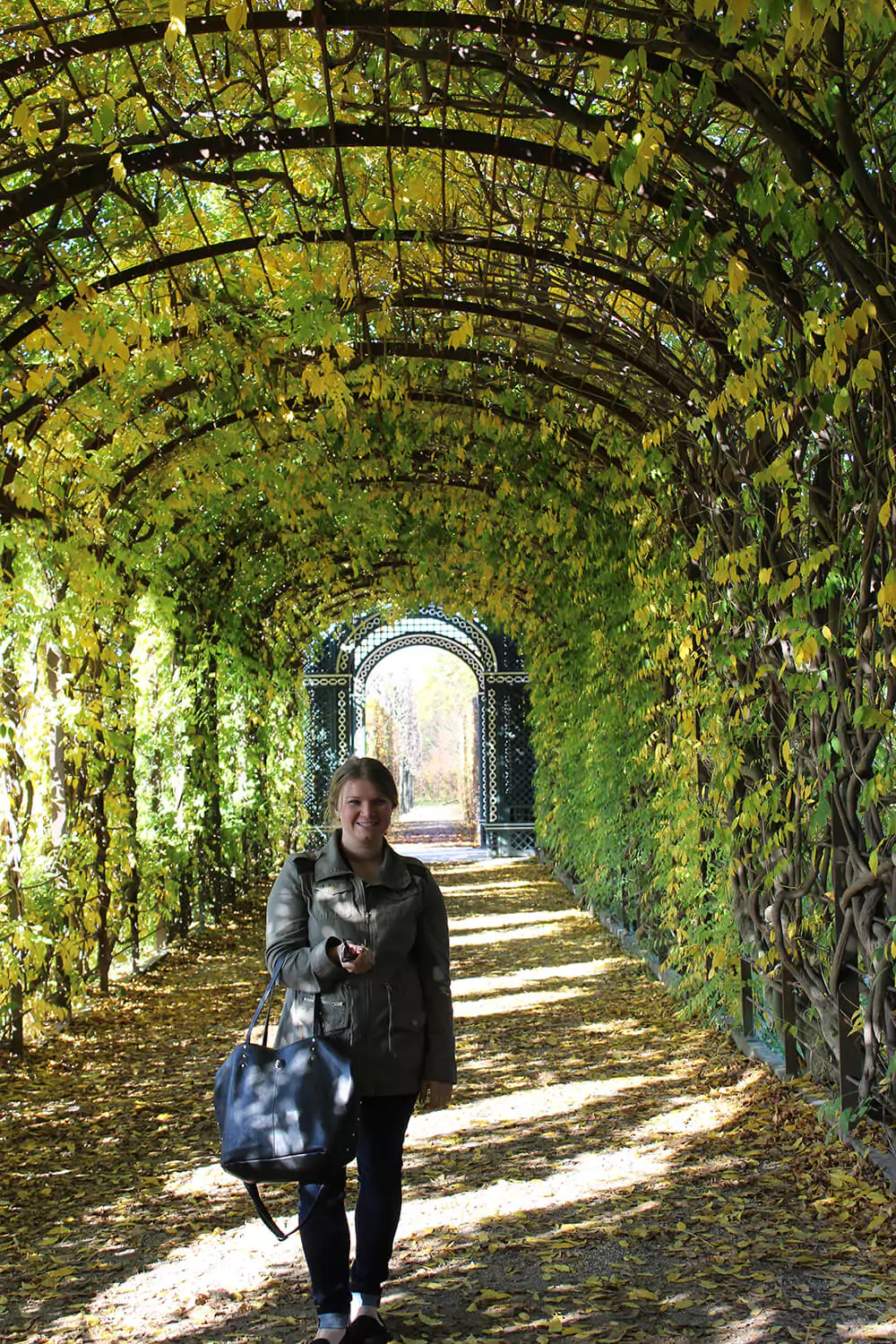
Schönbrunn Gardens: The palace is surrounded by beautifully landscaped gardens that cover 1.2 square kilometers. The gardens include formal flower beds, fountains, statues, and tree-lined avenues, all designed in the French Baroque style.
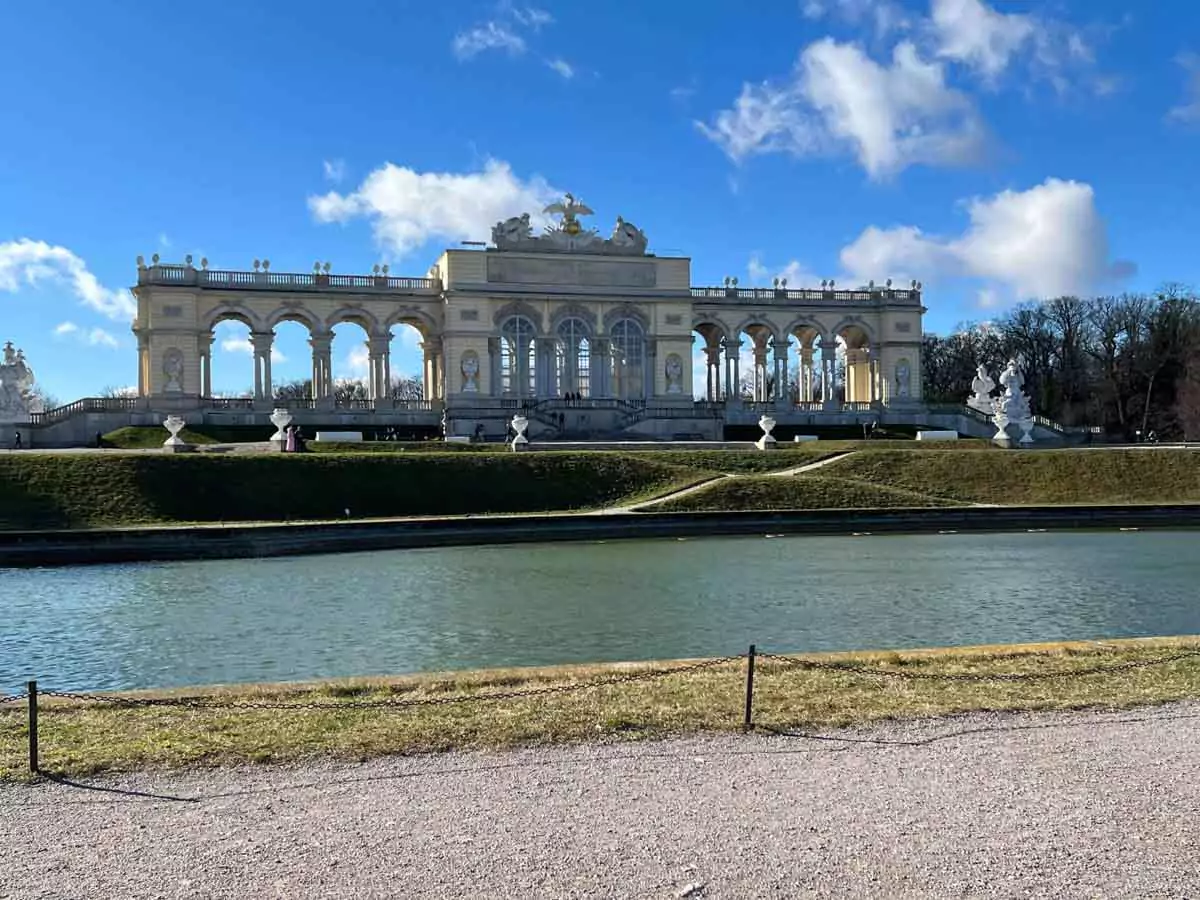
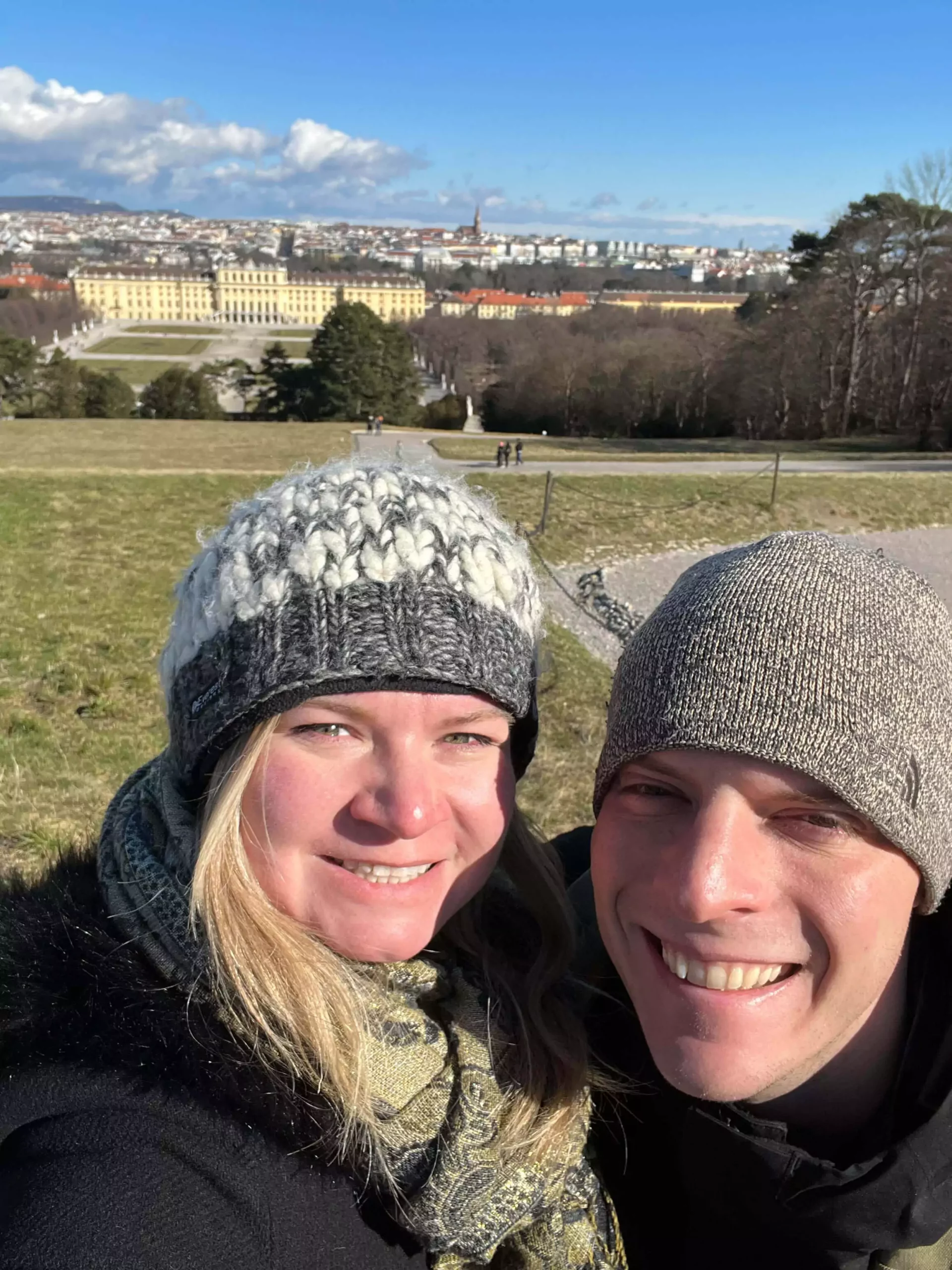
The Gloriette: At the top of a hill overlooking the palace is the Gloriette, a grandiose structure offering panoramic views of Vienna. The Gloriette proved to have some of the most amazing views of the city! The Gloriette also houses a café, making it a perfect spot to relax and take in the scenery.
Maze and Labyrinth: The gardens also feature a historic maze and labyrinth, providing fun and exploration for visitors of all ages.
The gardens are divided into several sections, including the Great Parterre, the Privy Garden, the Maze Garden, and the Rose Garden. The Great Parterre is the central section of the gardens and features a large fountain, geometrically designed flower beds, and paths lined with hedges.
Architecture
Baroque Architecture: The palace is a masterpiece of Baroque architecture, with 1,441 rooms, each richly decorated and reflecting the opulence of the Habsburg monarchy. The exterior’s grandeur is matched by the lavishly decorated state rooms and private apartments inside.
Interior Highlights: Visitors can explore the stunning Great Gallery, the Rococo-style Hall of Mirrors, and the private rooms of Emperor Franz Joseph and Empress Elisabeth. The palace also features beautiful frescoes, intricate chandeliers, and ornate furnishings.
Fountains
Schonbrunn Palace has several fountains located in its extensive gardens, including the Great Parterre Fountain, the Neptune Fountain, the Obelisk Fountain, and the Roman Ruin Fountain.
During the summer, the fountains are often accompanied by music and light shows – an experience I hope to have in the future!
Parade Court Fountains
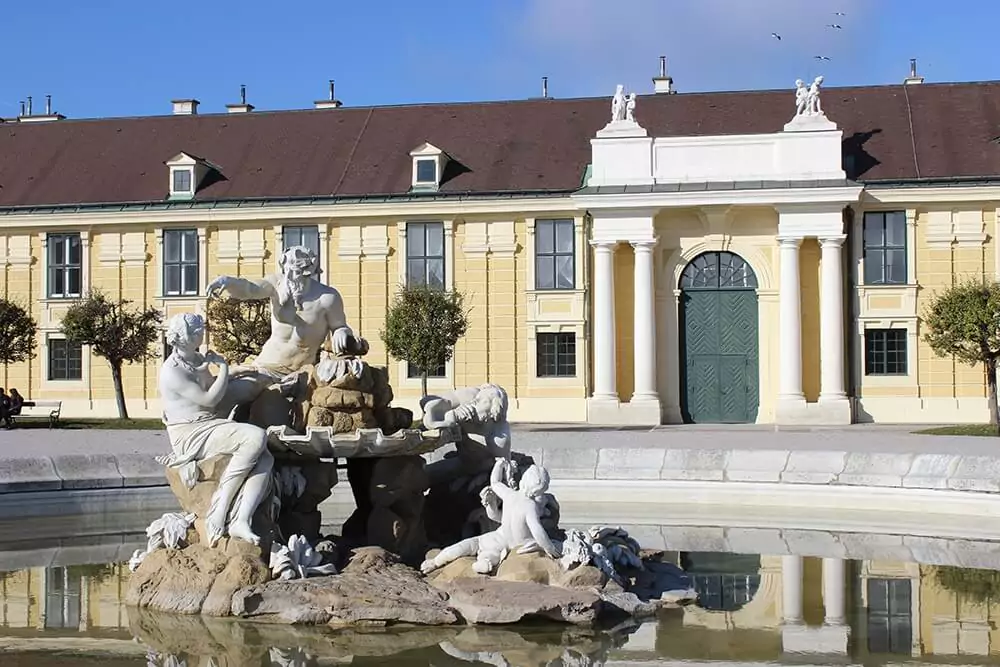
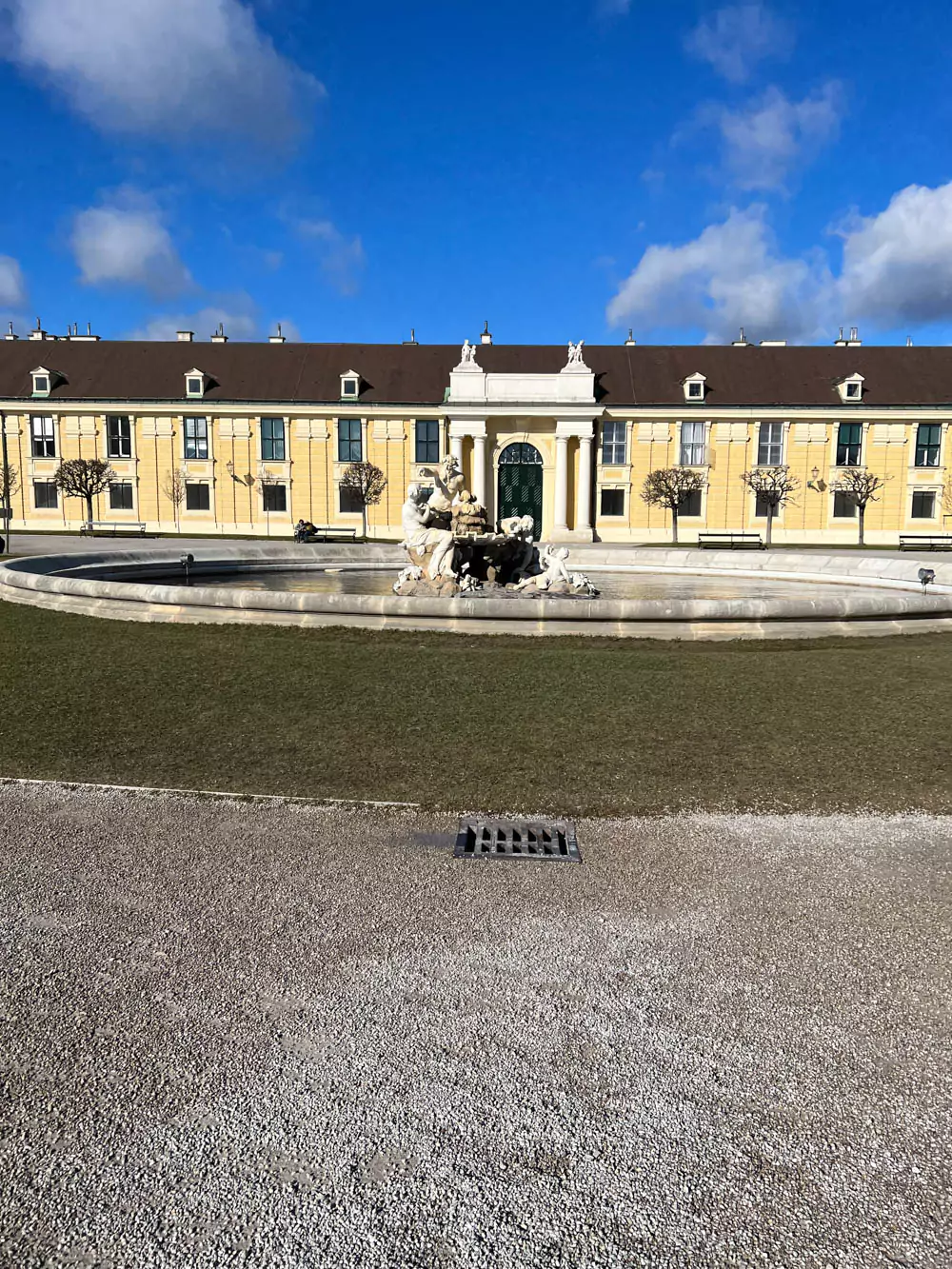
In the Parade Court the figural groups in the basins of the two fountains that can be seen in the veduta paintings by Bernardo Bellotto were replaced in 1776 with new sculptures that were originally intended for the Great Parterre. Executed by Johann Baptist Hagenauer, the statues in the eastern basin represent the kingdom of Galicia and Lodomeria.
Neptune Fountain
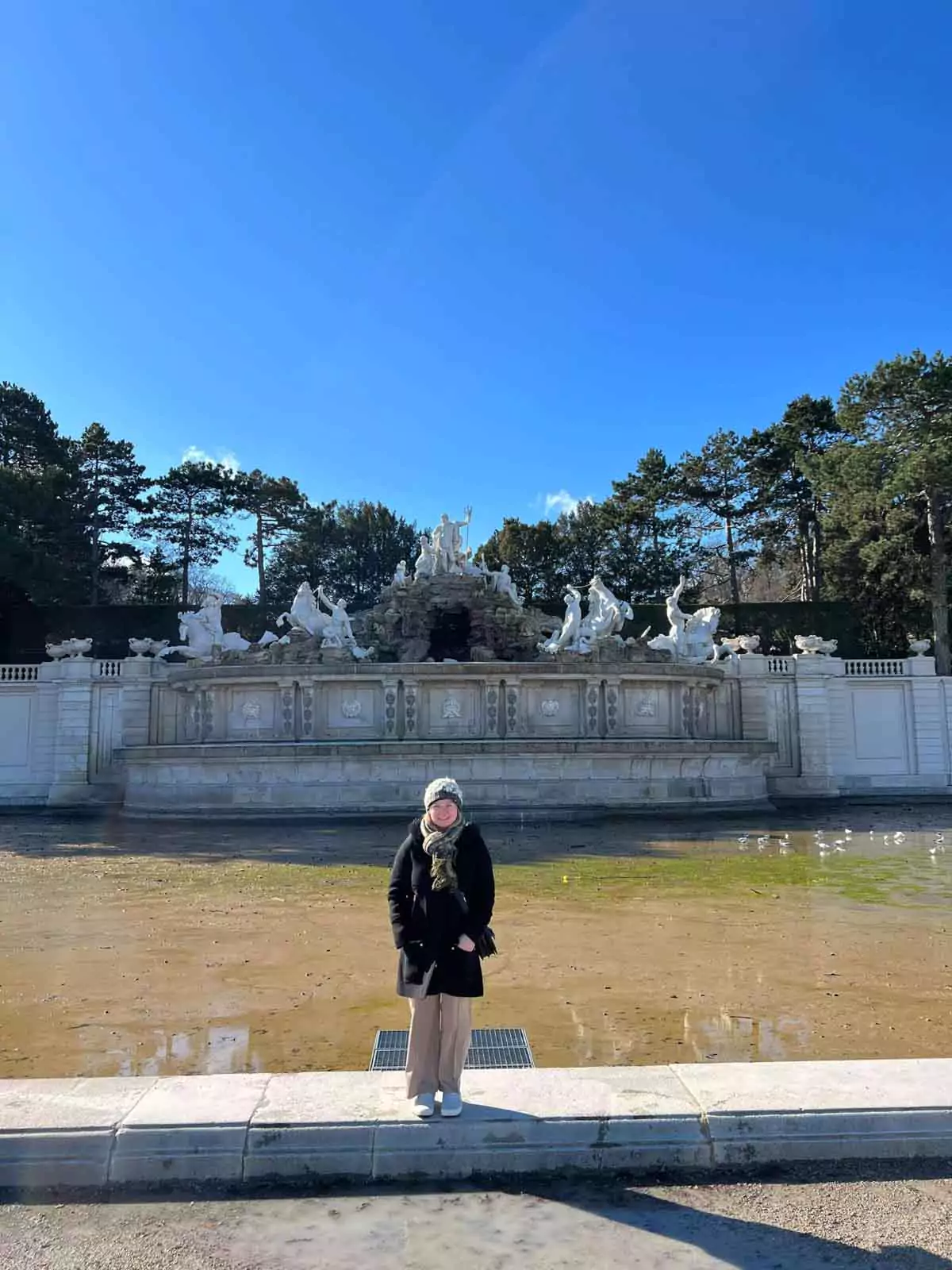
The Neptune Fountain is located at the foot of the Gloriette hill and features a statue of Neptune, the god of the sea, surrounded by dolphins and other sea creatures. The fountain was designed by the architect Johann Ferdinand Hetzendorf von Hohenberg in the 18th century.
Tiergarten Schönbrunn (Vienna Zoo)
Oldest Zoo in the World: Located within the Schönbrunn Palace grounds, the Tiergarten Schönbrunn is the oldest continuously operating zoo in the world, established in 1752. It is home to a wide variety of animals, including giant pandas, and is a popular attraction for families.
Imperial Carriage Museum
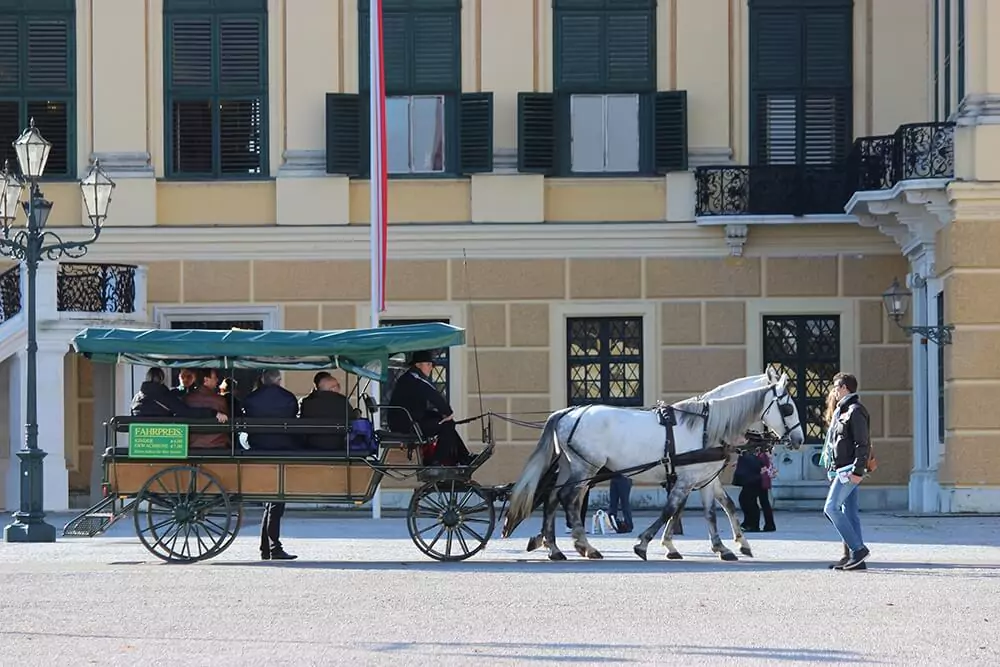
The Imperial Carriage Museum at Schönbrunn Palace, also known as the Wagenburg, is a fascinating museum dedicated to showcasing the grand carriages, sleighs, and other vehicles used by the Habsburgs, one of Europe’s most powerful royal families.
The museum houses an extensive collection of around 170 carriages, including state coaches, coronation carriages, and even children’s carriages. These vehicles were used for various occasions, from everyday transportation to grand ceremonial events.
 |
 |
Is Schönbrunn Palace worth going inside?
Absolutely, going inside Schönbrunn Palace is definitely worth it.
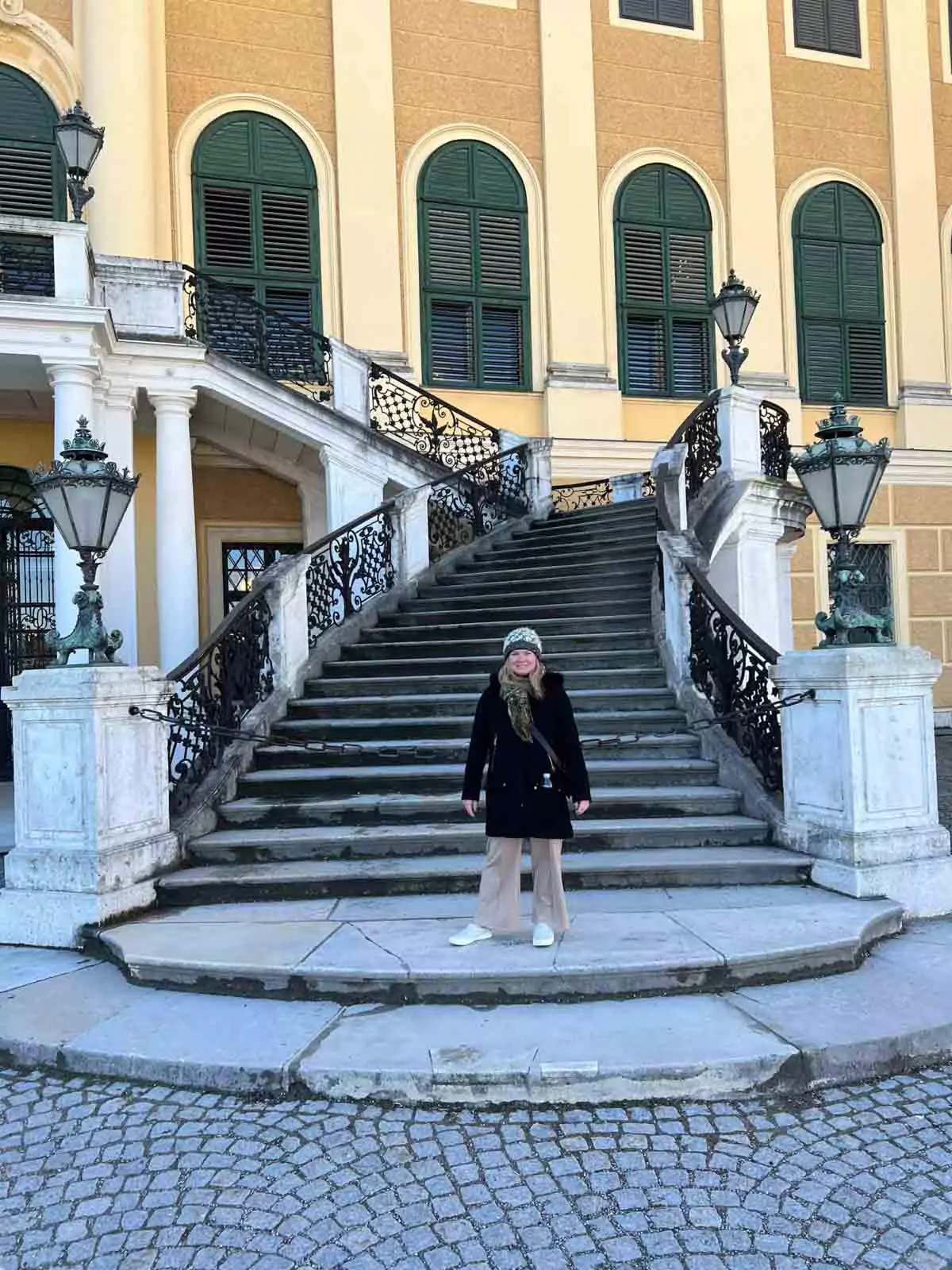
When you step inside Schönbrunn Palace, you get to see how grand and fancy the Habsburg family lived. The rooms are filled with beautiful paintings on the ceilings, shiny gold mirrors, and rich, elegant furniture.
Everything inside shows just how powerful and important this royal family was in Europe. The palace is decorated in a very fancy way, using Baroque and Rococo styles, which makes it look really impressive and special.
How long does it take to see the Schönbrunn Palace?
For a comprehensive visit that includes the palace interior, gardens, and perhaps one or two additional attractions, you should plan on spending about half a day (3 to 5 hours).
If you’re really into history or want to see everything in detail, you might spend a full day (5 to 7 hours).
If you’re on a tighter schedule, you could see the main parts of the palace and a quick tour of the gardens in about 2 to 3 hours.
 |
 |
Tips for visiting Schönbrunn Palace
Visiting Schönbrunn Palace can be a memorable experience, but planning ahead can help you make the most of your visit. Here are some tips to enhance your trip:
- Buy Tickets in Advance: Schönbrunn Palace is a popular destination, so it’s wise to purchase your tickets online ahead of time to avoid long queues. This is especially important during peak tourist seasons.
- Choose the Right Ticket: The palace offers various ticket options, including the Imperial Tour (22 rooms), the Grand Tour (40 rooms), and combination tickets that include access to the gardens, Gloriette, and other attractions. Choose the one that fits your interests and time.
- Vienna Pass: If you plan to explore multiple attractions in Vienna, consider getting the Vienna Pass, which offers access to various sites, including Schloss Schönbrunn.
- Arrive Early or Late: To avoid the crowds, consider visiting early in the morning or later in the afternoon. The palace can get particularly busy around midday.
- Take a Guided Tour: Consider joining a guided tour for a more in-depth understanding of the palace’s history, architecture, and the lives of the Habsburgs. Audio guides are also available in multiple languages.
- Explore the Gardens: The palace gardens are vast and free to enter, so take time to stroll through them. Don’t miss the Gloriette, the Neptune Fountain, the maze, and the Palm House.
- Visit the Zoo: If you’re traveling with children or enjoy wildlife, the Schönbrunn Zoo, located within the palace grounds, is a must-see. It’s the oldest zoo in the world and home to a wide variety of animals.
- Wear Comfortable Shoes: The palace and its grounds are extensive, so be prepared to walk a lot. Comfortable footwear is essential for a pleasant experience.
- Check for Events: Schönbrunn hosts various events throughout the year, including concerts, exhibitions, and special tours. Check the schedule in advance to see if anything coincides with your visit.
- Plan for Lunch: There are several cafes and restaurants within the palace grounds where you can enjoy a meal or a snack. Café Gloriette, located in the Gloriette Pavilion, offers stunning views along with coffee and pastries.
- Photography: While photography is allowed in the gardens and outdoor areas, it’s often restricted inside the palace. Be sure to check the rules to avoid any issues.
- Allow Plenty of Time: Schönbrunn is a large site with much to see, so plan to spend at least half a day exploring the palace and gardens. If you plan to visit the zoo as well, a full day might be necessary.
- Weather Considerations: If you plan to explore the gardens extensively, check the weather forecast. The gardens are best enjoyed on a clear day.
- Rest Breaks: There are plenty of benches and shaded areas in the gardens where you can take a break. Don’t hesitate to relax and soak in the beauty of your surroundings.
- Gift Shop: The palace has several gift shops offering a range of souvenirs, from books and replicas to traditional Austrian crafts. It’s a great place to pick up a memento of your visit.
- Accessible Facilities: The palace offers facilities for visitors with disabilities, including ramps and elevators. Check the palace’s website for specific accessibility information.
- Mind the Time of Year: Different seasons offer different experiences at Schönbrunn. The gardens are in full bloom in spring and summer, while winter offers a quieter, more serene atmosphere. The Christmas market at Schönbrunn is also a highlight in December.
- Avoid Weekends if Possible: Weekends tend to be the busiest times at Schönbrunn. If you have the flexibility, visiting on a weekday might provide a more peaceful experience.
Getting to Schönbrunn Palace
There are several ways to get from Wien Hauptbahnhof to Schonbrunn Palace:
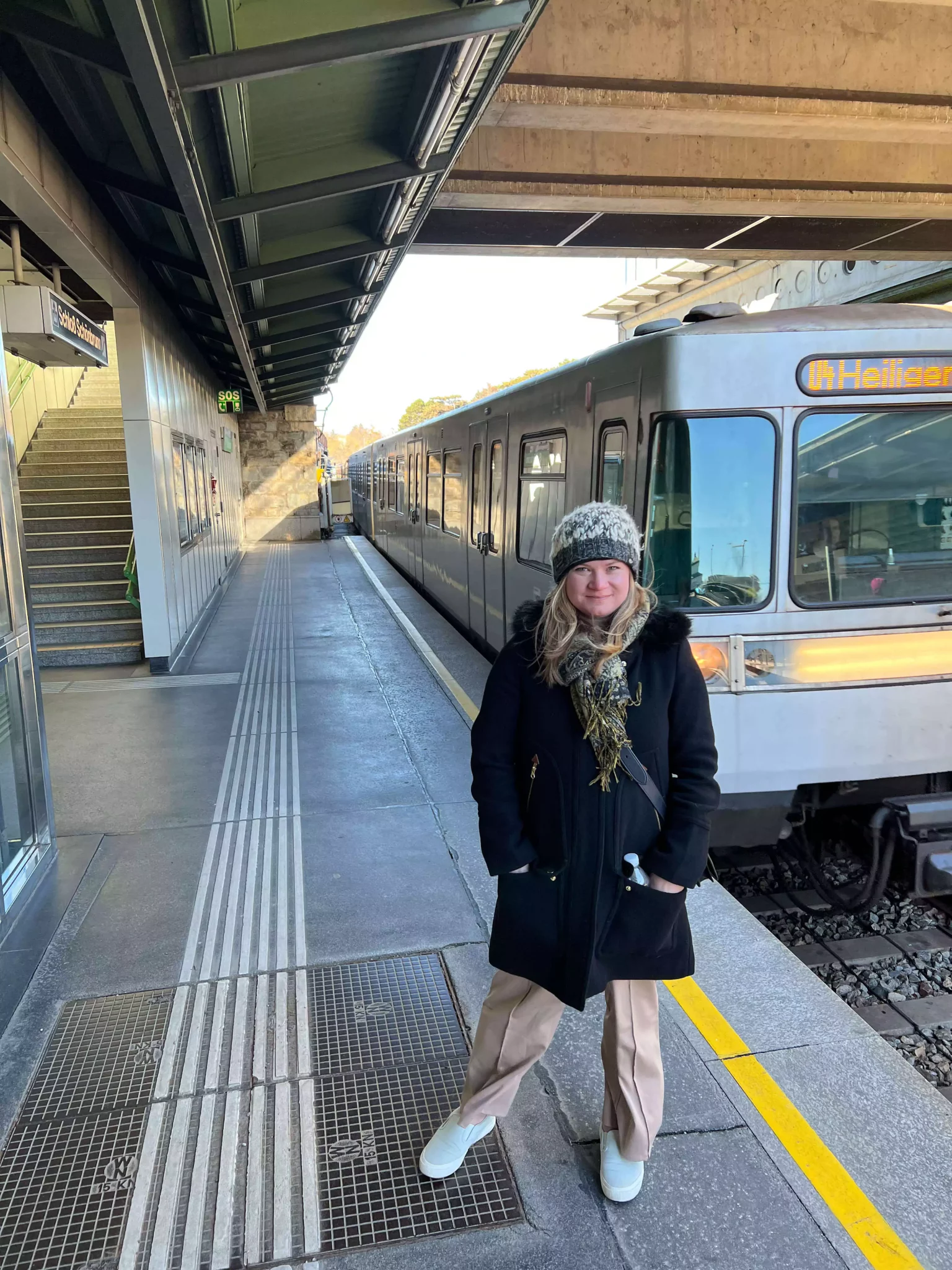
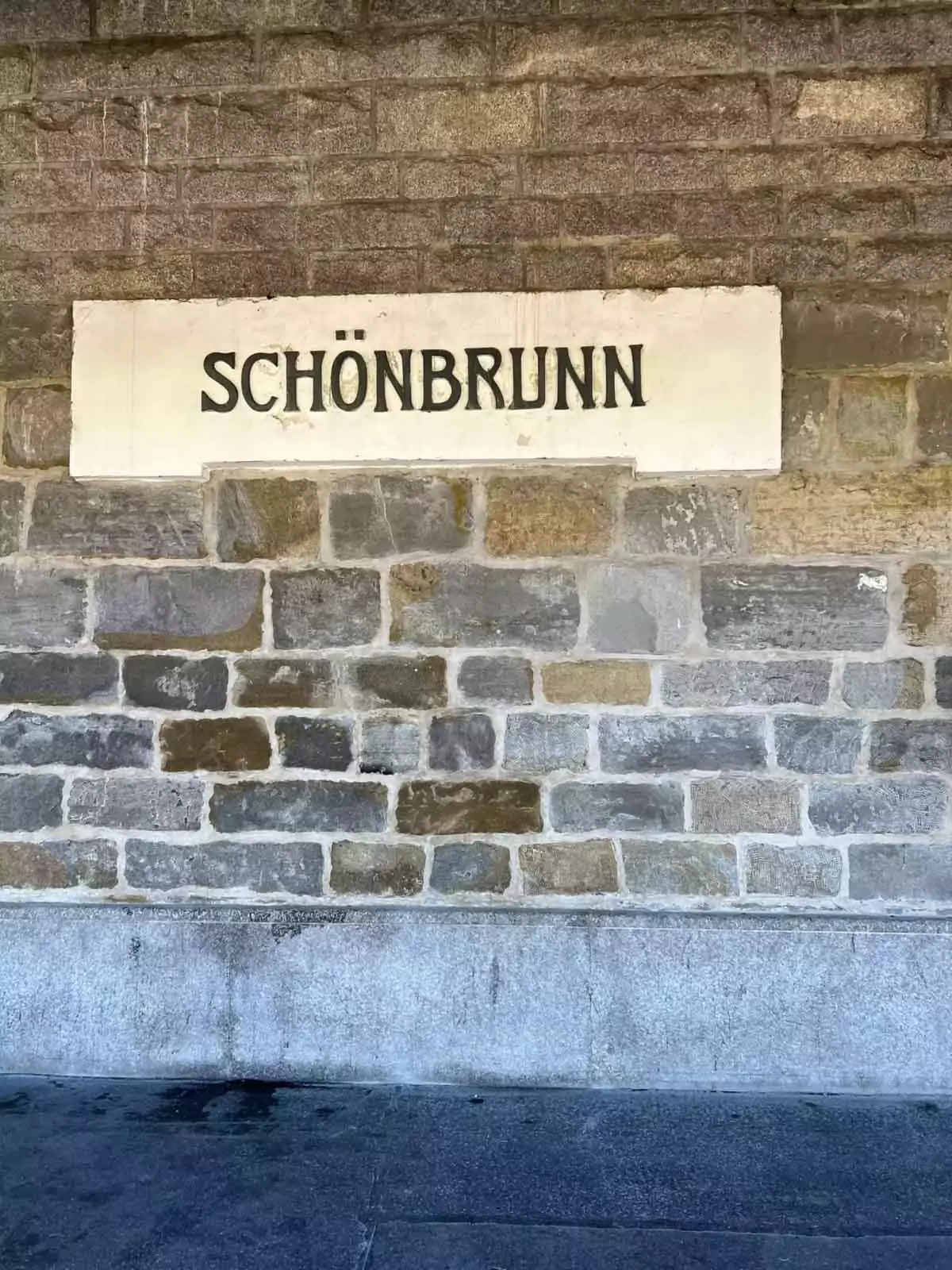
- By subway: You can take the U-Bahn line U1 (red line) towards Oberlaa and get off at the station “Karlsplatz”. There, you can transfer to the U-Bahn line U4 (green line) towards Hütteldorf and get off at the station “Schönbrunn”. The journey takes about 20 minutes and the subway runs every few minutes.
- By tram: You can take the tram line 18 towards Schlachthausgasse and get off at the station “Schönbrunn”. The journey takes about 25 minutes and the tram runs every few minutes.
- By taxi: Taxis are readily available outside the main entrance of Wien Hauptbahnhof. The journey takes about 15 minutes, depending on traffic.
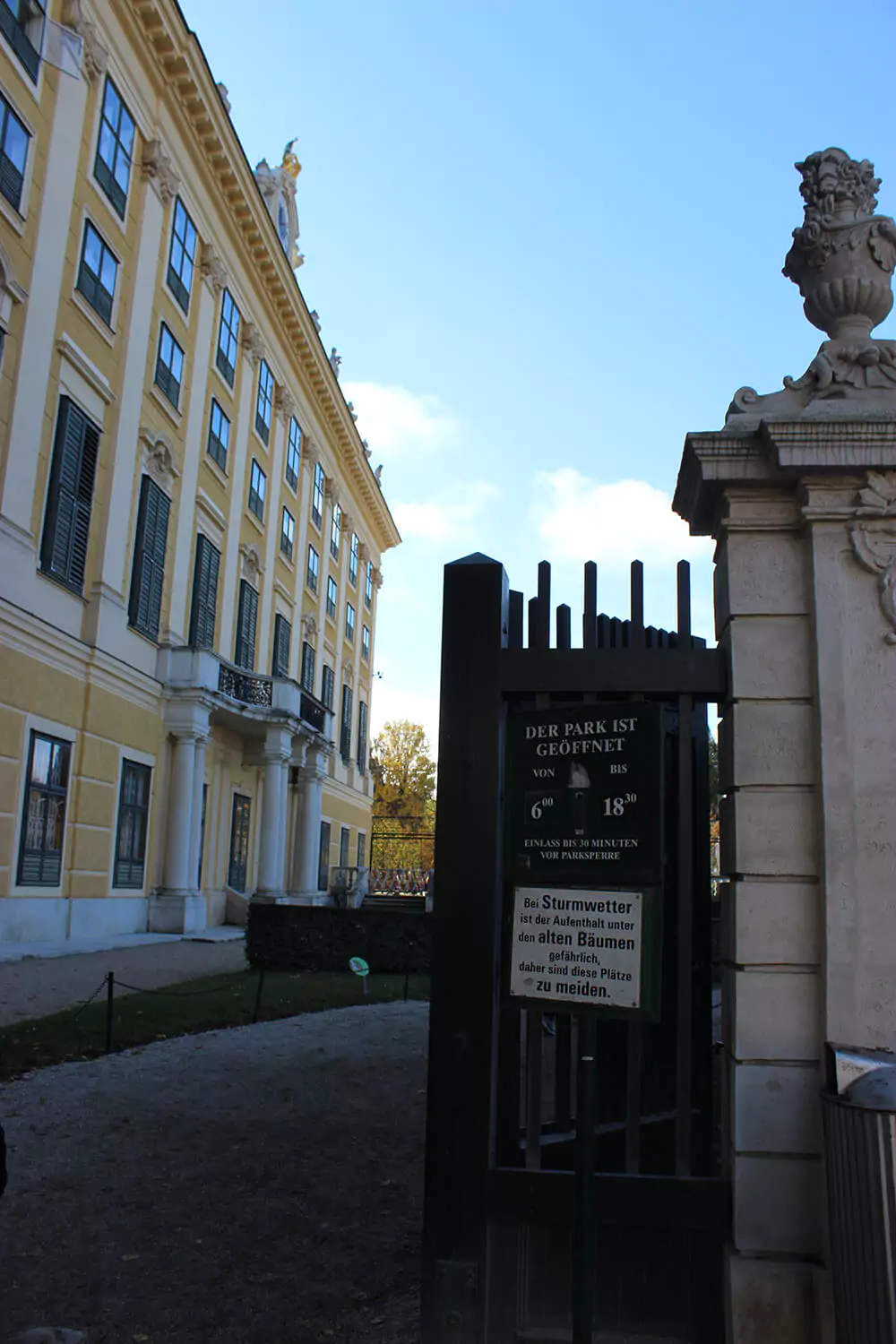
The train comes every 8 minutes and the ride is only 9 minutes (6 stops) and a short walk to the Palace. The gardens are open from 6.30 a.m. to 5.30 p.m. While you have to pay to see the inside of the palace, roaming around the garden is free.
- Hours: Daily from 8:30 a.m. to 5:00 p.m.
- Address: Schönbrunner Schloßstraße 47 1130 Vienna
- Directions: Station Karlsplatz – take the westbound U4 (green) underground line and arrive at Schönbrunn
For more information on the opening times and different sections, you can visit, check out the official site.
Final Thoughts about Schonbrunn Palace
Schönbrunn Palace is famous not only for its grand architecture and historical significance but also for the beauty of its gardens and the cultural experiences it offers.
It’s a place where visitors can step back in time to the age of the Habsburgs, explore stunning Baroque interiors, and enjoy the natural beauty of the expansive palace grounds.
Don’t forget to follow me on Pinterest or Instagram!
Like this post? Share it on Pinterest!
 |
 |
Other posts you might be interested in:
