Visiting Auschwitz & Birkenau: What You Need to Know

Travel With Kinsley contains affiliate links and is a member of the Amazon Services LLC Associates Program, which means I may receive a cute little commission if you purchase through my links, at no extra cost to you. Please read full disclosure for more information.
Auschwitz I and Birkenau II are among the most infamous sites of the Holocaust, representing the largest and most systematic mass murder operation carried out by Nazi Germany during World War II.
Located in Oświęcim, Poland, Auschwitz was a network of concentration and extermination camps where over 1.1 million people, the majority of whom were Jewish, were murdered. Other victims included Poles, Romani people, Soviet prisoners of war, and others deemed “undesirable” by the Nazi regime.

Auschwitz I: The Original Camp & Administrative Center
– Initially used for political prisoners and forced laborers.
– Became the administrative hub of the entire Auschwitz complex.
– Site of early mass executions and medical experiments.
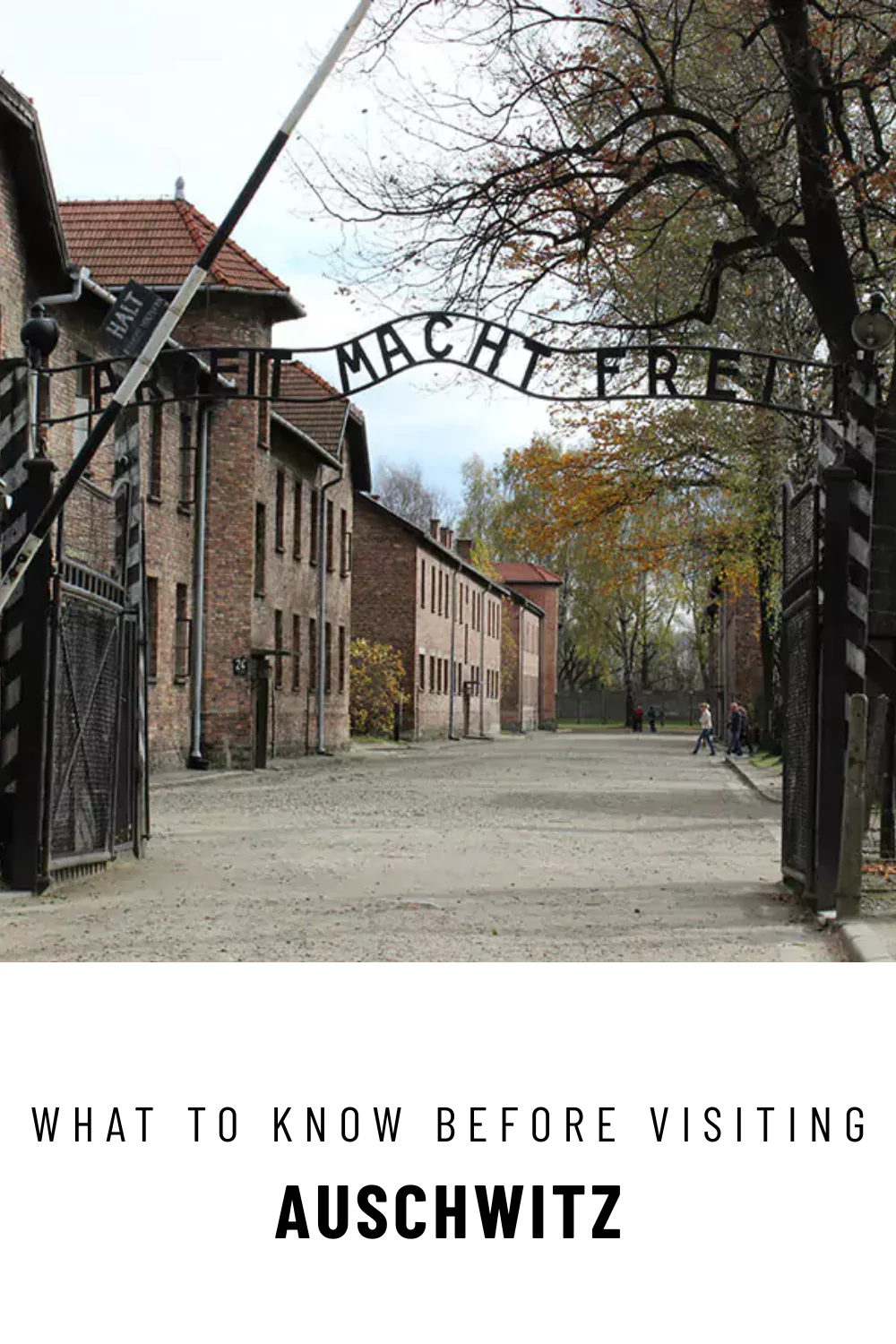
– Features the “Arbeit Macht Frei” (Work Sets You Free) gate and a gas chamber still intact.

Birkenau II (Auschwitz II): The Largest Extermination Site
– Built in 1941 as an extension of Auschwitz I, designed explicitly for mass extermination.
– Included four large gas chambers and crematoria, where hundreds of thousands of victims were murdered upon arrival.
– The site of the iconic railway entrance, where deportees arrived in cattle cars and were subjected to “selection”—immediate execution or forced labor.
Auschwitz stands today as a memorial and museum, serving as a powerful reminder of the consequences of intolerance and inhumanity. A visit to this site is not just a historical experience but a moral responsibility to keep the memory alive and uphold the values of human dignity and peace.
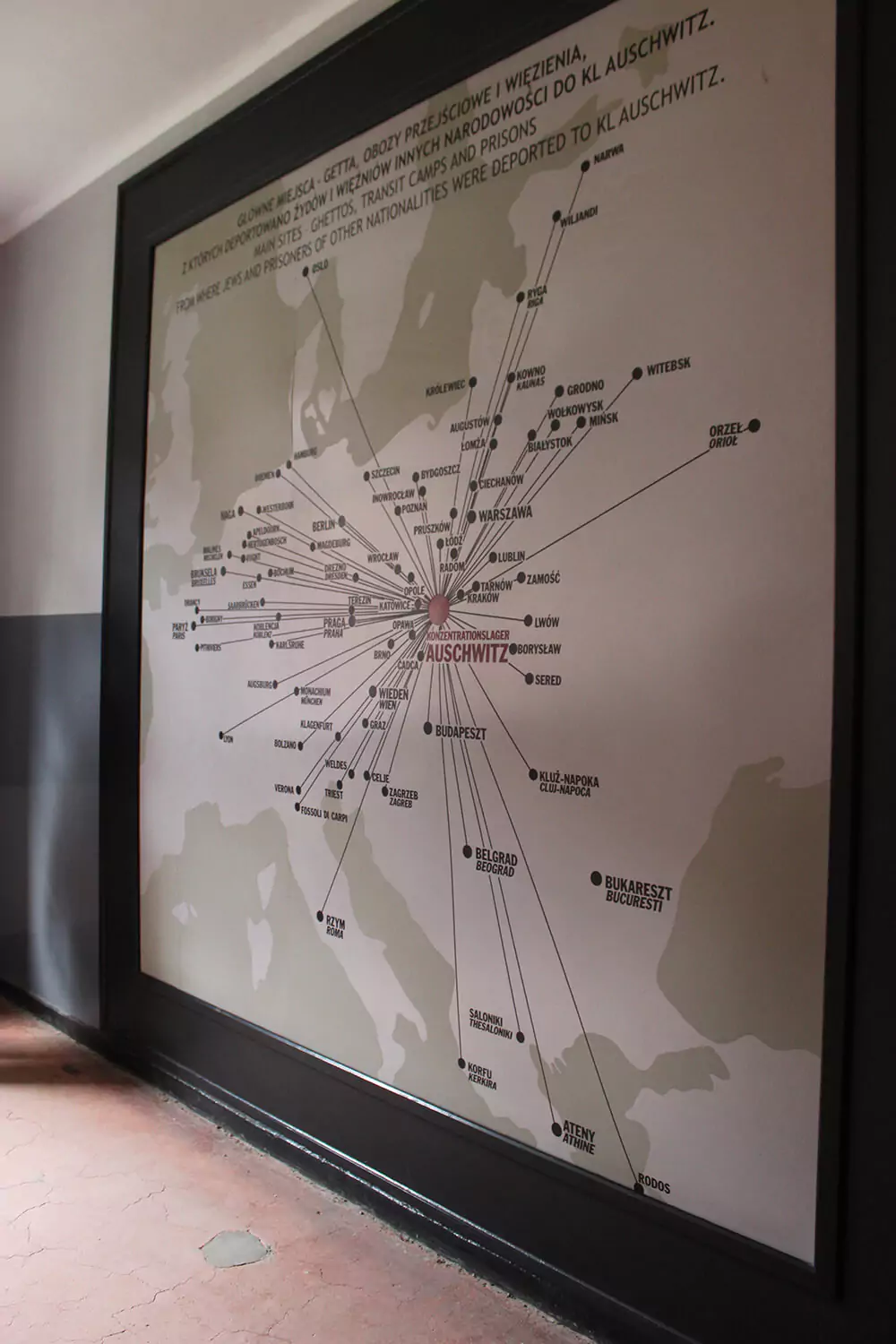
Why Visit Auschwitz? Understanding History, Honoring Victims, and Learning from the Past
Visiting Auschwitz and Birkenau is not a typical travel experience—it’s an act of remembrance, education, and personal reflection. The site stands as a harrowing reminder of the Holocaust, where over a million innocent people perished. But why should one visit?

Understanding History Firsthand
Auschwitz is a place where history becomes tangible. Walking through the barracks, seeing the remnants of personal belongings, and standing in the very spaces where atrocities occurred gives a deeper perspective than any book or documentary ever could.
The visit offers a firsthand look at the mechanisms of genocide, making it crucial for ensuring that history is neither forgotten nor repeated.

Honoring the Victims and Survivors
Paying respects at Auschwitz is a way to acknowledge the millions of lives lost and the resilience of survivors.
Seeing sites like the execution wall, gas chambers, and mass graves makes the scale of suffering heartbreakingly real.
By visiting, you are helping to preserve the memory of those who suffered, ensuring their stories remain part of global consciousness.

Learning Lessons for the Future
Auschwitz serves as a powerful warning against hatred, discrimination, and authoritarianism.
It encourages critical thinking about human rights, the consequences of unchecked power, and how prejudice can escalate into genocide.
Visitors leave with a sense of moral responsibility to fight against ignorance, bigotry, and intolerance in today’s world.
Visiting Auschwitz is a deeply emotional experience, but it is also an essential one. It is not about dark tourism—it is about bearing witness, gaining knowledge, and ensuring that history’s worst horrors are never repeated.
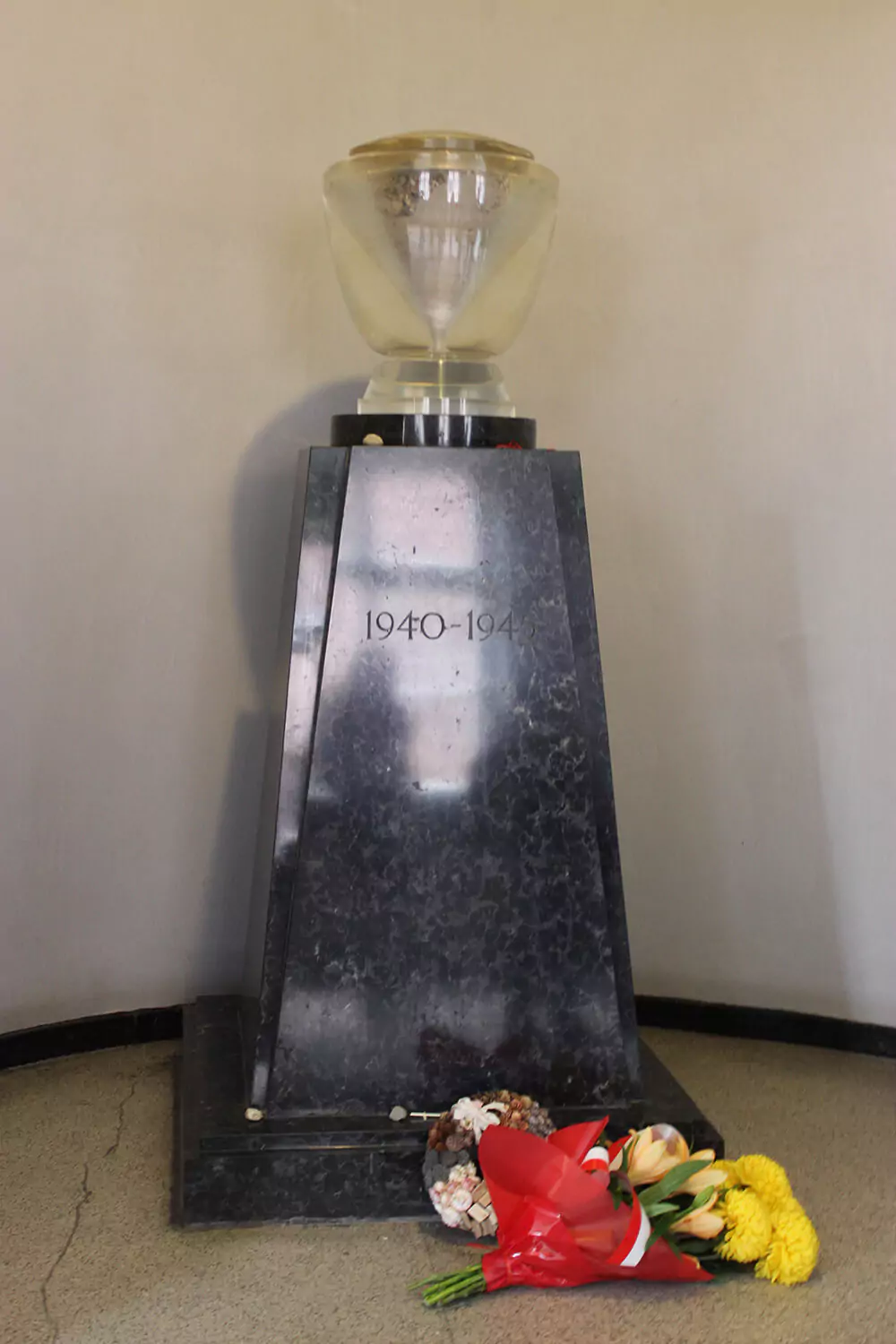
The Importance of Visiting with Respect and Awareness
Visiting Auschwitz is not like visiting other historical landmarks or tourist attractions—it is a memorial and a place of remembrance. It requires respect, reflection, and a willingness to confront one of history’s darkest chapters.
Understanding History: Auschwitz is a symbol of the Holocaust and serves as a reminder of the consequences of hatred, discrimination, and totalitarianism. A visit offers a powerful education on how and why these atrocities occurred.
Honoring Victims: Walking through Auschwitz is a way to pay tribute to the lives lost. The personal belongings displayed—shoes, suitcases, and even hair—humanize the victims, making their suffering more tangible.
Learning from the Past: As the number of Holocaust survivors declines, Auschwitz stands as a lasting testament to history, ensuring that the world does not forget. In today’s world, where intolerance and misinformation still exist, visiting Auschwitz reinforces the importance of tolerance, truth, and human rights.
Auschwitz Is Not Just a Place to Visit – It’s a Place to Remember
Visitors should approach Auschwitz with solemnity and responsibility. Photography should be taken only where permitted, selfies and loud conversations should be avoided, and an attitude of reverence should be maintained throughout the visit. By visiting with awareness, empathy, and respect, we ensure that the memory of those who suffered and perished is never forgotten.

Practical Information for Visitors
Visiting Auschwitz requires careful planning to ensure a meaningful and smooth experience. Below are essential details to help you organize your trip effectively.
How to Get There
From Kraków (~70 km)
Kraków is the most convenient base for visiting Auschwitz. Several transportation options are available:
- Train: Direct trains from Kraków Główny to Oświęcim take approximately 1.5 hours. From Oświęcim station, it’s a 25-minute walk or a short taxi ride to the museum.
- Bus: Public buses and private shuttle buses run from Kraków’s main bus station. The journey takes 1.5 to 2 hours, depending on traffic.
- Guided Tours: Many companies in Kraków offer organized day trips to Auschwitz, which include transportation, a guided tour, and sometimes lunch. This is the most convenient option for those who prefer a structured experience.
- Private Car: If you prefer flexibility, renting a car allows you to drive from Kraków to Auschwitz in about 1 hour and 15 minutes. Parking is available near the site.
From Warsaw (~320 km)
Visiting Auschwitz from Warsaw in a single day is challenging but possible. The best route is:
- Train to Kraków: The fastest trains take ~2.5 hours from Warsaw Central to Kraków Główny.
- Continue to Auschwitz: From Kraków, use any of the transport options mentioned above (train, bus, guided tour, or private car).
Alternatively, some tour companies offer direct day trips from Warsaw, though these involve long travel times (12+ hours round trip) and are more expensive.
Ticketing & Entry
Do You Need to Book in Advance?
Yes, advance booking is highly recommended, especially in peak seasons (spring and summer). Tickets often sell out weeks in advance, so book as early as possible.
- Tickets can be reserved online through the official website:
👉 https://visit.auschwitz.org/ - While same-day entry may be available, it’s not guaranteed, especially for guided tours.
Guided Tour vs. Self-Guided Visit
Both options provide a meaningful experience, but they have distinct advantages:
Guided Tour (Recommended for first-time visitors)
✅ Includes a professional guide trained in Holocaust history.
✅ Provides in-depth explanations of exhibits and locations.
✅ Available in multiple languages.
✅ Typically lasts 3.5–4 hours covering Auschwitz I and Birkenau.
❌ Limited flexibility—you must follow the group schedule.
❌ Can feel emotionally overwhelming due to the amount of information shared.
Self-Guided Visit
✅ Offers freedom to explore at your own pace.
✅ Ideal for those who prefer quiet reflection rather than structured explanations.
✅ Entry is free without a guide, but audio guides are available for rent.
❌ No on-site explanations unless you use an audio guide or printed materials.
❌ Some areas may be difficult to interpret without context.
Entry Fees
- With a guided tour: Prices vary by language but typically cost 60–90 PLN ($15–$22 USD) per person.
- Self-guided entry: Free, but advance booking is still required.
- Discounts: Available for students, seniors, and educators.

Best Time to Visit
Seasonal Variations
- Spring & Summer (April–September):
- Longer daylight hours, but very crowded.
- Hot weather, especially in July and August.
- Best to visit early in the morning to avoid peak crowds.
- Fall & Winter (October–March):
- Fewer tourists, making for a more solemn and reflective visit.
- Colder temperatures, especially in winter (often below freezing).
- Snowfall adds an even more haunting atmosphere, closer to how it was during WWII.
Best Times for Smaller Crowds
- Early morning (first entry slots at 7:30–8:00 AM).
- Weekdays (Tuesdays–Thursdays are less crowded than weekends).
- Off-season months (November–March) for a more contemplative experience.
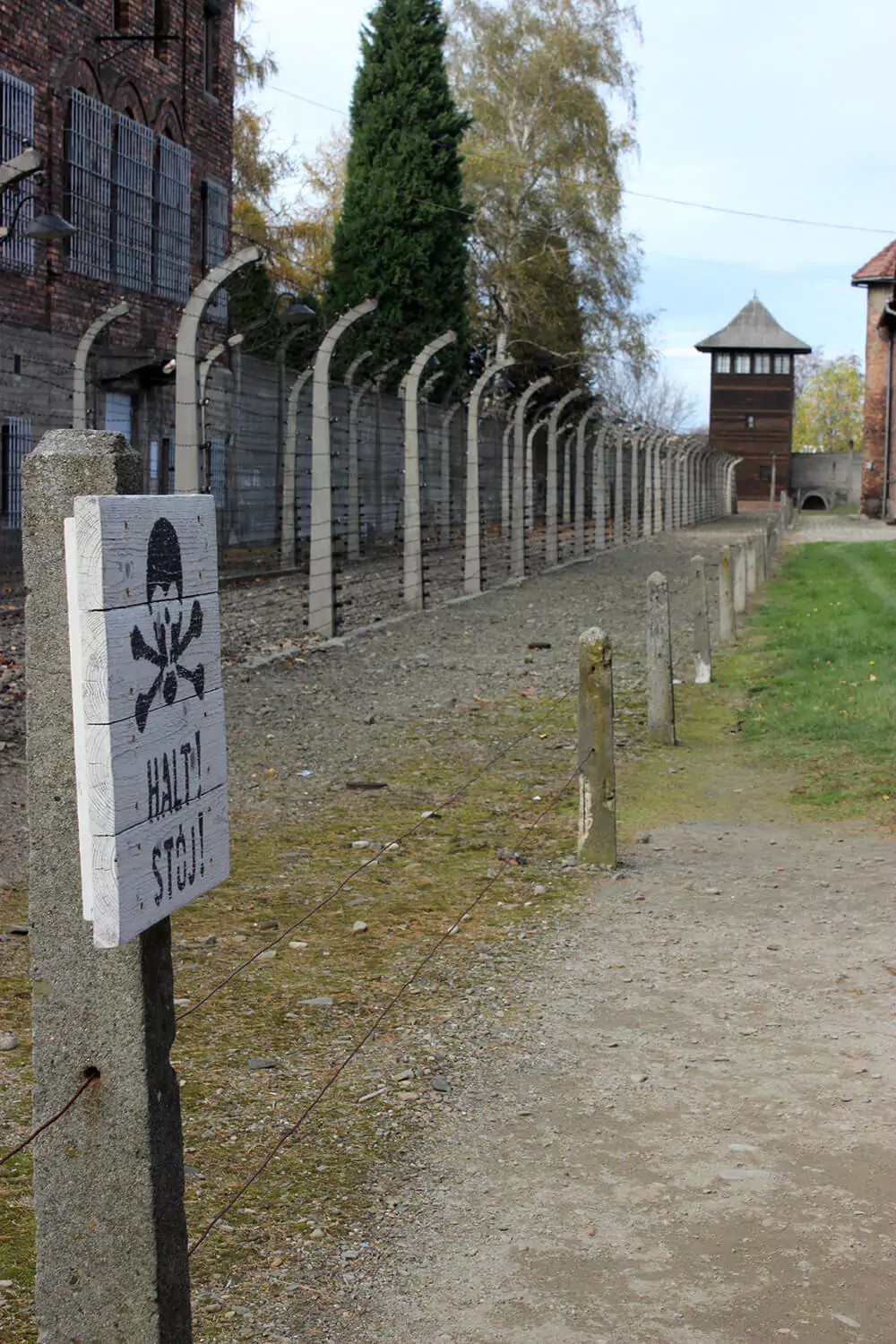
Rules & Regulations
What Is Not Allowed?
- Large bags and backpacks (larger than 30x20x10 cm).
- Food and drinks (except bottled water).
- Loud conversations, music, or phone calls inside museum buildings.
- Selfie sticks and tripods (some photography is restricted—see below).
Photography Restrictions
- Photography is allowed, but flash and tripods are prohibited.
- Inside certain barracks and exhibits (e.g., rooms with victims’ belongings), photography is strictly forbidden.
- No posing or smiling in photos—this is a place of remembrance.
Dress Code & Conduct
While there is no official dress code, visitors should dress modestly and respectfully, similar to visiting a place of worship or a memorial site.
- Wear comfortable shoes—there’s a lot of walking on uneven terrain.
- Dress for the weather (winters are extremely cold; summers can be hot).
- Avoid loud, inappropriate clothing (graphic t-shirts, flashy accessories, etc.).
Why Silence and Proper Conduct Are Essential
- Auschwitz is not a tourist attraction but a site of genocide and mourning.
- Many survivors and their families visit—showing respect is crucial.
- Visitors should move quietly, avoid laughter or casual conversations, and refrain from inappropriate behavior, such as taking selfies at gas chambers.
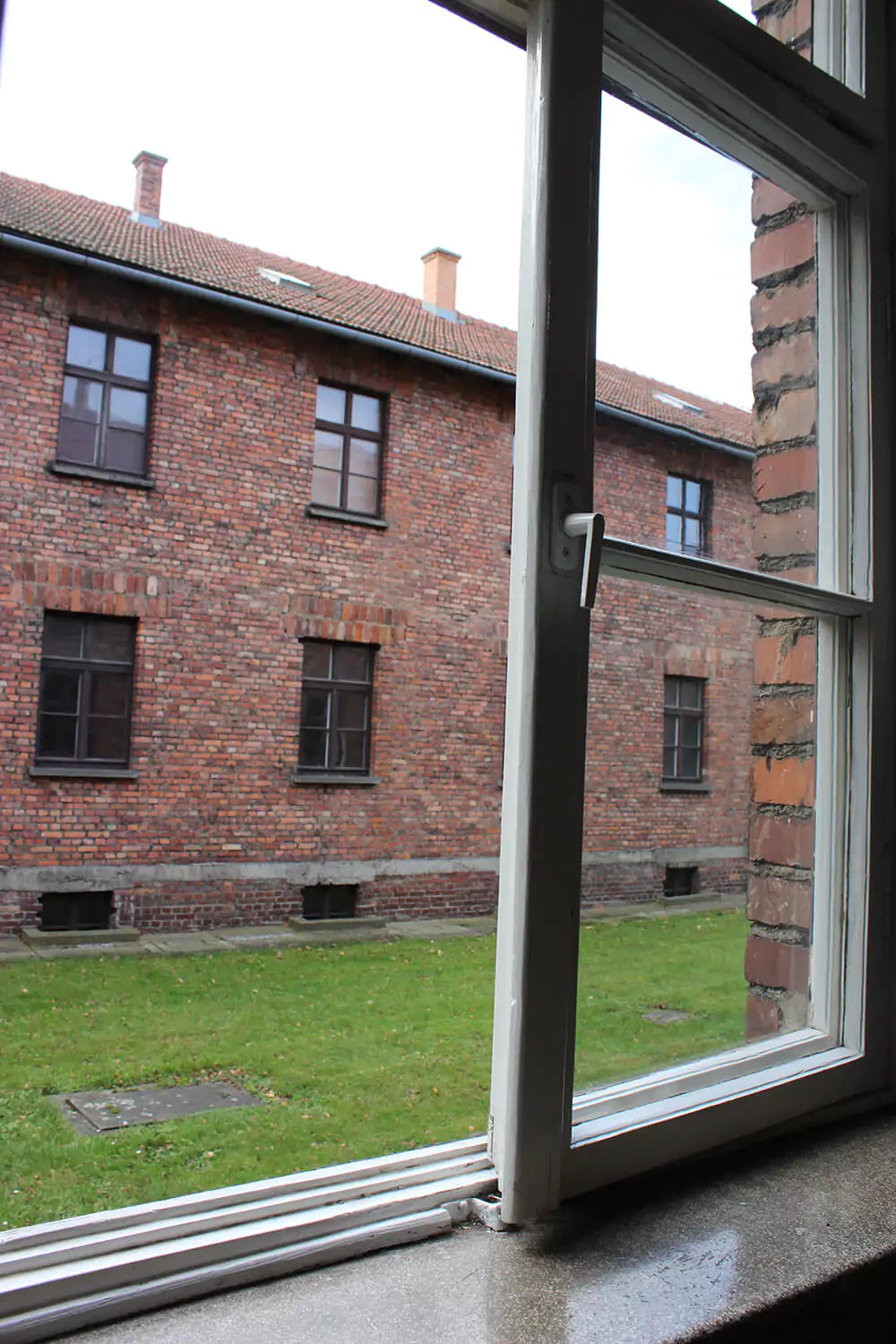
What to Expect During the Visit
Visiting Auschwitz I and Birkenau II (Auschwitz II) is an intense and emotional experience. Both sites serve as a stark reminder of the Holocaust, where over 1.1 million people perished. While Auschwitz I primarily functioned as a concentration camp, Birkenau was designed as an extermination site, making them distinct yet interconnected parts of history.
Auschwitz I: The Original Camp
Auschwitz I, established in 1940, was the first camp in the Auschwitz complex. It initially housed Polish political prisoners before expanding to include Jewish detainees and others persecuted by the Nazis. Today, it serves as a museum and memorial, preserving history through exhibits and preserved structures.
Main Sights in Auschwitz I:
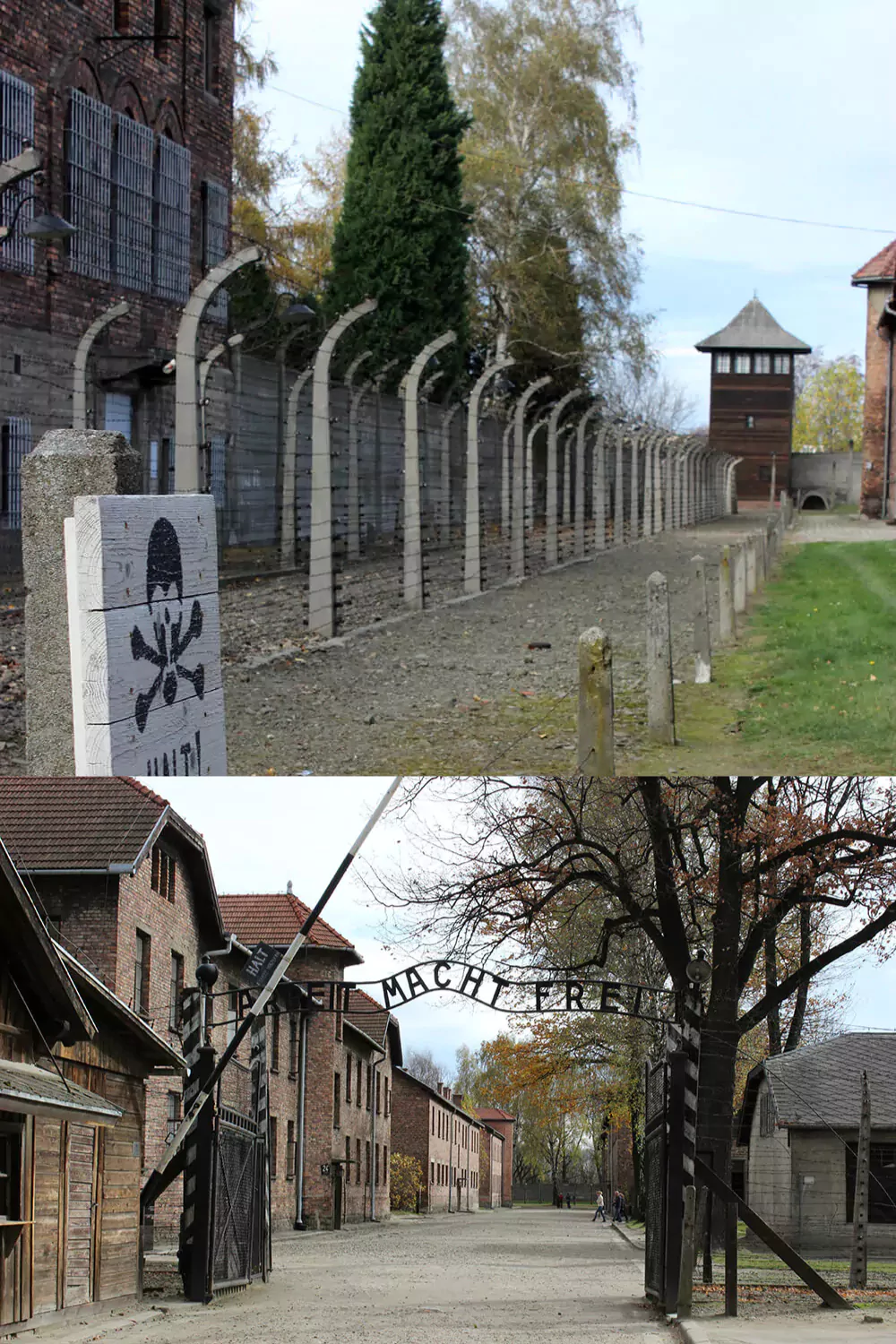
1. The “Arbeit Macht Frei” Gate
Upon entering Auschwitz I, visitors pass under the infamous “Arbeit Macht Frei” (Work Sets You Free) gate. This deceptive slogan was intended to give prisoners false hope, masking the brutality that awaited inside.

2. The Prison Blocks & Exhibits
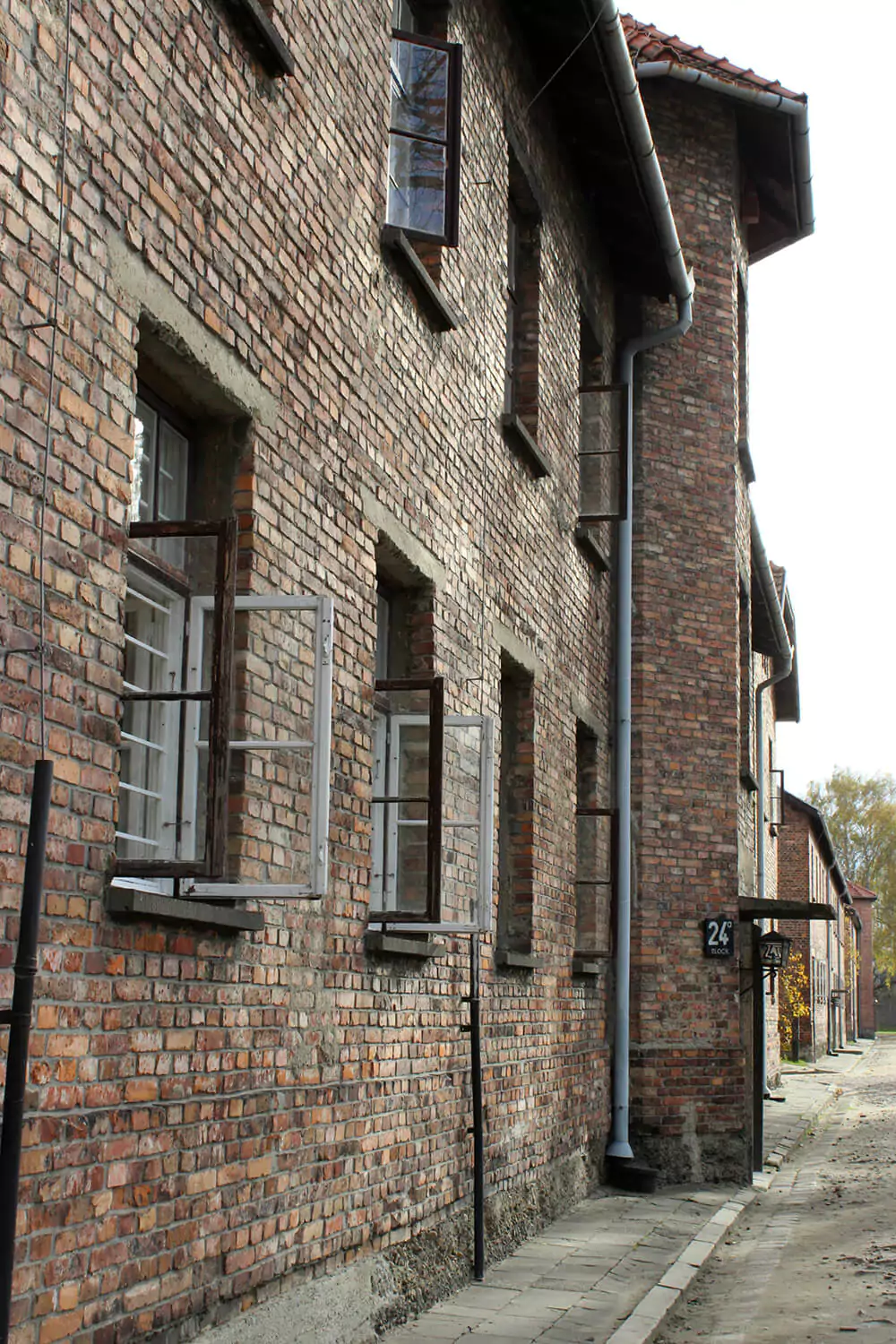
Many of the brick barracks (Blocks) have been converted into museum exhibitions that provide historical context. Notable blocks include:
Block 11 – The “Death Block”: Used for interrogations, torture, and executions, this block housed prisoners in standing cells where they were forced to remain upright for days. The basement contains dark cells where prisoners were left to suffocate or die from starvation.

Block 5 – Personal Belongings of Victims: A haunting exhibit displaying piles of confiscated shoes, glasses, suitcases, and human hair, reflecting the scale of Nazi looting and cruelty.
Block 27 – The Jewish Pavilion: Dedicated to the history of Jewish victims, featuring survivor testimonies and personal accounts.

3. The Execution Wall
Located between Blocks 10 and 11, this wall was used for executing thousands of prisoners, primarily Polish resistance members. Flowers and candles are often left here by visitors paying their respects.


4. The Gas Chamber & Crematorium
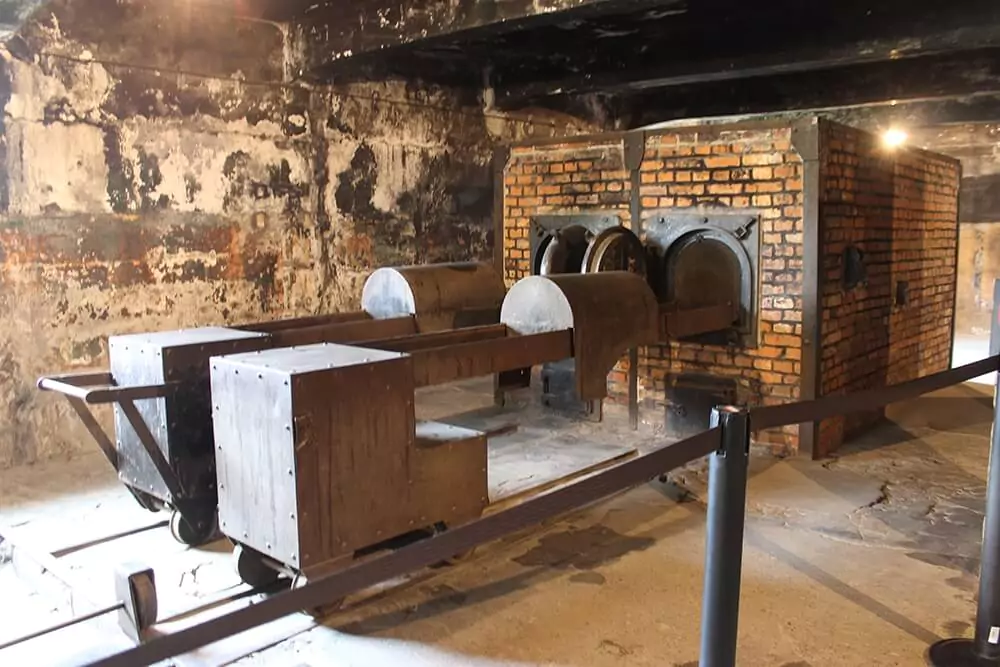
Auschwitz I originally had one gas chamber, which was later decommissioned when mass killings were moved to Birkenau. Visitors can walk through this chilling structure, where Zyklon B gas was used to murder thousands. The adjacent crematorium furnaces were used to burn the bodies of victims.

5. Museum Displays & Memorials
The Auschwitz Museum provides extensive documentation of the camp’s history, including:
- Photos of victims upon arrival.
- Documents detailing transport lists.
- Eyewitness testimonies from survivors.
💡 Tip: Many visitors find Auschwitz I more informative due to the museum exhibits, but also deeply overwhelming due to the personal items and stories on display.

Auschwitz II – Birkenau: The Extermination Camp
Auschwitz II, commonly known as Birkenau, was constructed in 1941 as an extermination camp designed for mass murder. Unlike Auschwitz I, which had a more structured layout, Birkenau spans over 400 acres, giving visitors a sense of the vast scale of Nazi operations.
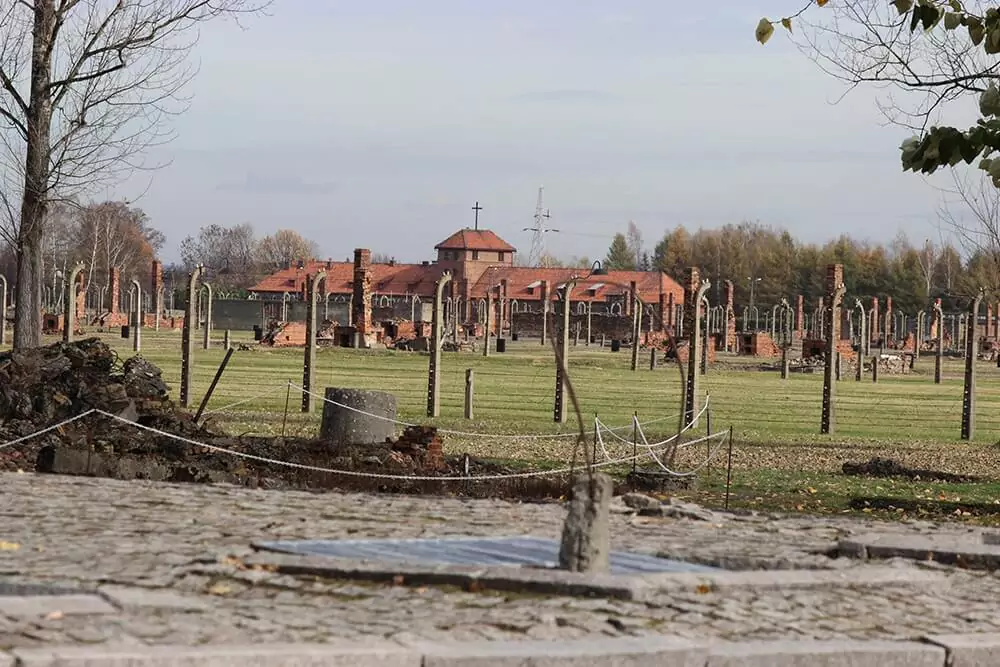
What Makes Birkenau Different?
- Massive Size: Unlike the compact Auschwitz I, Birkenau is an expansive open field with long rows of barracks and ruins stretching into the distance.
- Train Tracks & Platform: The railway entrance gate and unloading ramp are where victims were selected upon arrival—most were sent directly to the gas chambers.
- Ruins of Gas Chambers & Crematoria: Unlike Auschwitz I, Birkenau had four large gas chambers, which could murder thousands of people daily. The Nazis destroyed these buildings in 1945 to cover up evidence, but their ruins remain as a haunting reminder.
- Primitive Wooden Barracks: Unlike Auschwitz I’s brick buildings, Birkenau’s barracks were poorly insulated wooden structures, originally designed for horses but repurposed to hold hundreds of prisoners in horrific conditions.

Main Sights in Birkenau:
1. The Railway Entrance Gate (“Gate of Death”)
The towering red-brick watchtower is the most recognizable symbol of Birkenau. It looms over the railway tracks, which were used to transport over one million Jews, Romani people, and other victims to their deaths.

2. The Train Tracks & Selection Platform
Upon arrival, prisoners were lined up on the platform, where Nazi officers performed “selection”—those deemed “fit for labor” were sent to barracks, while the rest (mostly women, children, the elderly, and the sick) were sent directly to the gas chambers.
💡 Tip: Visitors often pause here in silent reflection, imagining the tragic moments that took place where they stand.

3. The Ruins of the Gas Chambers & Crematoria
Birkenau had four large gas chambers (Crematoria II, III, IV, and V), which could each kill thousands per day. The Nazis dynamited these buildings in 1945, but the remains still exist, serving as evidence of the Holocaust.
- Visitors can walk through these ruins, including collapsed concrete walls and the entryways where victims unknowingly walked to their deaths.
- Some of the ovens used for cremation are still partially intact.
💡 Tip: This area is particularly haunting and emotionally heavy—many visitors find it the most difficult part of the visit.


4. The Wooden Barracks
The surviving barracks demonstrate the inhumane living conditions prisoners endured:
- Cramped wooden bunks stacked three levels high, often holding 6-8 people per level.
- No heating or proper sanitation, causing extreme suffering in both summer and winter.
- Some barracks remain open for visitors, while others are collapsed ruins due to poor construction.
5. The International Monument to Victims of Fascism
Located between the ruins of the crematoria, this large stone memorial was erected in 1967. It features plaques in over 20 languages, symbolizing the international impact of Auschwitz and the diverse backgrounds of its victims.
💡 Tip: Many visitors leave flowers or stones here as a sign of remembrance.

How to Prepare Mentally for the Visit
Acknowledge the Emotional Weight
Before your visit, take a moment to understand that Auschwitz is not just a museum or a historical landmark—it is a site of genocide, suffering, and human tragedy. The visit will expose you to stories of unimaginable cruelty, loss, and resilience. Being mentally prepared will help you navigate these difficult emotions.
Research Before You Go
While tour guides provide historical context, having prior knowledge can help you absorb the experience more fully.
- Read about the history of Auschwitz and the Holocaust to understand what took place.
- Learn about the personal stories of survivors to make the experience more human and relatable.
- Understand the layout of the camps so you know what to expect.
Set Realistic Expectations
- You will see distressing images and artifacts (e.g., personal belongings of victims, execution sites, gas chambers).
- You may witness other visitors’ emotional reactions, including tears or moments of silence.
- There will be places where photography is prohibited to maintain respect.
- The experience can feel overwhelming and difficult to put into words—this is completely normal.

Resources for Deeper Understanding
Books by Survivors
- “Night” – Elie Wiesel (a personal memoir of surviving Auschwitz and Buchenwald).
- “Survival in Auschwitz” – Primo Levi (a firsthand account of life in Auschwitz).
- “I Was Doctor Mengele’s Assistant” – Dr. Miklós Nyiszli (memoir of a Jewish doctor forced to assist in Auschwitz).
- “The Tattooist of Auschwitz” – Heather Morris (historical fiction based on real survivor testimony).
Documentaries & Films
- “Auschwitz: The Nazis and ‘The Final Solution’“ (BBC) – A detailed documentary series on Auschwitz.
- “Shoah” (1985) – A nine-hour documentary featuring survivor testimonies.
- “Schindler’s List” (1993) – A powerful dramatization of the Holocaust and Auschwitz.
- “The Pianist” (2002) – The true story of a Jewish musician’s survival in Nazi-occupied Poland1 Day in Kraków, Poland: A Perfect Itinerary.
Museums & Online Resources
- Auschwitz-Birkenau State Museum – https://www.auschwitz.org/
- United States Holocaust Memorial Museum – https://www.ushmm.org/
- Yad Vashem (The World Holocaust Remembrance Center) – https://www.yadvashem.org/
💡 Tip: If you find the visit emotionally heavy, watching survivor interviews afterward can help humanize the history and provide personal perspectives on resilience and hope.

Additional Travel Tips for Visiting Auschwitz
A visit to Auschwitz I and Birkenau II requires practical preparation to ensure a smooth and respectful experience. Below are essential travel tips on what to bring, where to eat, and where to stay.
What to Bring
Since Auschwitz is an extensive site with hours of walking and exposure to outdoor elements, it’s important to pack appropriately.
✔️ Must-Have Items
👟 Comfortable Walking Shoes – The terrain is uneven, and you’ll walk several kilometers between sites. Avoid heels or dress shoes.
🧥 Weather-Appropriate Clothing – Auschwitz has no shelter from the elements, so prepare accordingly:
- Winter (Nov–March): Freezing temperatures and snow. Wear warm layers, gloves, a hat, and waterproof boots.
- Summer (June–Sept): Hot weather with little shade. Wear lightweight, breathable clothing and sunscreen.
- Rainy Season (April–May, Oct): Bring a raincoat or compact umbrella.
💧 Water & Snacks – There are no food vendors inside Auschwitz. Eating is prohibited within the memorial area, but you can carry water and eat outside the camp in designated areas.
📖 Notebook & Pen – Many visitors find writing down reflections or feelings after the visit helpful for processing the experience.
🎧 Headphones (if using an audio guide) – Auschwitz offers self-guided audio tours, and bringing personal headphones enhances the experience.
💡 Tip: Avoid large bags – The museum prohibits backpacks larger than 30x20x10 cm. Pack light or use a small crossbody bag.
Where to Eat Nearby
Since eating inside the Auschwitz camp is not allowed, plan your meals before or after your visit.
🍽️ Restaurants Near Auschwitz (Oświęcim)
- Auschwitz Restaurant (5-minute walk) – Offers Polish and European dishes with a calm atmosphere.
- Portobello Ristorante (1 km away) – Italian food and good for a quiet, post-visit meal.
- Dąbrowski Smaki – Traditional Polish cuisine at reasonable prices.
🍽️ Eating in Kraków (If Traveling from There)
If you’re staying in Kraków, consider having breakfast before you leave or a meal when you return.
- Milkbar Tomasza – A budget-friendly Polish diner serving hearty breakfasts.
- Pod Wawelem – A well-known restaurant near Wawel Castle, serving classic Polish dishes.
💡 Tip: If you’re on a guided tour, you may have limited time for lunch, so bringing a light snack and water is recommended.
Alternative Accommodations: Staying in Kraków vs. Oświęcim
🏨 Staying in Kraków (Recommended for Most Visitors)
Kraków is the best base for visiting Auschwitz due to its historic charm, dining options, and accessibility.
✅ More hotel and hostel options across all budgets.
✅ Cultural attractions (Wawel Castle, Schindler’s Factory, Jewish Quarter).
✅ Easy access to public transport and organized day tours to Auschwitz.
📍 Where to Stay in Kraków:
- Budget: Greg & Tom Hostel – Highly rated, social atmosphere.
- Mid-Range: Vienna House Andel’s – Great location near Kraków Główny train station.
- Luxury: Hotel Stary – 5-star boutique hotel in the Old Town.
Staying in Oświęcim (For a Quiet, Solemn Experience)
Oświęcim is a small town with limited accommodation options, but it may suit those who prefer a quiet, reflective stay after their visit.
✅ Short distance to Auschwitz, allowing for an early or late visit.
✅ Less crowded and touristy than Kraków.
📍 Where to Stay in Oświęcim:
- Budget: Old Tree Villa – Affordable and close to the Auschwitz Museum.
- Mid-Range: Hotel Imperiale – Right next to Auschwitz, comfortable and modern.
- Luxury: Hampton by Hilton Oświęcim – A newer hotel with high-quality amenities.
💡 Tip: If you’re planning other historical visits (e.g., Wieliczka Salt Mine, Schindler’s Factory), staying in Kraków is more convenient.

Final Thoughts: A Visit That Stays with You
Visiting Auschwitz I and Birkenau II is not just a historical excursion—it is an experience that leaves a lasting impact.
Walking through the same grounds where millions suffered is an opportunity for reflection, education, and remembrance. The visit is heavy, emotional, and, at times, difficult to process, but it is a necessary journey to honor the victims and ensure their stories are never forgotten.
This is not a place to simply “see”—it is a place to bear witness. It reminds us of the fragility of human rights, the dangers of intolerance, and the importance of preserving historical truth. By visiting Auschwitz with awareness, respect, and an open heart, you help keep the memory alive and contribute to the global commitment of “Never Again.”

Keep the Conversation Going
If you found this guide helpful, consider:
✔ Sharing your thoughts or reflections in the comments below.
✔ Reading more survivor testimonies to deepen your understanding.
✔ Visiting other Holocaust memorial sites to continue your journey of learning.
✔ Encouraging responsible travel by educating others about ethical tourism at historical sites.
👉 Have you visited Auschwitz? What was your experience like? How did it impact you? Feel free to share your reflections below—we believe in fostering meaningful conversations about history, memory, and remembrance.
P.S. I tagged this with Dark Tourism, which means “tourism directed to places that are identified with death and suffering”. Read about visiting Dachau Concentration Camp Memorial next.
Like what you see? Share it on Pinterest!
 |
 |
