A Complete Guide to Visiting Tōdai-ji Temple (Meet the Nara Deer!)

Travel With Kinsley contains affiliate links and is a member of the Amazon Services LLC Associates Program, which means I may receive a cute little commission if you purchase through my links, at no extra cost to you. Please read full disclosure for more information.
If you’re planning a trip to Japan, make sure Tōdai-ji in Nara makes the cut.
This temple isn’t just another pretty spot—it’s home to the Great Buddha of Nara, one of the most jaw-dropping sights you’ll see in the country.
Todai-ji is totally worth it. I was lucky enough to see it on my weekend trip to Japan.
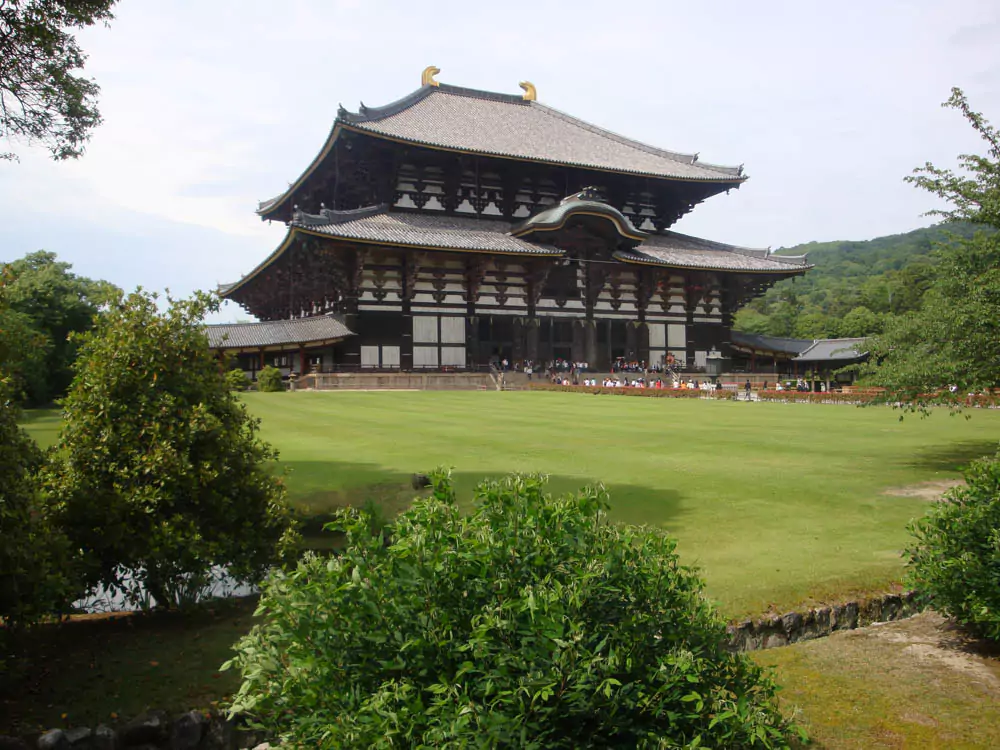
What is Tōdai-ji Temple Famous For?
Tōdai-ji is one of Japan’s most important and awe-inspiring temples. Located in Nara, this UNESCO World Heritage Site is best known for housing the Great Buddha of Nara (Daibutsu), one of the largest bronze statues of Buddha in the world.
The temple’s history dates back to the 8th century, when it was founded as the head temple of all provincial Buddhist temples in Japan.

Things to See on Your Visit to Tōdai-ji Temple
Great Buddha (Daibutsu)
The star of Tōdai-ji is the massive bronze statue of Vairocana Buddha. Standing at over 15 meters tall, the Daibutsu is one of the largest bronze statues in the world and a true marvel of ancient craftsmanship.

Daibutsuden (Great Buddha Hall)
This is the world’s largest wooden building, rebuilt in the 17th century at about two-thirds of its original size. Walking inside, the sheer scale of the hall leaves visitors speechless.
Nandaimon (Great South Gate)
The imposing entry gate to Tōdai-ji is guarded by two massive wooden statues of Nio guardians. These fierce protectors, dating back to the 12th century, are masterpieces of Japanese sculpture.

Kokūzō Bosatsu and the Wooden Pillar
Inside the Great Buddha Hall, don’t miss the famous wooden pillar with a hole at its base. Legend says that if you can squeeze through, you’ll be granted enlightenment in your next life.
Nigatsudō Hall
Located on the hillside, this hall offers panoramic views of Nara. It’s also the site of the annual Omizutori festival, a Buddhist fire ceremony held every March.
Hokkedō Hall (Sangatsudō)
This is one of the oldest structures in Tōdai-ji, housing important Buddhist statues and serving as a place of worship since the 8th century.
Kaidanin (Ordination Hall)
Built for the ordination of Buddhist monks, the Kaidanin holds impressive clay guardian statues representing the Four Heavenly Kings.
Shōrō (Bell Tower)
The temple’s massive bronze bell is one of the largest in Japan. Its deep, resonant tone is an unforgettable sound of Nara.
The Tōdai-ji Museum
This museum displays cultural treasures and artifacts from the temple’s long history, including Buddhist statues, ancient documents, and ceremonial items.
Kasuga Taisha Shrine
While technically a separate site, Kasuga Taisha is closely linked with Tōdai-ji and located nearby. Its lantern-lined paths make it worth adding to your visit.
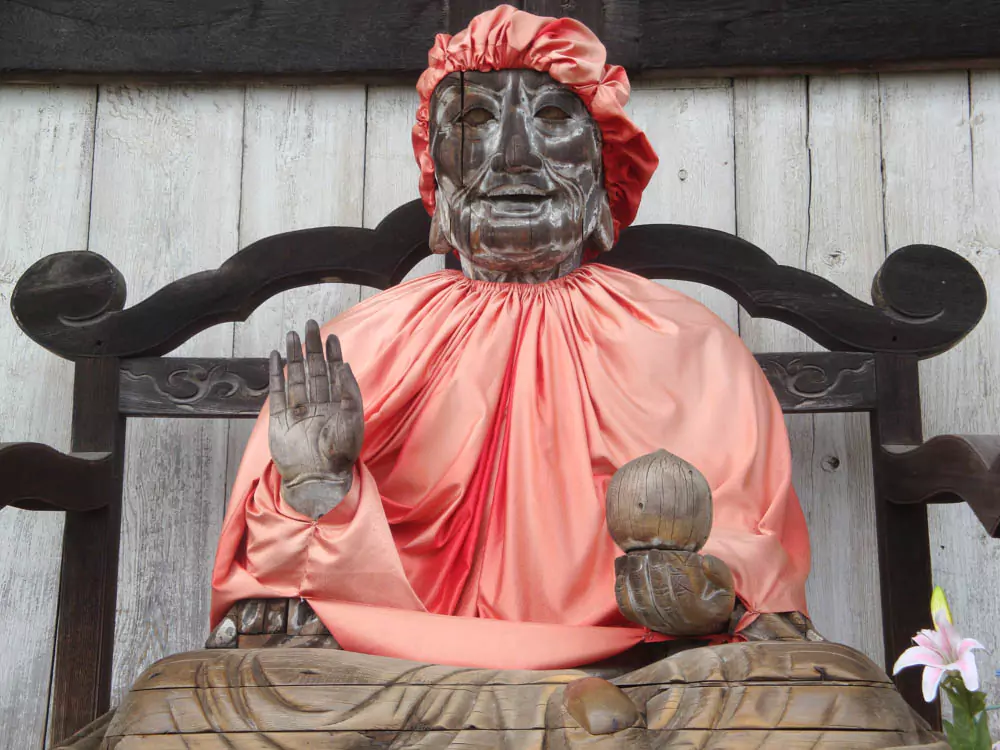
Binzuru
Look for the statue of Binzuru, a disciple of Buddha believed to heal ailments. Visitors rub the statue in the area where they need healing.

Nara Park and the Deer
The temple grounds connect directly with Nara Park, home to hundreds of free-roaming deer considered messengers of the gods. They’re friendly but persistent—especially if you buy deer crackers!


How Much Does It Cost to Go to Nara Deer Park?
Good news—Nara Deer Park is free to enter. The only costs you might encounter are buying crackers for the deer (about 200 yen) or entrance fees for Tōdai-ji’s buildings and halls.


What is the Best Time to Go to Tōdai-ji Temple?
Tōdai-ji is open year-round, but the experience changes with the seasons.
- Spring: Cherry blossoms make the temple grounds especially photogenic.
- Summer: Lush greenery surrounds the area, though it can be hot and humid.
- Autumn: The fall foliage adds stunning color to the temple backdrop.
- Winter: A light dusting of snow gives the Great Buddha Hall a serene atmosphere.
If you want fewer crowds, mornings or weekdays are the best time to visit. Check out more temples and shrines to visit close to Osaka, Nara and Kyoto.
