24 Amazing UNESCO Sites in Europe for Your Bucket List

Travel With Kinsley contains affiliate links and is a member of the Amazon Services LLC Associates Program, which means I may receive a cute little commission if you purchase through my links, at no extra cost to you. Please read full disclosure for more information.
Europe is home to some of the world’s most incredible UNESCO World Heritage Sites, each one offering a unique glimpse into the continent’s rich history, culture, and natural beauty.
From architectural marvels to breathtaking landscapes, these sites are must-sees for any traveler.
Here’s a list of amazing UNESCO sites in Europe to add to your bucket list.
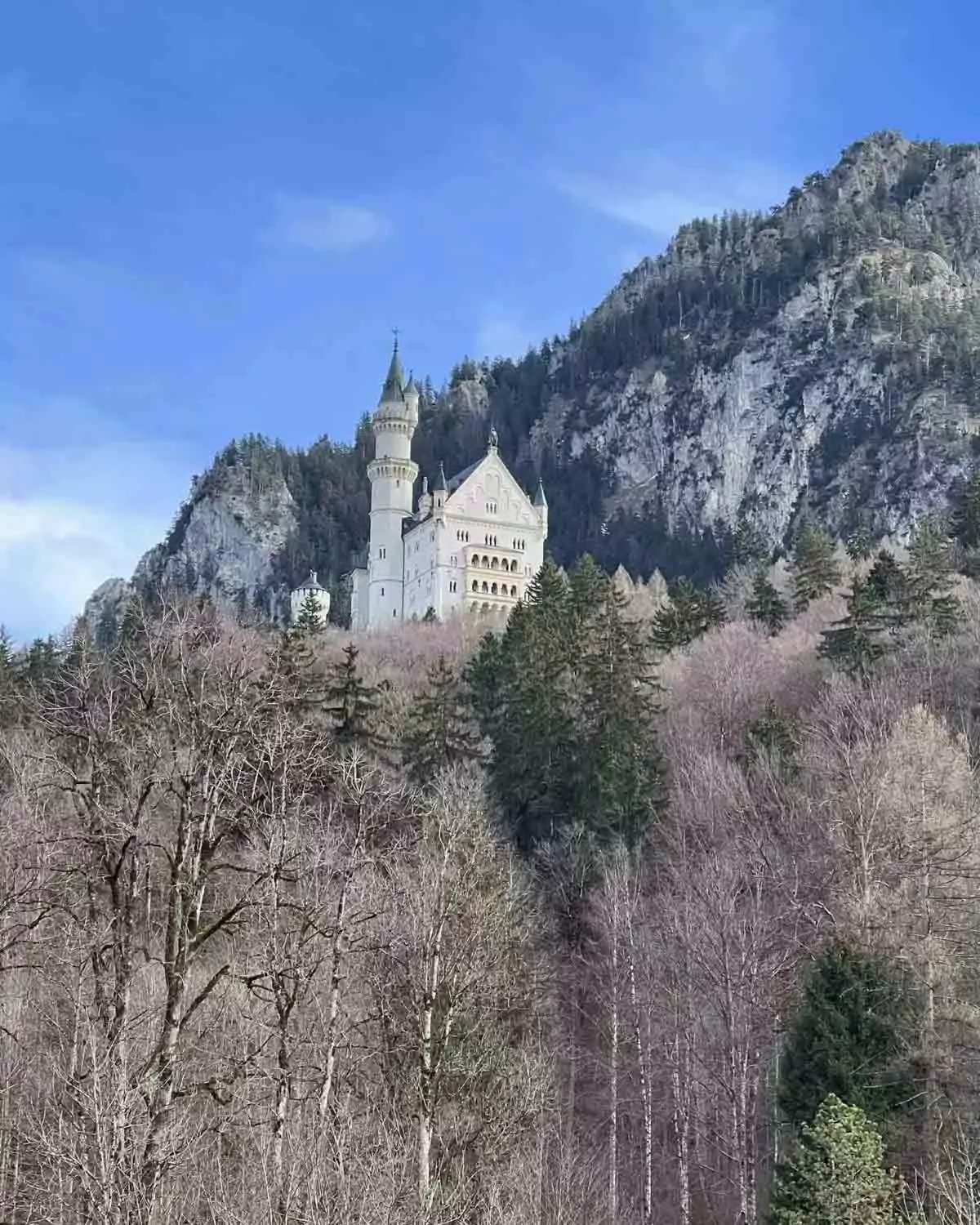
1. Neuschwanstein Castle, Germany
Nestled in the Bavarian Alps, Neuschwanstein Castle is the inspiration behind Disney’s Sleeping Beauty Castle. Its romantic design and stunning mountain backdrop make it one of the most photographed sites in Europe. A tour of the castle’s opulent interior is like stepping into a real-life fairy tale.

2. Hallstatt, Austria
The storybook village of Hallstatt sits between a crystal-clear alpine lake and dramatic mountain peaks. Recognized as part of the Salzkammergut Cultural Landscape UNESCO site, it’s known for its ancient salt mining history, peaceful lakeside charm, and breathtaking views that feel straight out of a postcard.
One of the must-visit spots is the Hallstatt Skywalk, offering awe-inspiring panoramic views of the surrounding landscape. Standing tall at a staggering 458 meters (approximately 1,500 feet) above the enchanting village below, the observation deck promises a fairytale-like experience. Whether you choose to reach it on foot or by taking the funicular, the journey itself is a part of the adventure.
For those eager to delve into the region’s fascinating salt mining heritage, guided tours of the nearby Salzwelten are available. Whether you opt for a separate ticket or a bundled package with the funicular ride, the experience is bound to transport you back in time.
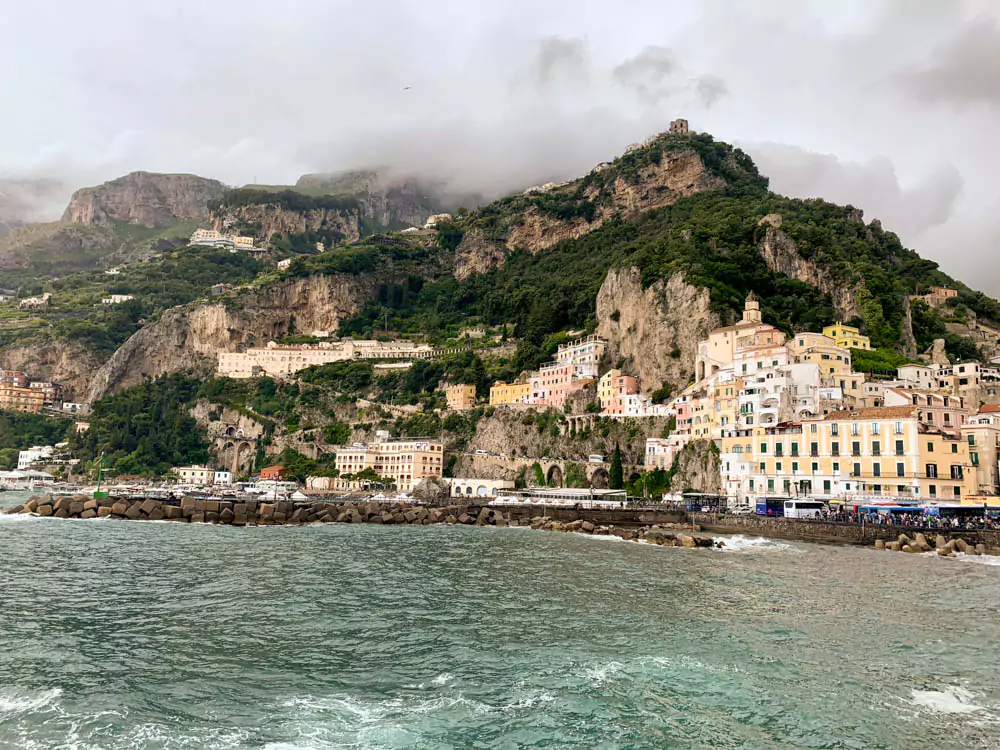
3. Amalfi Coast, Italy
The Amalfi Coast is a dazzling stretch of coastline featuring dramatic cliffs, colorful villages, and azure waters. From Positano’s picturesque charm to Ravello’s cliffside gardens, every corner of this UNESCO-listed area exudes beauty and elegance.

4. Rome, Italy
The Historic Centre of Rome, recognized as a UNESCO World Heritage Site since 1980, is a must-visit for travelers drawn to ancient history and timeless architecture. This area captures the layered past of the Eternal City, showcasing landmarks from the Roman Empire, Renaissance, and Baroque periods—all within walking distance.
Highlights include the Roman Forum, once the bustling heart of political and social life in ancient Rome, and the Colosseum, a monumental amphitheater that still impresses with its scale and engineering. You’ll also find Palatine Hill, one of Rome’s legendary founding sites, home to ancient ruins and sweeping views.
Iconic spots like the Pantheon, Trevi Fountain, Spanish Steps, and Piazza Navona offer a mix of history, art, and that classic Roman atmosphere. Don’t miss the major basilicas either—Santa Maria Maggiore and San Giovanni in Laterano—for their artistic beauty and religious significance. It’s one of those places where every street corner feels like stepping into a different chapter of history.
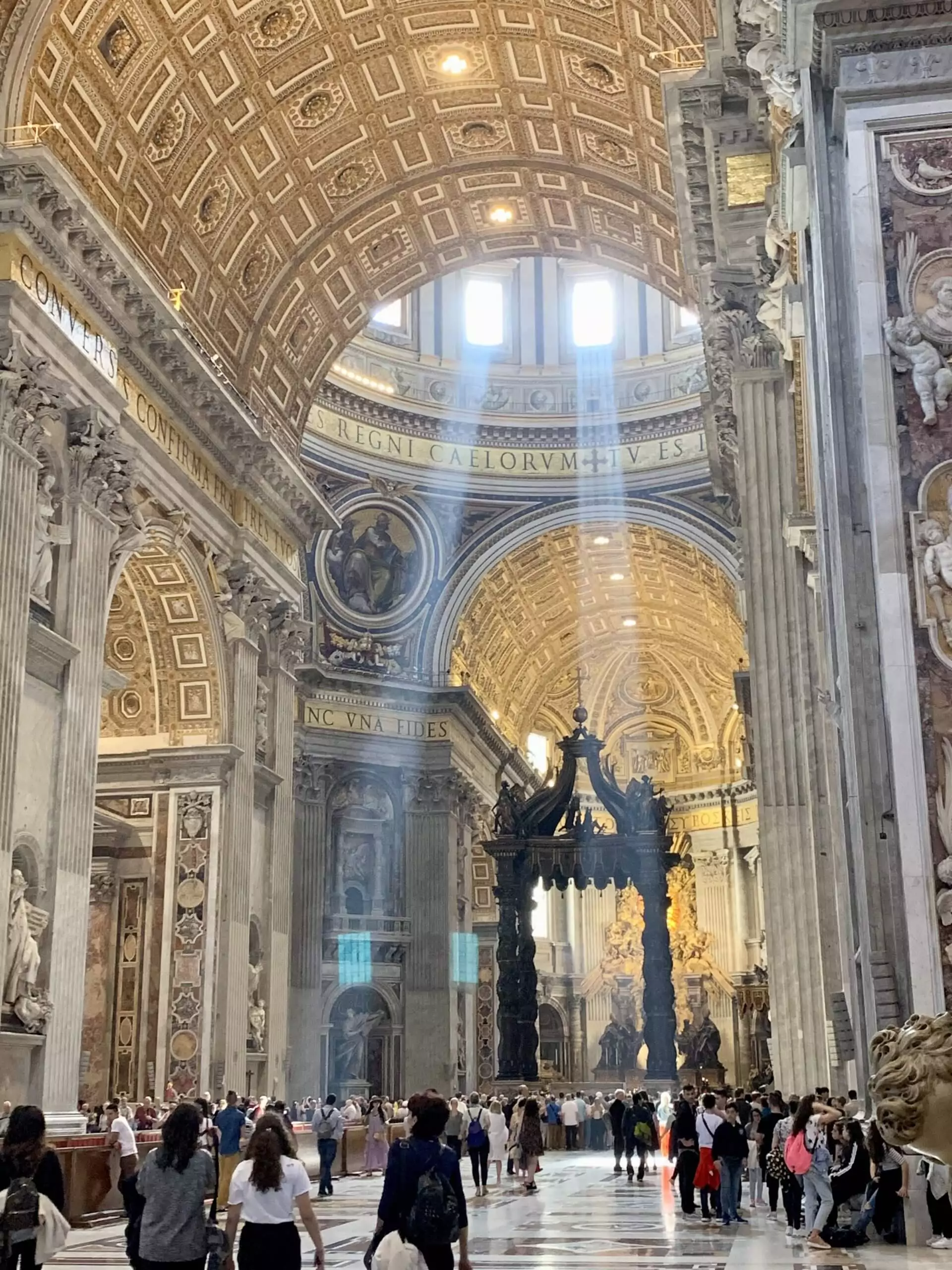
5. Vatican City
Vatican City, designated a UNESCO World Heritage Site in 1984, is the world’s smallest independent state—but it holds immense cultural, historical, and religious importance. As the headquarters of the Roman Catholic Church and home to the Pope, it attracts millions of visitors and pilgrims every year.
At the heart of Vatican City is St. Peter’s Basilica, a towering symbol of Christian faith and Renaissance architecture. Designed in part by Michelangelo and Bernini, its stunning dome and detailed interior make it one of the most awe-inspiring churches in the world. Just outside, St. Peter’s Square—designed by Bernini—welcomes visitors with its sweeping colonnades and iconic view of the basilica.
The Vatican Museums are another major highlight, housing one of the world’s greatest art collections. From ancient sculptures to Renaissance masterpieces, the museums are a treasure trove of human creativity. And of course, no visit is complete without stepping into the Sistine Chapel, where Michelangelo’s legendary ceiling and “Last Judgment” fresco continue to captivate visitors from around the globe.

6. Naples, Italy
The Historic Centre of Naples, recognized as a UNESCO World Heritage Site since 1995, is one of Europe’s oldest continuously inhabited urban areas. It tells the story of a city shaped by centuries of cultural influence, starting with its founding by the ancient Greeks as Neapolis.
As you explore the heart of Naples, you’ll see how the city’s complex past has left its mark—from Roman ruins to medieval churches, Baroque palaces, and Spanish-style courtyards. Each era has added a layer, creating a vibrant, lived-in cityscape full of contrast and character. It’s a place where ancient history and everyday life blend seamlessly.
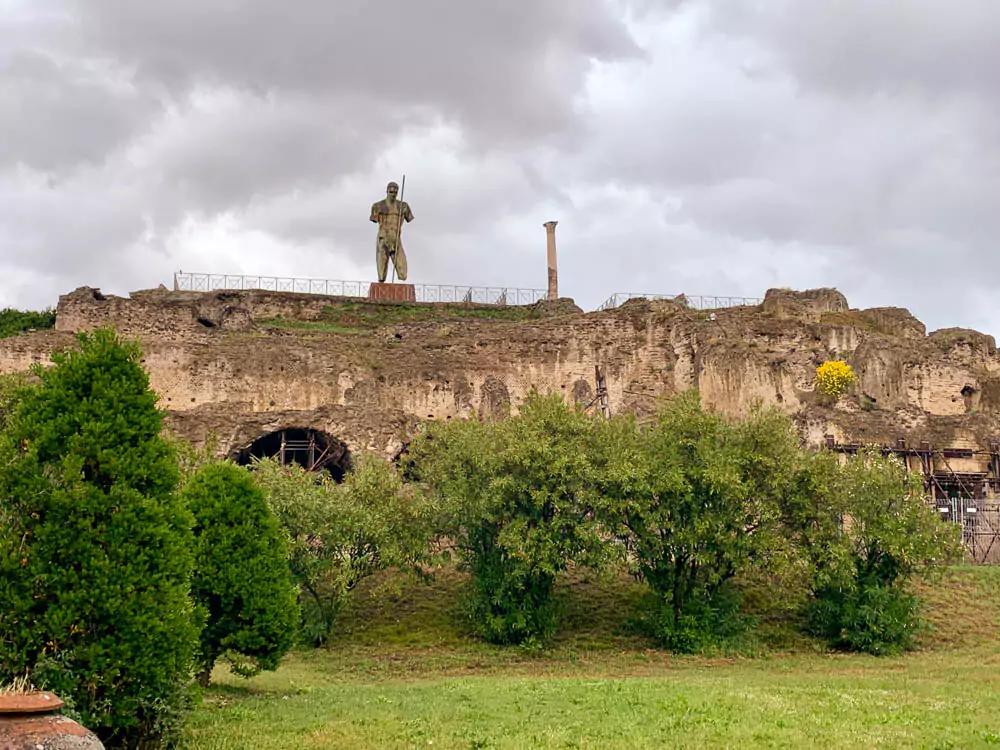
7. Archaeological Park of Pompeii
Pompeii, designated a UNESCO World Heritage Site in 1997, offers one of the most powerful glimpses into life in ancient Rome. Buried by the eruption of Mount Vesuvius in 79 AD, this once-thriving city near Naples was frozen in time beneath layers of ash and debris.
Today, walking through Pompeii’s preserved streets, homes, bathhouses, and amphitheaters feels like stepping into the daily life of the ancient world. The level of detail—from mosaics and murals to everyday objects—provides an unmatched look at Roman society. Its UNESCO status helps protect this extraordinary archaeological site, ensuring future generations can continue to explore and learn from its incredible history.
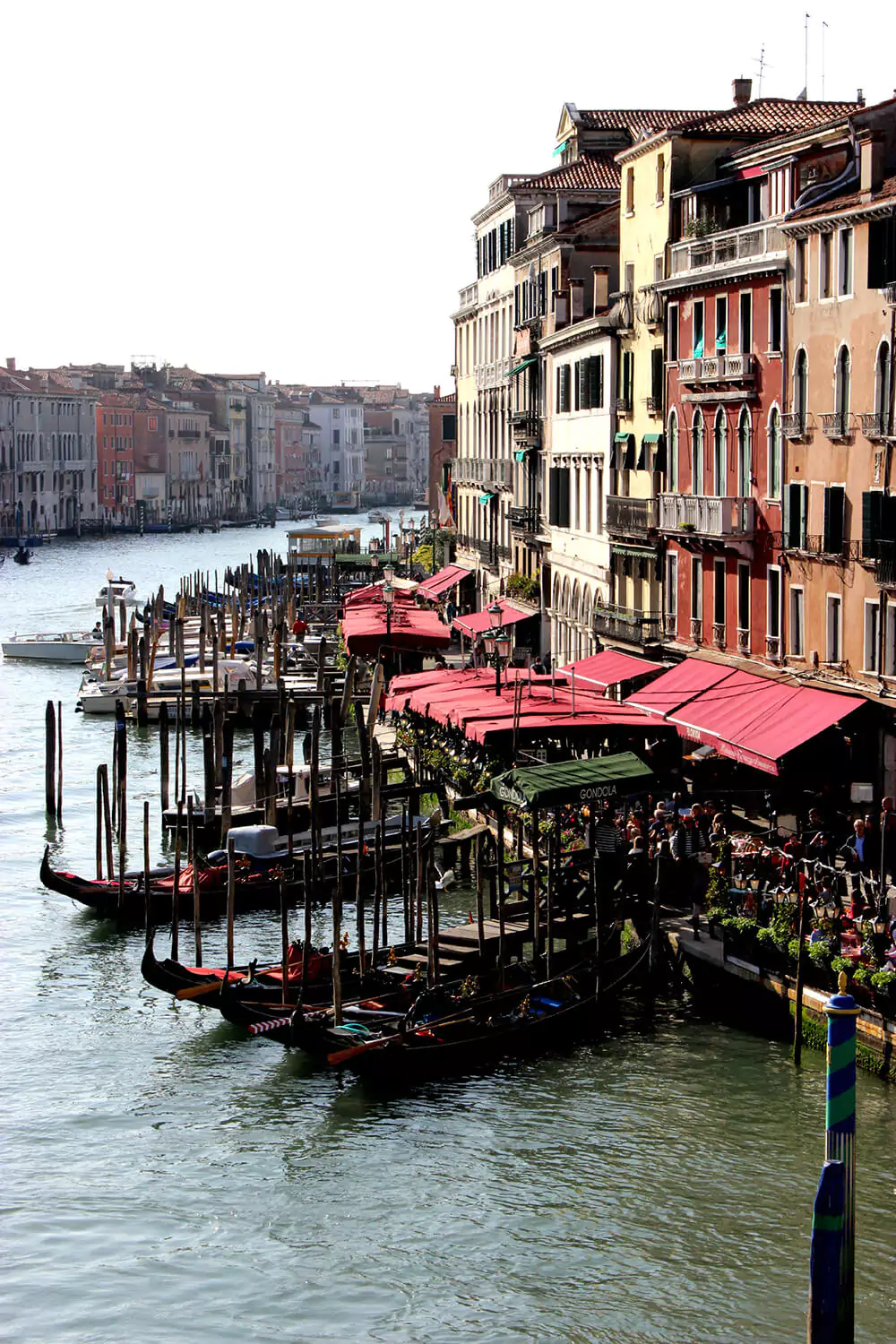
8. Venice, Italy
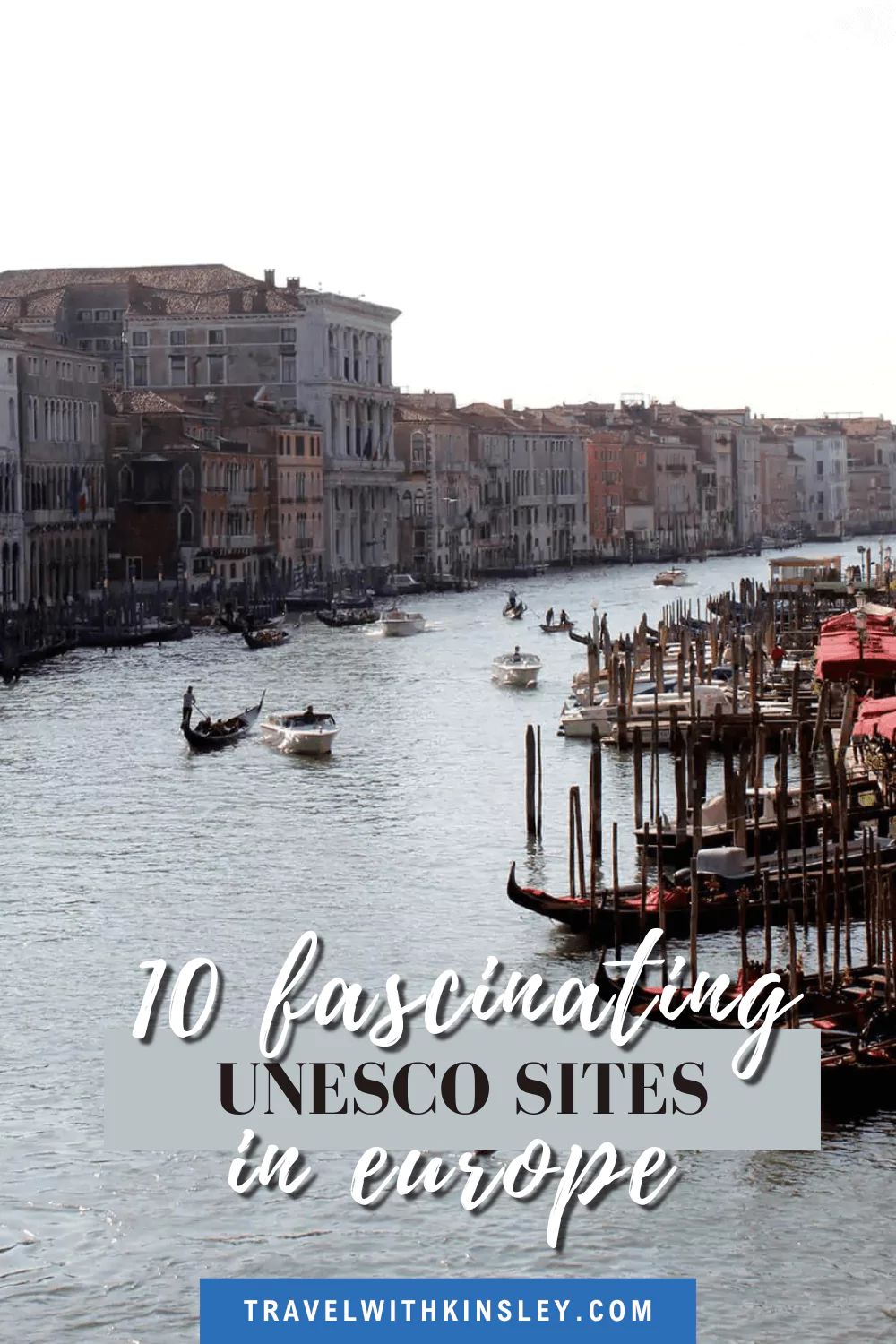
Venice, with its winding canals and timeless charm, is unlike any other city in the world. Getting lost here isn’t just likely—it’s part of the experience. Armed with a map and a sense of adventure, wandering the maze-like alleys feels like a real-life treasure hunt. And just when you think you’re completely turned around, a friendly local will point you in the right direction.
Recognized as a UNESCO World Heritage Site since 1987, Venice and its Lagoon represent an extraordinary blend of human ingenuity and natural beauty. Built across small islands in the Venetian Lagoon starting in the 5th century, the city evolved into a powerful maritime republic and a major cultural hub during the Renaissance.
Today, Venice continues to impress with its breathtaking architecture and history. From St. Mark’s Basilica and the Doge’s Palace to the iconic Rialto Bridge, the city is filled with landmarks that feel straight out of a painting. With canals in place of streets, Venice is a place best explored on foot—or by gondola—at a slow, curious pace. It’s not just a destination, it’s an experience.
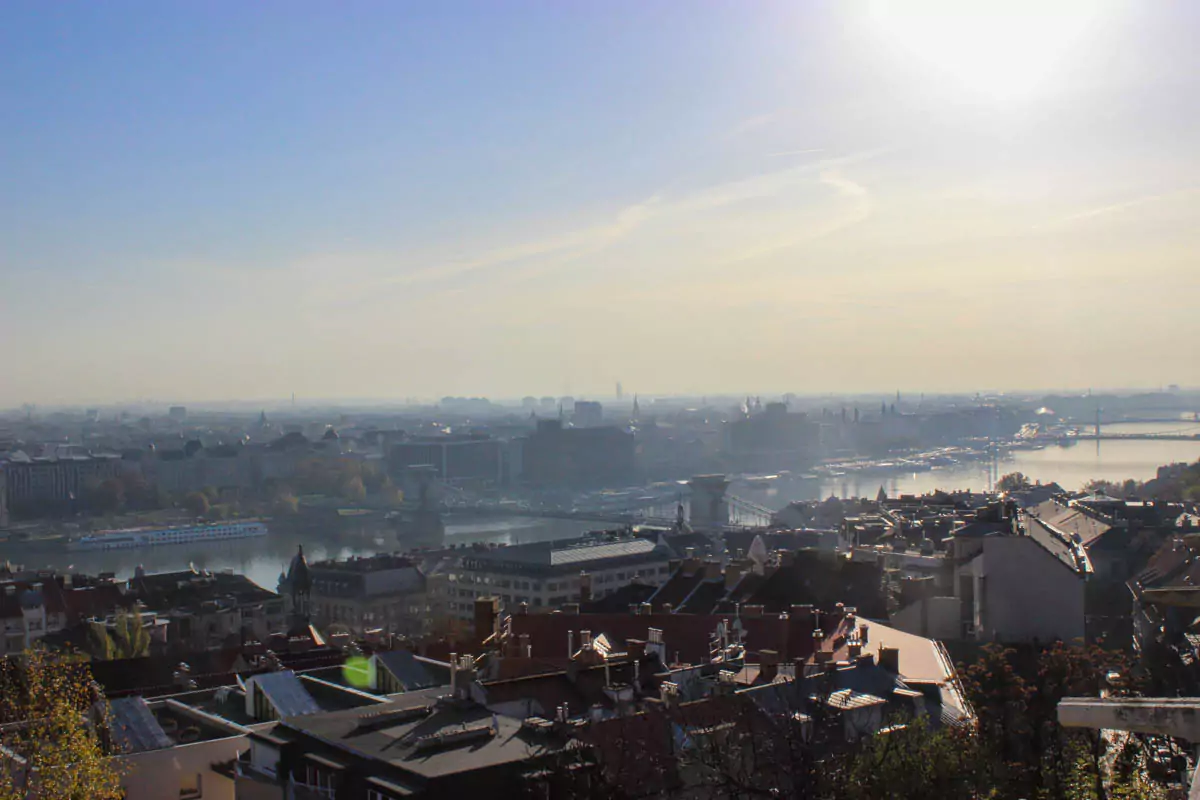
9. Budapest, Hungary
The banks of the Danube River in Budapest are lined with some of the city’s most iconic sights—each one playing a role in its UNESCO World Heritage designation. From the impressive Chain Bridge to the striking Parliament Building and the historic Gellért Baths, the riverfront showcases Budapest’s rich architectural beauty and cultural significance.

10. Wieliczka Salt Mine
The Wieliczka Salt Mine, just outside Kraków, Poland, was inscribed as a UNESCO World Heritage Site in 1978 for its cultural and historical importance. Operating continuously from the 13th century until 2007, it’s one of the world’s oldest salt mines—and one of the most fascinating to explore.
Visitors descend deep underground into a vast maze of tunnels and chambers filled with salt-carved sculptures, underground lakes, and chapels. The most famous, the Chapel of St. Kinga, features chandeliers and altars entirely made of salt—an incredible display of the craftsmanship and creativity of the miners who once worked here.
Today, the Wieliczka Salt Mine stands as a preserved monument to centuries of mining history and the essential role salt played in the region’s economic and cultural development. It’s a one-of-a-kind underground experience that blends history, art, and science.

11. Auschwitz-Birkenau
Auschwitz-Birkenau, the former German Nazi concentration and extermination camp, was inscribed as a UNESCO World Heritage Site in 1979. Operating from 1940 to 1945 near the town of Oświęcim in Poland, it stands as one of the most powerful and somber reminders of the Holocaust and the atrocities of World War II.
The site includes Auschwitz I, the original concentration camp, and Auschwitz II-Birkenau, built for mass extermination. Together, they bear witness to the suffering of millions—primarily Jews—who were imprisoned, forced into labor, and murdered under the Nazi regime.
Today, Auschwitz-Birkenau is preserved as a memorial and museum, serving as a place for remembrance, reflection, and education. Its designation as a UNESCO site underscores the global responsibility to remember these atrocities and to ensure that such horrors are never repeated.

12. Kraków, Poland
The Historic Centre of Kraków, one of the first sites inscribed on the UNESCO World Heritage list in 1978, is a captivating blend of history, culture, and architectural beauty. As you walk through the city’s heart, you’ll find layers of Gothic, Renaissance, Baroque, and Art Nouveau design at every turn.
At the center is Rynek Główny, the largest medieval square in Europe, surrounded by iconic landmarks like St. Mary’s Basilica and the historic Cloth Hall. Just a short walk away, Wawel Castle rises above the city—a former royal residence that symbolizes centuries of Polish heritage.
Kraków’s Kazimierz district adds another dimension, with its deep Jewish roots and artistic, bohemian energy. With its rich mix of cultures, preserved architecture, and vibrant street life, Kraków’s historic center offers an unforgettable glimpse into the soul of Poland.
13. Vienna, Austria
The Historic City Centre of Vienna, recognized as a UNESCO World Heritage Site in 2001, reflects centuries of cultural and architectural excellence in Austria’s capital. This area has long been at the heart of European history, with its grand buildings, historic palaces, and vibrant cultural traditions.
At its core is the Hofburg Palace, the former seat of the Habsburg dynasty and now home to several museums, the Spanish Riding School, and the President of Austria. Just steps away, the impressive Ringstrasse encircles the city center, lined with landmarks like the Vienna State Opera, Parliament, and City Hall—each a showcase of 19th-century architecture and urban planning.
St. Stephen’s Cathedral, with its soaring Gothic spire, anchors the city skyline and remains one of Vienna’s most beloved icons. Add to that the city’s famous coffeehouse culture—recognized for its historic importance—and you’ll find a destination where history and daily life blend seamlessly.
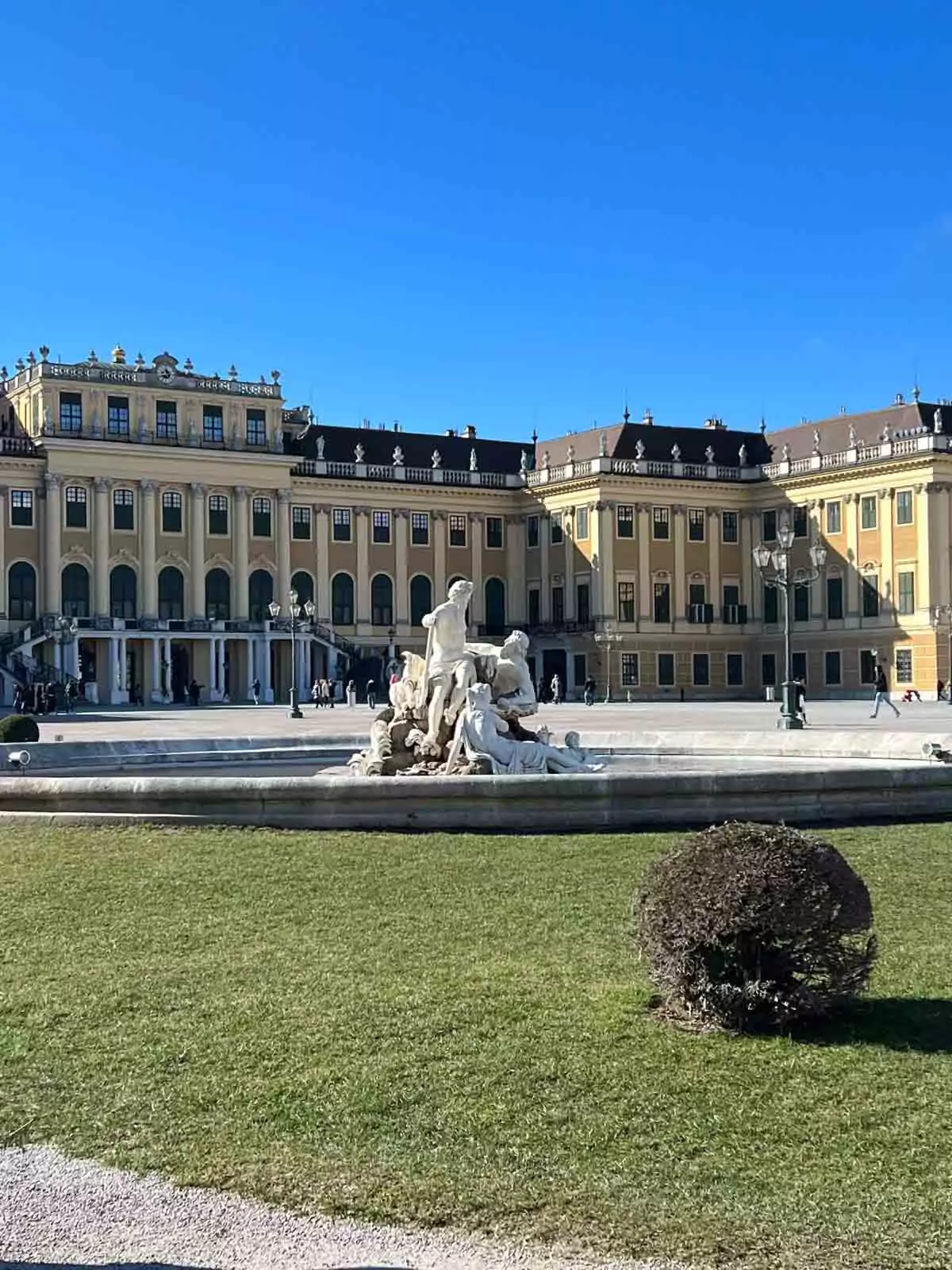
14. Schönbrunn Palace
Schönbrunn Palace and Gardens in Vienna, Austria, is a UNESCO World Heritage Site recognized in 1996 for its architectural beauty and historical significance. Once the summer residence of the Habsburg emperors, the Baroque palace features opulent rooms like the Great Gallery, used for imperial events.
Surrounding the palace are expansive gardens with fountains, flowerbeds, and the hilltop Gloriette, offering stunning views of Vienna. The grounds also include the world’s oldest zoo. Schönbrunn remains a lasting symbol of Austria’s imperial past and cultural heritage.

15. Salzburg, Austria
The Historic City Centre of Salzburg, Austria, was inscribed as a UNESCO World Heritage Site in 1996 for its outstanding cultural and architectural significance. Surrounded by Alpine scenery, the city’s baroque charm, cobblestone streets, and elegant squares reflect centuries of history.
At the heart of the city is Hohensalzburg Fortress, offering panoramic views from its hilltop perch. Key landmarks include the Salzburg Cathedral, Residenzplatz, and the beautifully manicured Mirabell Palace and Gardens—famous for their role in The Sound of Music. Salzburg is also the birthplace of Mozart, and his legacy is celebrated throughout the city.
With its rich blend of music, architecture, and historical depth, Salzburg’s old town remains one of Europe’s most enchanting cultural treasures.

16. Paris, France
The Banks of the Seine in Paris, inscribed as a UNESCO World Heritage Site in 1991, highlight the city’s deep cultural and historical significance. Stretching through the heart of Paris, these riverbanks are lined with iconic landmarks that reflect centuries of architectural achievement and urban design.
From the Eiffel Tower and Notre-Dame Cathedral to the Louvre and Musée d’Orsay, the monuments along the Seine tell the story of Paris as a center of art, culture, and history. This scenic stretch of the river offers a unique view of the city’s heritage, making it one of the most celebrated urban landscapes in the world.
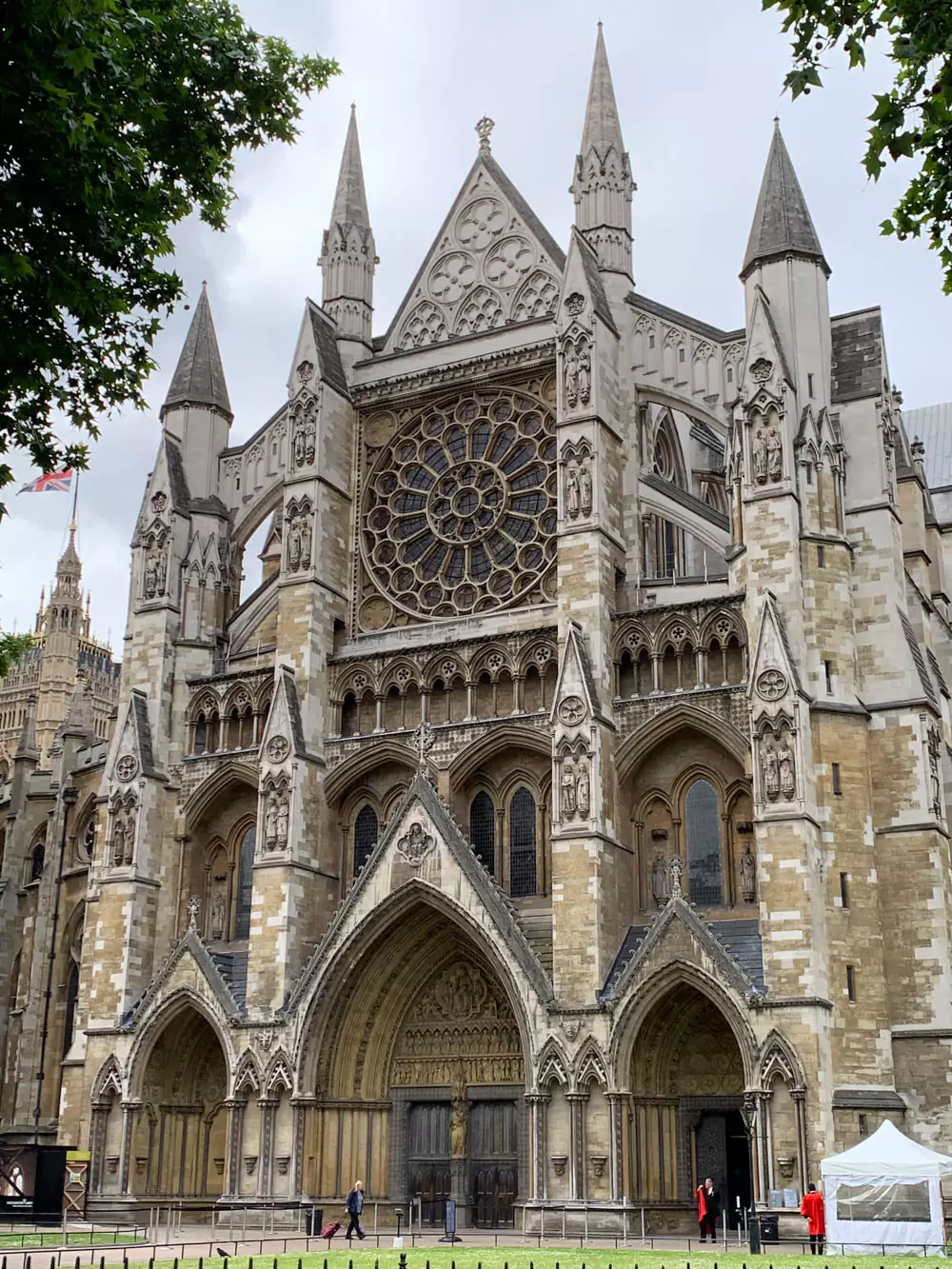
17. London, England
In the heart of London, the Palace of Westminster, Westminster Abbey, and Saint Margaret’s Church form a remarkable ensemble recognized as a UNESCO World Heritage Site since 1987. These three iconic landmarks represent the core of British political, religious, and cultural life—and have done so for centuries.
The Palace of Westminster, home to the UK Parliament, is an architectural masterpiece of the Gothic Revival style. With its iconic Big Ben clock tower (now officially called the Elizabeth Tower), it has become one of the most recognized symbols of democracy worldwide. The palace continues to be the seat of the British government, where critical decisions and debates shape the nation’s future.
Just across the way, Westminster Abbey stands as one of the most important religious buildings in the United Kingdom. It has been the site of royal coronations since 1066, hosts royal weddings, and serves as the final resting place of many monarchs, poets, and national figures. The Abbey’s intricate Gothic architecture and stained-glass windows reflect the spiritual and artistic heritage of Britain.
Completing the trio, Saint Margaret’s Church is often overshadowed by its grand neighbors but holds its own historical importance. It serves as the parish church of the British House of Commons and has long been a place of worship for members of Parliament.
Together, these landmarks offer visitors a glimpse into the evolving story of British governance, faith, and tradition. Their UNESCO designation ensures that their legacy will be preserved and appreciated for generations to come.

18. Mont-Saint-Michel, France
A fairytale-like island commune rising dramatically from the sea, Mont-Saint-Michel is a medieval masterpiece. Located in Normandy, it features a stunning abbey at its peak, surrounded by winding streets and charming shops. At high tide, the island is completely surrounded by water, creating a magical scene straight out of a storybook.

19. Cinque Terre, Italy
The vibrant cliffside villages of Cinque Terre on Italy’s Ligurian coast are a sight to behold. These five colorful fishing villages are perched on rugged cliffs overlooking the sparkling Mediterranean. With picturesque hiking trails and incredible seafood, Cinque Terre offers a perfect mix of natural beauty and Italian charm.

20. Acropolis of Athens, Greece
The Acropolis of Athens is an enduring symbol of ancient Greek civilization. Home to iconic structures like the Parthenon, this hilltop archaeological site is a testament to human creativity and innovation. Visiting the Acropolis allows you to walk in the footsteps of philosophers and warriors from centuries past.

21. Plitvice Lakes National Park, Croatia
Nature lovers will be enchanted by Plitvice Lakes National Park, a wonderland of cascading waterfalls, crystal-clear lakes, and lush forests. Wooden boardwalks wind through this serene landscape, making it a dream destination for hikers and photographers alike.

22. Alhambra, Spain
The Alhambra, located in Granada, is a stunning example of Moorish architecture and design. This fortress and palace complex showcases intricate carvings, lush gardens, and breathtaking views of the Sierra Nevada mountains. It’s a must-visit for anyone interested in history and architecture.

23. Stonehenge, England
The mystery and allure of Stonehenge make it one of Europe’s most fascinating UNESCO sites. This prehistoric monument, dating back thousands of years, is an iconic symbol of Britain’s ancient history. Take a guided tour to learn about the theories behind its construction and purpose.
Be sure to check out my 2-day London itinerary before you go.

24. Old Town of Dubrovnik, Croatia
Dubrovnik’s Old Town, also known as the “Pearl of the Adriatic,” is a stunning example of medieval architecture. Walk along the ancient city walls for panoramic views of the Adriatic Sea and explore narrow streets lined with historic buildings, shops, and restaurants.
Why Visit UNESCO Sites in Europe?
Each UNESCO site in Europe tells a story, whether it’s of ancient civilizations, architectural brilliance, or natural wonder. By exploring these incredible locations, you’ll not only witness the beauty of the continent but also gain a deeper understanding of its rich cultural and historical tapestry.
So, pack your bags and start checking off these amazing UNESCO sites from your bucket list. Europe’s treasures are waiting to be discovered!
Cheers,
Katie
Liked this Post? Save it on Pinterest!
 |
 |
