The 11 Best Things to Do in Salzburg, Austria

Travel With Kinsley contains affiliate links and is a member of the Amazon Services LLC Associates Program, which means I may receive a cute little commission if you purchase through my links, at no extra cost to you. Please read full disclosure for more information.
Nestled in the heart of Austria, Salzburg is a city that effortlessly blends historical charm with breathtaking natural beauty.
Famous as the birthplace of Mozart and the setting for the beloved film The Sound of Music, Salzburg offers a rich tapestry of cultural and scenic delights. Whether you’re a history buff, a music lover, or simply in search of stunning landscapes, Salzburg has something to captivate every traveler.
From exploring magnificent baroque architecture to strolling through enchanting gardens and savoring delectable local cuisine, here are the best things to do in Salzburg that will make your visit truly unforgettable.
We added Salzburg to our Austria-German tour when Zack had to go to Nuremberg for a work trip. We planned to visit both countries for 10 days, so we had time for a couple day trip options.
Before arriving in Salzburg, Zack and I already spent time exploring Munich and touring a castle in the Bavarian Alps.
Then we spent a day sliding through a salt mine deep within the Eastern Alps of Hallstatt and did a little walking adventure through Vienna.
We adored Salzburg, and I wanted to be sure others didn’t miss out as we almost did.
The Best Things to Do in Salzburg
Salzburg is a city rich in history and culture, offering a multitude of activities and sights that could easily fill your itinerary for several days. Whether you’re captivated by grand historical castles and expansive royal gardens, or you’re keen to explore opulent museums and ornate churches, Salzburg promises something to delight every visitor.
Are you a Mozart aficionado or a Sound of Music enthusiast? Or perhaps you’re looking to immerse yourself in breathtaking Austrian landscapes? Salzburg’s diverse attractions cater to a wide range of interests.
For travelers planning their first visit to this beautiful city, I’ve put together a guide to the top experiences you shouldn’t miss. Salzburg is wonderfully compact, making it easy to explore on foot since most major attractions are conveniently close to each other. Although it’s feasible to see the highlights in a single day, spending at least one night allows for a more relaxed exploration. With more time, you can enjoy stunning scenic overlooks, relax in local breweries, and venture to attractions just outside the city center.
Upon your arrival, head straight for the Old Town, where the majority of Salzburg’s historical and cultural gems are located. The city is divided by the Salzach River into two distinct areas: the medieval Old Town (Altstadt) on the left bank, and the 19th-century New City (Neustadt) on the right. Designated a UNESCO World Heritage Site in 1977, the Old Town is a treasure trove of architectural wonders and must-see sights.
Here are some practical tips to enhance your visit:
- Plan Your Route: Start at one end of the Old Town and make your way across, ensuring you hit all the major sites without backtracking.
- Accommodations: Consider staying in a central location to minimize travel time and soak in the city’s nighttime ambiance.
- Local Cuisine: Don’t miss out on trying traditional Salzburg dishes like Salzburger Nockerl and Schnitzel in a local restaurant.
- Transport Tips: While Salzburg is pedestrian-friendly, it also offers excellent public transportation for reaching sites further afield or when you need a break from walking.

Walk through the Altstadt (Old Town)
This UNESCO World Heritage site is filled with cobblestone streets, quaint cafes, and shops, alongside historic buildings like St. Peter’s Abbey.
Starting at the Mirabell Palace and Gardens, you are greeted by a burst of vibrant colors and meticulously manicured flower beds. As you make your way towards the Makartsteg Bridge, the sight of love locks clinking in the breeze adds a touch of romance to the picturesque view of the Salzach River and the old town beyond.
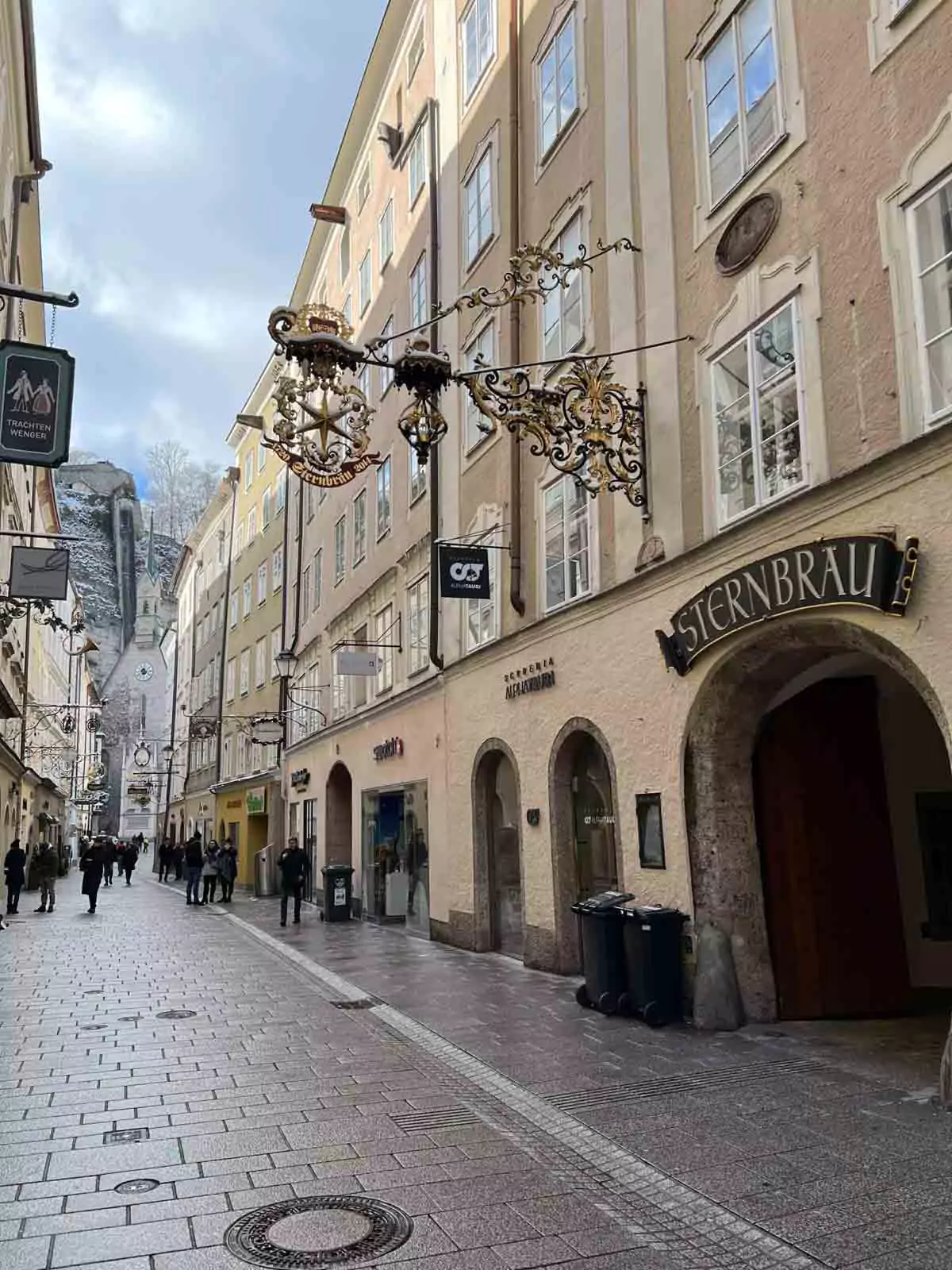
Crossing the bridge, you find yourself on Getreidegasse, a lively street where historic buildings are adorned with ornate wrought-iron signs, and Mozart’s Birthplace at No. 9 stands as a tribute to Salzburg’s most famous son. The atmosphere is a delightful mix of the past and present, with charming shops and cozy cafes inviting you to linger.
Continuing your journey, you reach Mozartplatz and the adjacent Residenzplatz, where the grand Salzburg Cathedral dominates the scene with its stunning baroque architecture. Stepping inside, the intricate frescoes and the majestic organ leave you in awe. A short funicular ride takes you up to the Hohensalzburg Fortress, offering panoramic views of the city and the Alps.
Exploring the fortress’s museums and state rooms transports you back in time, while a visit to St. Peter’s Abbey and Cemetery below adds a touch of serenity to your day. As the sun begins to set, a leisurely stroll down Linzer Gasse, with its vibrant shops and cafes, brings you to the historic Café Tomaselli. Here, you can relax with a slice of cake and a cup of coffee, reflecting on the charm and history that make Salzburg’s Altstadt a truly magical place.
Stroll through Schloss Mirabell Palace and Gardens
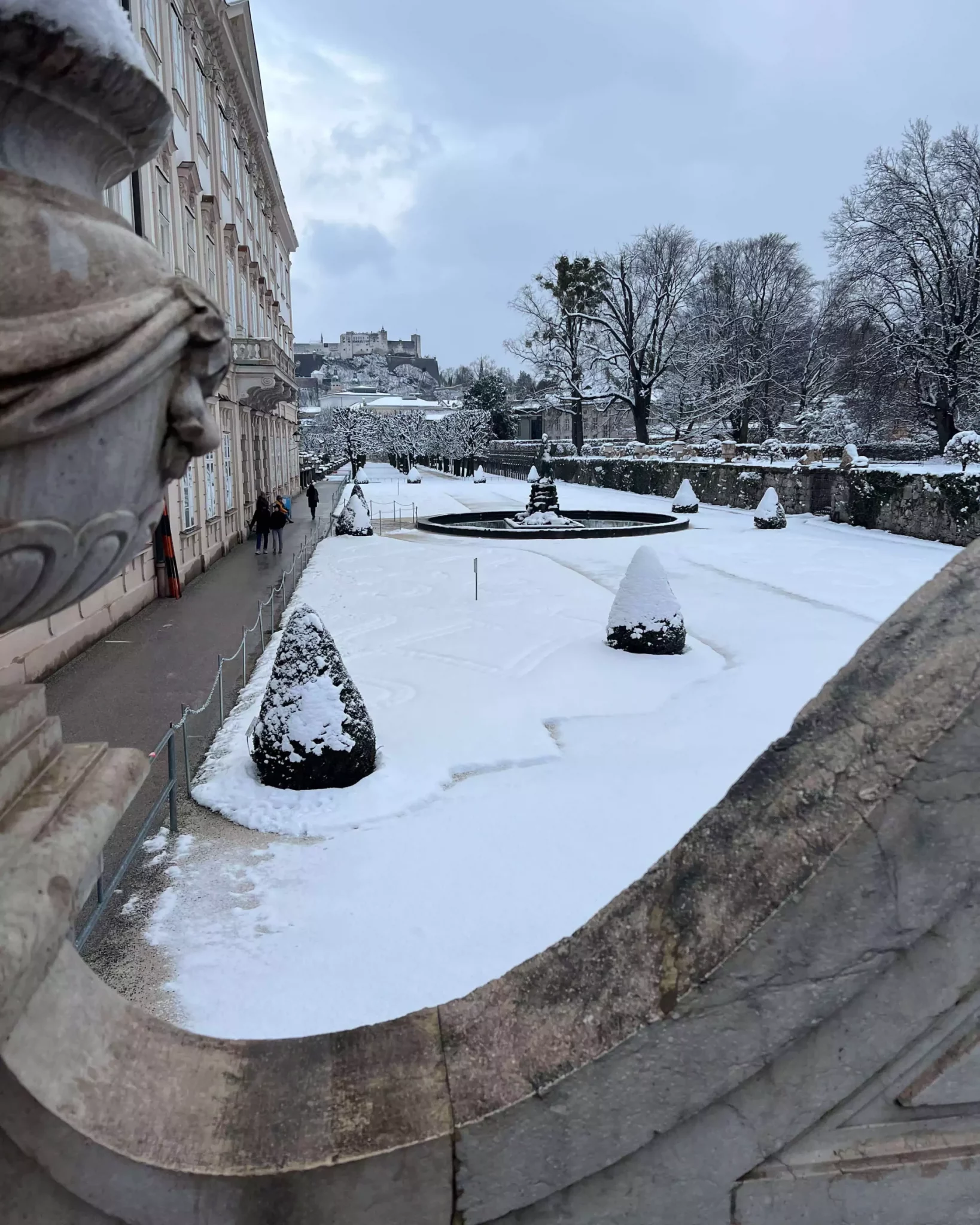
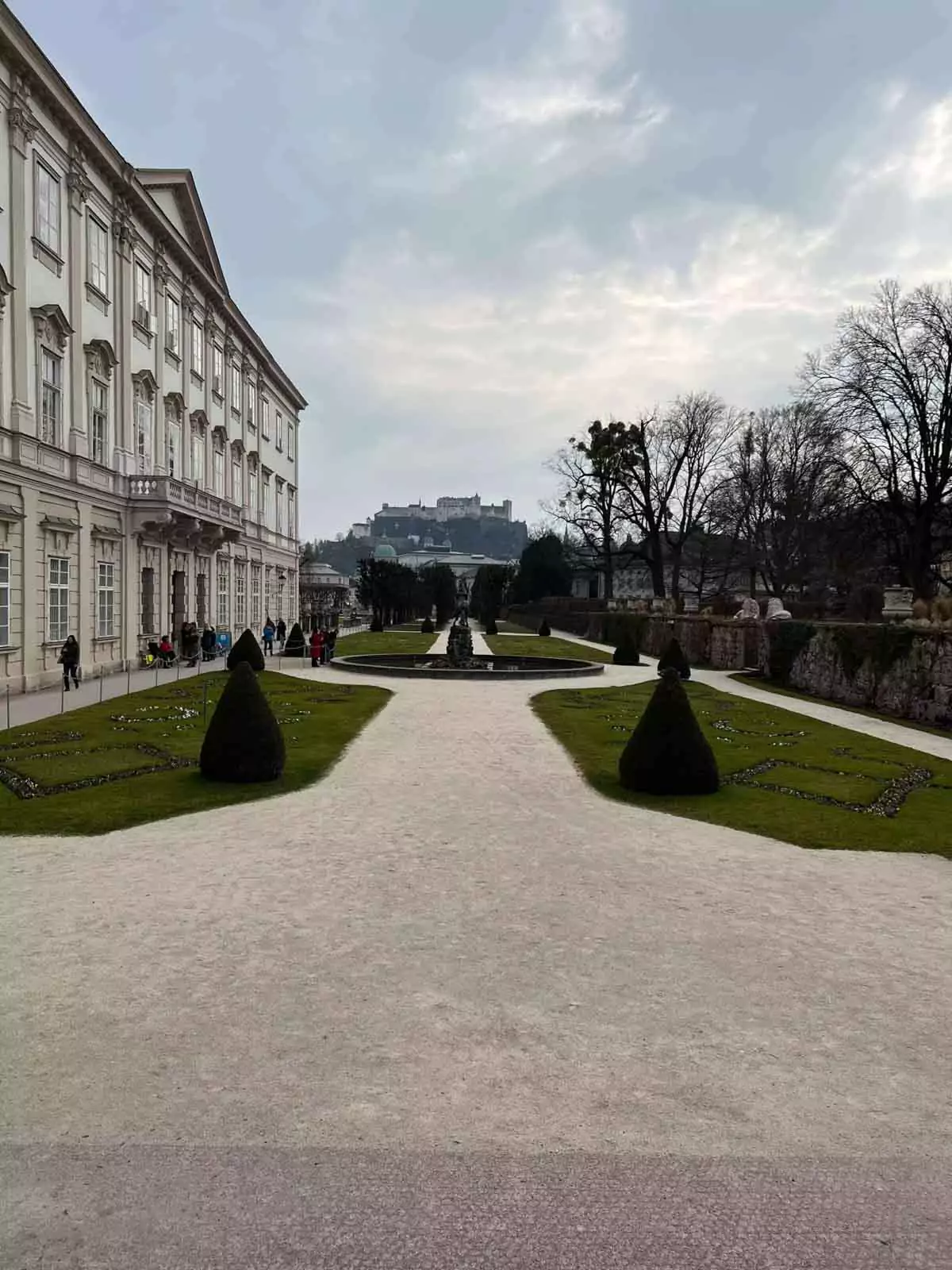
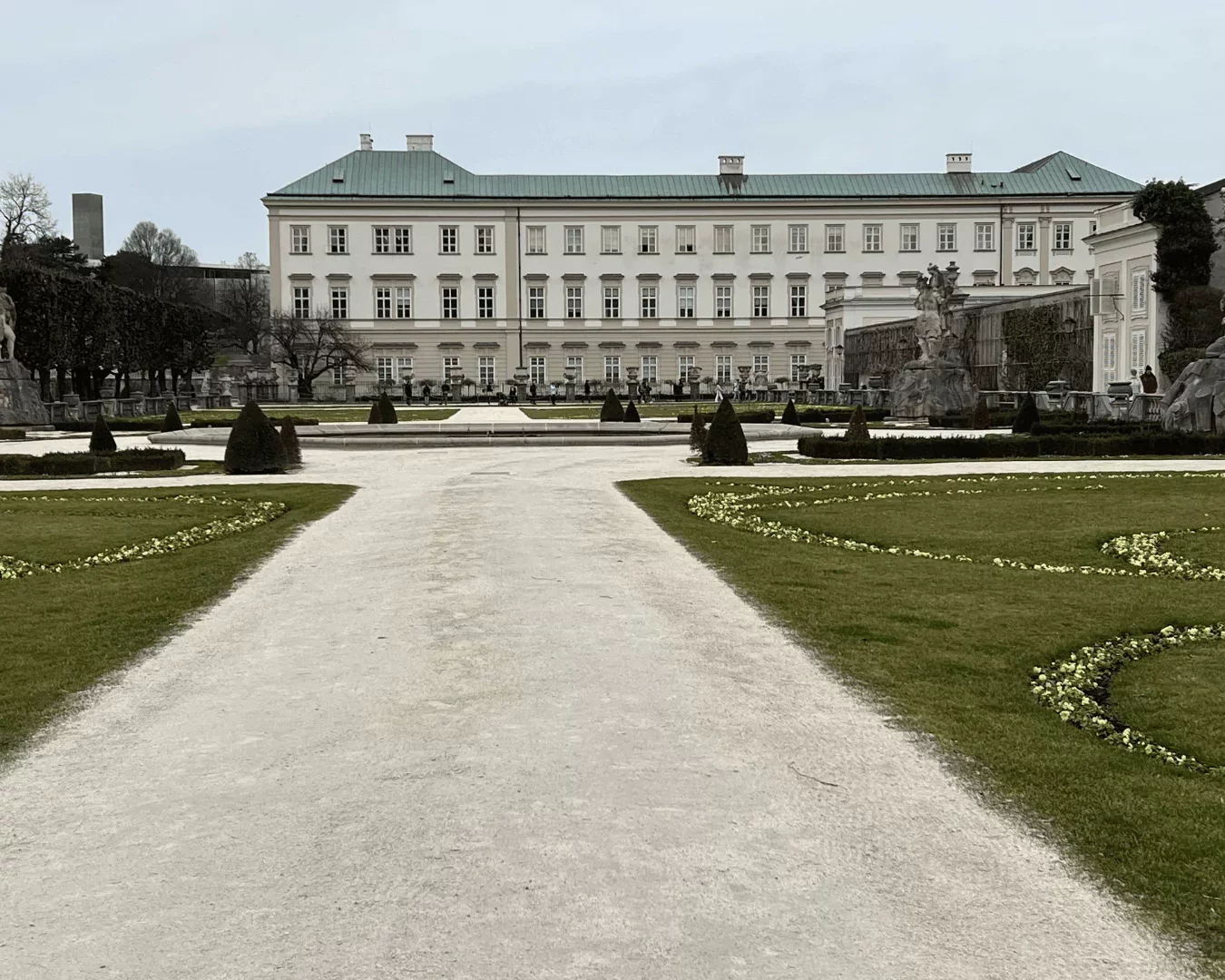
Schloss Mirabell is a historic palace located in Salzburg, Austria. The palace was built in 1606 by Prince-Archbishop Wolf Dietrich von Raitenau as a token of his love for Salome Alt, his mistress.
The palace was originally called Altenau Palace and was later renamed Mirabell Palace by Prince-Archbishop Johann Ernst von Thun in 1687. The palace underwent several renovations and expansions over the years, and today it is considered one of the most beautiful and impressive examples of Baroque architecture in Austria.
 |
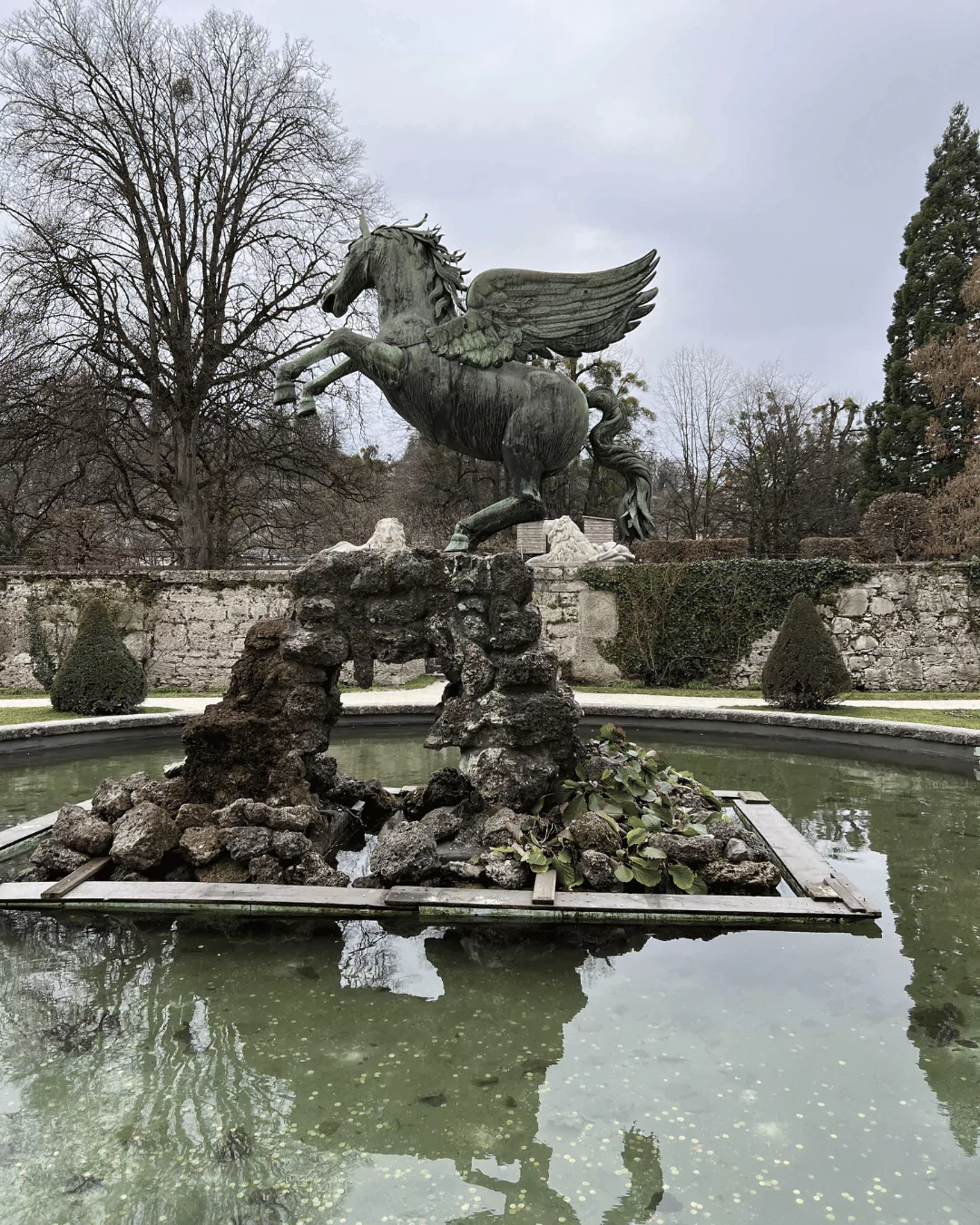 |
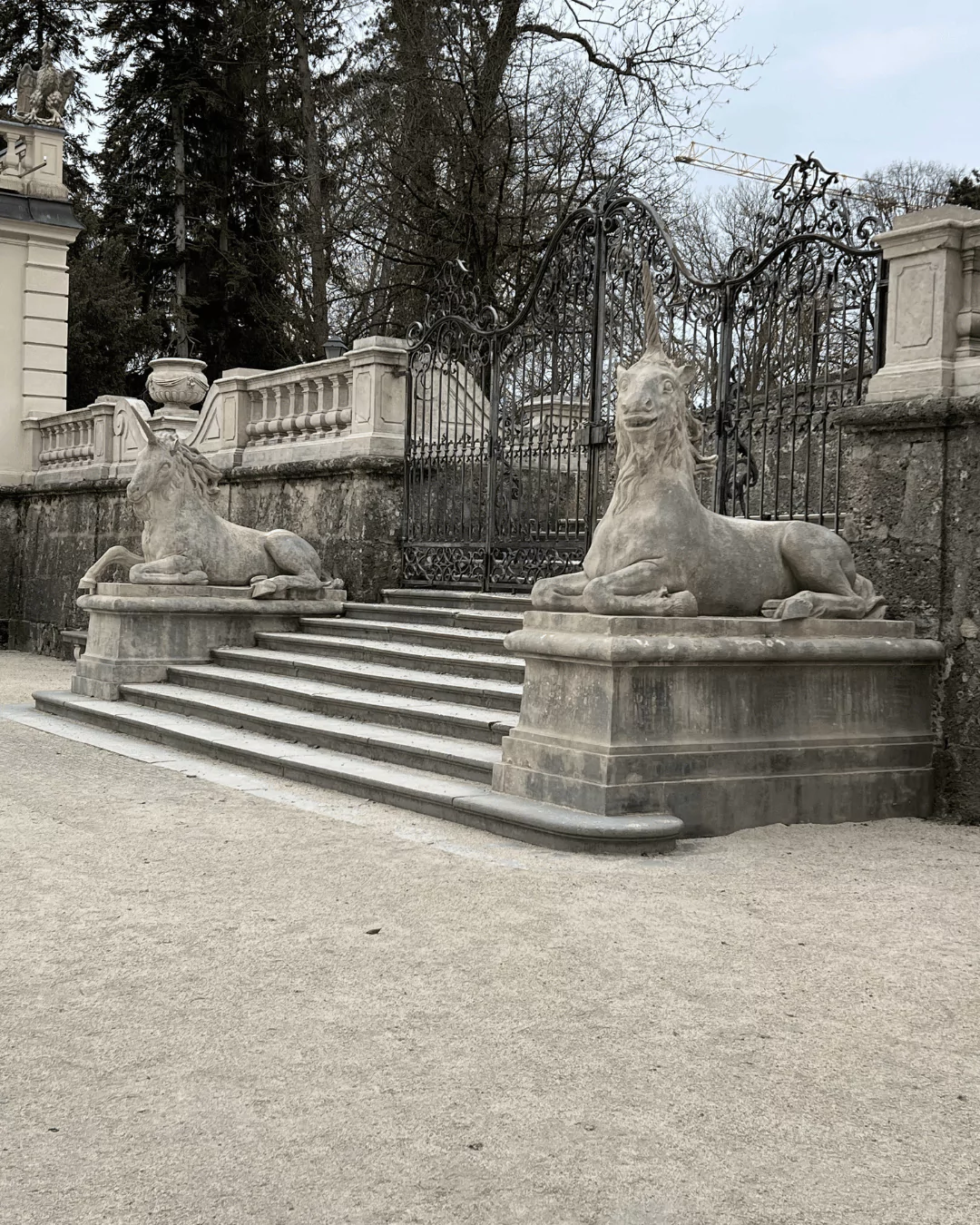
The gardens were completely redesigned under archbishop Johann Ernst von Thun in 1690 and features:
- The Pegasus Fountain features a sculpture of the horse, Pegasus.
- Located around the Grand Fountain are four groups that symbolize the 4 elements: fire, air, earth and water.
- Palace Chapel
- The Hedge Theater can be found in the western section of the gardens
- The Dwarf Garden
- The Rose Garden
- The Orangery functions today as a palm house.
 |
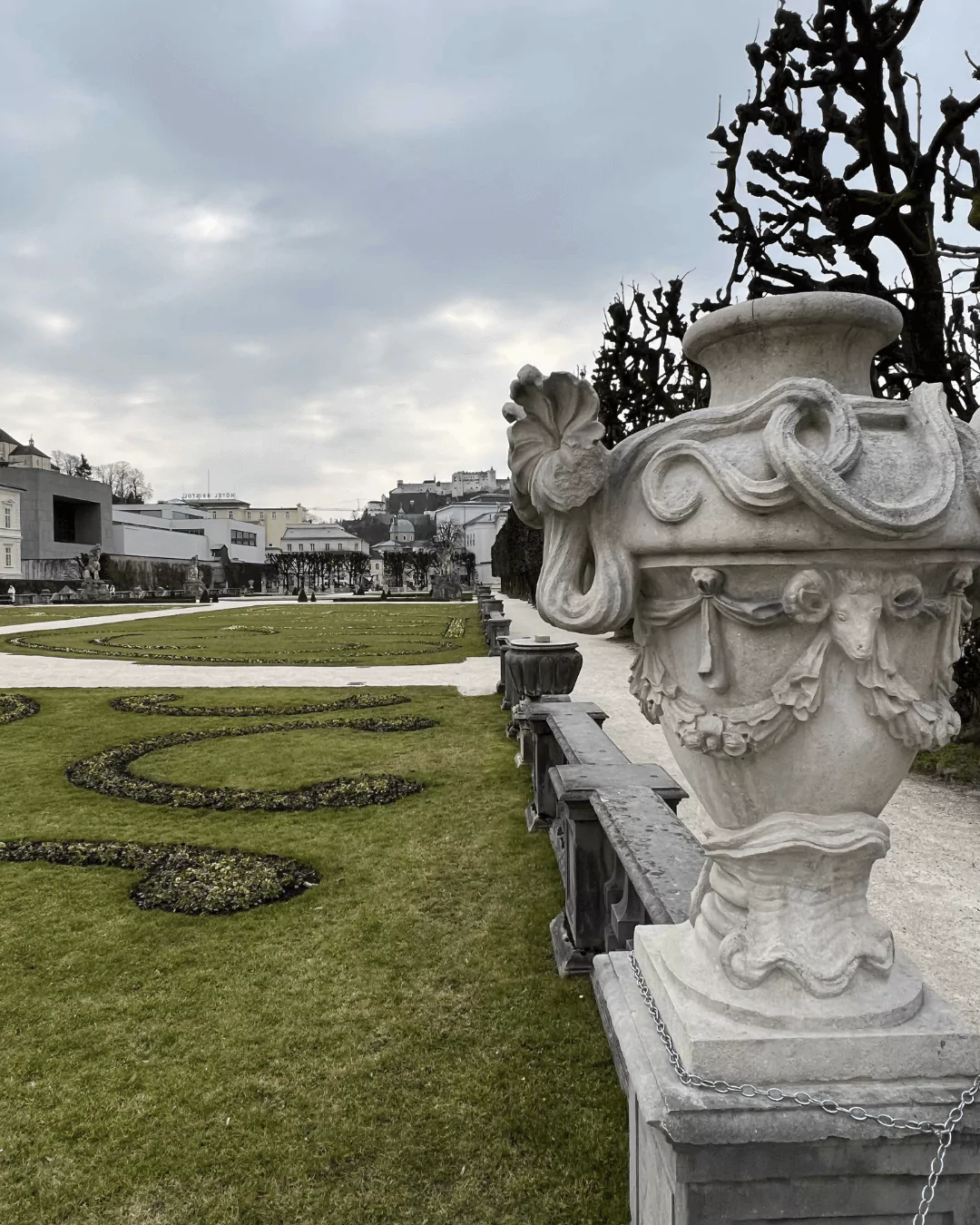 |
The palace features several rooms and halls that are open to the public, including the Marble Hall, which is known for its beautiful frescoes and stucco work, and the Mirabell Gardens, which are famous for their fountains, sculptures, and floral displays.

Schloss Mirabell is known for its appearance in the popular movie “The Sound of Music”. In the film, the gardens are the location where Maria and the von Trapp children sing “Do-Re-Mi” and dance around the fountain.
I didn’t get to go inside, which I kinda regret since we were literally right there. But it’s a place to add to your vacation hit list if you’re ever in Salzburg.
ENTRANCE FEE – Entrance to Mirabell Gardens is free of charge. Visitors can explore the beautifully landscaped gardens, fountains, statues, and flower beds without any admission fee.
OPENING TIMES – April to October: Daily: 6:00 AM to dusk (usually around 9:00 PM in summer), November to March: Daily: 6:00 AM to dusk (usually around 6:00 PM in winter)
Visit Hohensalzburg Fortress
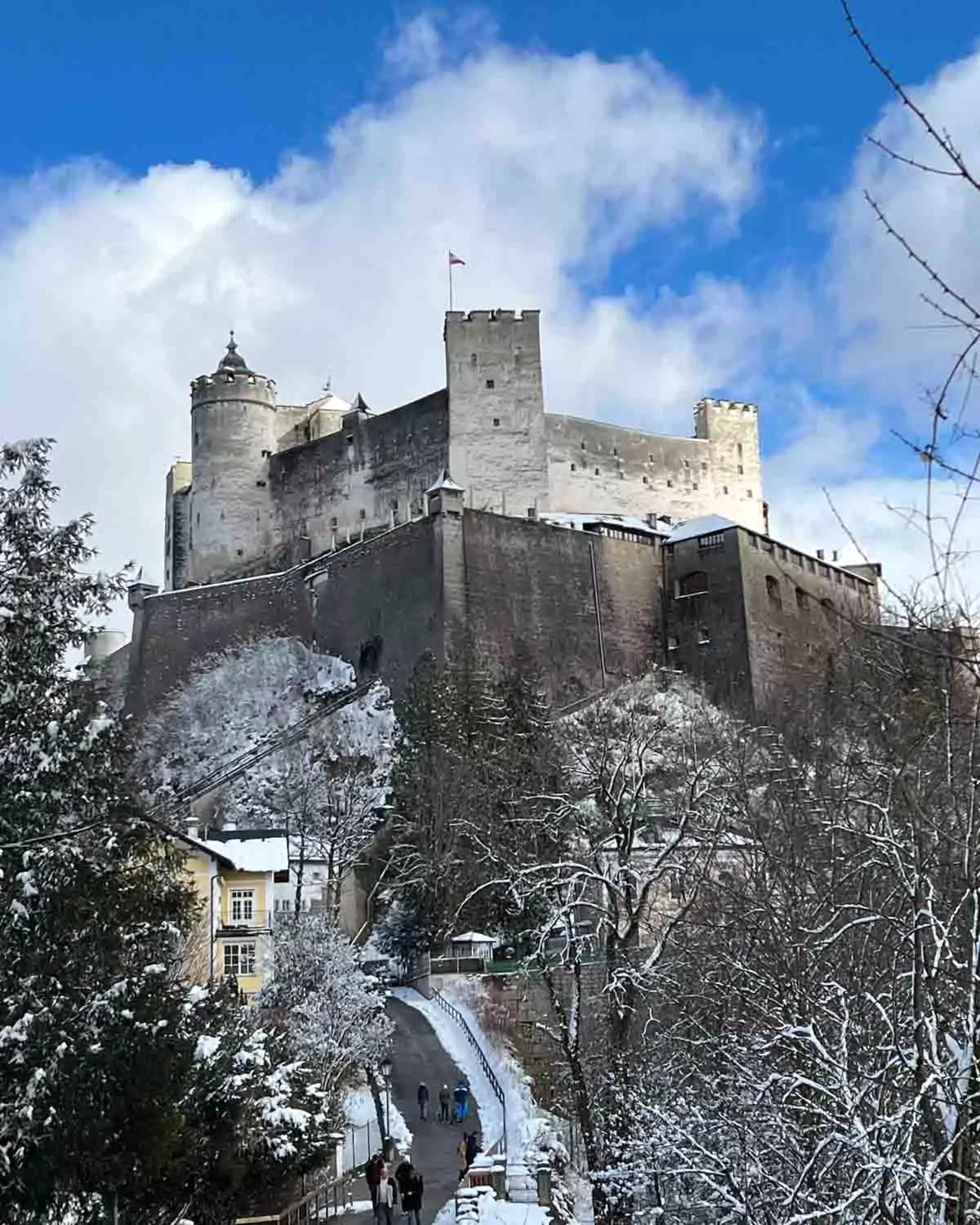
Visiting Hohensalzburg Fortress is like stepping into a living history book. Perched high above the city on Festungsberg hill, the fortress offers breathtaking panoramic views of Salzburg and the surrounding Alps. The journey begins with a short ride on the Festungsbahn funicular, which swiftly transports you from the bustling old town to the medieval stronghold.
Upon entering the fortress, you’re immediately struck by the imposing architecture and the sense of history that permeates every stone. Built in 1077, Hohensalzburg Fortress is one of the largest and best-preserved medieval castles in Europe. As you wander through the fortress, you’ll discover a wealth of fascinating exhibits in its various museums. The Fortress Museum showcases a range of artifacts, from ancient weaponry to intricate suits of armor, providing a glimpse into the life of the medieval garrison. The Marionette Museum, on the other hand, offers a whimsical look at Salzburg’s rich tradition of puppet theater.
One of the highlights of the visit is the state rooms, known as the Princes’ Chambers. These lavishly decorated rooms, with their intricate woodwork and stunning frescoes, reveal the opulence enjoyed by the archbishops who once resided here. Don’t miss the Reckturm (Torture Tower), where you can explore the darker aspects of the fortress’s history.
ENTRANCE FEE – Basic Admission (includes Fortress Museums): Adults: €12.90, Children (6-14 years): €7.40, Family Ticket (2 adults + up to 3 children): €28.00 – Purchase Tickets
Funicular Ride (round trip): Adults: €4.20, Children (6-14 years): €2.40
OPENING TIMES – January to April and October to December: Daily: 9:30 AM to 5:00 PM, May to September: Daily: 9:00 AM to 7:00 PM
Explore Salzburg Cathedral
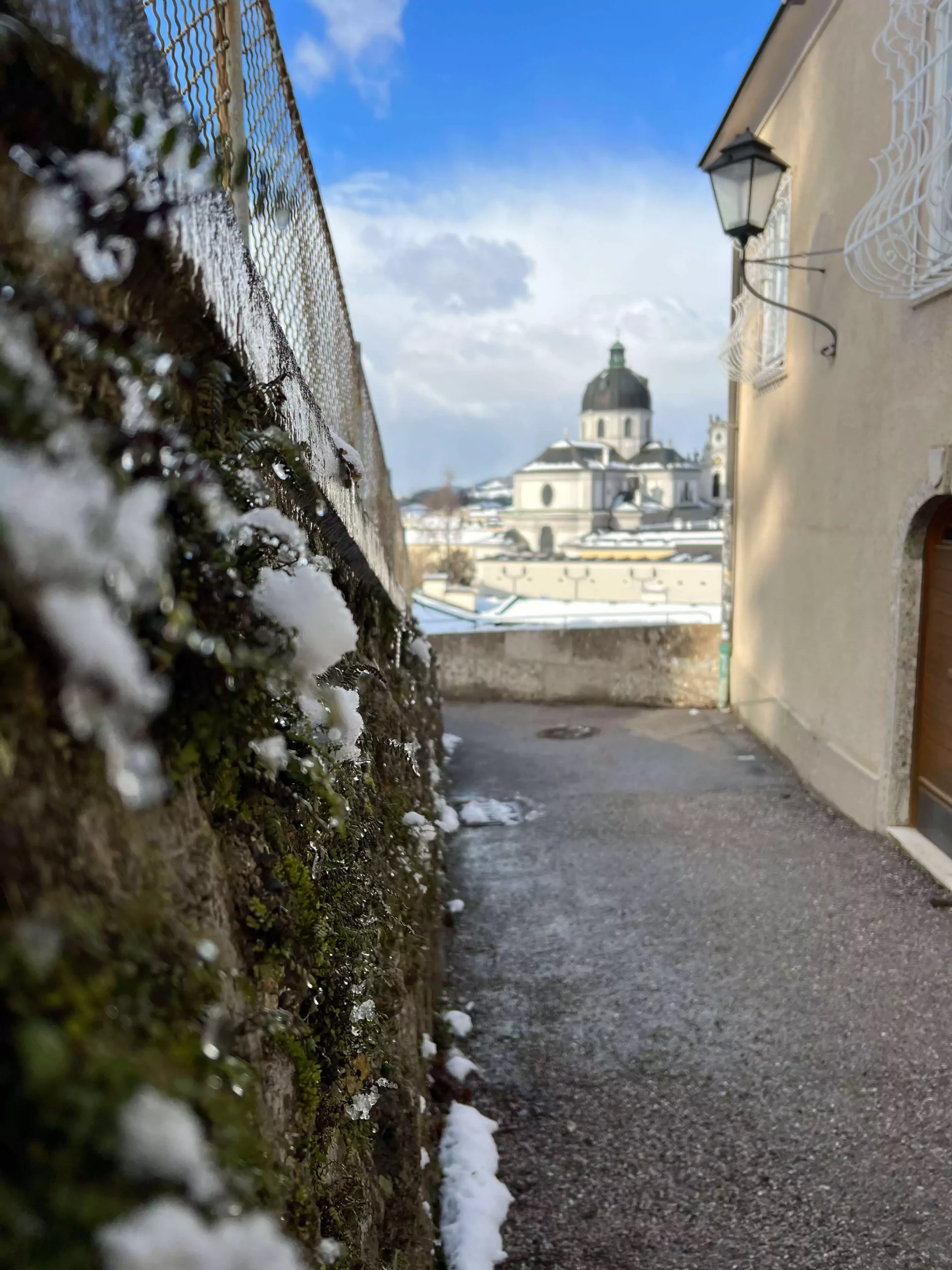
Exploring Salzburg Cathedral, also known as the Dom zu Salzburg, is a journey through architectural splendor and rich history. As you approach the cathedral, the first thing you notice is its imposing façade, an exquisite example of Baroque architecture. The twin towers and the grand dome dominate the skyline, hinting at the grandeur that awaits inside.
The cathedral’s focal point is its stunning main altar, a masterpiece of baroque art, framed by ornate sculptures and gilded decorations. As you move through the nave, you can’t help but be impressed by the four monumental organs, including the grand organ, which boasts over 4,000 pipes. These organs have played a crucial role in the musical history of Salzburg, with none other than Wolfgang Amadeus Mozart himself having performed here.
Don’t miss the chance to explore the cathedral’s crypt, where you can find the final resting place of many of Salzburg’s archbishops. The crypt also features fascinating archaeological remains, including parts of the earlier Romanesque church that stood on this site. As you leave the cathedral, take a moment to admire the Residenzplatz outside, where the cathedral’s impressive structure stands as a testament to the city’s rich cultural and religious heritage.
ENTRANCE FEE – Entrance to Salzburg Cathedral is generally free. However, there may be a suggested donation or a fee for special exhibitions, guided tours, or access to certain areas like the crypt or museum.
OPENING TIMES – Monday to Saturday: 8:00 AM to 7:00 PM, Sundays and Public Holidays: 1:00 PM to 7:00 PM
Stroll along the Getreidegasse
Strolling along Getreidegasse in Salzburg is like taking a walk through history, surrounded by a blend of charming architecture, vibrant shops, and the lingering essence of one of the city’s most famous residents, Wolfgang Amadeus Mozart. This bustling, narrow street is located in the heart of Salzburg’s Old Town and is a must-visit for anyone exploring the city.
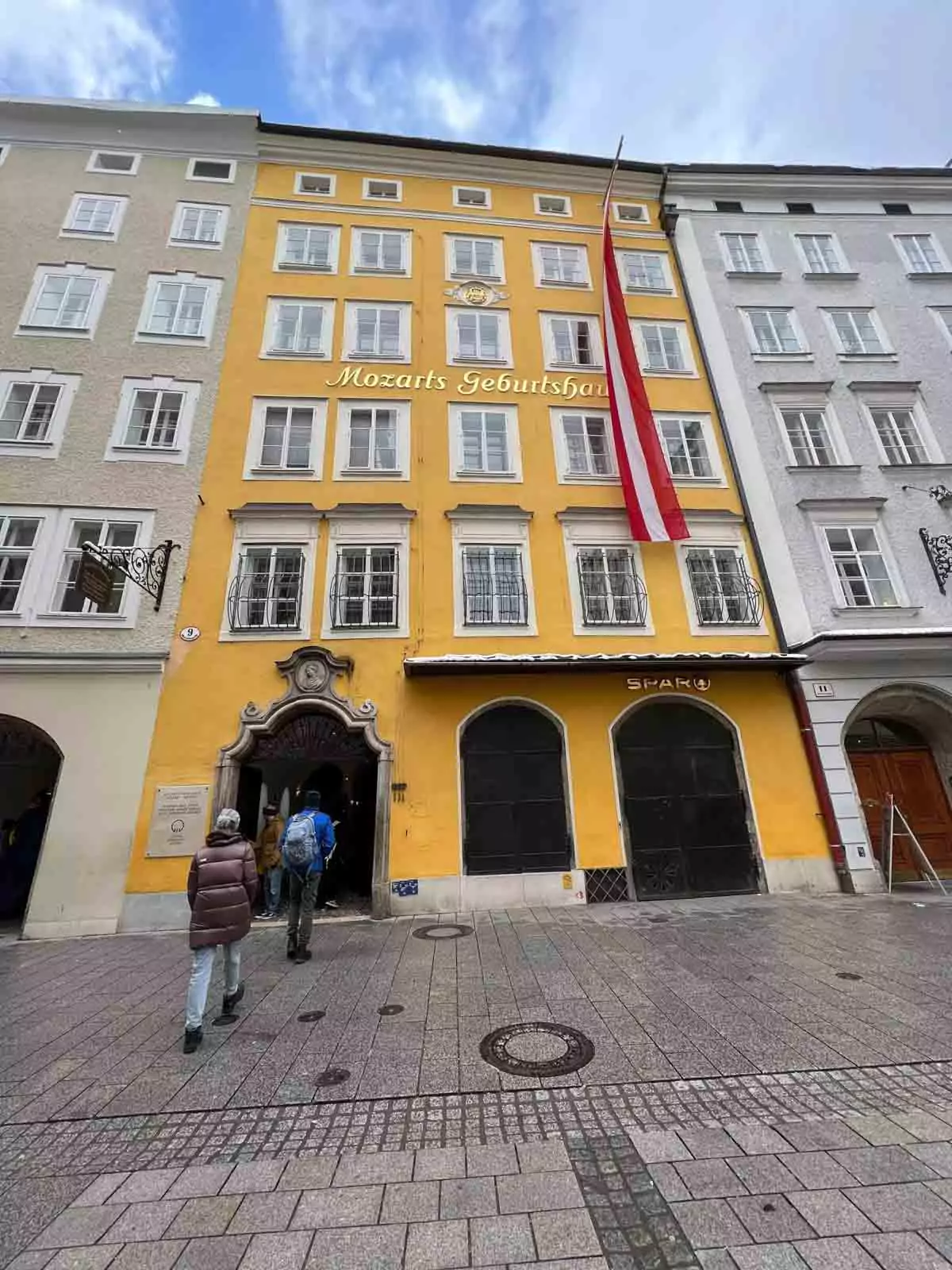
Begin your stroll at Mozart’s Birthplace at No. 9 Getreidegasse. This yellow, three-story house is where the musical prodigy was born on January 27, 1756.
Today, it’s a museum that offers a fascinating glimpse into Mozart’s early life and the environment that nurtured his genius. Inside, you’ll find original instruments, documents, and portraits that tell the story of his family and his formative years.
Tour Mozart’s Birthplace
Touring Mozart’s Birthplace in Salzburg is like stepping back in time to the 18th century, immersing yourself in the early life of one of the greatest composers in history. Located at Getreidegasse No. 9, this historic building is now a museum dedicated to Wolfgang Amadeus Mozart and offers a fascinating glimpse into his formative years.
As you enter the museum, you are greeted by the authentic ambiance of the period, with rooms preserved to reflect the living conditions of the Mozart family. The exhibits are thoughtfully arranged, guiding you through the story of Mozart’s early life. In the first room, you’ll find a collection of letters, documents, and portraits that provide insights into his family background and childhood. The walls are adorned with portraits of young Mozart, his parents, and his siblings, creating a personal and intimate connection to his life.
Moving through the museum, you’ll come across Mozart’s first instruments, including his childhood violin and clavichord. These artifacts are a testament to his prodigious talent and early start in music. The museum also houses original manuscripts of his compositions, showcasing the meticulous detail and creativity that characterized his work. Each room offers a deeper understanding of his development as a musician, from his first compositions at a tender age to his early travels across Europe that shaped his musical style.
One of the highlights of the tour is the room where Mozart was born on January 27, 1756. The museum also features multimedia exhibits, including recordings of his music and interactive displays that bring his compositions to life.
ENTRANCE FEE – Adults €12, children 6 – 14 yrs €3.50, youth 15 – 18 yrs €4. Combination tickets are available for Mozart’s Birthplace & Residence. Free entrance with the Salzburg card. – Purchase Tickets.
OPENING TIMES – Every day from 9 am till 5.30 pm (last entry 5 pm). During July & August from 8.30 am – 7 pm (last entry 6.30 pm).
Visit Hellbrunn Palace
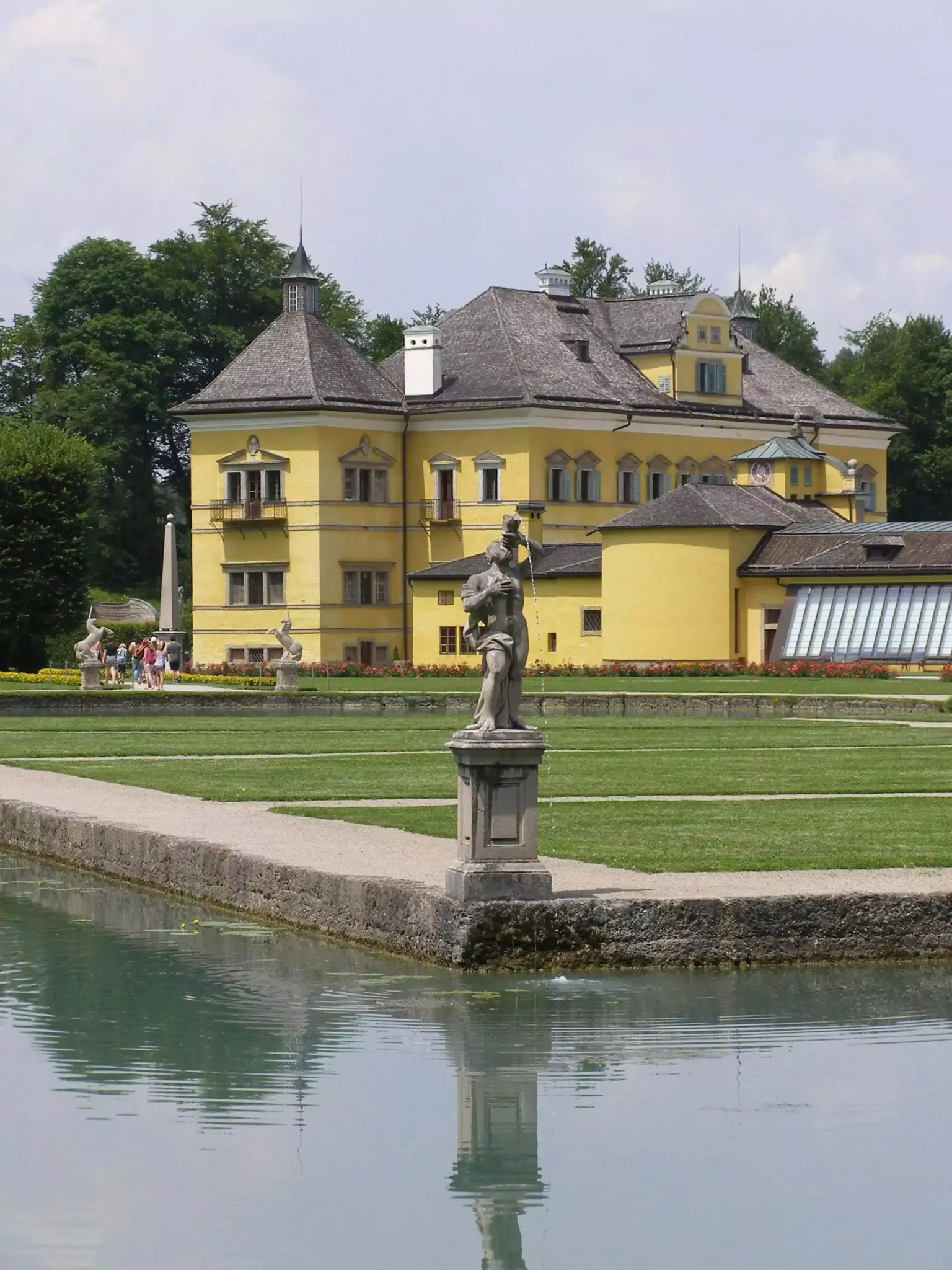
Visiting Hellbrunn Palace in Salzburg is like stepping into a fairy tale filled with whimsical surprises and historical elegance. Situated a short drive from the city center, Hellbrunn Palace is renowned for its stunning gardens, playful trick fountains, and the enchanting atmosphere that pervades the entire estate.
As you approach the palace, the bright yellow façade of the building stands out against the lush greenery of the surrounding park. Built in the early 17th century by Prince-Archbishop Markus Sittikus, Hellbrunn Palace was designed as a pleasure palace where the archbishop could entertain guests and enjoy leisurely pursuits. The palace itself is a fine example of early Baroque architecture, with spacious halls and beautifully decorated rooms.
The real magic of Hellbrunn lies in its famous trick fountains. As you enter the gardens, you are led on a guided tour that showcases these playful water features. Designed to surprise and delight, the trick fountains are hidden throughout the gardens, ready to spray unsuspecting visitors at any moment. The tour takes you through various grottoes and pathways, where water jets suddenly spring to life, creating an atmosphere of fun and laughter. Highlights include the Roman Theatre, the Mechanical Theatre with its moving figurines, and the grand Orpheus Grotto.
In addition to the trick fountains, the gardens of Hellbrunn are a sight to behold. Manicured lawns, blooming flower beds, and serene ponds create a tranquil setting perfect for a leisurely stroll. The large park also features several other attractions, including a zoo and the Steintheater, an open-air stone theater used for performances.
Inside the palace, you can explore the beautifully preserved rooms, including the grand banquet hall and the intricately decorated music room. The interiors are adorned with frescoes and period furniture, offering a glimpse into the lavish lifestyle of the archbishops. The palace also hosts various exhibitions and cultural events throughout the year.
One of the most enchanting aspects of Hellbrunn is the Hellbrunn Alley, a long, tree-lined avenue that connects the palace to the nearby Hellbrunn Hill. Walking down this picturesque path, you can enjoy the serene beauty of the landscape and the harmonious blend of nature and architecture.
ENTRANCE FEE – Combined Ticket (Palace & Trick Fountains): Adults: €14.50, Children (4-18 years): €7.00, Family Ticket (2 adults + 1 child): €32.00, Each additional child: €5.00 – Purchase Tickets.
OPENING TIMES – April, October: Daily: 9:00 AM to 4:30 PM, May, June, September: Daily: 9:00 AM to 5:30 PM, July, August: Daily: 9:00 AM to 6:00 PM
Take the Sound of Music Tour
Taking the Sound of Music Tour in Salzburg is a delightful journey through the picturesque locations that served as the backdrop for one of the most beloved musical films of all time. The tour is a must for fans of the movie, offering a chance to relive the magic of the von Trapp family’s story while enjoying the stunning scenery of Salzburg and its surroundings.
Mirabell Gardens
- Scenes: “Do-Re-Mi” song sequence.
- Highlights: The Pegasus Fountain, the steps where the children sang, and the hedge tunnel.
Leopoldskron Palace
- Scenes: Exterior shots of the von Trapp family home and the lake terrace.
- Highlights: While the palace itself isn’t open to the public, you’ll get a beautiful view of the exterior and the lake where the boat scene was filmed.
Hellbrunn Palace (Gazebo)
- Scenes: “Sixteen Going on Seventeen” and “Something Good”.
- Highlights: The gazebo has been relocated to the gardens of Hellbrunn Palace and can be visited up close.
Nonnberg Abbey
- Scenes: Exterior shots of the abbey where Maria was a postulant and the scenes of the nuns singing.
- Highlights: You can visit the courtyard and the church of this still-active convent.
St. Gilgen and Lake Wolfgang
- Scenes: Opening scenes of the movie showing aerial shots of the lake and surrounding mountains.
- Highlights: Stunning views of the lake and village that capture the natural beauty of the area.
Mondsee Cathedral
- Scenes: The wedding scene between Maria and Captain von Trapp.
- Highlights: The cathedral’s beautiful baroque interior is open to visitors and is a highlight of the tour.
Frohnburg Palace
- Scenes: The front of the von Trapp family home.
- Highlights: The palace’s exterior can be viewed, capturing the iconic scenes of Maria arriving with her guitar and the family escaping the Nazis.
Schloss Leopoldskron and the Leopoldskron Lake
- Scenes: The backyard and lake scenes.
- Highlights: While you can’t go inside, the views from across the lake are picturesque.
Mirabell Palace and Gardens
- Scenes: “Do-Re-Mi” steps and Pegasus Fountain.
- Highlights: Walk through the beautiful gardens and see where Maria and the children sang and danced.
St. Peter’s Cemetery and Catacombs
- Scenes: Inspiration for the cemetery scene where the family hides from the Nazis.
- Highlights: This beautiful and historic cemetery, although not the actual filming location, is said to have inspired the set design for the film.
Additional Stops:
- Riding School (Felsenreitschule): The concert hall where the von Trapp family performed before escaping.
- Salzburg Residenz Square (Residenzplatz): The square where Maria sings “I Have Confidence” while splashing in the fountain.
Book a Sound of Music Tour
- Original Sound of Music Tour Starting From $65.16
- Sound of Music Private Driver-Guided Tour Starting From $814.52
- Sound of Music Tour Starting From $71.95
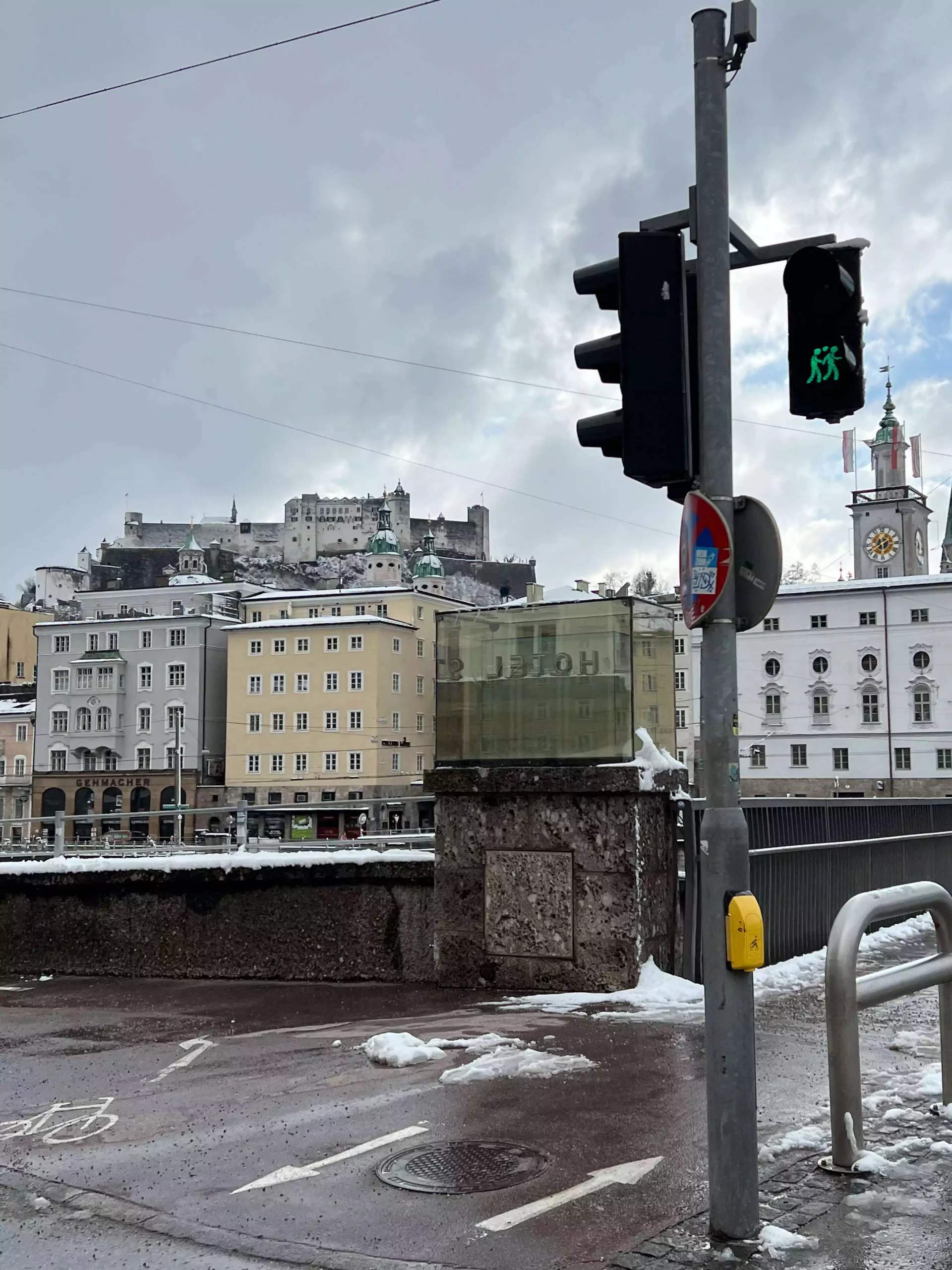
Explore the Salzburg Museum
Exploring the Salzburg Museum is a journey through the rich cultural heritage and vibrant history of this enchanting city. Located in the heart of Salzburg’s old town, the museum is housed in the magnificent Neue Residenz building, which itself is a historical gem. As you step inside, you’re greeted by a modern and inviting space that seamlessly blends contemporary design with historical elements.
ENTRANCE FEE – Adults: €9.00, Seniors (65+): €7.00, Students (under 26) and young adults (18-25): €4.00, Children and teenagers (6-18): €3.00, Family Ticket (2 adults + children): €18.00 – Purchase Tickets.
OPENING TIMES – Open daily. January – April: 9.30 a.m. – 5.00 p.m.. May – September: 9.00 a.m. – 7.00 p.m.. October – December: 9.30 a.m. – 5.00 p.m.
Relax by the Salzach River
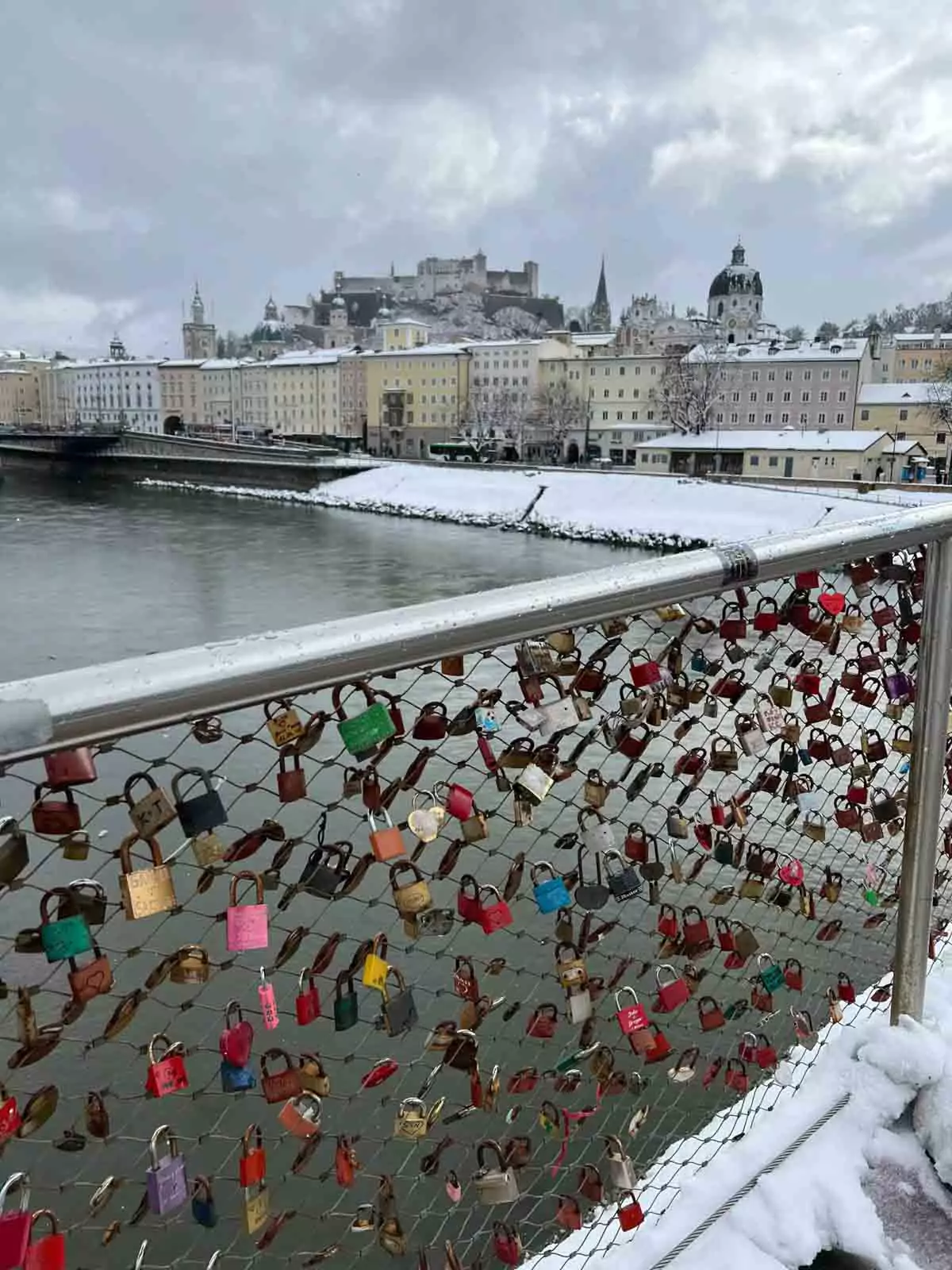
Relaxing by the Salzach River in Salzburg is a serene and picturesque experience, perfect for unwinding and soaking in the beauty of the city. The river, with its gentle flow and clear waters, runs through the heart of Salzburg, providing a natural respite from the hustle and bustle of urban life.
You’ll come across the Makartsteg Bridge, famous for its love locks. Couples from all over the world leave padlocks on the bridge as a symbol of their love, creating a colorful and charming display. Pause here to take in the views and perhaps add your own lock to the collection.
Budget Tips
- Travel Off-Peak: Salzburg’s peak tourist seasons are during the summer and around Christmas due to the famous Salzburg Festival and festive markets. Traveling in the shoulder seasons (early spring or late fall) can help you avoid higher prices for accommodations and flights.
- Stay in Budget Accommodations: Consider staying in hostels, budget hotels, or Airbnb options outside the city center. Public transportation in Salzburg is reliable and affordable, making it easy to commute into the heart of the city.
- Salzburg Card: Invest in a Salzburg Card, which offers free admission to many of the city’s museums and attractions, including the fortress, zoo, and public transport. It’s available for 24, 48, or 72 hours and can save you a significant amount of money if you plan to visit multiple sites.
- Eat Like a Local: Avoid dining in tourist-heavy areas like Getreidegasse. Instead, try local eateries or street vendors in less central locations for more affordable and authentic meals. Don’t miss out on trying local delicacies from bakeries, which offer delicious pastries and sandwiches at lower prices.
- Free Walking Tours: Join one of the free walking tours to get acquainted with the city. These tours are usually led by knowledgeable guides who work on a tip-only basis, making it an economical way to learn about Salzburg’s rich history and culture.
- Use Public Transportation: Salzburg’s public transport system is efficient and covers most tourist destinations. Purchase a 24-hour or weekly transport pass instead of single tickets to save money on day-to-day travel.
- Visit Free Attractions: Many of Salzburg’s attractions are free to visit. Stroll through the Mirabell Gardens, explore the city’s squares and old markets, or hike around the Kapuzinerberg and Monchsberg hills for great views of the city.
- Attend Free Concerts and Events: Look out for free concerts or events, especially during the summer. The University of Mozarteum often hosts free student concerts, providing high-quality music without the ticket price.
- Shop at Local Markets: For affordable shopping, head to local markets like the Schranne Market or the Grünmarkt at University Square, where you can find a variety of local goods and fresh produce at lower prices than in stores.
- Drink Tap Water: Salzburg has excellent quality tap water. Carry a refillable water bottle to save on buying bottled water.
Best Tours of Salzburg
The Original Sound of Music Tour takes you to iconic filming locations from The Sound of Music, including Mirabell Gardens, Leopoldskron Palace, Hellbrunn Palace (Gazebo), Nonnberg Abbey, Mondsee Cathedral, and more. This approximately four-hour tour is perfect for fans of the movie and those interested in seeing Salzburg’s beautiful scenery.
For a comprehensive overview of the city’s main attractions, the Salzburg City Tour is ideal. This tour covers key sites such as Salzburg Cathedral, Mozart’s Birthplace, Mirabell Palace, and Hohensalzburg Fortress. Lasting around 2.5 hours, it’s great for first-time visitors wanting to delve into Salzburg’s history and landmarks.
Classical music lovers will enjoy the Mozart City Tour, which focuses on locations associated with Wolfgang Amadeus Mozart, including his birthplace, residence, and performance venues. This tour lasts about 1.5 hours and provides deep insights into Mozart’s life and legacy.
For an adventurous experience, the Salt Mine Tour offers a fascinating look into the historic salt mines of Salzburg. This tour includes a train ride into the mines, slides, and an underground boat ride, making it perfect for families and those interested in the history of salt mining. It lasts approximately four hours.
Exploring Hellbrunn Palace and its Trick Fountains is a delightful experience, especially for those interested in Baroque architecture and whimsical garden features. The two-hour tour covers the palace and its famous trick fountains, as well as the surrounding gardens.
Foodies will appreciate the Salzburg Food Tour, which allows you to sample local delicacies and traditional Austrian cuisine at various eateries, markets, and cafes in Salzburg. This culinary journey lasts around three hours and offers a taste of the local flavor.
For a personalized experience, consider a Private Walking Tour of Salzburg. This tour is customized to your interests and covers top attractions and hidden gems of Salzburg. Typically lasting 2-3 hours, it’s ideal for those with specific interests or limited time.
Active travelers who enjoy cycling can opt for the Bicycle Tour of Salzburg. This three-hour tour explores Salzburg on two wheels, covering major sights such as Mirabell Gardens, the Old Town, and scenic riverside paths, offering a unique perspective of the city.
History buffs will enjoy the Hohensalzburg Fortress Tour, which provides a guided tour of the medieval fortress, including its museums, state rooms, and panoramic views of Salzburg. This tour lasts approximately two hours and offers a deep dive into medieval architecture and fortifications.
Where to stay in Salzburg
Budget – H+ Hotel Salzburg -The H+ Hotel Salzburg, centrally located by the Salzburg Railway Station and near the baroque Old Town, offers 120 modern, non-smoking rooms with soundproofed windows, free Wi-Fi, flat-screen TVs, and air conditioning. The top floor features a breakfast restaurant with panoramic views of Salzburg and the Alps, while the hotel also boasts a two-story spa and fitness zone, and a cozy lobby bar.
Mid-Range – IMLAUER Hotel Pitter Salzburg: The newly renovated, family-owned hotel in central Salzburg offers 192 rooms and suites, just a short walk from Mirabell Garden and the main station. Guests can enjoy the IMLAUER Sky Bar & Restaurant with stunning views, regional specialties in the PitterKeller, and free access to a top-floor fitness area, while the Pitter Event Center provides 1,200 sqm of versatile function space.
Luxury – Hotel & Villa Auersperg: A charming boutique hotel in the heart of the city, offering an extraordinary style and ambiance, a beautiful city garden, a cozy terrace, an organic breakfast, A*Bar & Lounge, and a rooftop terrace city spa with yoga and massages. Located in the urban Andräviertel near Linzergasse pedestrian zone, the hotel also provides private parking and high-class city bikes for guests.
Is there anything specific you’d like to know more about? Let me know in the comments below!
XOXO,
Katie
Traveling to Austria? Check out these other articles:
- One Perfect Day in Vienna Itinerary
- Salzburg Food Guide – Where to Eat in Salzburg, Austria
- Salzwelten: Hallstatt Salt Mine Tour Guided
- Our Day Trip to Vienna From Salzburg
- How To See Hallstatt In One Day From Salzburg: The Ultimate Guide
- The 22 Best Things to Do in Vienna Austria
Liked this Salzburg travel guide? Pin it for later!
 |
 |
