10 Day Itinerary in Italy for First Timers

Travel With Kinsley contains affiliate links and is a member of the Amazon Services LLC Associates Program, which means I may receive a cute little commission if you purchase through my links, at no extra cost to you. Please read full disclosure for more information.
Looking for a 10 day itinerary in Italy? You’ve come to the right spot!
Planning a trip to Italy for 10 days is no easy thing to do. I often find myself with hundreds of tabs open exploring different things to do, which cities are the best to visit and even tumbling down the rabbit hole of Pinterest. I totally know where you’re coming from (and I always have many tabs open because of my adhd).
Italy is an absolute dream to visit with the magical Dolomites in the northern region, so many beautiful cities along the coast (can you believe how much coast this country has?!), several islands in the Mediterranean, and so much history in the various ruins.
I’ve visited Italy a couple of times and it has become one of my favorite countries in Europe to visit. From the ease of traveling around by train to the variety of regions to visit, Italy has so much to offer.
I’ve been putting together smaller 1-2 day itineraries for each city, but I’d thought I’d share something longer – more in-depth. In this 10 day itinerary in Italy you’ll find a sampling of what the country has to offer.
I’ve included tips about what to know before you plan your trip to Italy, fun things to do in every city, where to stay (with your budget in mind), and how to get the most out of your trip in terms of your budget and time in Italy.
Ready to dive in? Let’s get started!
10 Day Itinerary in Italy Overview
Day 1: Explore Rome
Day 2: Rome to Naples
Day 3: Naples + day trip to Pompeii
Day 4: Naples + day trip to Amalfi Coast
Day 5: Naples to Florence
Day 6: Florence and day trip to Pisa
Day 6 Alternative: Florence and day trip to Cinque Terre
Day 7: Florence to Milan
Day 8: Milan and day trip to Lake Como
Day 9: Milan to Venice
Day 10: Venice and day trip to Murano + Burano + Torcello
What to know before your 10 days in Italy
When to visit Italy
I’m a traveler that always ends up somewhere in the winter, but I did get the chance to spend the spring in Italy with my husband for our anniversary. In my opinion the best time to visit Italy is during the spring (April to June) and fall (September to October).
During these months, the weather is mild and pleasant, making it ideal for sightseeing, outdoor activities, and enjoying the beautiful landscapes.
Additionally, these periods are less crowded compared to the peak summer season, allowing for a more relaxed experience at popular tourist destinations. Spring brings blooming flowers and vibrant colors, while fall offers the harvest season with various food and wine festivals.
If Italy is calling your name, check out how we spent our honeymoon there.

Weather in Italy
Italy experiences a varied climate due to its diverse geography. Coastal areas are generally warmer, while mountainous regions can be significantly cooler. Spring and fall are ideal for pleasant weather across the country.
We experienced rain in both Naples and Venice in the springtime, but Rome ended up being very hot. We had to ask for a fan in our hotel room because it was too early to turn on their air conditioning!
Northern Italy: Generally has a continental climate with hot summers and cold, snowy winters, especially in the Alps and Dolomites.
Central Italy: Enjoys a more temperate climate, with warm summers and mild, wet winters.
Southern Italy and the Islands: Typically have a Mediterranean climate with hot, dry summers and mild, rainy winters.

High Season in Italy
The high season in Italy typically runs from June to August, during the summer months. This period sees the highest number of tourists, especially in popular destinations like Rome, Venice, Florence, and the Amalfi Coast.
The weather is warm to hot, making it ideal for beach trips and outdoor activities, but it also means larger crowds and higher prices for accommodation and attractions.
Another peak period is during Easter, when many visitors come to experience Italy’s religious and cultural events.
How to get to Italy
By Plane
Many US airports offer direct flights to Italy, including John F. Kennedy International Airport (JFK), Newark Liberty International Airport (EWR), Miami International Airport, and Los Angeles International Airport (LAX). From these airports, you can fly to Italy’s Leonardo da Vinci-Fiumicino Airport (FCO), also known as Fiumicino Airport, and Ciampino Airport (CIA) in Rome, as well as Milan Malpensa.
By Train
Italy has one of the best train networks in Europe, and it’s well-linked by international train lines with France, Germany, Austria and more. It might be cheaper for you to fly into Paris, Munich or Milan and catch a train into Italy instead.
If you’re combining Italy and Austria, check out my Northern Italy Austria itinerary options (with a few different routes for different timeframes and travel styles).
By Car
If you’re exploring Europe in a rental car then Italy is easily accessible from all neighboring countries, just check if you need an International Driver’s Permit first and keep in mind that some mountain villages are car-free, so you’ll need to park on the outskirts and catch a train or bus there instead.

How to get around Italy
Trains!
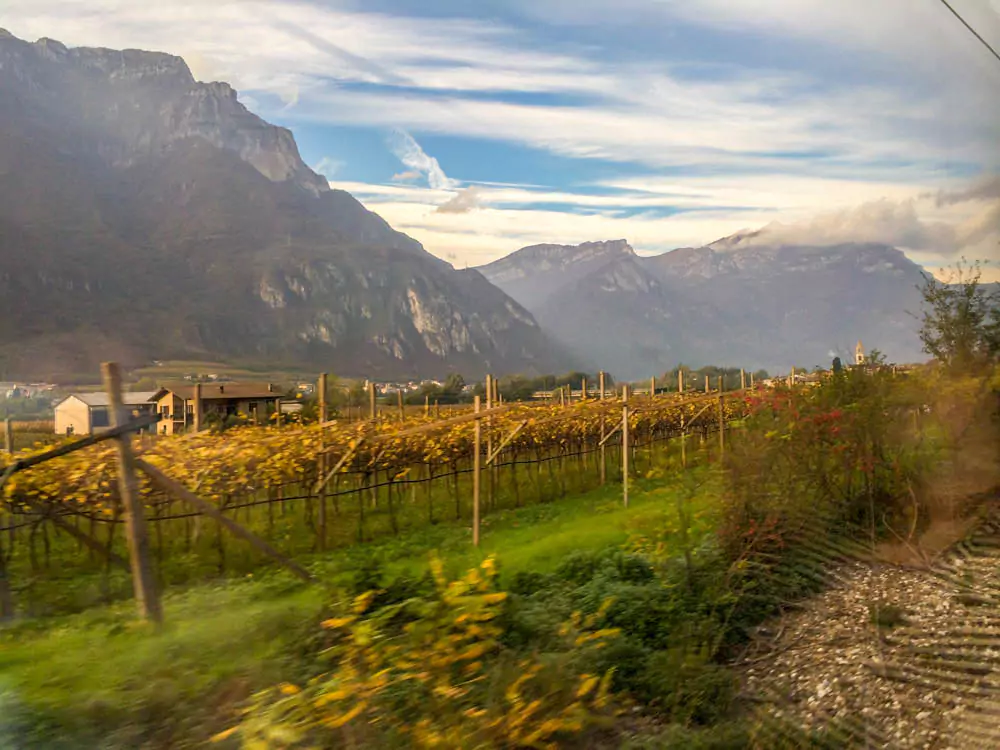
Train travel is the best way to get around Italy. Trains are very reliable, can be booked a head of time, and offer the best bang for your buck in terms of time and money. It’s fairly easy to get the hang of the Italian trains with a little research before you travel.
The best travel pass for this 10 day itinerary in Italy
The Eurail Italy Pass gives you unlimited access to the trains in Italy. You can choose a certain number of days for your Eurail Italy Pass and it can be between 3-8 days of unlimited train travel.
The 3 day pass is perfect if you’re visiting 2-4 destinations. The 8 day pass is perfect for visiting 7-9 destinations.
You can use your 3-8 travel days any time within one month of your start date. You can spread them out or use the back-to-back. Note: You can only travel with a Eurail Pass if you live outside of Europe.
Getting around Italy by car
I haven’t driven around Italy myself so I can’t give you any personal recommendations here, but honestly the train system is so fantastic that I just think having a car would be more trouble than it’s worth.
Some places on this itinerary are car-free, and whoever is driving will miss out on some of the best views. whereas on a train you can enjoy the scenery without worrying about keeping your eyes on the road. Skip the car and go for the green, convenient and scenic option instead!
What to budget for 10 days in Italy
Please note: These prices are based on my personal experience in Italy and are of course very changeable and dependent on season. Always check current accommodation costs for your planned travel dates before booking flights, you don’t want to lock in flights and then realize your hotel costs are way more than you expected.
Accommodation
I’ve stayed in some hostels and some hotels that were budget-friendly (around $100/night). I typically choose places that are around $130/night because they have a little better amenities like breakfast or are in a more convenient location.
Some of the hostels I’ve stayed at were group rooms, which I’ve never found appealing, but they’re worth it if you are trying to spend as little as possible.
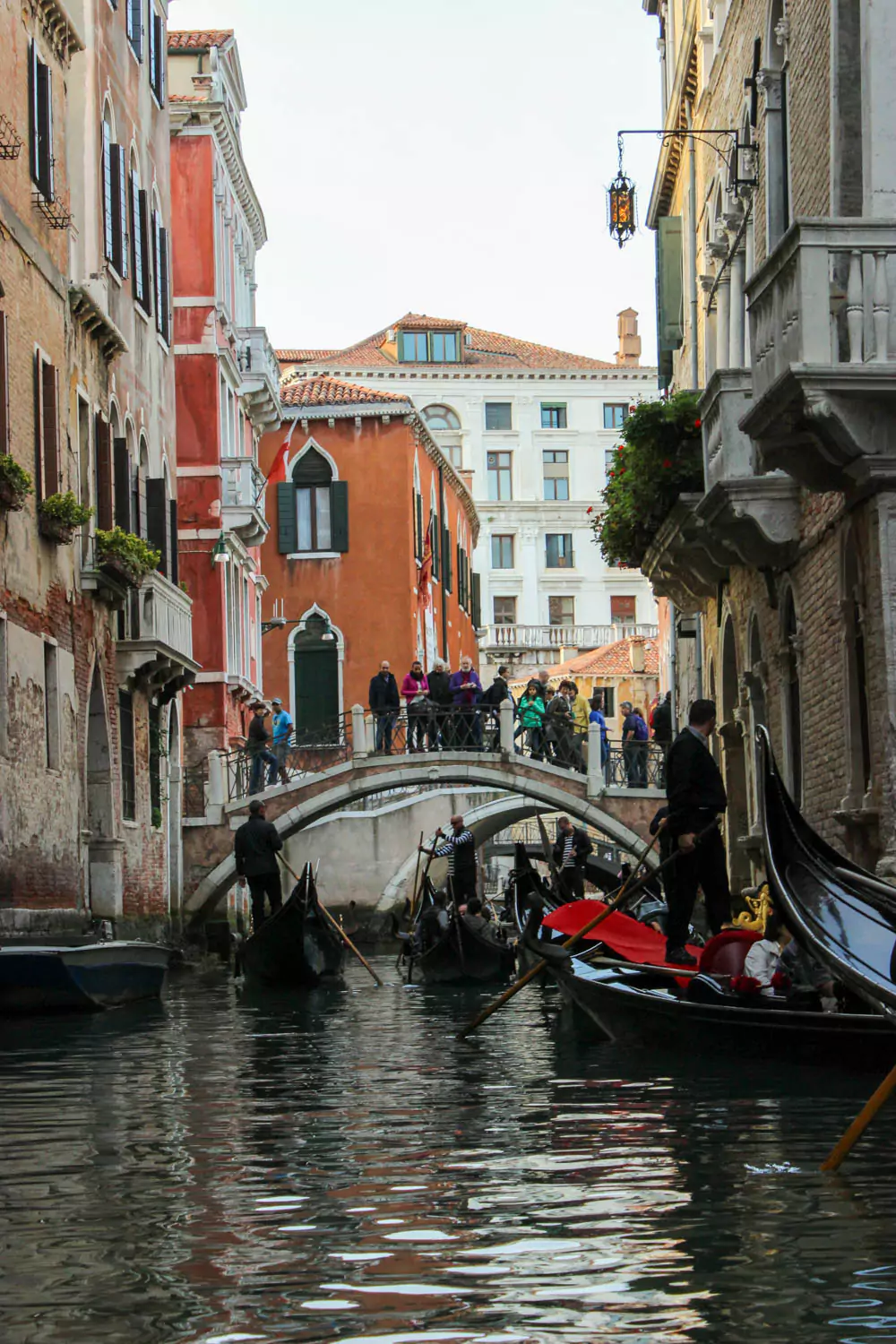
I splurged in Venice because we were celebrating our anniversary. The room was a lot larger than anything else we stayed in, but we hardly spent time in the room because we were out exploring. The best thing about the room was the large tub – which was needed after getting drenched on our tour!
Transport
I typically purchase my train tickets before my trips, so everything is taken care of ahead of time (and I just have to show up for the schedule!).
When I arrive in each city, I tend to look for the subway ticket in the 24-48 hour pass – especially if I’m going to be exploring a lot of attractions.
There has been one or two occasions where I’ve had to grab a taxi, but that usually happens when it gets late or if I feel unsafe in an area.
Food
I’m an on-the-go eater. Especially on trains, I like to grab a simple meat, bread and cheese sandwich from the train station and a water. I don’t like to eat large meals that make me tired. I simply eat to fuel my fun-filled day!
I know. Italy is known for pizza and pasta, which can often weigh you down. I always grab a slice here or there, but I don’t over-indulge! I am a nervous traveler, but I work my way through each meal slowly (and I often pack with granola bars for “omg, I’m starving” moments).
The ultimate 10 day itinerary in Italy
Who is this Italy 10 day itinerary for?
This 10 day itinerary is for travelers heading to Italy who want to make the most of their time in this European slice of paradise.
It’s a fairly fast-paced trip, you’ll be busy throughout each day and moving cities every second day or so, but that’s what it takes to experience the best Italy has to offer over 10 days.
If you’re looking for a shorter trip you can check out my 7 day Italy itinerary, or if you have more time you can take this itinerary and slow it down. Enjoy!
10 Day Itinerary in Italy For First Timers
I mapped this 10 day Italy itinerary for first timers with the Eurail Italy Pass and it suggested to purchase the 6 day pass to complete this trip. The price at the time I searched was $233.
Day 1: Explore Rome
Start your first day in Rome (because it’s has always been a direct flight for me from the US). I know one night in Rome might not be enough for you to overcome your jetlag, but if you arrive at 7 a.m. you’ll have the entire day for sight-seeing.
If you’re looking to relax more and shake off the flight, then adjust this itinerary to add another day in Rome (or make it 11 days instead of 10!).

About Rome
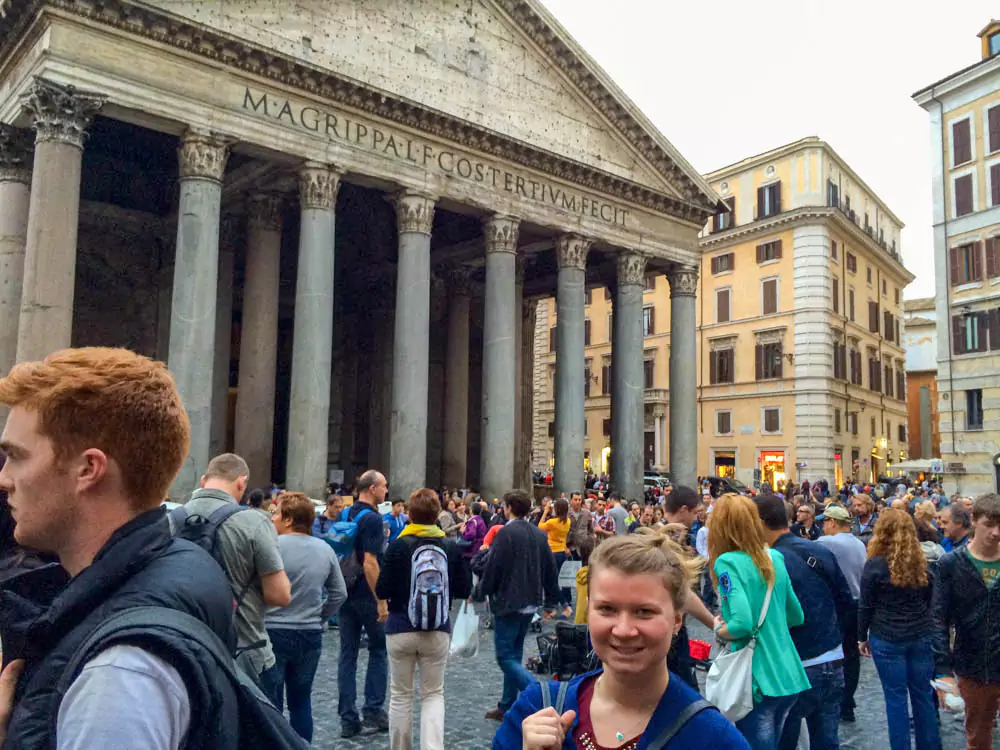
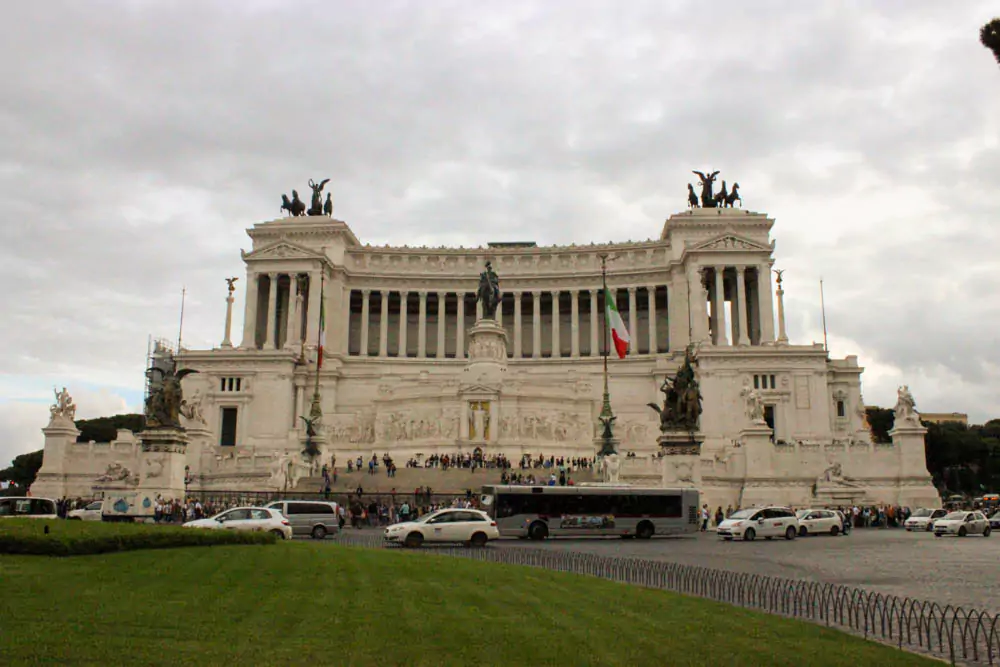
Rome, the capital of Italy, is a city steeped in history and culture. Known as the Eternal City, it was the heart of the Roman Empire and remains a treasure trove of ancient monuments, including the Colosseum, the Roman Forum, and the Pantheon.
Rome is also home to Vatican City, the epicenter of the Catholic Church, where you can visit St. Peter’s Basilica and the Sistine Chapel. Plus, the Vatican is technically another country, so two birds, one stone, haha.
Rome’s vibrant neighborhoods, like Trastevere and Campo de’ Fiori, have lively markets, authentic cuisine, and you can catch a glimpse of local life. You can read more about Rome in my 2 day itinerary. And if you need to find a place to stay, check out these top-rated boutique hotels for your visit.

Things to do in Rome
- Visit the Colosseum: Explore the ancient amphitheater, a symbol of Rome’s imperial past.
- Tour the Vatican Museums and Sistine Chapel: Marvel at Michelangelo’s masterpiece and other incredible artworks.
- St. Peter’s Basilica: Climb to the dome for panoramic views of the city.
- Explore the Roman Forum: Walk through the heart of ancient Rome.
- Trevi Fountain: Toss a coin into the fountain for good luck.
- Pantheon: Visit this architectural marvel with its impressive dome.
- Piazza Navona: Enjoy the vibrant square with fountains, cafes, and street artists.
- Spanish Steps: Climb the famous steps and explore the surrounding shopping district.
- Villa Borghese: Stroll through the beautiful park and visit the Borghese Gallery.
- Trastevere: Wander through this charming neighborhood known for its narrow streets, lively nightlife, and authentic Roman eateries.
Where to stay in Rome
Budget
- The Beehive: Eco-friendly hostel near Termini Station, offering affordable dorms and private rooms with a welcoming, communal atmosphere.
- Generator Rome: Stylish, budget-friendly hostel with modern amenities, located close to Termini Station, ideal for social travelers.
- Casa Simpatia: A budget guesthouse with simple, clean rooms, located near the Colosseum, perfect for budget-conscious tourists.
Mid-Range
- Hotel Della Conciliazione: Comfortable hotel near the Vatican, offering stylish rooms and excellent service.
- Hotel Artemide: Located on Via Nazionale, this hotel offers modern amenities, a rooftop bar, and a central location.
- Albergo del Senato: Mid-range hotel with classic decor, situated near the Pantheon, offering great views and proximity to major attractions.
Luxury
- Hotel de Russie: Luxurious hotel near Piazza del Popolo, featuring elegant rooms, a spa, and a beautiful garden.
- Rome Cavalieri, A Waldorf Astoria Hotel: Offers luxurious accommodations, panoramic views of Rome, a spa, and a Michelin-starred restaurant.
- Hotel Eden: A luxury hotel with refined decor, rooftop dining, and impeccable service, located near the Spanish Steps.

Day 2: Rome to Naples
Start your second day of this 10 day itinerary in Italy by having coffee and a pastry like the locals. Take it the Italian way by standing at the bar – it costs less!
Since you only had one day in Rome, you can spend the rest of your morning taking a tour of the Colosseum or Palatine Hill. Or you can take a tour of the Vatican Museum before you head on to Naples because it is such a short train ride.
Once you arrive in Naples, you can check into your hotel and wander the Historic City Centre or the Spanish Quarter before dinner. For this itinerary you’ll be staying in Naples for three nights.

How to get from Rome to Naples
To get from Rome to Naples, the most convenient option is by train. You can take a high-speed train from Roma Termini station to Napoli Centrale. The train ride takes about 1 to 1.5 hours, with frequent departures throughout the day.
Trains are operated by Trenitalia (Frecciarossa) and Italo, both offering comfortable and fast services. The cheapest tickets I’ve found are only around $17.
Alternatively, you can drive, which takes around 2-3 hours, or take a bus, which is more economical but takes longer, about 2.5-3 hours.
About Naples
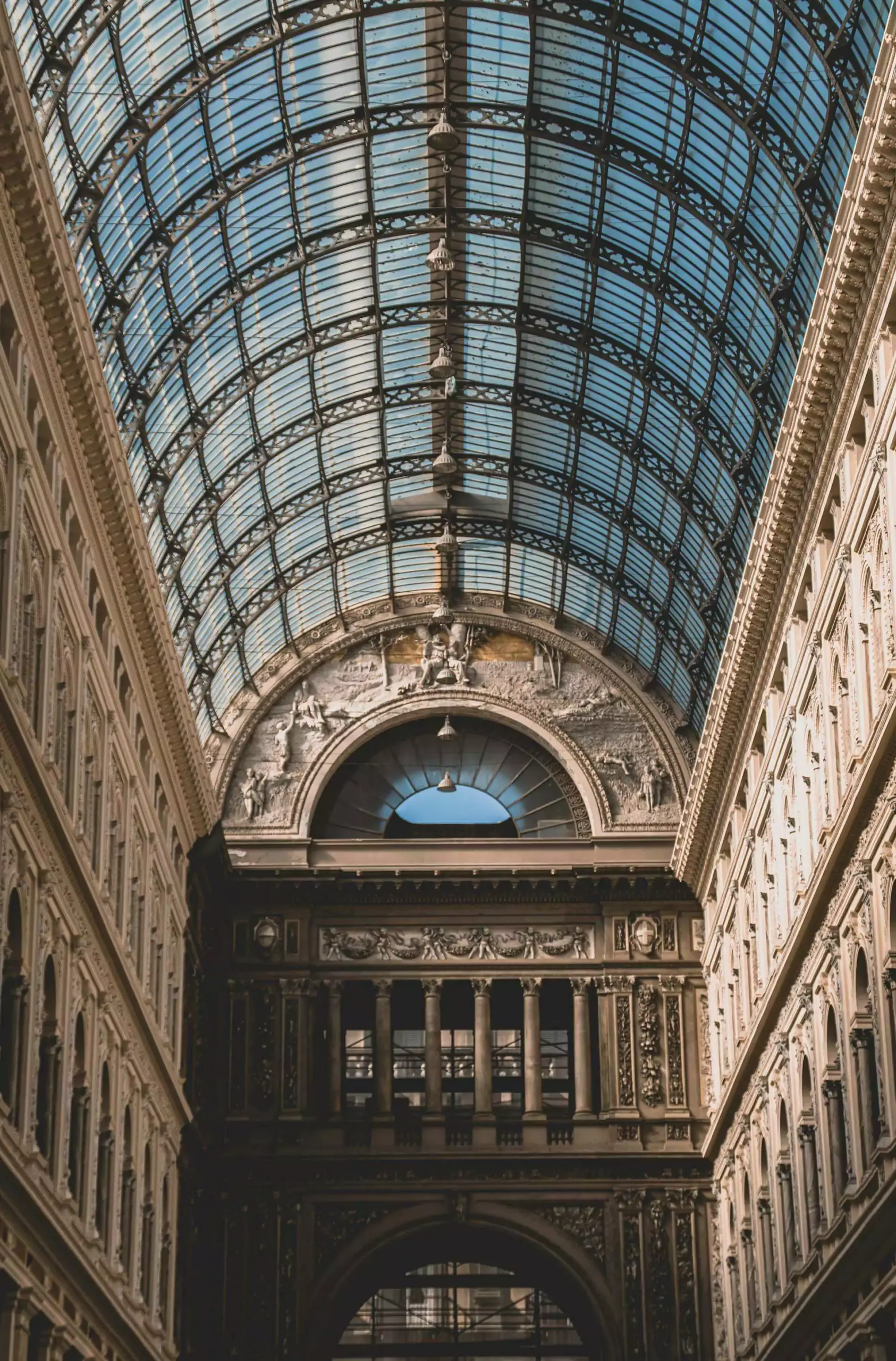
Naples, located in southern Italy, is a vibrant city known for its rich history, art, and culture. It’s famous as the birthplace of pizza and offers an authentic Italian experience with its bustling streets, historic sites, and lively atmosphere.
Key attractions include the ancient ruins of Pompeii, the stunning Amalfi Coast nearby, and the impressive Mount Vesuvius.
Naples’ historic center, a UNESCO World Heritage site, is filled with narrow alleys, beautiful churches, and historic palazzos, making it a must-visit destination.
Things to do in Naples
- Naples National Archaeological Museum: Explore artifacts from Pompeii and ancient Rome.
- Castel dell’Ovo: Visit this historic seaside fortress for panoramic views.
- Naples Cathedral: Marvel at the stunning architecture of this Gothic cathedral.
- Explore Spaccanapoli: Walk through the historic center filled with narrow streets, shops, and churches.
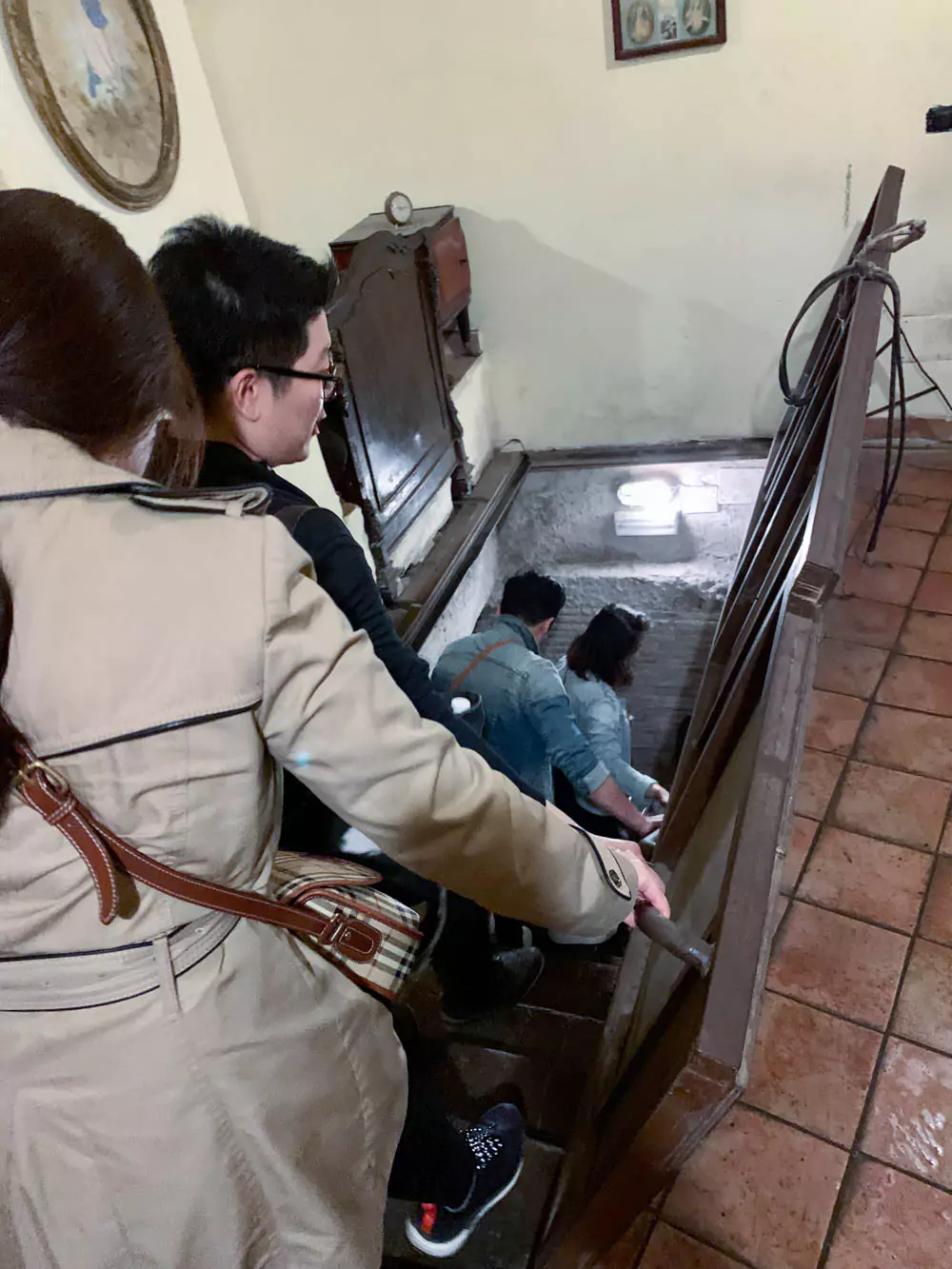
- Sansevero Chapel: Discover the Veiled Christ, a renowned marble sculpture.
- Taste Neapolitan Pizza: Enjoy authentic pizza at local pizzerias like Sorbillo.

Where to stay in Naples
Budget
- B&B ToledoStation: A budget-friendly option near Via Toledo, offering clean, comfortable rooms and close access to public transport.
- Hotel Europeo: Centrally located in the historic center, this hotel offers simple, affordable accommodations with colorful decor.
- Hostel of the Sun: A highly-rated hostel near the port, offering budget dorms and private rooms, with a friendly atmosphere and free breakfast.
Mid-Range
- Palazzo Alabardieri: A boutique hotel in the chic Chiaia district, offering stylish rooms and easy access to shopping and dining.
- Hotel Piazza Bellini: Located in the historic center, this hotel combines modern design with classic architecture, offering a trendy yet comfortable stay.
- Hotel Il Convento: A charming hotel in a historic building near Via Toledo, offering cozy rooms with a traditional Neapolitan feel.
Luxury
- Grand Hotel Vesuvio: A five-star hotel with stunning views of the Bay of Naples, featuring luxury rooms, a rooftop restaurant, and a spa.
- Romeo Hotel: A modern luxury hotel with a rooftop pool, gourmet dining, and a prime location near the port and historic center.
- Hotel Excelsior: A historic hotel offering elegant rooms, a rooftop terrace, and views of Vesuvius and the Gulf of Naples.
Day 3: Naples + day trip to Pompeii
Start your third day of the 10 day itinerary in Italy with breakfast in Naples. Be sure to fill up before you head out on your tour of Pompeii.
Pompeii
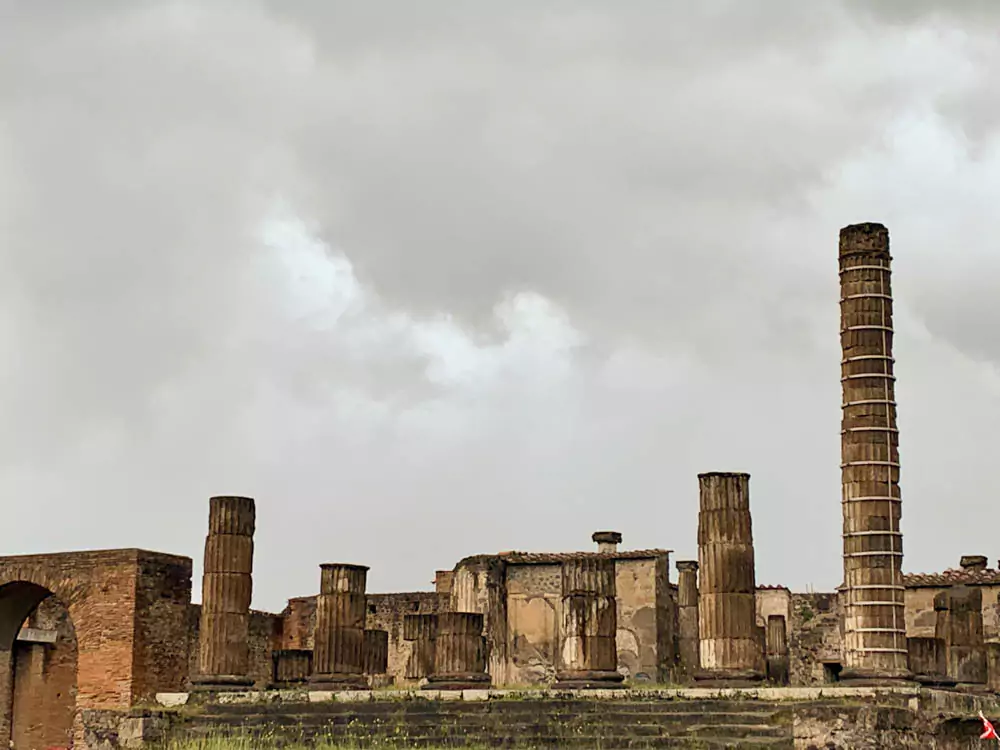
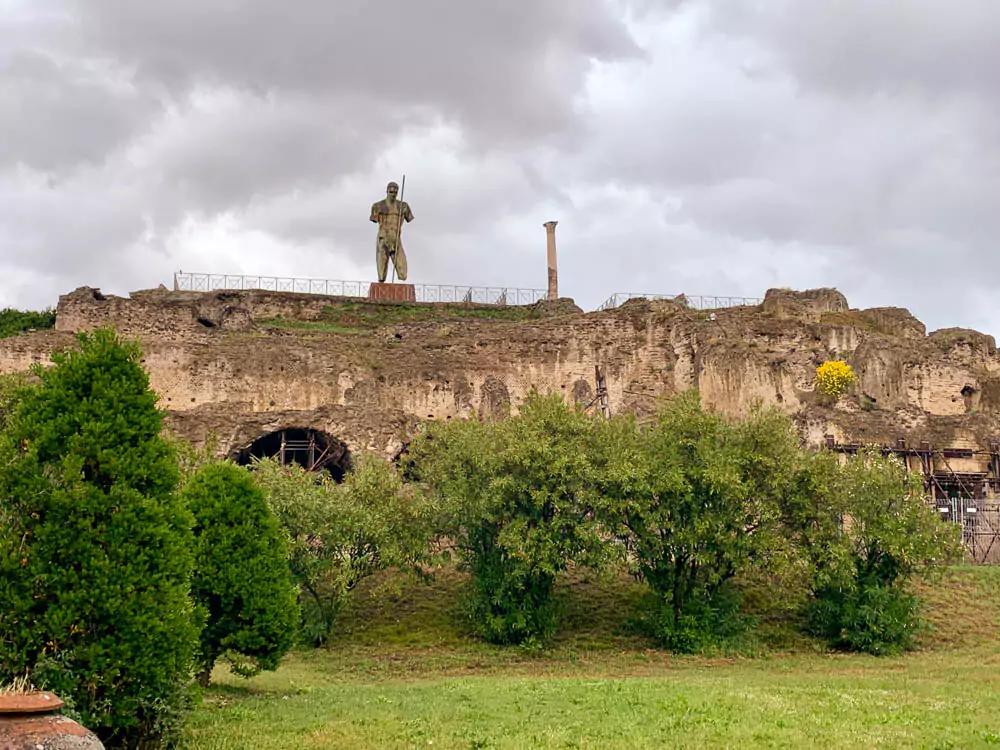
Pompeii is an ancient Roman city near Naples that was buried under volcanic ash and pumice following the eruption of Mount Vesuvius in 79 AD.
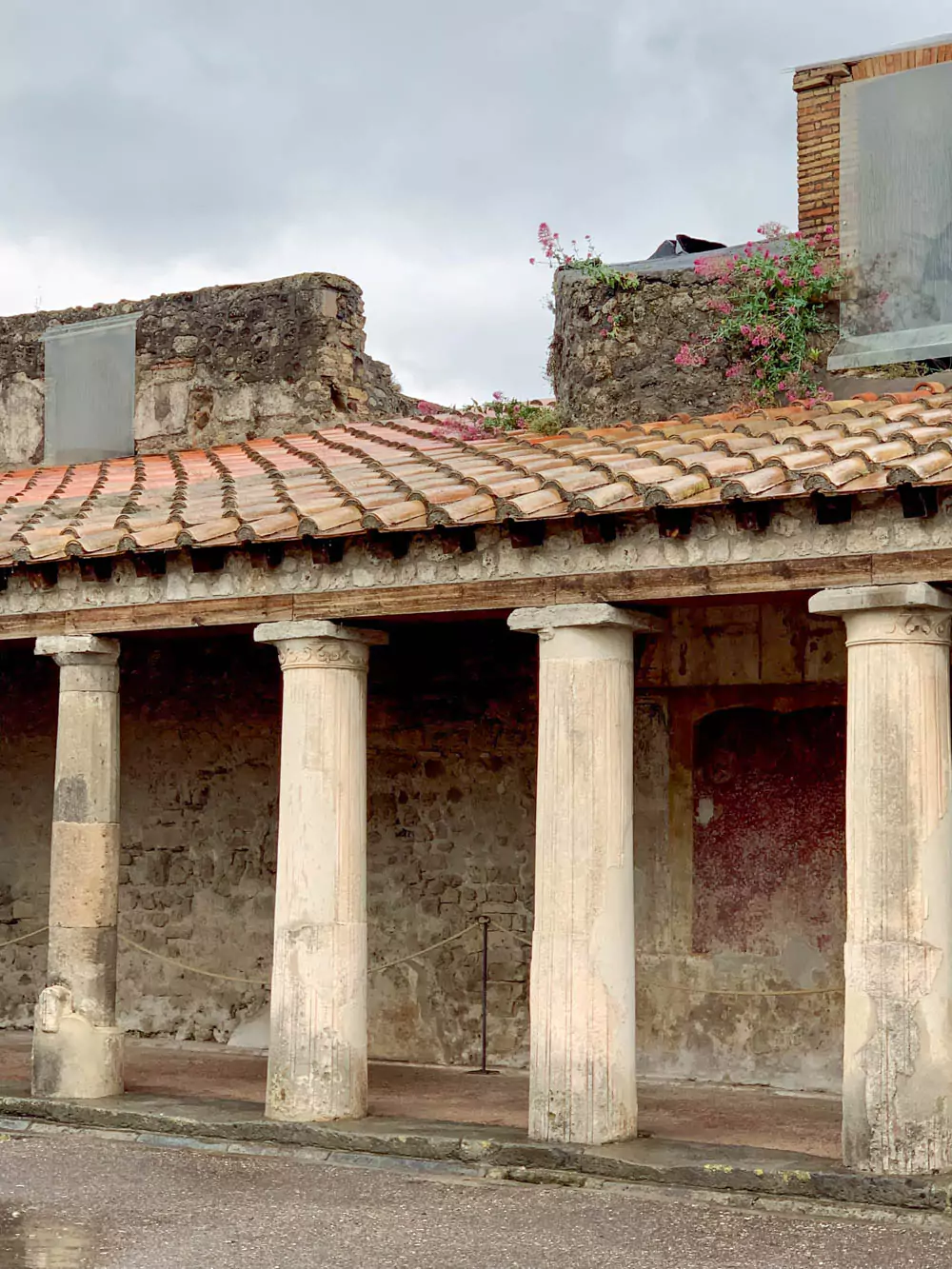
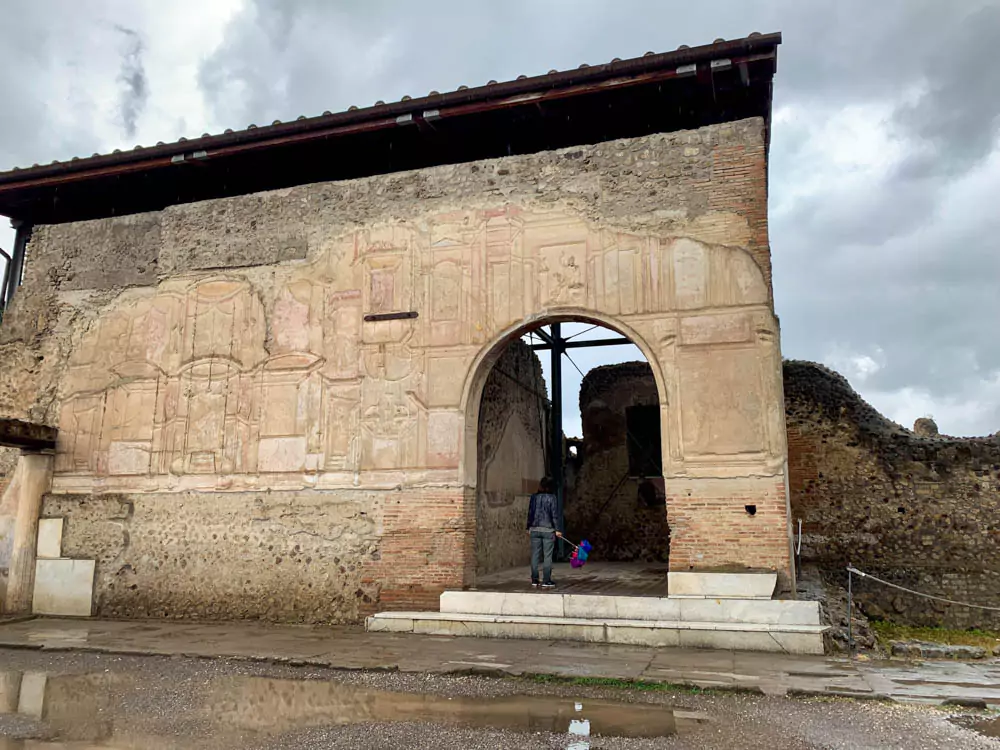
The site was preserved remarkably well, providing a detailed snapshot of Roman life. You can explore the ruins of homes, temples, theaters, and even shops, all frozen in time. Highlights include the Amphitheater, the Forum, and the Villa of the Mysteries, where you can see the frescoes.
Pompeii is a UNESCO World Heritage Site and one of Italy’s most significant archaeological sites.
How to get there
To get from Naples to Pompeii, the most convenient option is by train. You can take the Circumvesuviana train from Napoli Garibaldi station (located inside Napoli Centrale) to Pompei Scavi-Villa dei Misteri station. I found fares as low as $6 for this ride.
The ride takes about 30-40 minutes, and trains run frequently throughout the day. This station is just a short walk from the main entrance to the Pompeii archaeological site.
Alternatively, you can drive, take a bus, or join a guided tour for more convenience. We went on a guided tour which included transportation and they took care of the tickets for us as well.
Highlights
- The Forum: The center of public life, surrounded by important buildings like temples and markets.
- The Amphitheater: One of the oldest surviving Roman amphitheaters, used for gladiatorial games.
- Villa of the Mysteries: A well-preserved house featuring vivid frescoes depicting mysterious rites.
- House of the Faun: A grand residence with beautiful mosaics, including the famous “Alexander Mosaic.”
- The Lupanar: An ancient brothel with explicit frescoes that provide insights into Roman society.
Prices and discounts
The standard ticket price for visiting Pompeii is around €18, but discounts are available for EU citizens aged 18-24, who pay a reduced fee of approximately €2.
Additionally, there are combined tickets available that include access to other archaeological sites like Herculaneum. Check the official website for the most current pricing and any special promotions.
Book tickets on the official Pompeii website >
Day 4: Naples + day trip to Amalfi Coast
Begin you 4th day of your 10 day itinerary in Italy with breakfast before you head out on your day trip to the Amalfi Coast.
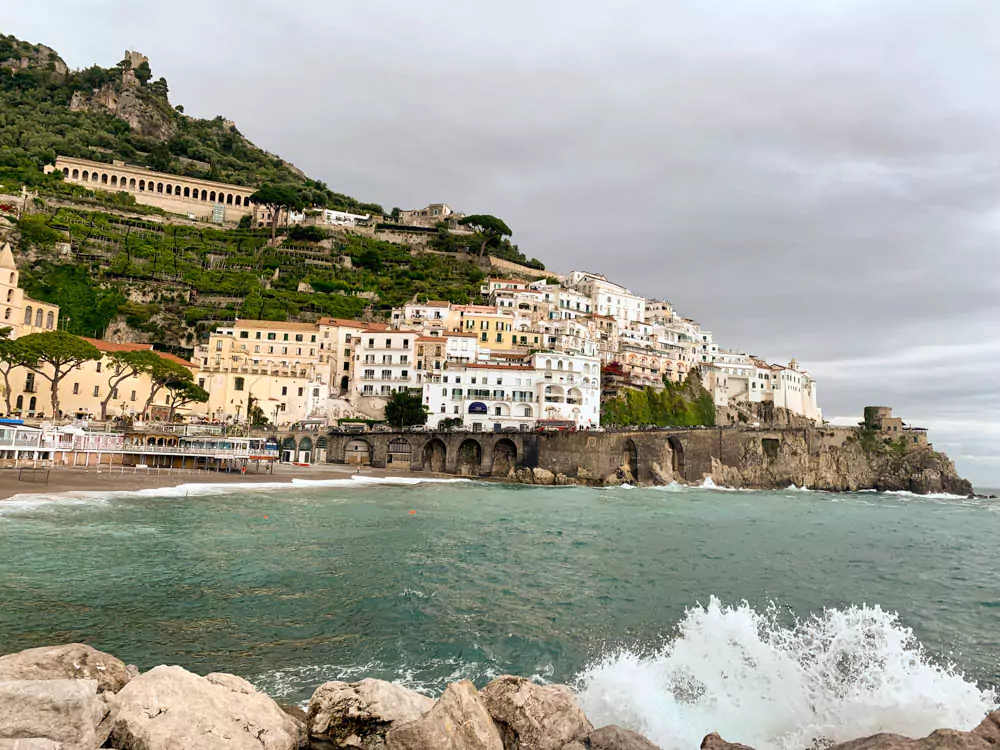
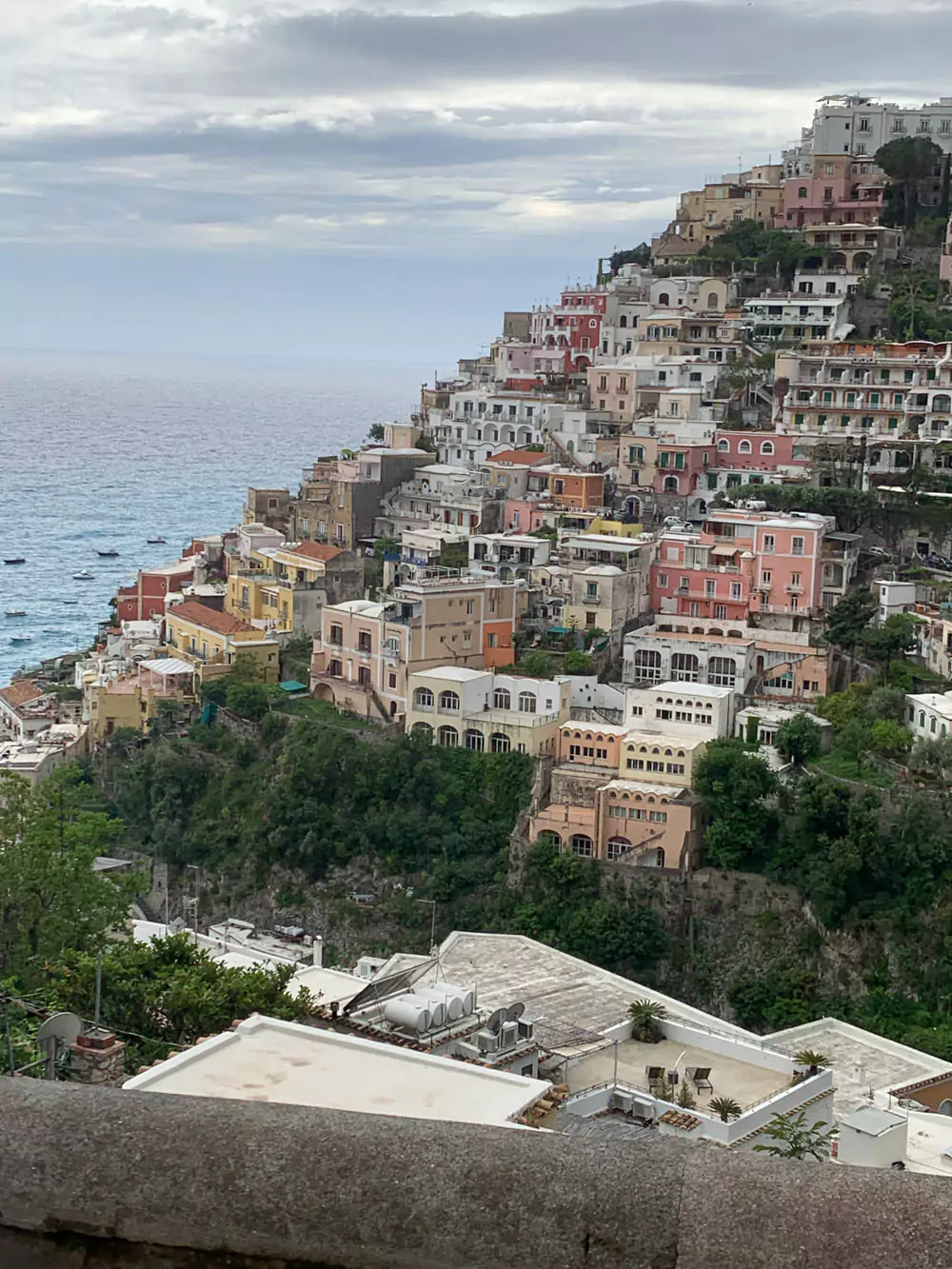
We joined a group tour that picked us up near the train station in Naples. It was a smaller bus (not one of the coach buses), so driving through the scenic coast was beautiful.
Amalfi Coast
How to get there
By Train and Bus: Take a train from Napoli Centrale to Sorrento (via Circumvesuviana). From Sorrento, catch a bus (SITA) that serves various towns along the Amalfi Coast, such as Positano and Amalfi.
By Ferry: During the warmer months, ferries run from Naples to Sorrento, Positano, and Amalfi. This option offers stunning coastal views.
By Car: You can drive from Naples, but be prepared for winding roads and limited parking.
By Private Transfer: Book a private car service for a direct and comfortable ride.

Highlights
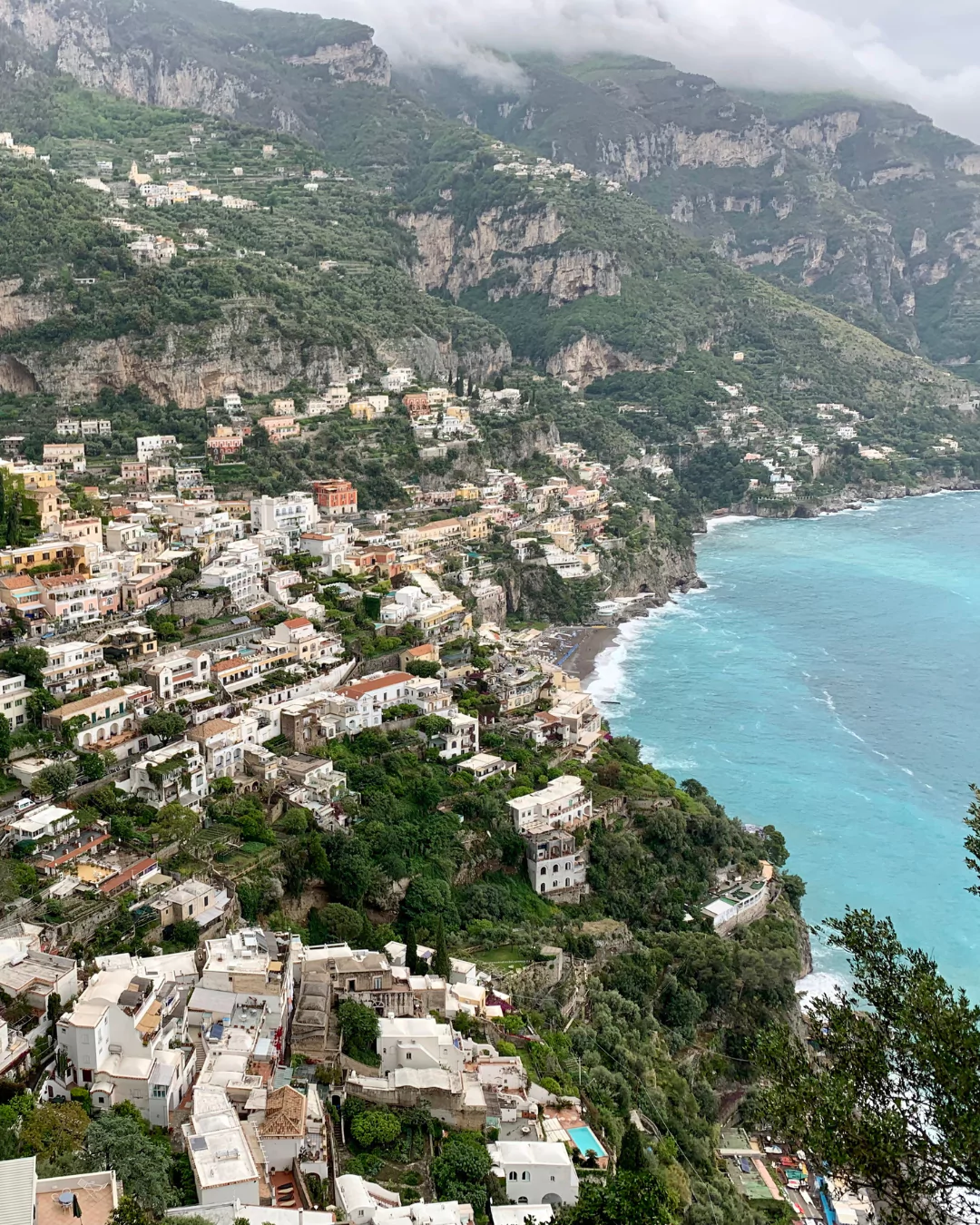
- Positano: Famous for its colorful buildings cascading down the cliffside and beautiful beaches.
- Amalfi: The historic heart of the coast, home to the stunning Amalfi Cathedral.
- Ravello: Known for its serene atmosphere and breathtaking views from Villa Rufolo and Villa Cimbrone.
- Path of the Gods: A hiking trail offering spectacular vistas of the coastline.
- Fiordo di Furore: A dramatic fjord with a hidden beach.
Tour prices
Group tours of the Amalfi Coast offer a convenient and immersive way to explore this stunning region. These tours typically include visits to iconic towns like Positano, Amalfi, and Ravello, with guided commentary on the area’s history, culture, and natural beauty.
Some tours may also include boat rides along the coast, giving you a different perspective of the dramatic cliffs and azure waters. Tours vary in length from half-day to full-day options, often departing from Naples, Sorrento, or Salerno.
Group tours of the Amalfi Coast typically range from €60 to €150 per person for a full-day tour. Prices vary based on the type of tour, duration, and included amenities, such as lunch, boat rides, or guided visits to multiple towns.
Basic bus tours tend to be on the lower end, while more comprehensive experiences with additional activities or smaller groups may cost more. Be sure to book in advance, especially during peak tourist season, to secure your spot and potentially get better rates.
You can find various tour operators offering these experiences on platforms like GetYourGuide, or through local travel agencies.

Day 5: Naples to Florence
Day five of your 10 day itinerary in Italy is a travel day to Florence in the beautiful Tuscany countryside.
It’s a short ride at around two and a half hours, but will take up almost your whole morning between the ride and checking out of your hotel.
How to get from Naples to Florence
To get from Naples to Florence, the most efficient option is by high-speed train. Trains depart regularly from Napoli Centrale to Firenze Santa Maria Novella station, with the journey taking about 2.5 to 3 hours.
Trains are operated by Trenitalia (Frecciarossa) and Italo, both offering comfortable and fast service.
About Florence
Florence, the capital of Italy’s Tuscany region, is a city known for its rich history, stunning architecture, and contributions to art and culture.
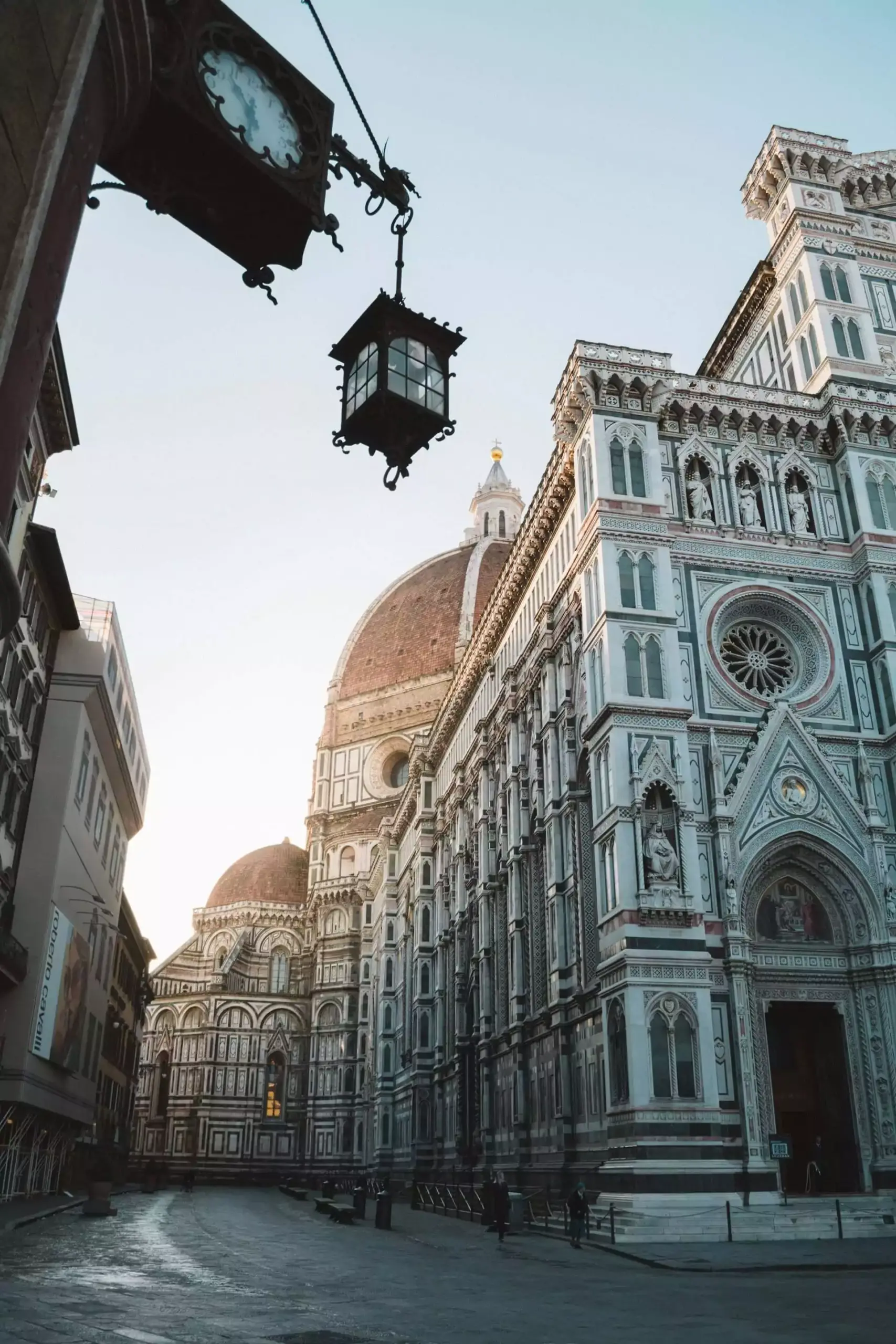
Often considered the birthplace of the Renaissance, Florence is home to iconic landmarks like the Duomo (Cathedral of Santa Maria del Fiore), Ponte Vecchio, and the Uffizi Gallery, which houses masterpieces by artists such as Michelangelo, Leonardo da Vinci, and Botticelli.
The city’s narrow streets, historic palaces, and vibrant piazzas reflect its significant cultural heritage. Florence is also famous for its culinary delights, particularly its traditional Tuscan cuisine and fine wines.
Check out this three day guide to Florence if you’re looking to stay a little longer.
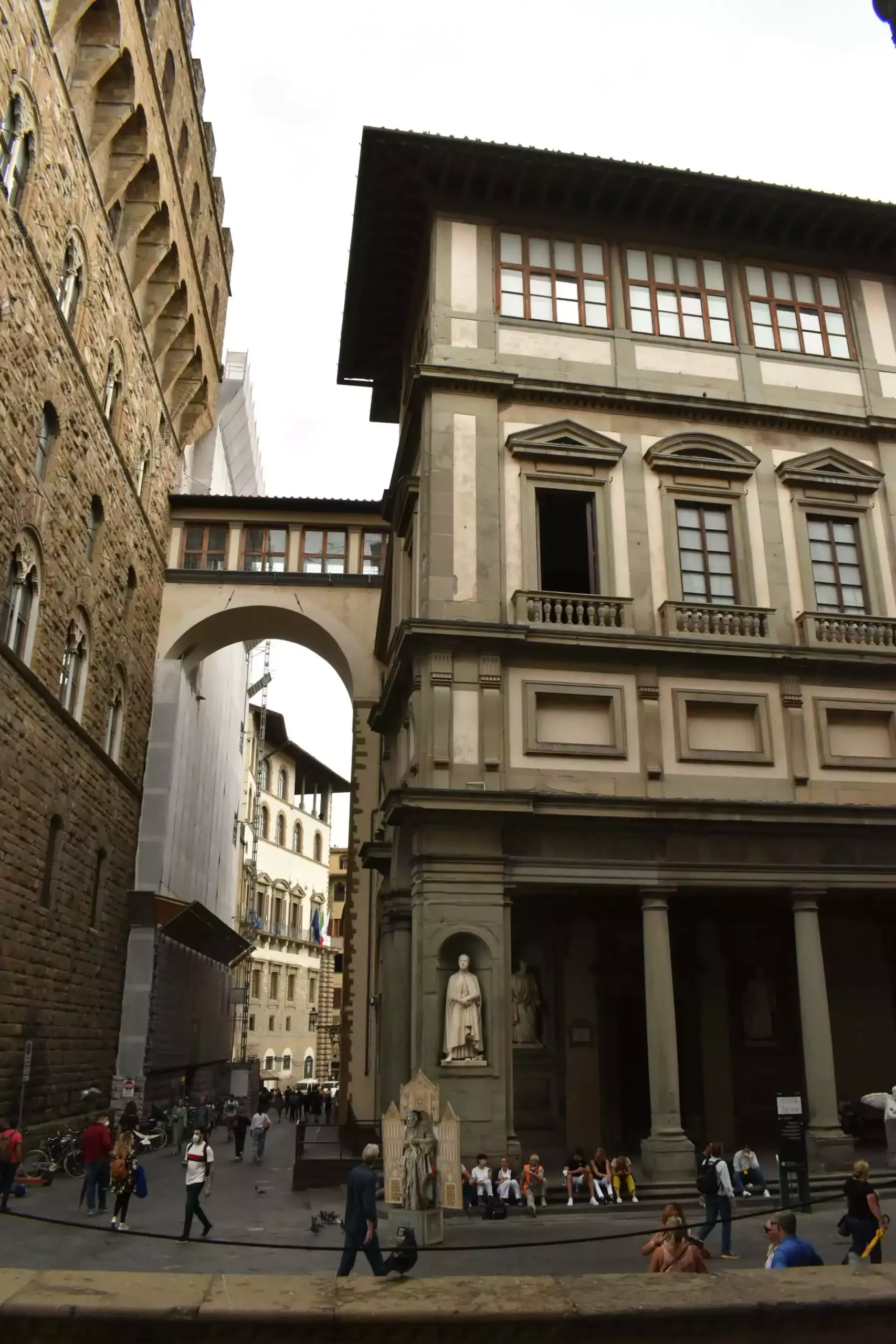
Things to do in Florence
- Visit the Uffizi Gallery: Home to masterpieces by Botticelli, Leonardo da Vinci, and Michelangelo.
- Climb the Duomo: Ascend to the top of the Cathedral of Santa Maria del Fiore for panoramic city views.
- Explore the Palazzo Vecchio: Florence’s historic town hall with impressive frescoes and a tower to climb.
- Stroll across the Ponte Vecchio: The iconic bridge lined with jewelry shops.
- Relax in the Boboli Gardens: A beautiful Renaissance garden behind the Pitti Palace.
- Admire Michelangelo’s David: Visit the Accademia Gallery to see this iconic sculpture.
- Shop at the San Lorenzo Market: A great place for leather goods and local crafts.
- Wander the Oltrarno District: Discover artisan workshops and quieter streets.
- Visit Santa Croce: The resting place of Michelangelo, Galileo, and Machiavelli.
- Enjoy Tuscan cuisine: Savor local dishes like Bistecca alla Fiorentina and traditional pasta.
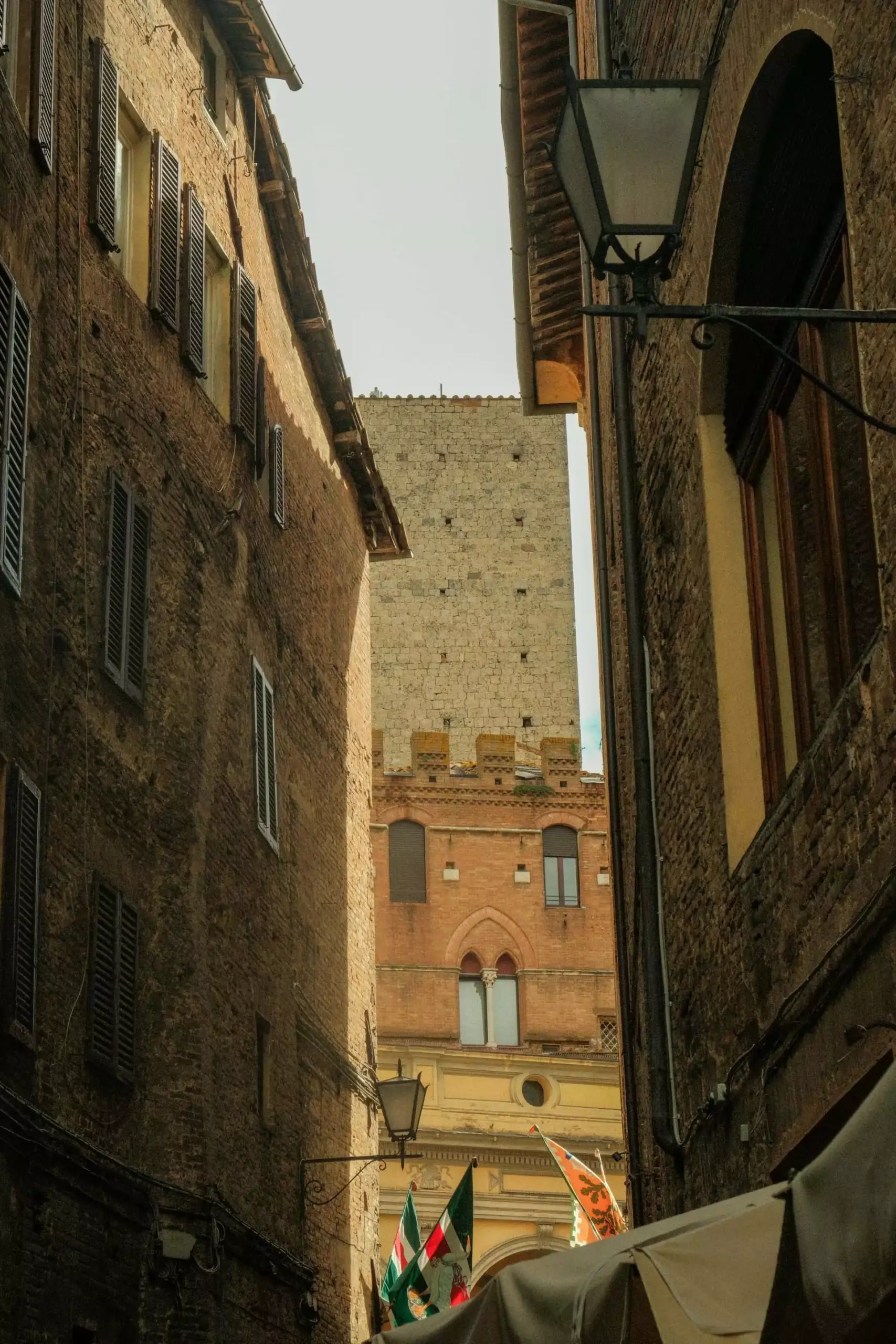
Where to stay in Florence
Budget
- Ostello Archi Rossi: A popular hostel with a central location, offering clean dorms and private rooms, along with free breakfast and walking tours.
- Hotel Bodoni: A budget-friendly hotel near the historic center, providing simple, comfortable rooms and a rooftop terrace with great views.
- Hotel Dali: Located near the Duomo, this small hotel offers basic, affordable accommodations with a friendly atmosphere.
Mid-Range
- Hotel Pendini: Centrally located near Piazza della Repubblica, this historic hotel offers elegant rooms with modern amenities and excellent service.
- Hotel degli Orafi: Situated by the Arno River, this hotel features charming rooms and a rooftop terrace with views of the Ponte Vecchio.
- Glance Hotel: A modern hotel with a rooftop pool, offering stylish rooms and a convenient location near the Mercato Centrale.
Luxury
- The St. Regis Florence: A five-star hotel with opulent rooms, a riverside location, and exceptional service, perfect for a luxurious stay.
- Four Seasons Hotel Firenze: Set in a historic palace and surrounded by beautiful gardens, this hotel offers lavish accommodations and a top-notch spa.
- Hotel Savoy: Located in Piazza della Repubblica, this elegant hotel combines classic Italian style with contemporary luxury and superb dining options.
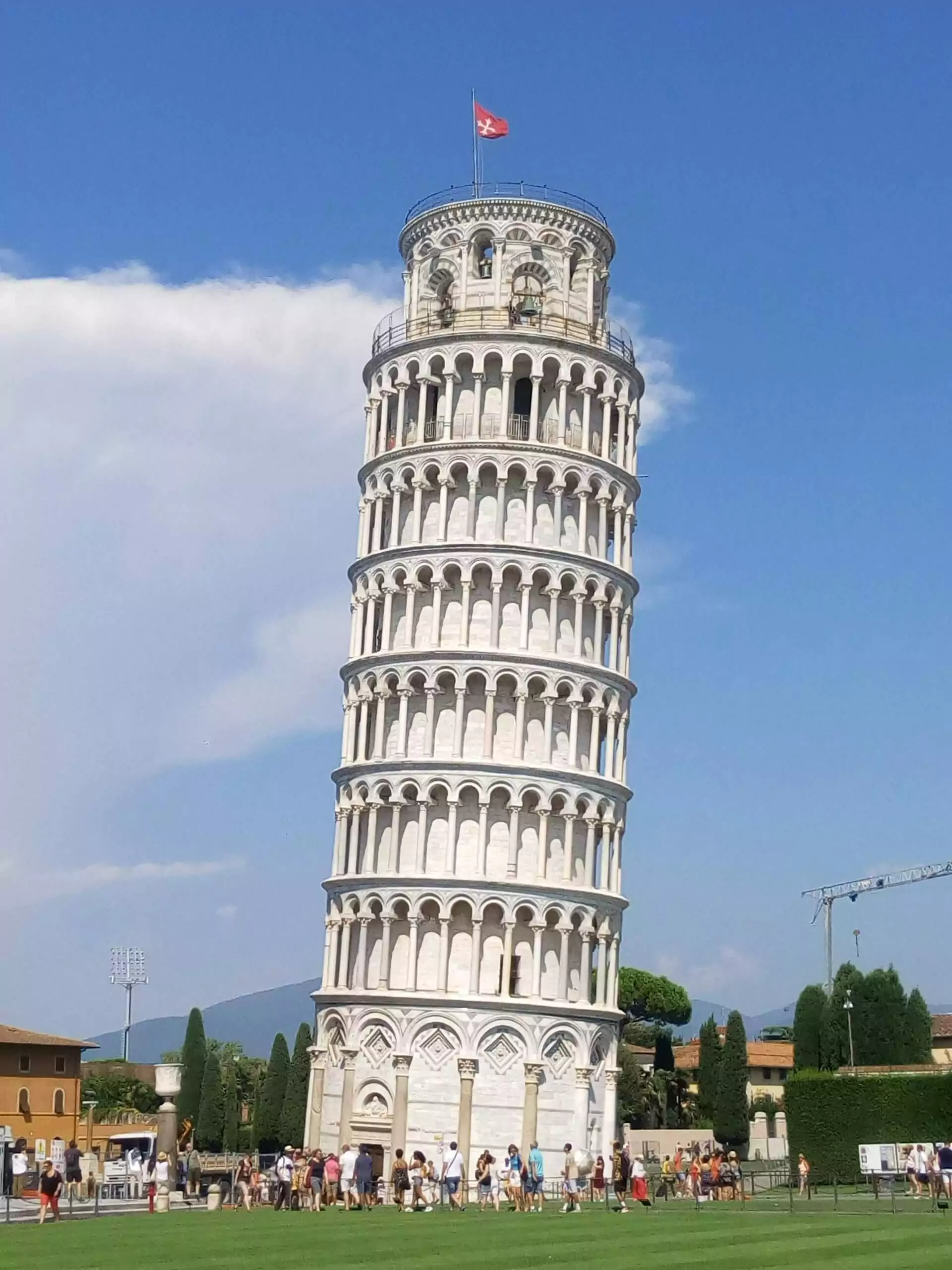
Day 6: Florence and day trip to Pisa
Pisa
Pisa is a historic town in Tuscany, Italy, best known for its iconic Leaning Tower.
This picturesque city is also home to the Piazza dei Miracoli (Square of Miracles), which includes the Pisa Cathedral, the Baptistery, and the Camposanto Monumentale.
The town’s rich history is reflected in its well-preserved medieval architecture, lively streets, and cultural institutions like the University of Pisa, one of the oldest universities in Europe. Pisa is also a gateway to exploring the beautiful Tuscan countryside.

How to get there
To get from Florence to Pisa, the easiest and most convenient option is by train. You can catch a direct train from Florence’s Santa Maria Novella station to Pisa Centrale. I found fares as low as $11.
The train ride takes about 50 minutes to an hour, with many departures throughout the day.
Once you arrive at Pisa Centrale, it’s a short walk or a quick bus ride to the famous Piazza dei Miracoli.

Highlights
- Leaning Tower of Pisa: The iconic, tilting bell tower known worldwide.
- Piazza dei Miracoli: A UNESCO World Heritage Site, home to the Leaning Tower, the Pisa Cathedral, the Baptistery, and the Camposanto Monumentale.
- Pisa Cathedral (Duomo di Pisa): A stunning example of Romanesque architecture.
- Baptistery of St. John: The largest baptistery in Italy, with remarkable acoustics.
- Camposanto Monumentale: An ancient cemetery with historic frescoes and Roman sarcophagi.

Tour Prices
Tour prices for visiting Pisa from Florence typically range from €50 to €100 per person for a half-day or full-day trip.
These tours often include round-trip transportation, a guided visit to the Piazza dei Miracoli, and free time to explore.
Some tours may also combine Pisa with other Tuscan destinations, which can increase the price. Private tours or small group options are usually on the higher end of the price range.
Book you tickets on the official website >
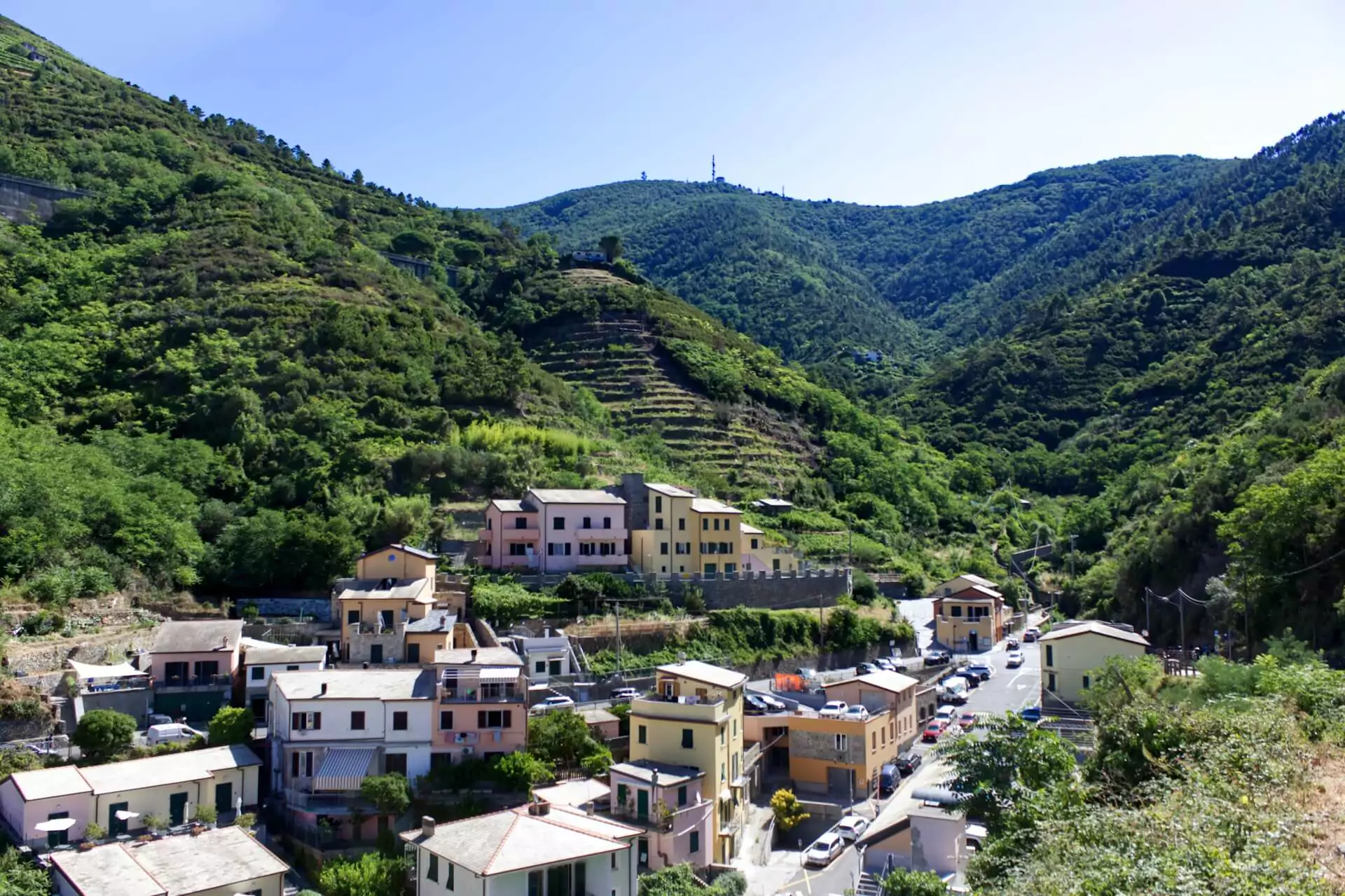
Day 6 Alternative: Florence and day trip to Cinque Terre
I’m suggesting this alternative day 6 to Cinque Terre because it is a very beautiful coastal region made up of five towns on top of the rocky cliffs.
I enjoy seeing the most when I plan trips to Europe. I always end up with a really tight scheduled, but that’s what I love about traveling – seeing as much as I can!

Cinque Terre
Visiting Cinque Terre offers a unique experience of Italy’s rugged coastline, where five charming villages—Riomaggiore, Manarola, Corniglia, Vernazza, and Monterosso al Mare—are nestled between cliffs and the sea.
Each village has its own distinct character, featuring colorful houses, narrow alleys, and stunning sea views. Cinque Terre is perfect for hiking along the scenic trails, enjoying fresh seafood, and soaking in the authentic Italian coastal atmosphere. The area’s natural beauty and preserved cultural heritage make it a must-visit destination.

How to get there
To get from Florence to Cinque Terre, you can take a train, which is the most convenient option. Start by taking a regional or high-speed train from Florence’s Santa Maria Novella station to La Spezia Centrale.
The journey typically takes about 2 to 2.5 hours. From La Spezia, transfer to a local train that serves the five villages of Cinque Terre.
Trains between La Spezia and the villages run frequently and take around 5-15 minutes between each village.

Highlights
- Hiking the Sentiero Azzurro: A scenic trail connecting all five villages with breathtaking views of the coastline.
- Vernazza: Known for its picturesque harbor and colorful buildings.
- Manarola: Famous for its cliffside houses and stunning sunsets.
- Riomaggiore: The largest village, offering dramatic coastal views.
- Monterosso al Mare: The only village with a sandy beach, perfect for swimming.
- Corniglia: Unique for its elevated position, offering panoramic vistas.

Tour Prices
Tour prices for visiting Cinque Terre from Florence typically range from €100 to €200 per person for a full-day trip. I’ve also found a tour that combines both Cinque Terre and Pisa in one day, which allows you to see both places.
The price varies depending on the type of tour, inclusions such as transportation, guided services, meals, and whether boat or train rides between the villages are part of the package.
Some tours offer additional experiences like wine tasting or hiking. These tours include round-trip transportation from Florence and visit multiple villages in Cinque Terre, offering a convenient way to explore the area than on your own.
Day 7: Florence to Milan
Day seven starts your Northern Italy itinerary.
It’s also a travel day from Florence to Milan in your 10 day itinerary in Italy. You’ll be spending two nights in Italy’s fashion and financial capital.
How to get from Florence to Milan
To get from Florence to Milan, the most efficient option is by high-speed train. Trains depart frequently from Firenze Santa Maria Novella station and arrive at Milano Centrale station in about 1.5 to 2 hours. The fares I’ve found are around $35.
The trains are operated by Trenitalia (Frecciarossa) and Italo, both offering comfortable and fast services.

About Milan
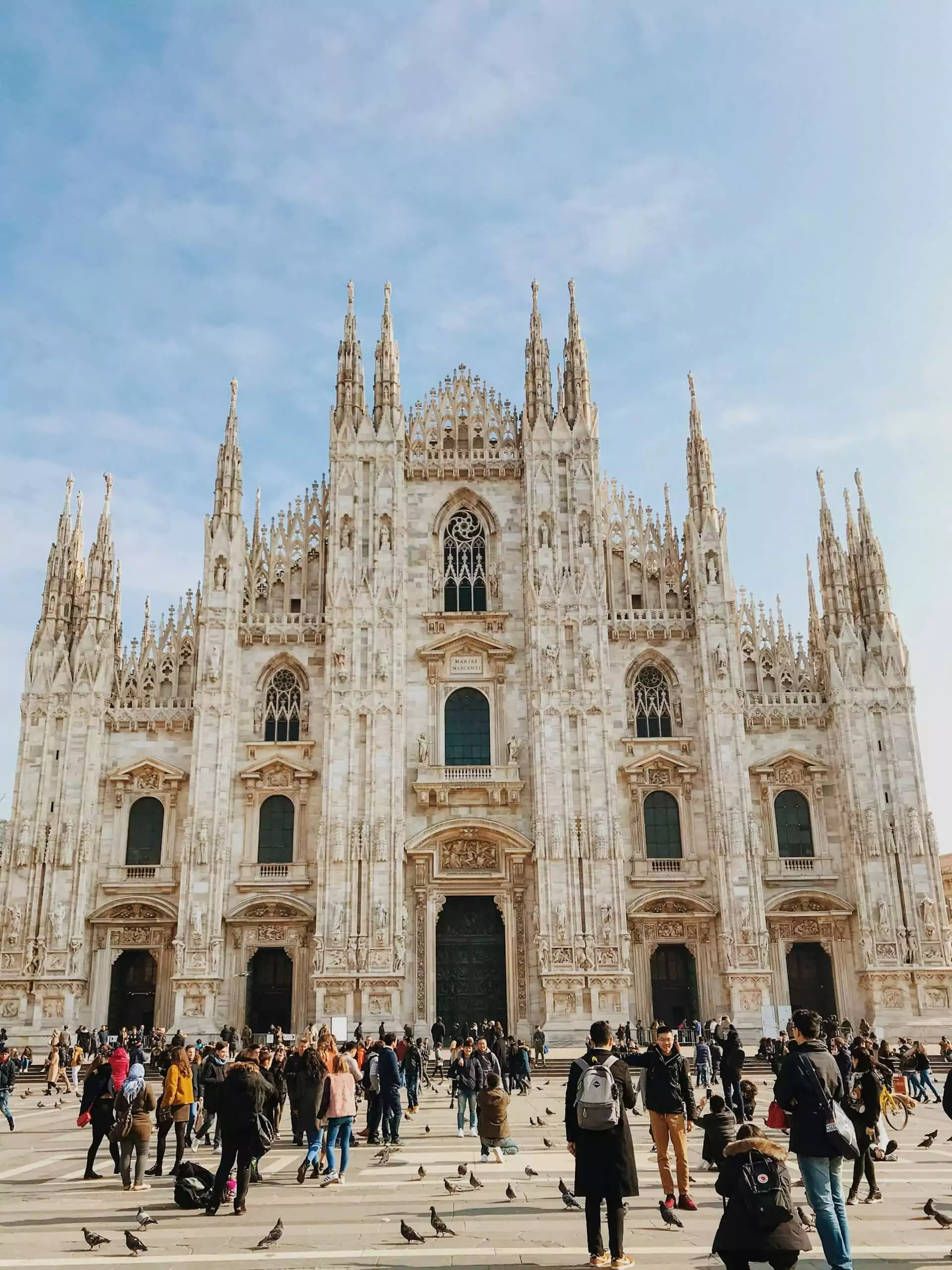
Milan, Italy’s fashion and financial hub, is known for its rich cultural heritage, cutting-edge design, and historical landmarks.
The city is home to iconic attractions such as the Duomo di Milano, a stunning Gothic cathedral, and Leonardo da Vinci’s The Last Supper, located in the Santa Maria delle Grazie convent.
Milan is also renowned for its high-end shopping districts like the Galleria Vittorio Emanuele II and its world-class opera house, Teatro alla Scala.

Things to do in Milan
- Visit the Duomo di Milano: Explore the stunning Gothic cathedral and climb to the rooftop for panoramic city views.
- See The Last Supper: Admire Leonardo da Vinci’s famous mural at Santa Maria delle Grazie.
- Explore Sforza Castle: Discover art and history in this impressive fortress.
- Stroll through Galleria Vittorio Emanuele II: Shop and dine in this elegant 19th-century arcade.
- Visit La Scala Opera House: Tour the historic theater or enjoy a performance.

Where to stay in Milan
Budget
- Ostello Bello Grande: A popular hostel near Milano Centrale, offering budget-friendly dorms and private rooms with a vibrant atmosphere.
- Hotel Bernina: Located close to the central station, this hotel offers simple, comfortable rooms at an affordable price.
- Hotel 22 Marzo: A budget hotel in a quieter area, with basic amenities and easy access to public transport.
Mid-Range
- Room Mate Giulia: A stylish boutique hotel near the Duomo, featuring modern decor and personalized service.
- Hotel Spadari al Duomo: Located near the Duomo, this hotel offers contemporary rooms with a warm, welcoming atmosphere.
- NH Collection Milano Porta Nuova: A modern hotel with sleek rooms, located near the business district and close to shopping areas.
Luxury
- Hotel Principe di Savoia: A five-star luxury hotel offering elegant rooms, a spa, and exceptional service near the city center.
- Bulgari Hotel Milano: A chic luxury hotel with beautiful gardens, located in the Brera district, offering top-notch amenities.
- Four Seasons Hotel Milano: Set in a 15th-century convent, this luxury hotel features opulent rooms, a spa, and a central location near shopping and cultural sites.

Day 8: Milan and day trip to Lake Como
Start your eight day of this 10 day itinerary in Italy with a day trip to see Lake Como (and maybe a chance to spot George Clooney, am I right?!)
Lake Como
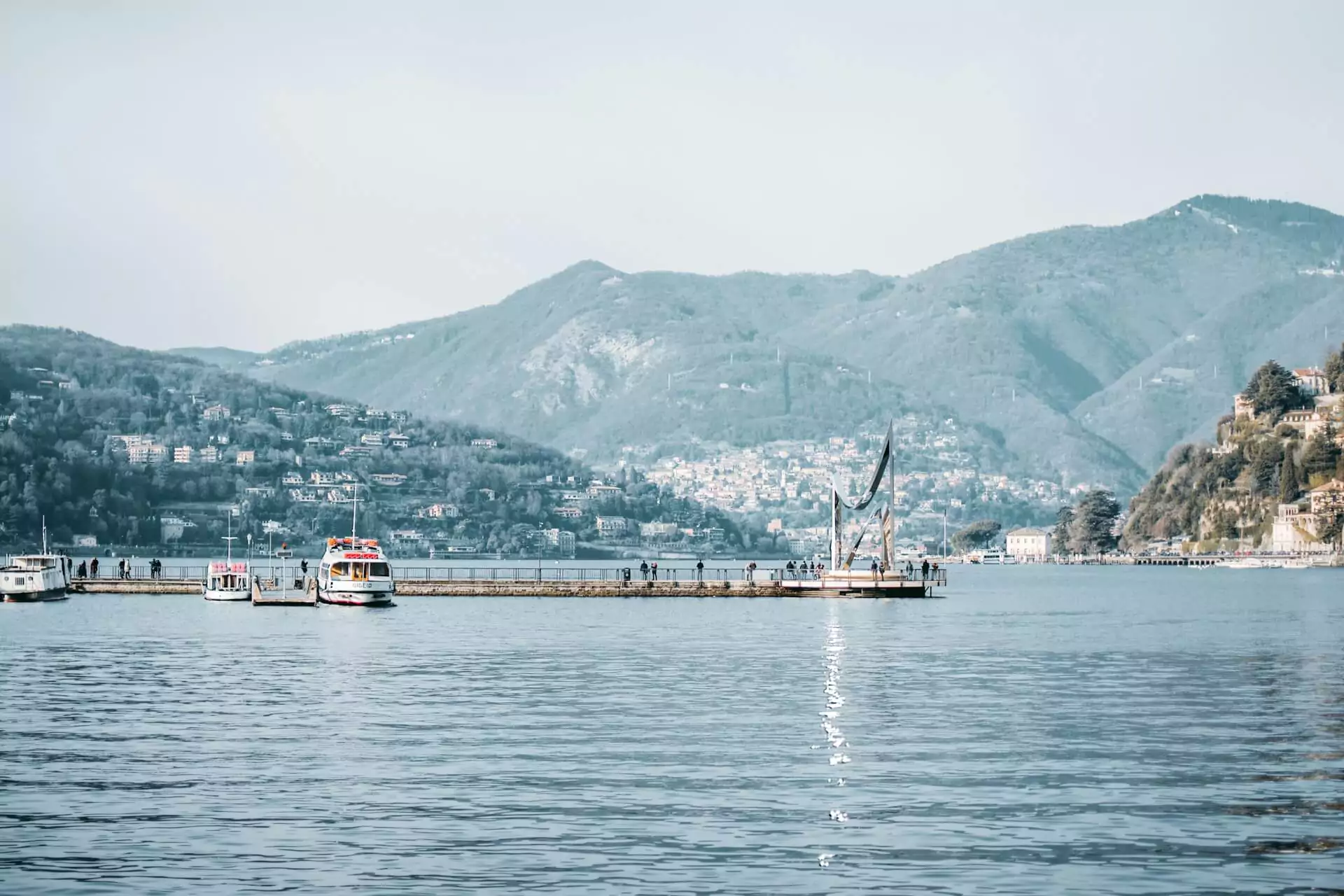
Lake Como, in northern Italy, is known for its stunning landscapes, charming towns, and luxurious villas.
Como is the biggest town on Lake Como. The city is very pretty and extremely walkable. There’s plenty of things to do in Como all year round.
You can also visit the towns of Bellagio and Varenna by ferry if you’re looking to spend the entire day on this day trip. An entire day could last around 8-9 hours.
How to get there
To get from Milan to Lake Como, the easiest option is by train. Trains depart frequently from Milano Centrale station to Como San Giovanni station, with the journey taking about 30-40 minutes. And fares are as low as $7.
Another option is to take a train from Milano Cadorna to Como Nord Lago, which brings you closer to the lakefront. Both routes offer stunning views and direct access to the beautiful towns around Lake Como.
Highlights
- Bellagio: Often called the Pearl of Lake Como, this town is famous for its cobbled streets, elegant villas, and gardens.
- Villa del Balbianello: A beautiful villa with terraced gardens, featured in several films.
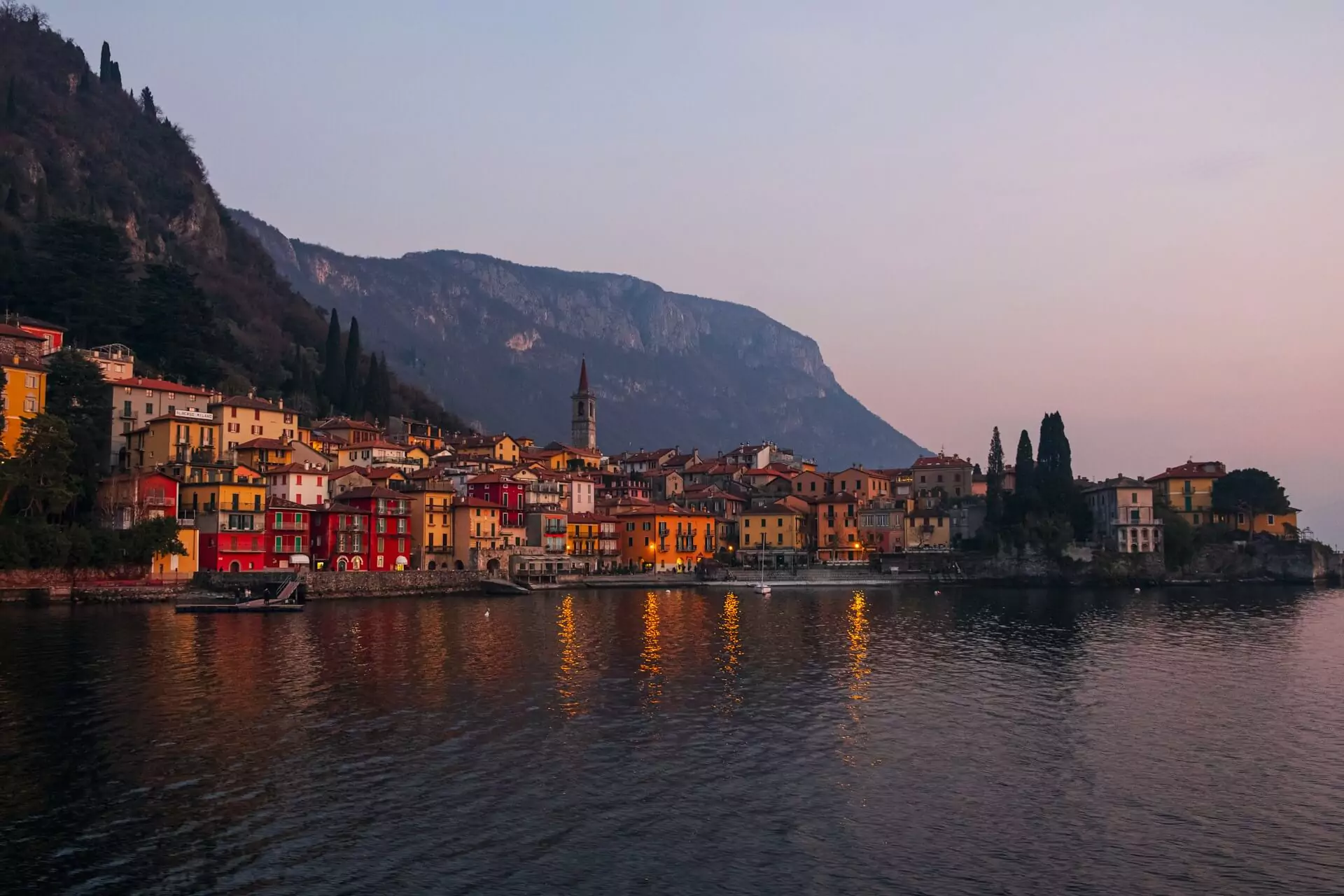
- Varenna: A picturesque village with colorful houses and a romantic lakeside promenade.
- Menaggio: Offers stunning views and hiking opportunities.
- Villa Carlotta: Renowned for its art collection and botanical gardens.

Tour Prices
A guided group tour to Lake Como from Milan can set you back around $100, but this one includes a boat tour with stops in Bellagio and Lugano. Plus round trip transportation.

Day 9: Milan to Venice
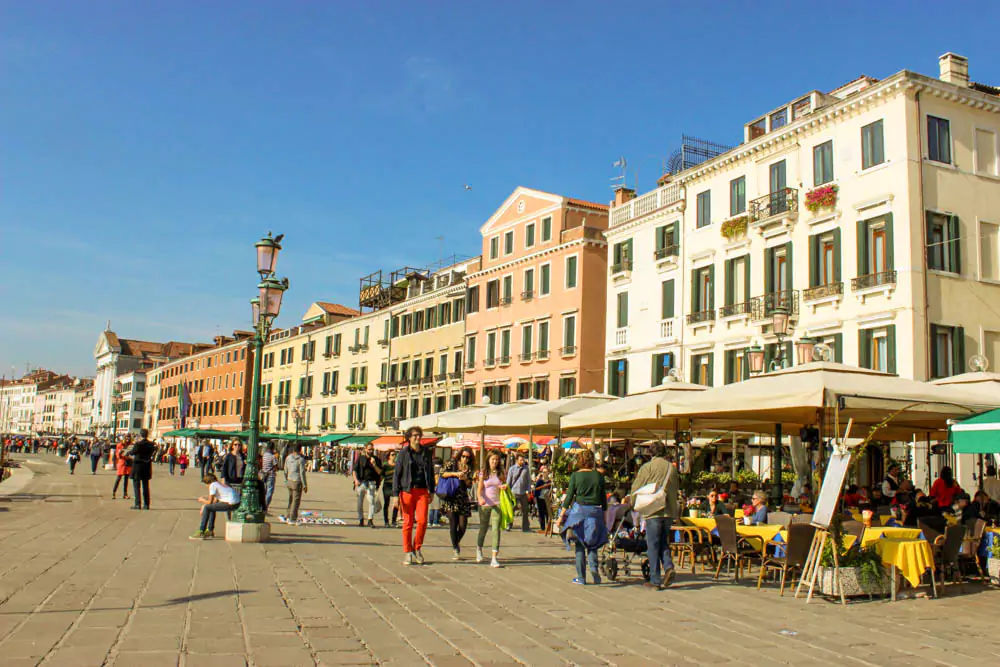
Venice, one of the most romantic coastal cities in Italy, is just two and a half hour train ride away from Milan.
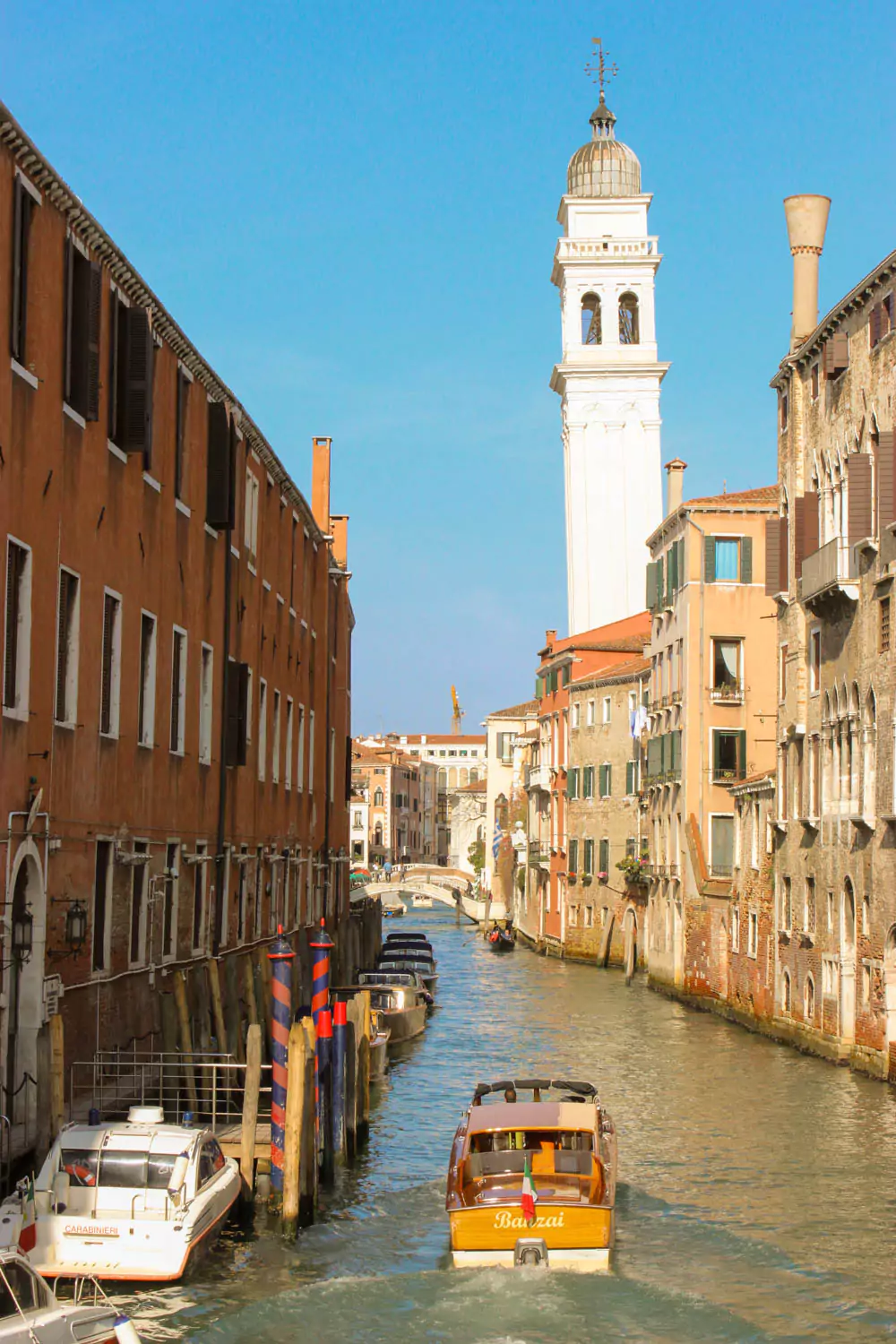
You’ll be spending the last two nights of your 10 day itinerary in Italy in the floating city of Venice. I hope you love it!
About Venice
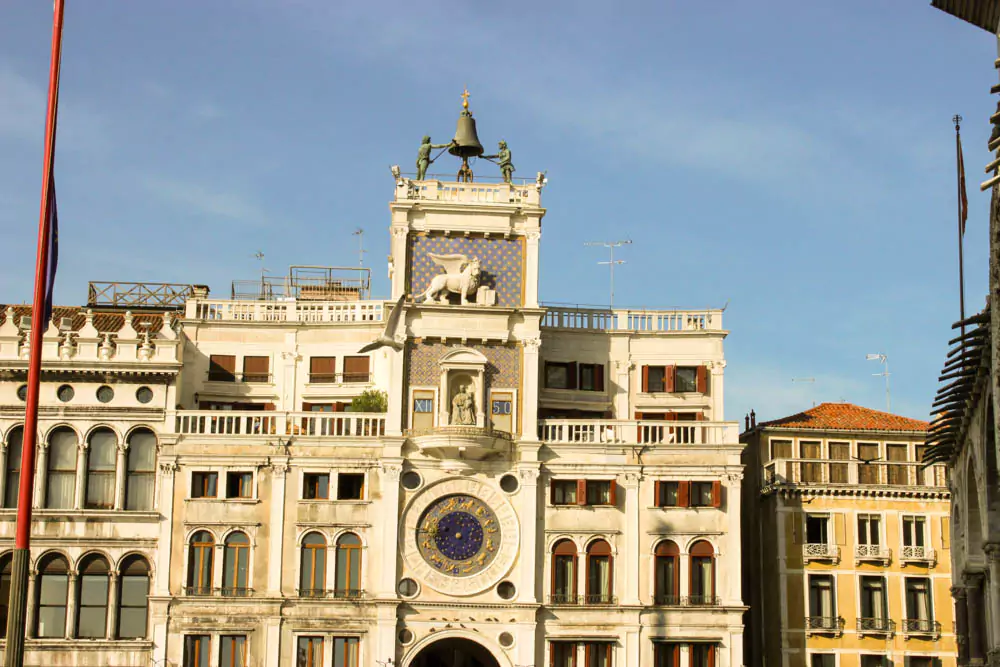
The city’s unique charm lies in its architecture, art, and culture, epitomized by landmarks such as St. Mark’s Basilica, the Doge’s Palace, and the Rialto Bridge.
Strolling through Venice’s narrow streets, exploring its hidden squares, and enjoying a leisurely ride on the Grand Canal offers a truly unforgettable experience, making Venice one of the most enchanting destinations in the world.

Things to do in Venice
- Explore St. Mark’s Basilica.
- Visit the Doge’s Palace.
- Cross the Rialto Bridge.
- Take a gondola ride through the canals.
- Wander through Piazza San Marco.
- Visit the Gallerie dell’Accademia.
- Admire the Bridge of Sighs.
- Tour the Peggy Guggenheim Collection.
- Explore the Jewish Ghetto.
- Visit Murano for glassblowing.
- Discover Burano and its colorful houses.
- Visit the Teatro La Fenice.
- Stroll through Cannaregio.
- Explore Dorsoduro district.
- Visit the Ca’ d’Oro.
- Take a boat to Torcello.
- Visit Santa Maria Gloriosa dei Frari.
- Explore the Arsenale.
- Shop for Venetian masks.
- Enjoy a Venetian cicchetti bar crawl.

Where to stay in Venice
For us, the best place to stay in Venice Italy was the Ca’ Sagredo Hotel which was rated 5 stars when we stayed. It’s a luxury boutique hotel on the Grand Canal.
Venice is a magical city, and where you stay can really enhance your experience. Here are some great areas and hotels to consider.
Budget
- Hotel Antico Panada: A well-priced option with a great location near Piazza San Marco.
- Hotel Abbazia: Located close to the train station, it’s a good value with comfortable accommodations.
Historical and Less Touristy
- Hotel Sant’Elena: Located in a more residential area, offering a peaceful retreat with beautiful gardens.
- Hotel Campiello: A cozy and affordable option with a traditional Venetian feel.
Central Venice
- Hotel Danieli: A luxurious and iconic hotel with stunning views and opulent interiors.
- Bauer Palazzo: A beautiful hotel with a classic Venetian charm and great views of the Grand Canal.

Day 10: Venice and day trip to Murano + Burano + Torcello
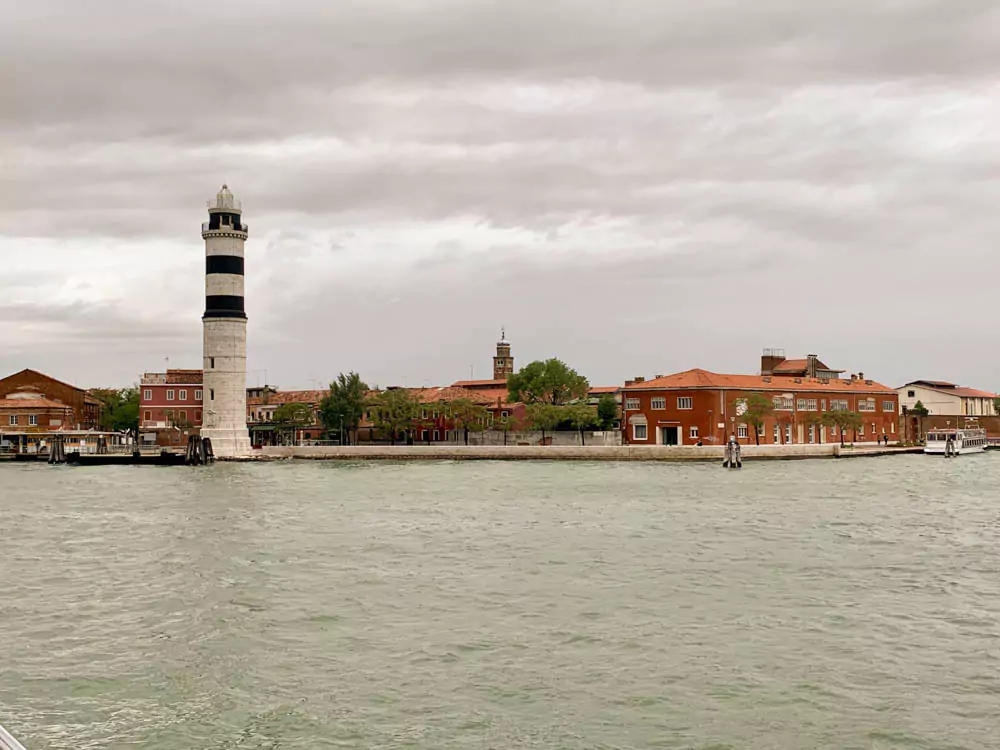
Start your last day of your 10 day itinerary in Italy with a trip to the islands of Murano, Burano and Torcello. Each of these floating cities are very close to Venice, just a short boat ride away.
Murano, Burano, Torcello
How to get there
To visit Murano, Burano, and Torcello from Venice, start by taking a vaporetto (water bus) from Venice’s main stops like Fondamente Nove or San Zaccaria. The first stop is usually Murano, known for its glassblowing.
After exploring Murano, catch another vaporetto heading towards Burano, famous for its colorful houses and lace-making traditions.
From Burano, you can easily reach Torcello, a quieter island with historic sites like the Cathedral of Santa Maria Assunta. Vaporettos run regularly, making it easy to hop between these islands.
Highlights
Murano is renowned for its centuries-old glassblowing tradition. The highlight here is visiting glass factories and the Museo del Vetro to see stunning glass artworks. The island is also home to the Basilica di Santi Maria e Donato, known for its beautiful mosaics.
Burano captivates visitors with its vibrant, colorful houses and intricate lacework. The Lace Museum showcases the island’s rich lace-making history. Strolling through the picturesque canals is a must.
Torcello offers a tranquil escape with historical sites like the Cathedral of Santa Maria Assunta, featuring impressive Byzantine mosaics, and the Ponte del Diavolo (Devil’s Bridge), a remnant of its ancient past.
Tour Prices
The group tours can cost as little as $16. Just read the details before you purchase.
The tour I chose only stopped in Murano for a glassblowing demonstration. Immediately after we got back on the boat and headed to Burano, without the chance of walking through the island.
How much is a trip to Italy?
The cost of a trip to Italy can vary widely depending on factors like travel style, season, and duration. For a moderate budget:
- Flights: $600 to $1,200 round-trip from the U.S.
- Accommodation: $100 to $300 per night for mid-range hotels.
- Food: $50 to $100 per day.
- Transportation: $30 to $100 per day for trains and local travel.
- Activities/Entry Fees: $20 to $50 per day.
For a 10-day trip, expect to spend approximately $2,500 to $5,000 per person. Costs can be higher or lower depending on personal preferences and season.

Final Thoughts
I hope this super detailed 10 day itinerary in Italy has helped you plan out your time in Italy.
If you have any questions then please feel free to leave me a comment below and I’ll get back to you as soon as I can.
Want to set the mood before your trip? These Italy-based novels are like a plane ticket in paperback form.
XOXO,
Katie
Liked this post? Share it on Pinterest!
 |
 |
MORE ITALY TRAVEL INSPIRATION:
- How to spend 7 days in Italy
- Italy Packing List: Essential Items for Your Trip
- 25 Beautiful Day Trips From Venice Italy
- 21 Favorite Movies Set in Italy to Inspire Your Next Vacation
- Top 15 Day Trips From Rome: Explore Beyond the Eternal City
MORE EUROPE TRAVEL INSPIRATION:
Follow + Share
Loved this guide? Let’s keep the adventure going! Follow me on Instagram to see where I’m headed next—and don’t forget to check out my travel hashtag #TravelWithKinsley for more trip inspiration.
If this post helped you plan your trip, I’d be so grateful if you’d share it with a friend or pin it for later! You can also follow me on Pinterest for more detailed itineraries, destination ideas, and travel tips from around the world.
Thanks for being here—it means the world!
