Hallstatt Salt Mine: Tour the Oldest Salt Mine in the World

Travel With Kinsley contains affiliate links and is a member of the Amazon Services LLC Associates Program, which means I may receive a cute little commission if you purchase through my links, at no extra cost to you. Please read full disclosure for more information.
If you’re planning to visit, a guided tour of the Hallstatt Salt Mine is an experience that you won’t want to miss.
We landed in Hallstatt as a day trip from Salzburg. We didn’t stay overnight, but I wish we would have! It’s very easy to reach Hallstatt from Salzburg!
We took a guided tour of the mine, which included a descent into the tunnels and chambers where the salt is extracted. The tour covers the history of the mine and the techniques used in salt mining throughout the centuries.
The Hallstatt Salt Mine, Salzwelten, is situated in a mountain above Hallstatt and is a UNESCO World Heritage site.

A Mini History of Hallstatt Salt Mine
The Hallstatt Salt Mine, often referred to as the oldest salt mine in the world, has been in operation for over 7,000 years.
The guided tour takes you deep into the heart of the Austria’s mountainous Salzkammergut world heritage region, where you’ll learn about the significance of salt to the region, often called “white gold” due to its historical value.
Salzwelten dates back to the Bronze Age, around 4000 years ago, when salt mining began in the region. The salt from the mines was highly prized and was used for trading and preserving food.
In the 16th century, the mines were nationalized by the Habsburgs in Vienna, and salt production became a monopoly. The mines continued to operate until the 20th century, when they were closed due to falling demand and the discovery of cheaper sources of salt.
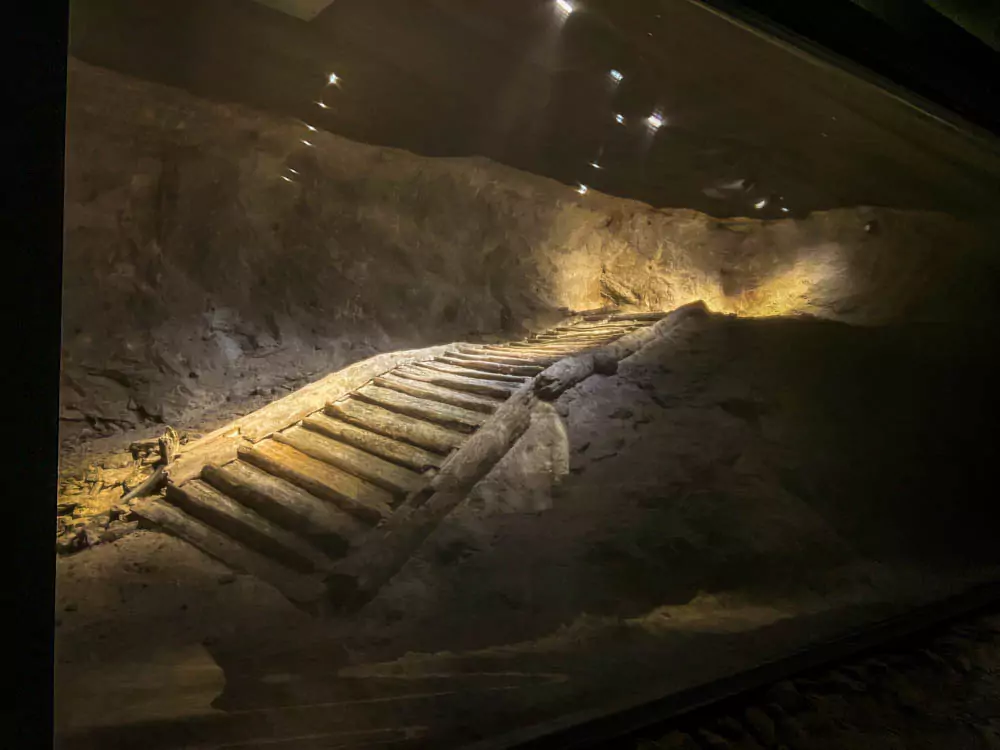
Wooden Staircase
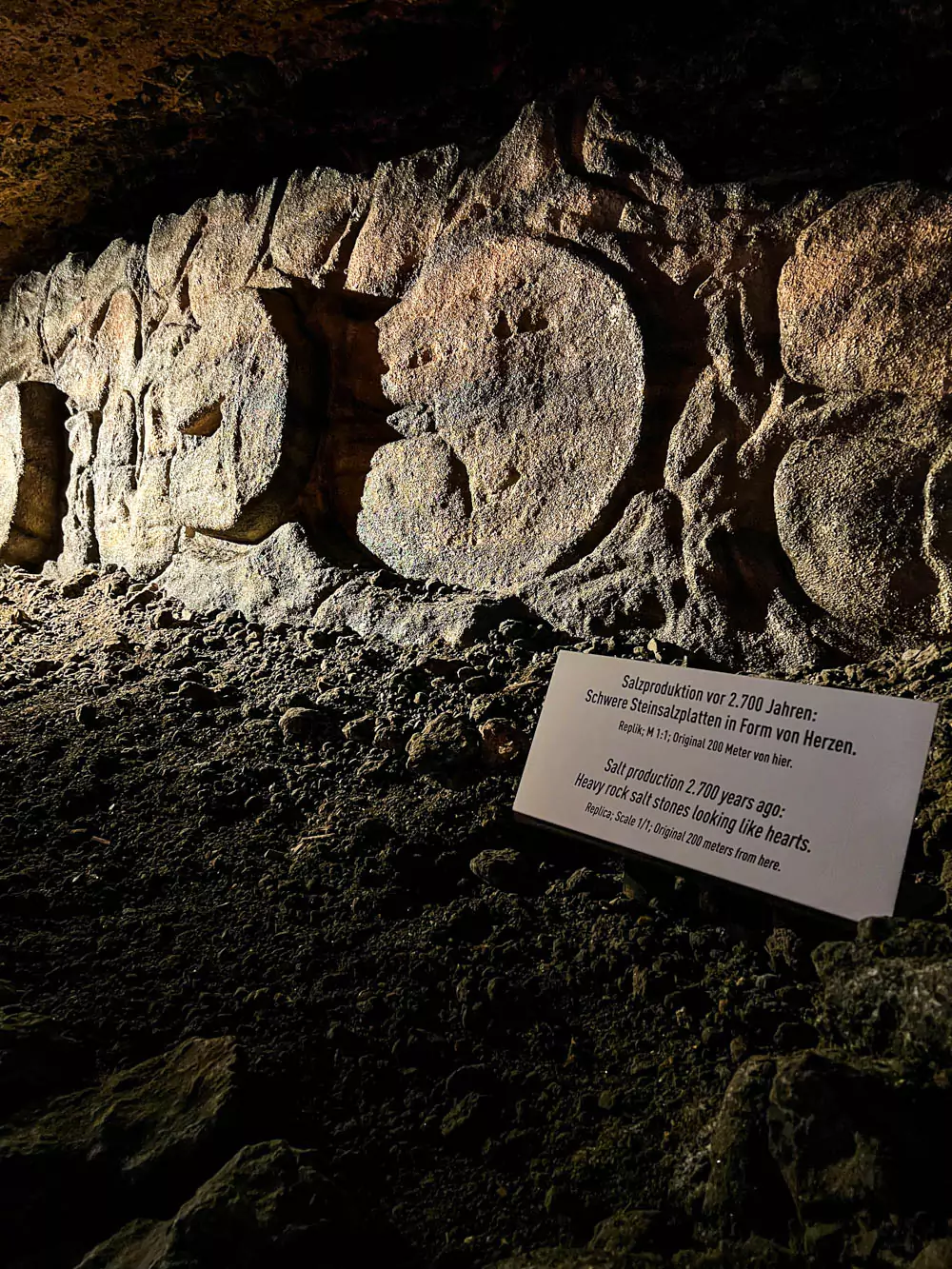
At 400 meters below ground, you will also be able to see the oldest wooden staircase in Europe! A wooden staircase was discovered inside the mine in 2002. It was determined that it was constructed roughly 1344 BCE – which means that it is the oldest staircase in Europe.
An animation projected onto the prehistoric exhibit brings the working life of Bronze Age salt miners vividly to life. This is part of the tour – closer to the end – and they also have a display case with some found artifacts.
 |
 |
Types of Salts
- Table Salt: This is the most common type of salt that is used for cooking and seasoning food. It is made by evaporating saltwater and removing impurities, leaving behind pure sodium chloride crystals.
- Bath Salt: This type of salt is added to bathwater to promote relaxation and soothe sore muscles. It is made by adding essential oils and other natural ingredients to pure sodium chloride crystals.
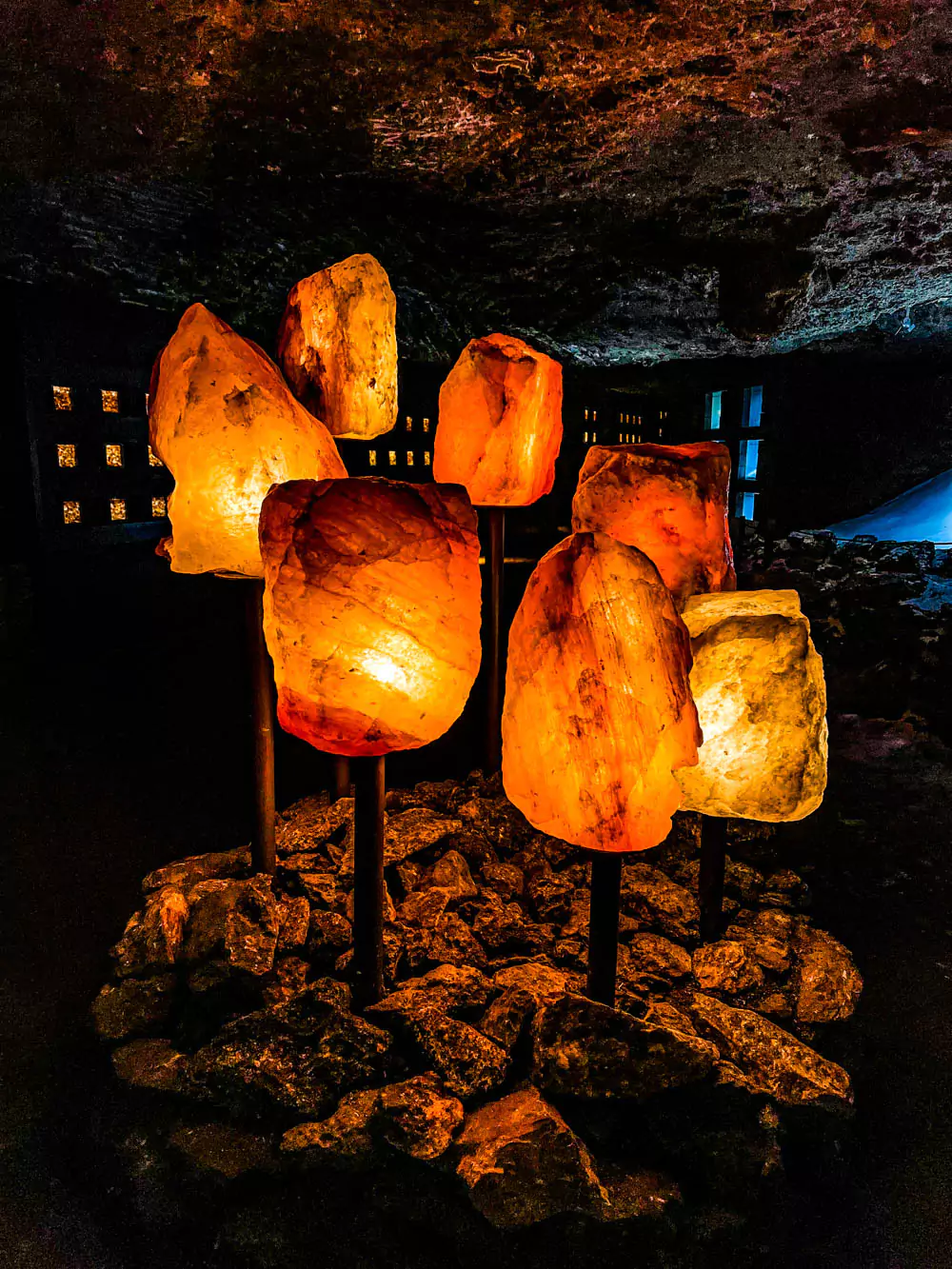
- Himalayan Salt: This is a pink-colored salt that is believed to have health benefits due to its high mineral content. It is mined from the foothills of the Himalayas and is often used for cooking and as a decorative element.
- Rock Salt: This is a coarse, unrefined salt that is used for de-icing roads and sidewalks during the winter months. It is mined from underground salt deposits and is less expensive than other types of salt.
- Sea Salt: This type of salt is made by evaporating seawater and is known for its distinctive flavor and texture. It is often used as a finishing salt on top of dishes to add a burst of flavor.

Getting to the Salzwelten Entrance
When you purchase a ticket, you’re given a time for entering. You have a 15 minute window to get on the funicular. It’s similar to the ticketing at Neuschwanstein Castle.
There is a waiting area with charging stations and places to sit. There are restrooms available, but you have to pay to use them. If you can wait, there are restrooms available at the top of the mountain. There are also some at the end of the mine tour as you exit through the gift shop.
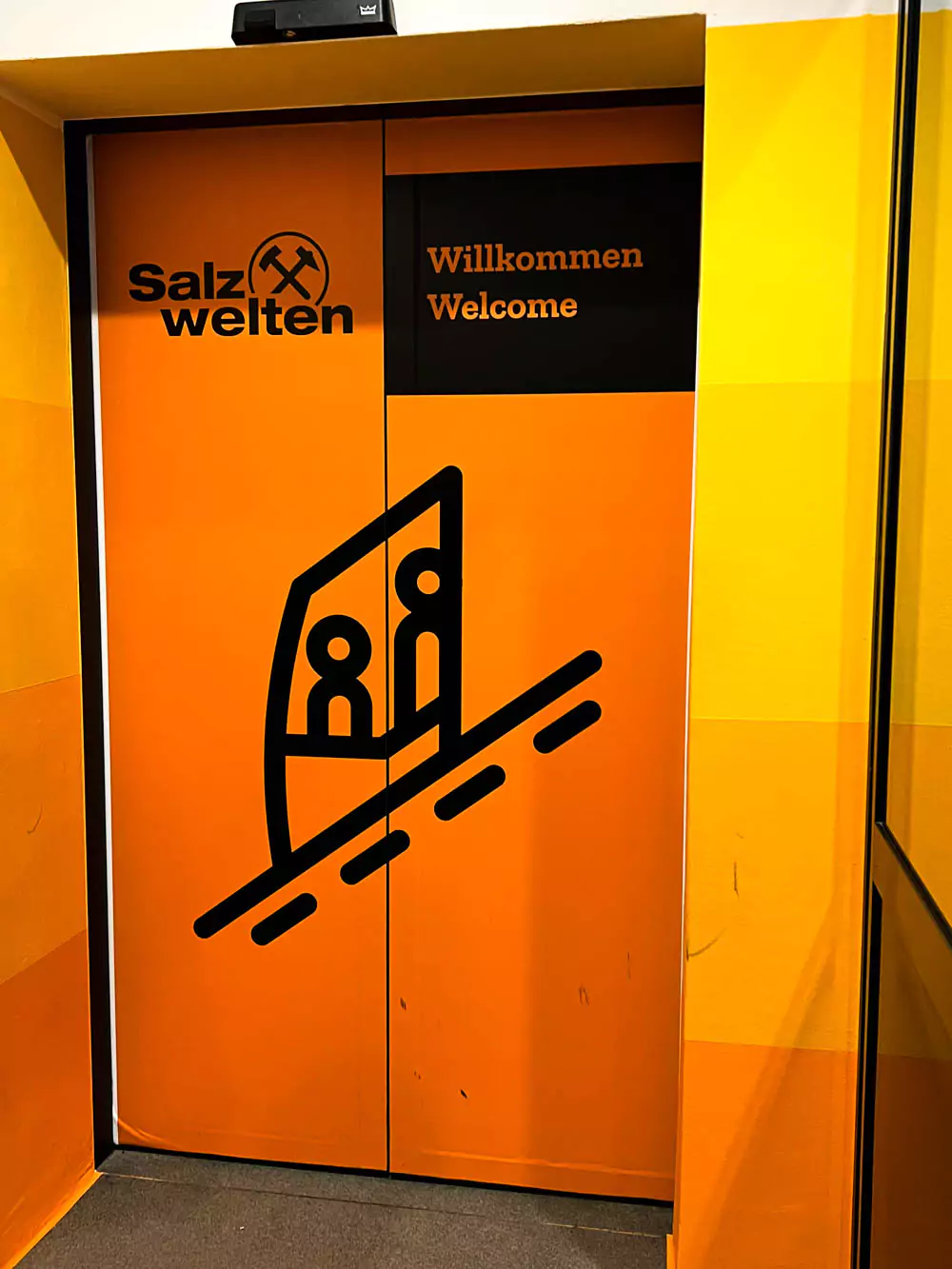
Riding the Funicular to the top of the Mountain
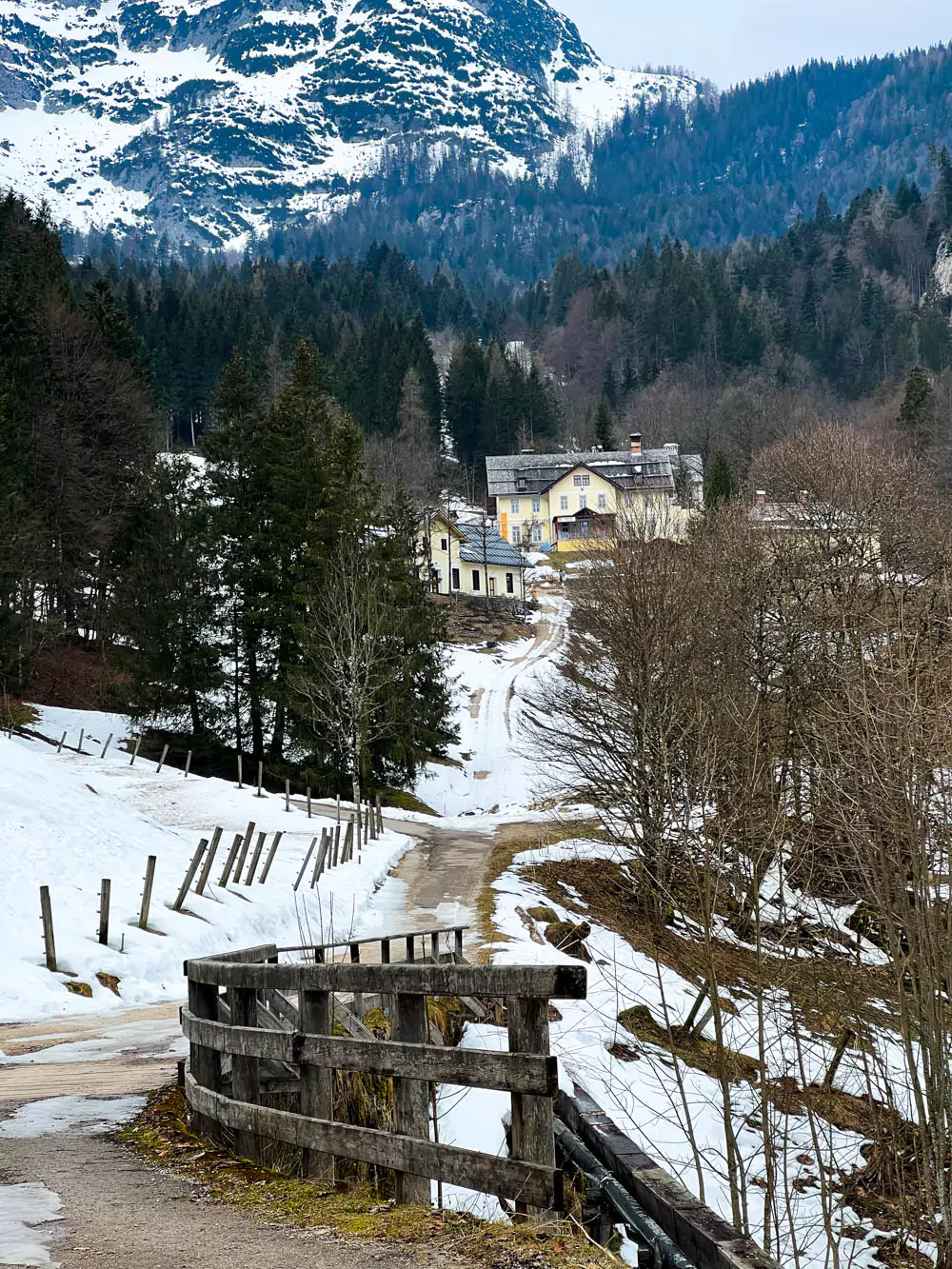
The funicular to the salt mine is located right in the village Hallstatt.
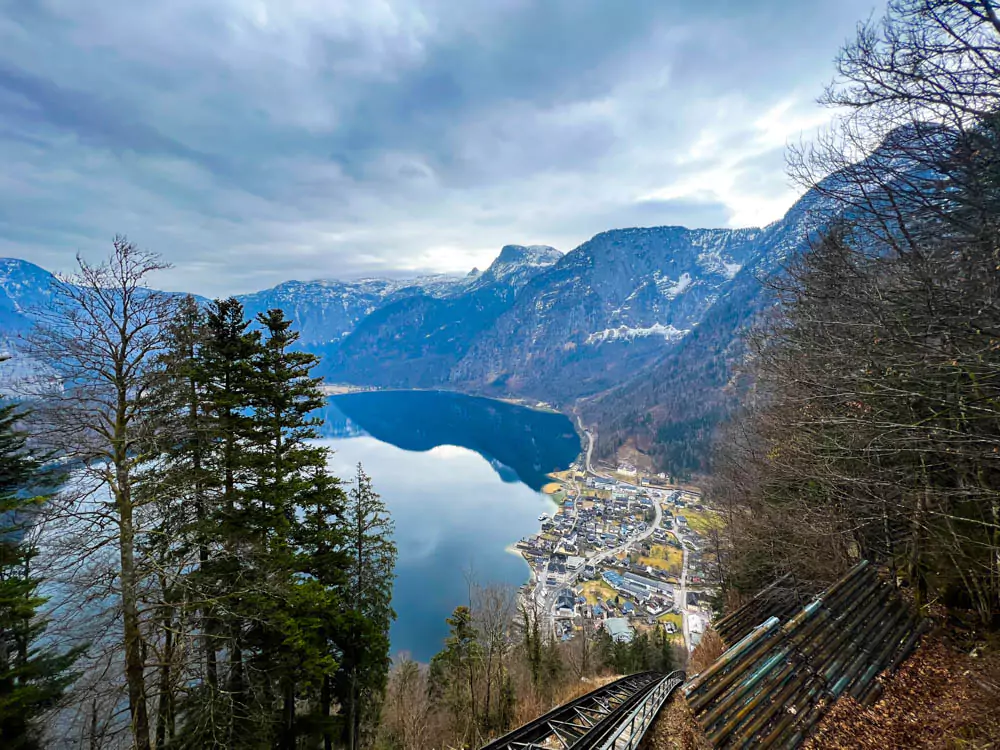
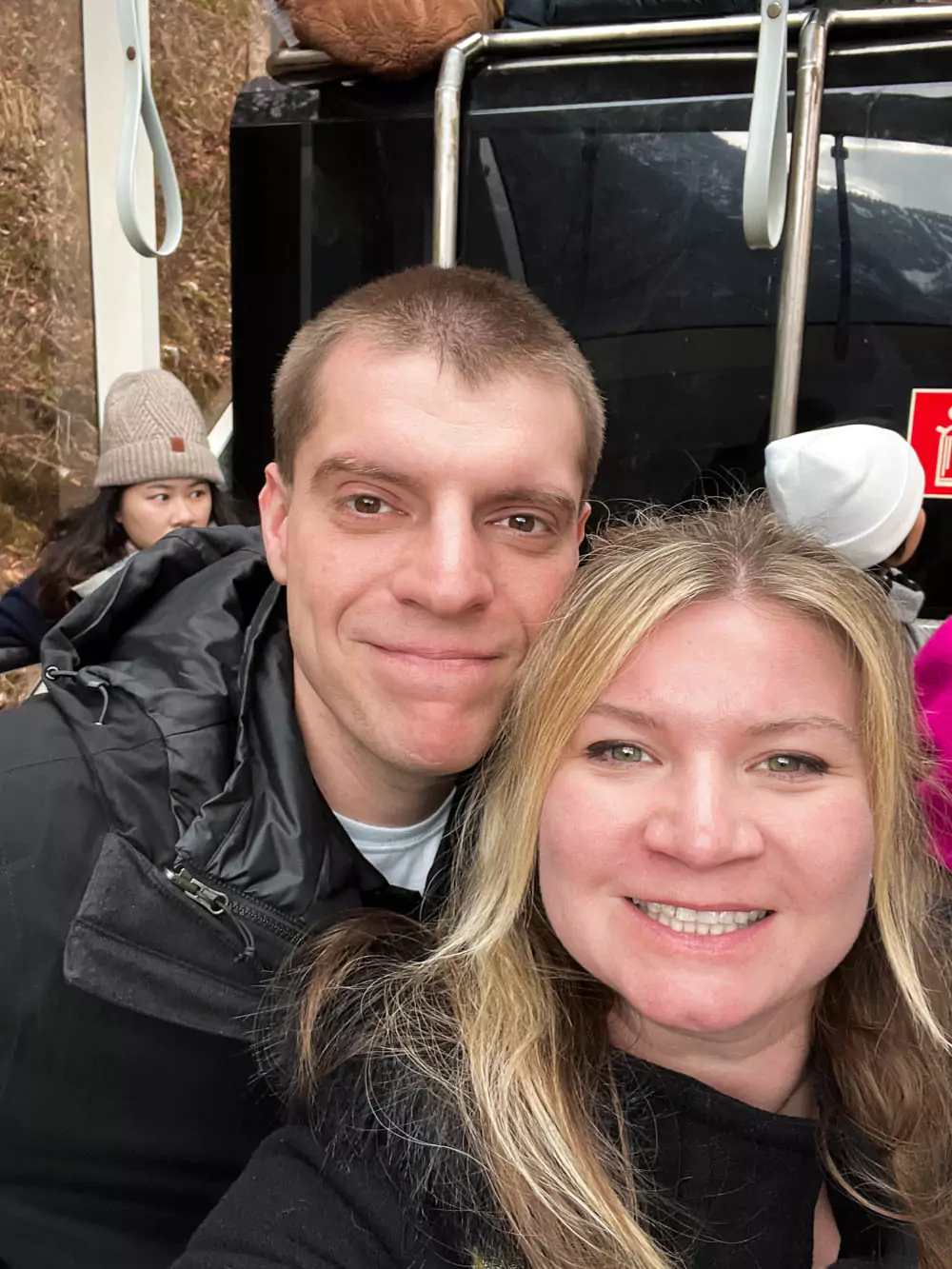
Our tour includes a 360 meter ride up the mine on the Salzbergbahn funicular. The funicular is a cable car that provides access to the salt mine. It was built in the 1950s when the salt mine was reopened as a tourist attraction, and it is the primary means of transportation up the mountain.
After we scanned our tickets, we entered to the waiting area. The doors to the funicular opened and we, along with others in our grouping, loaded onto the funicular. Then the doors closed and off we went! This ride was around three minutes long. It is included in the admission fee for the salt mine tour, but you can purchase a ticket for only the funicular if you wanted to go to the top (and not take the tour).
What I found most interesting is that they have this automated. There are no attendants, but there is a person behind a closed booth operating the funicular. We got off the bus and walked right over to the mine.
We also got to ride the funicular when we were in Salzburg, but that one was only 90 seconds long!
 |
 |
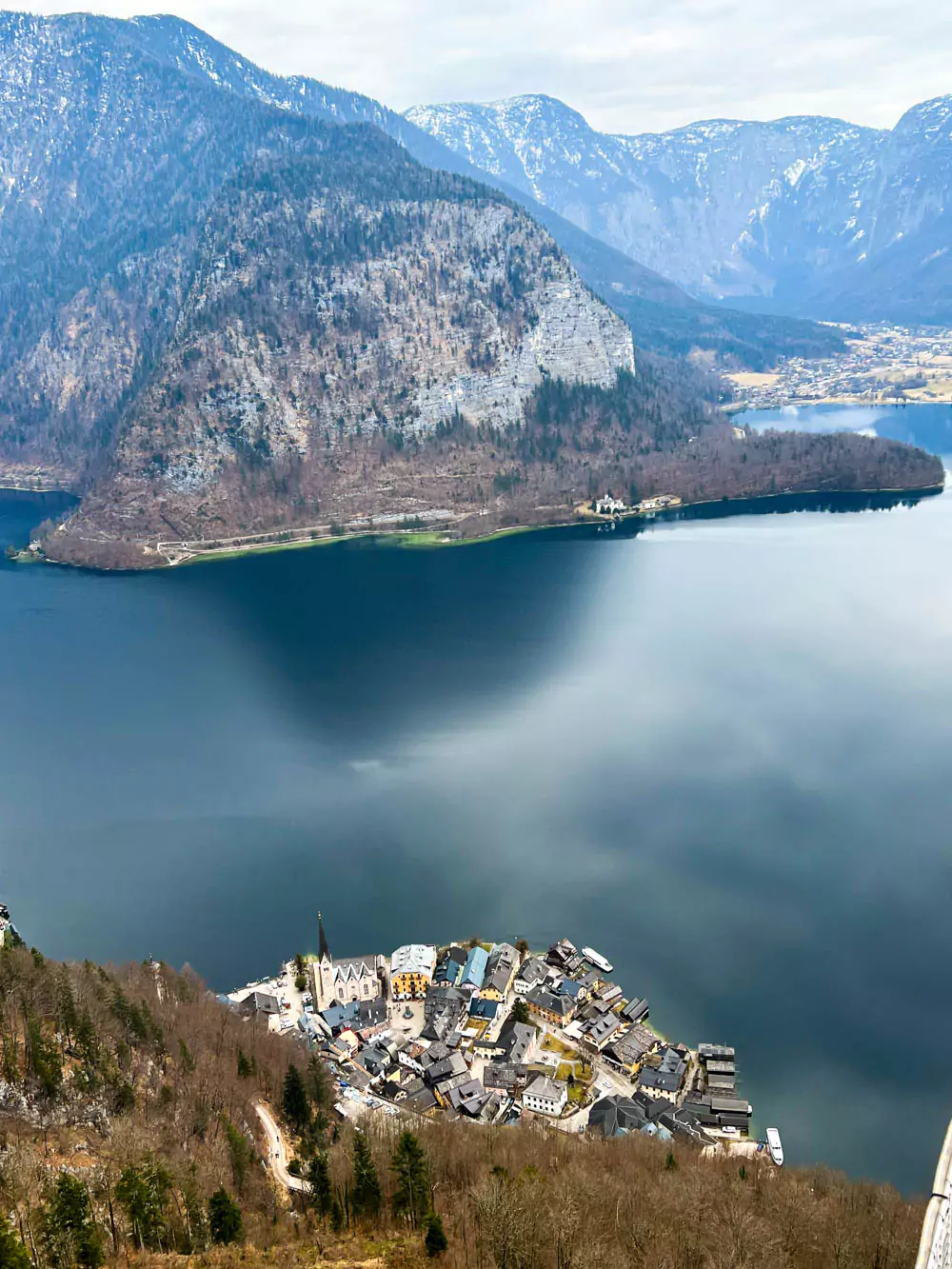
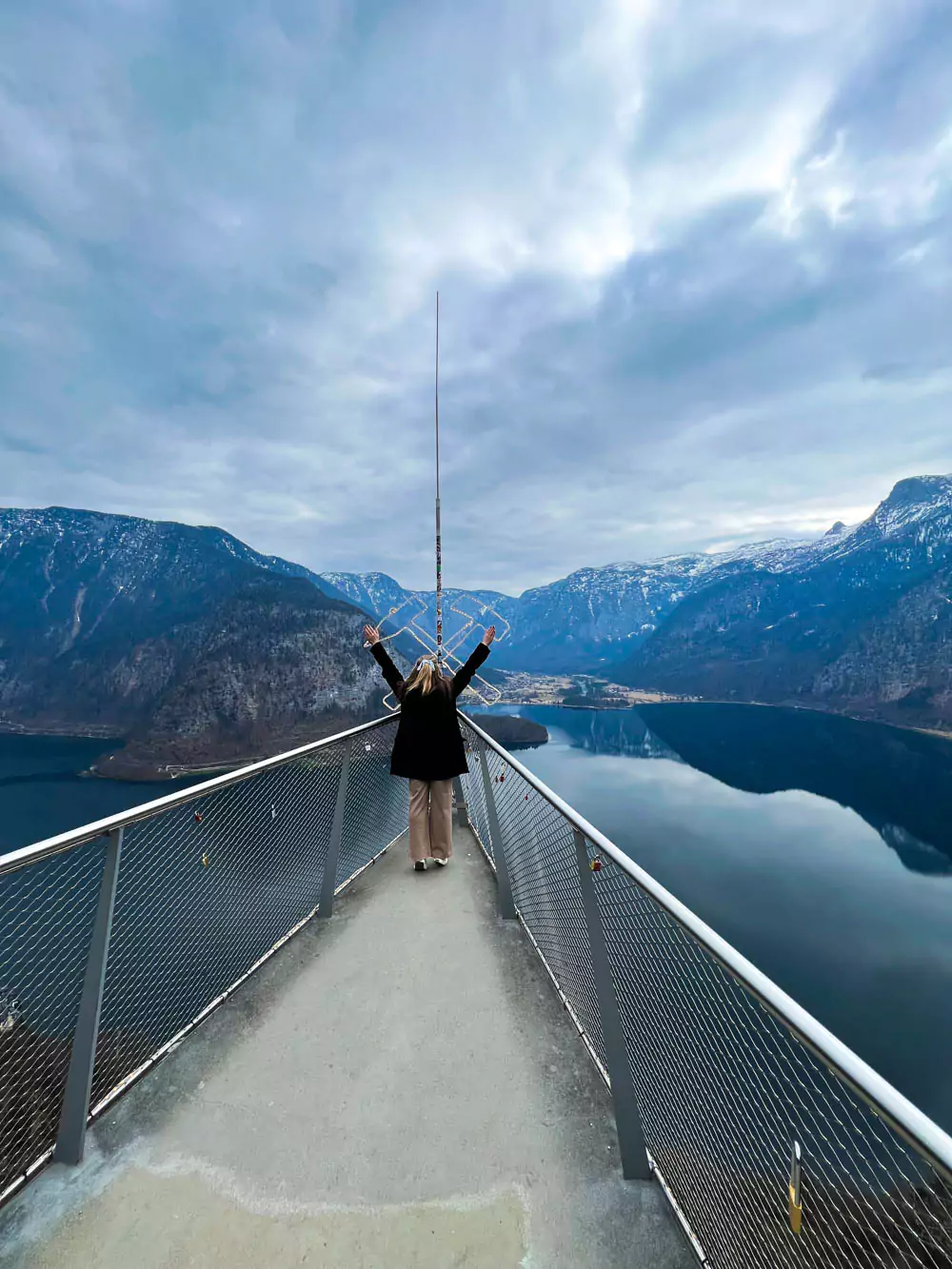
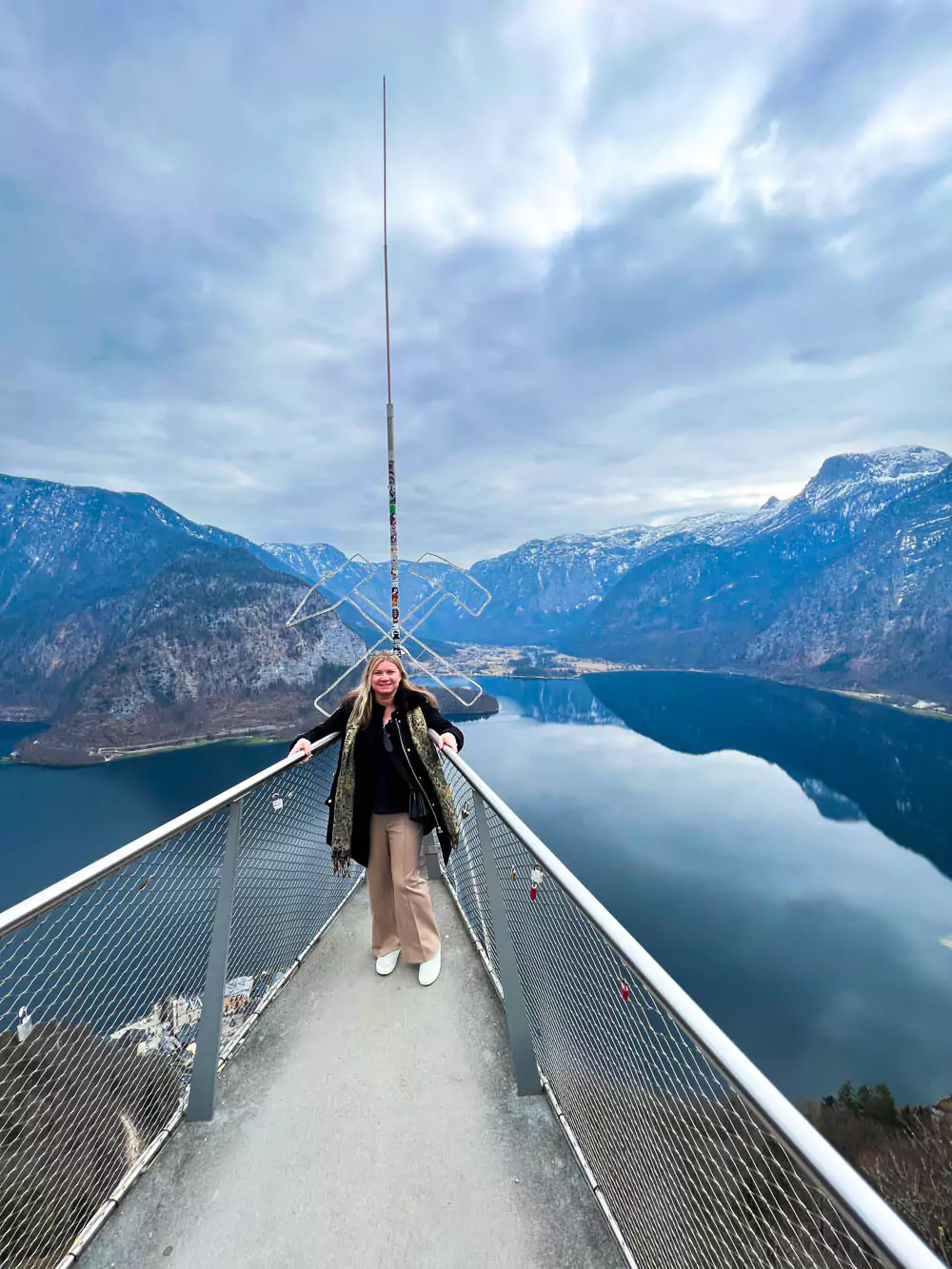
Views of Hallstatt and Lake Hallstatt
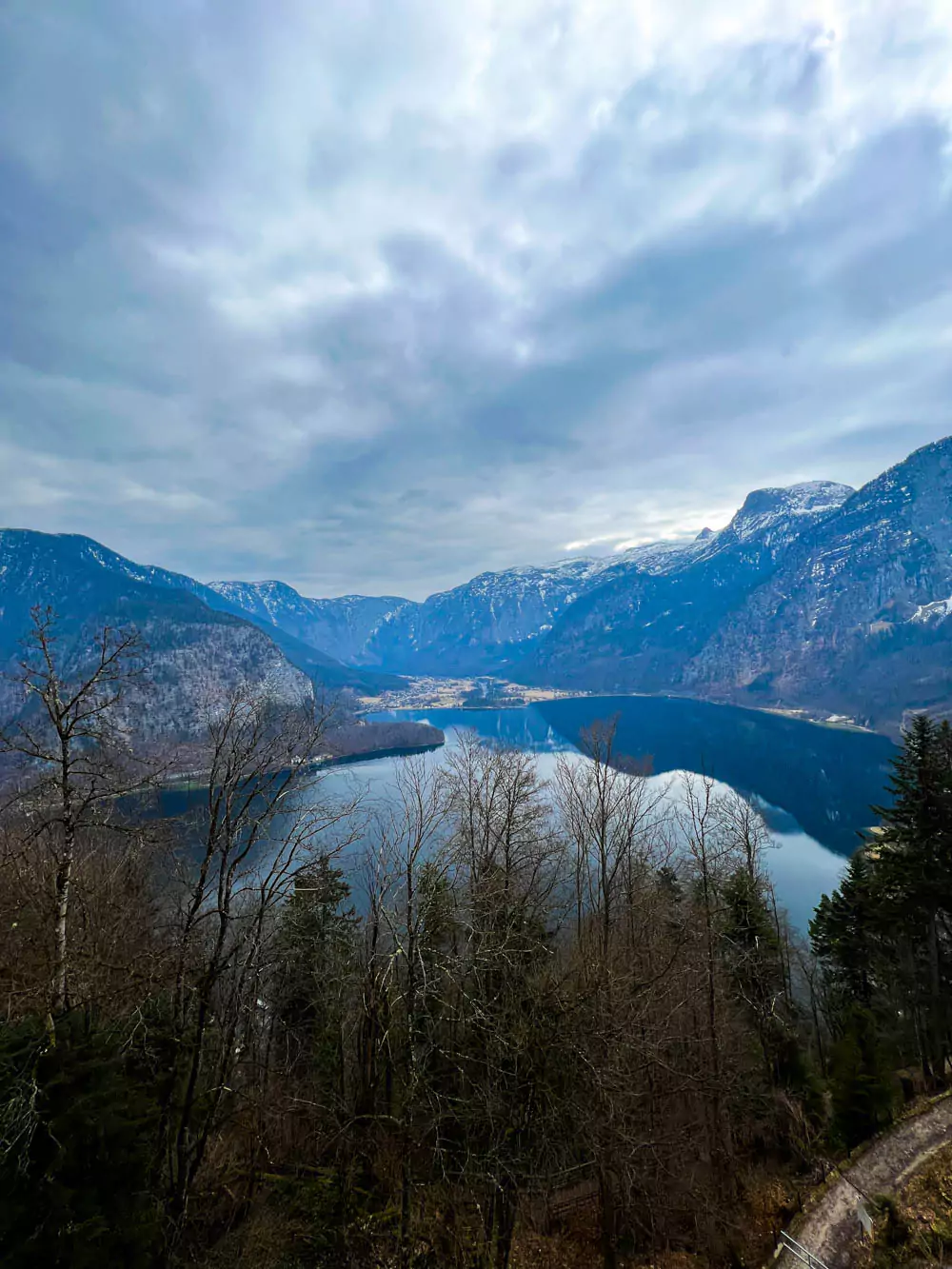
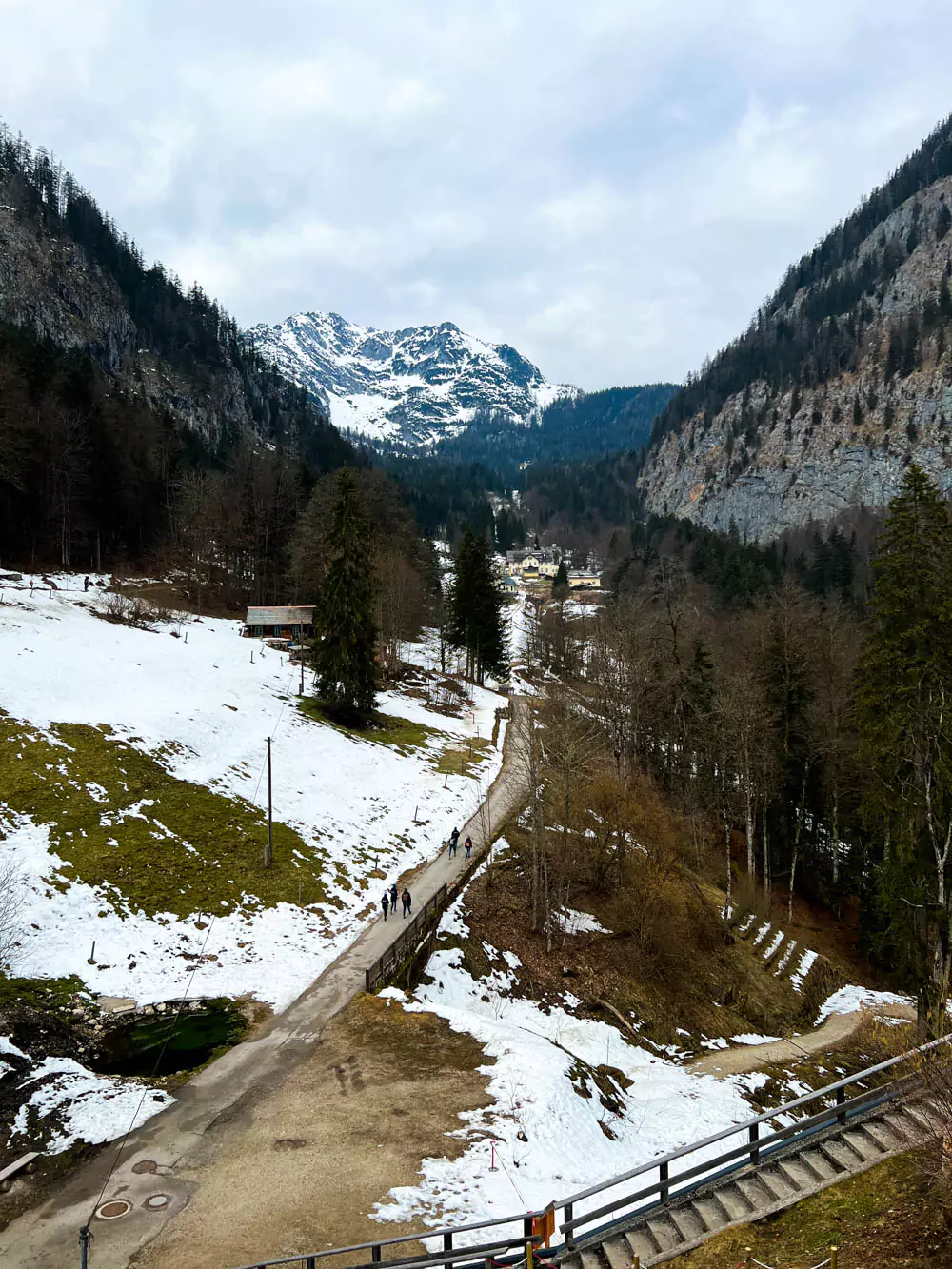
The views of Hallstatt, Hallstatter See and the Dachstein Mountains are stunning from the top of the mountain. You have to pay to ride the funicular, but there are options to walk up the hill.
 |
 |
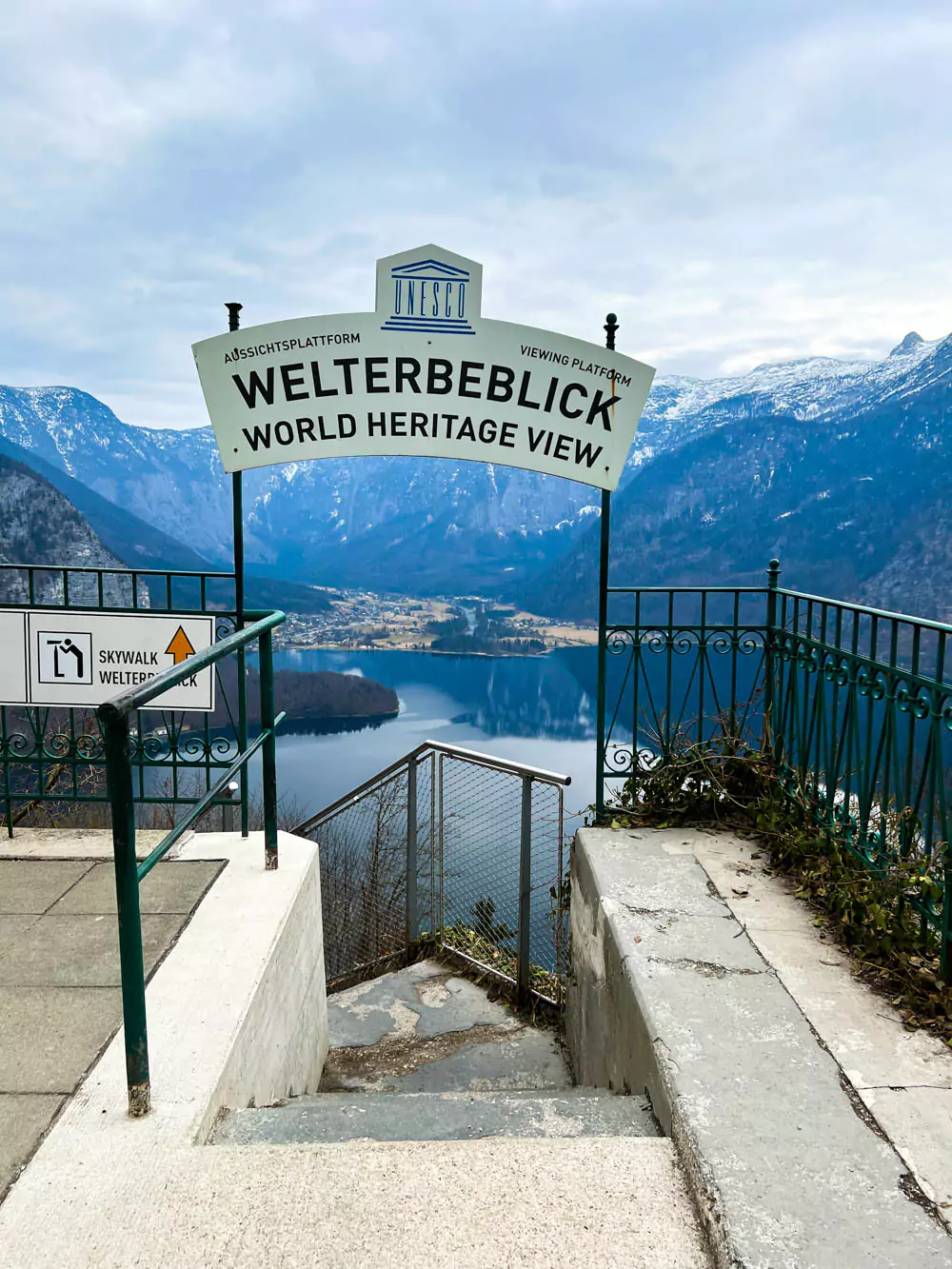
World Heritage Viewing Platform
Once you get to the top of the mountain, a panoramic bridge will lead you to the Rudolf’s Tower and a 12-meters-long lookout platform, the Hallstatt Skywalk, extending out over Hallstätter See.
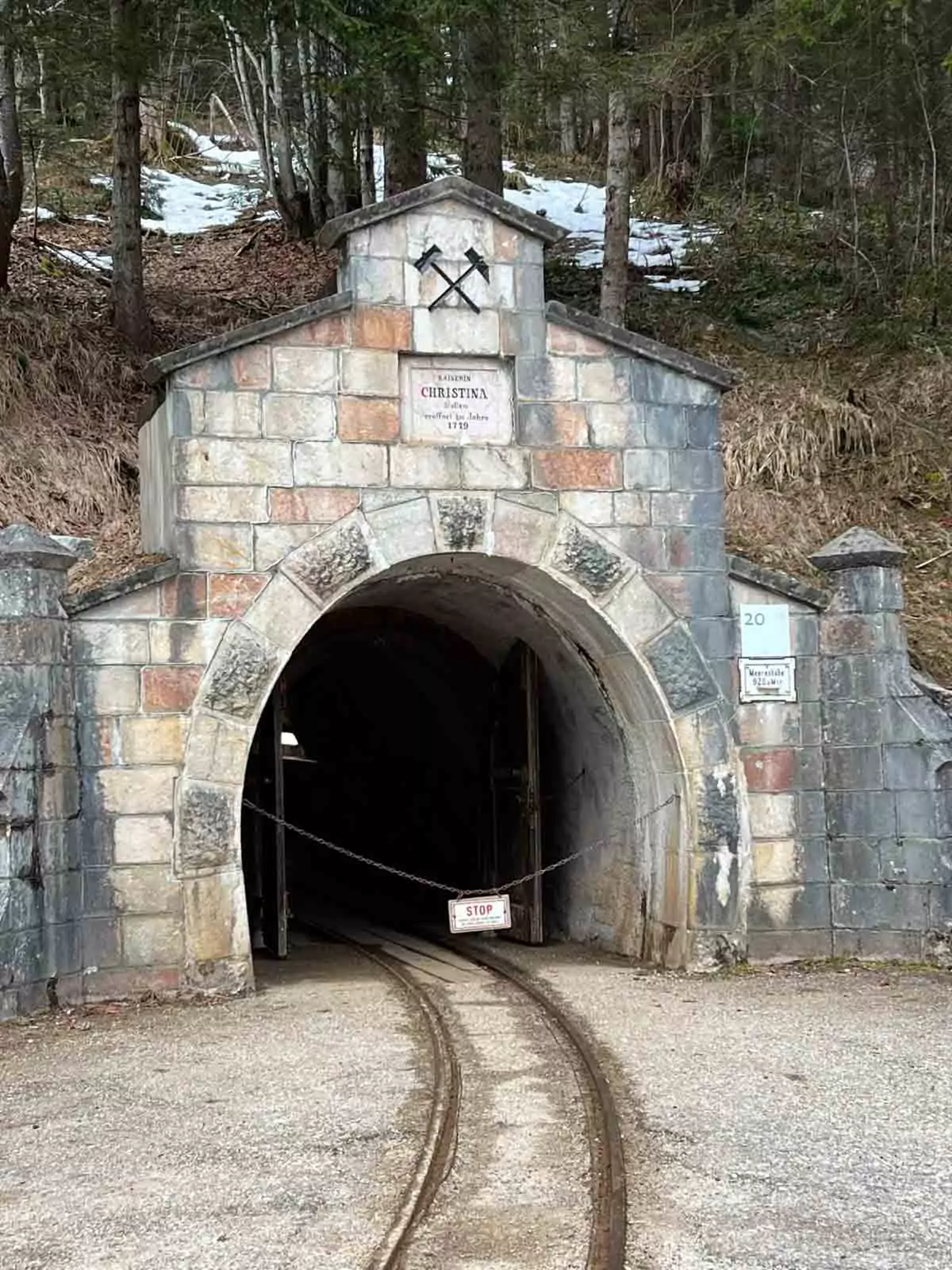
The Welterbeblick viewing platform is located near the entrance to the salt mine. It’s a short walk from the entrance and designed to blend in with the natural surroundings.
The platform is made of wood and steel and is shaped like a giant salt crystal. It stands at a height of over 350 meters above sea level and offers a 360-degree panoramic views of Hallstatt, Hallstätter See and the Dachstein Mountains.
There is also a restaurant and a souvenir shop for you to visit. They have a variety of locally made products, including salt, jewelry, and handcrafted items.
 |
 |
Salt Mine Tour Hallstatt
In the 1950s, the mines were reopened as a tourist attraction, and visitors could take guided tours of the mines to learn about the history and techniques of salt mining. Today, Salzwelten Hallstatt is one of the most popular tourist attractions in Austria, and it is recognized as a UNESCO World Heritage Site.
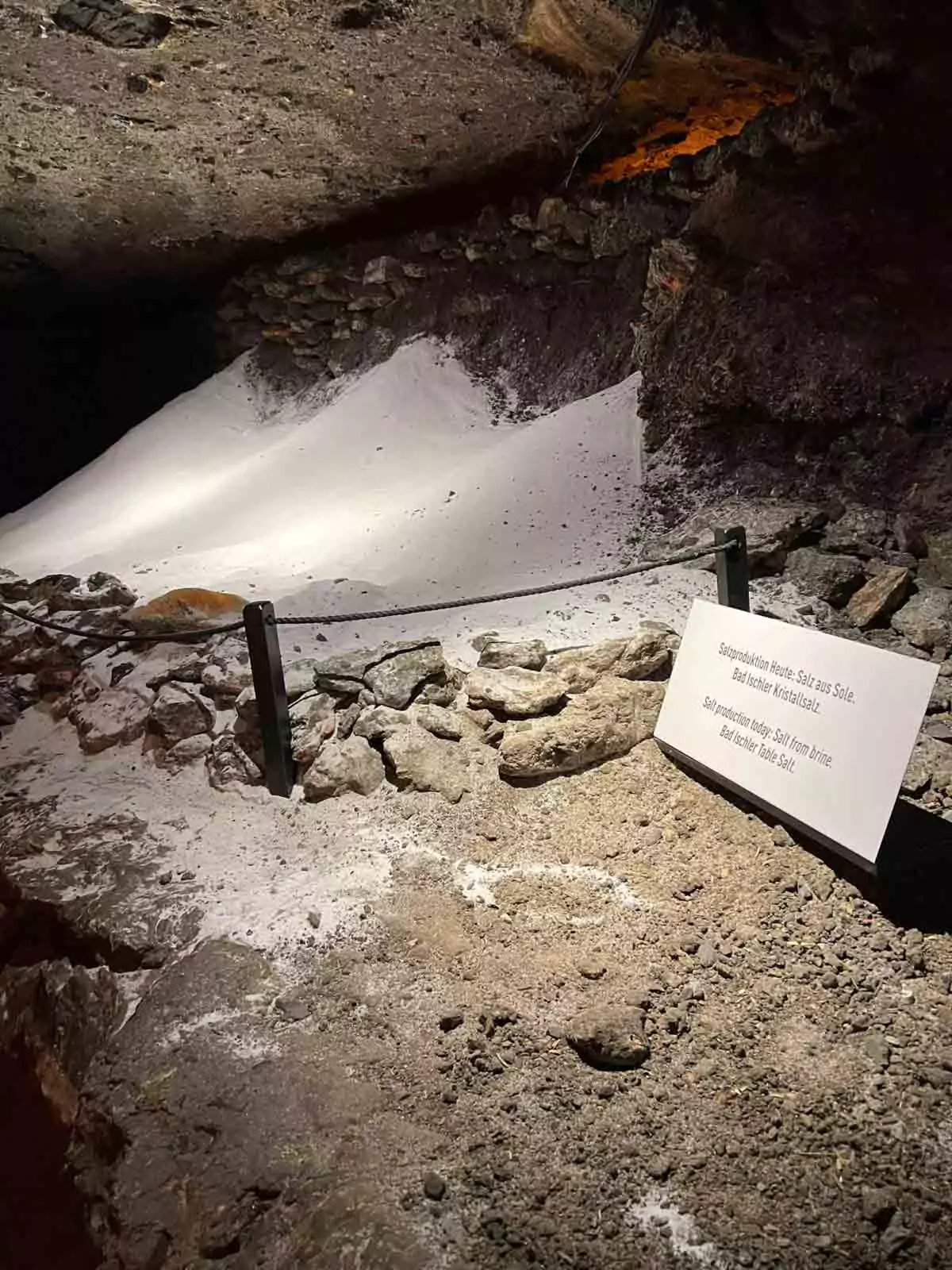
On the tour you will learn about the history and production of salt. Salt is available for purchase in the gift shops. Learn more about visiting Hallstatt in Winter.
 |
 |
The Tour
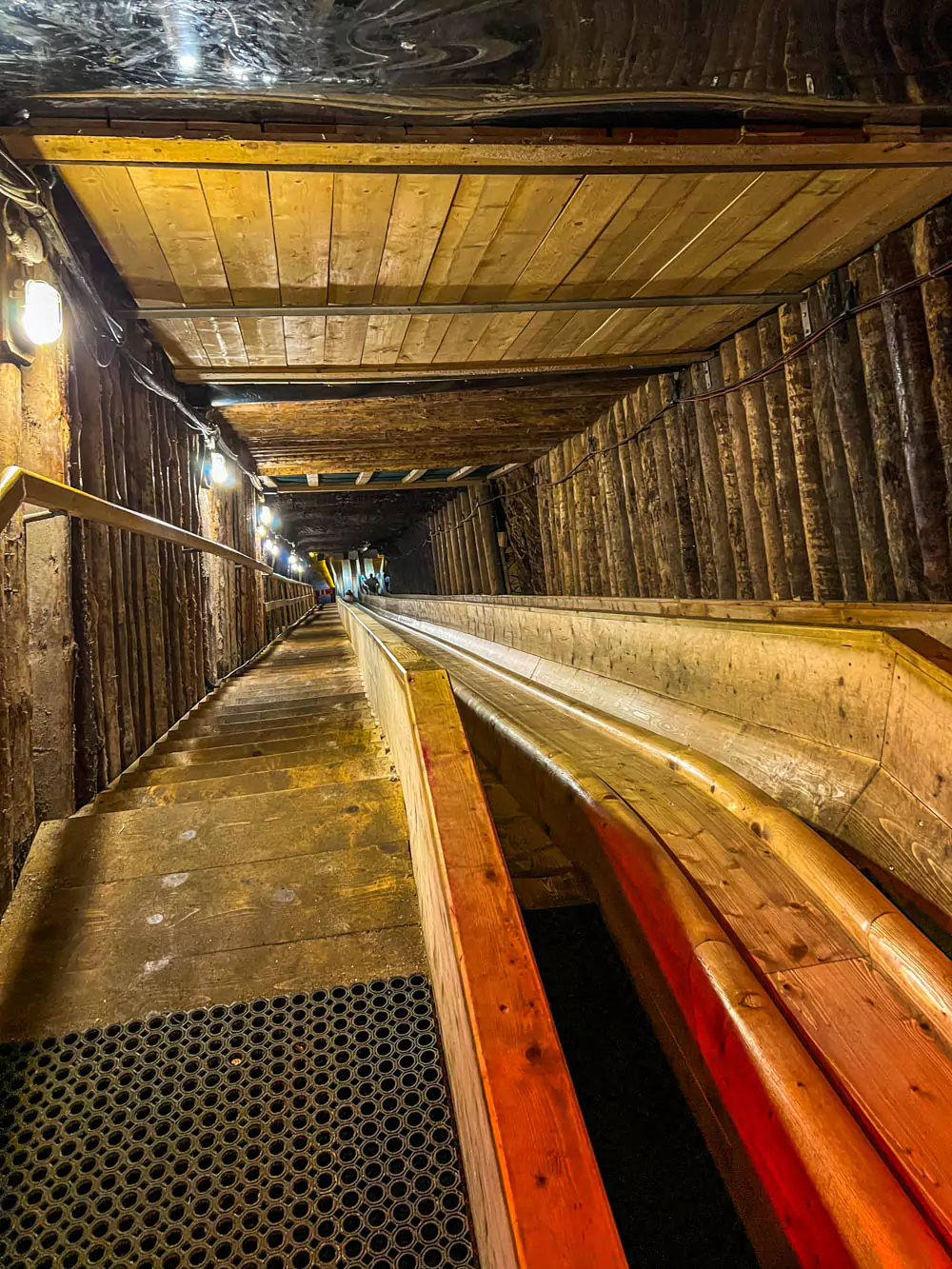
The guided tour in the salt mine begins and you’ll be met with 2 long miners’ slides, a subterranean salt lake and, finally, a ride on the mine train.
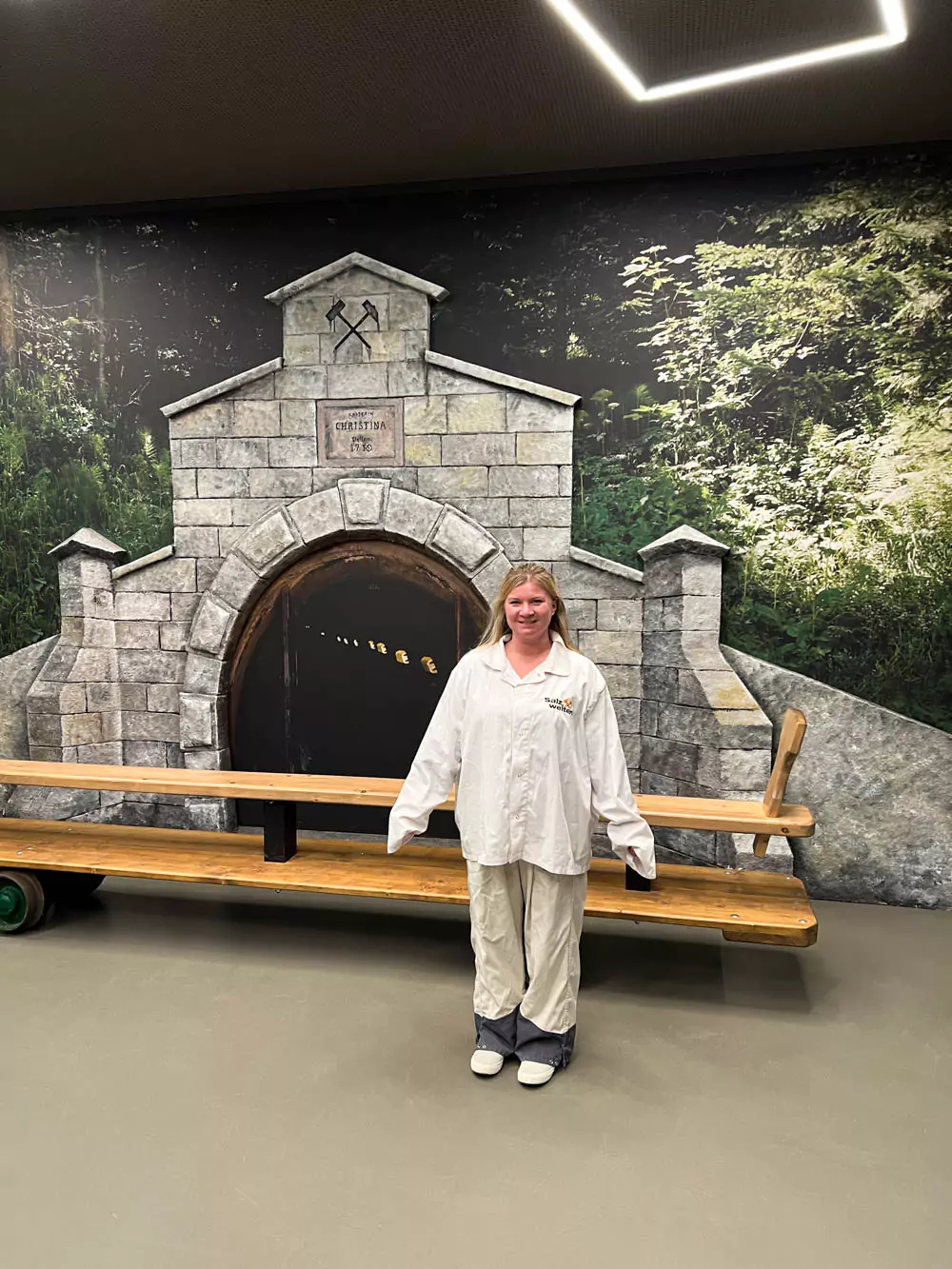
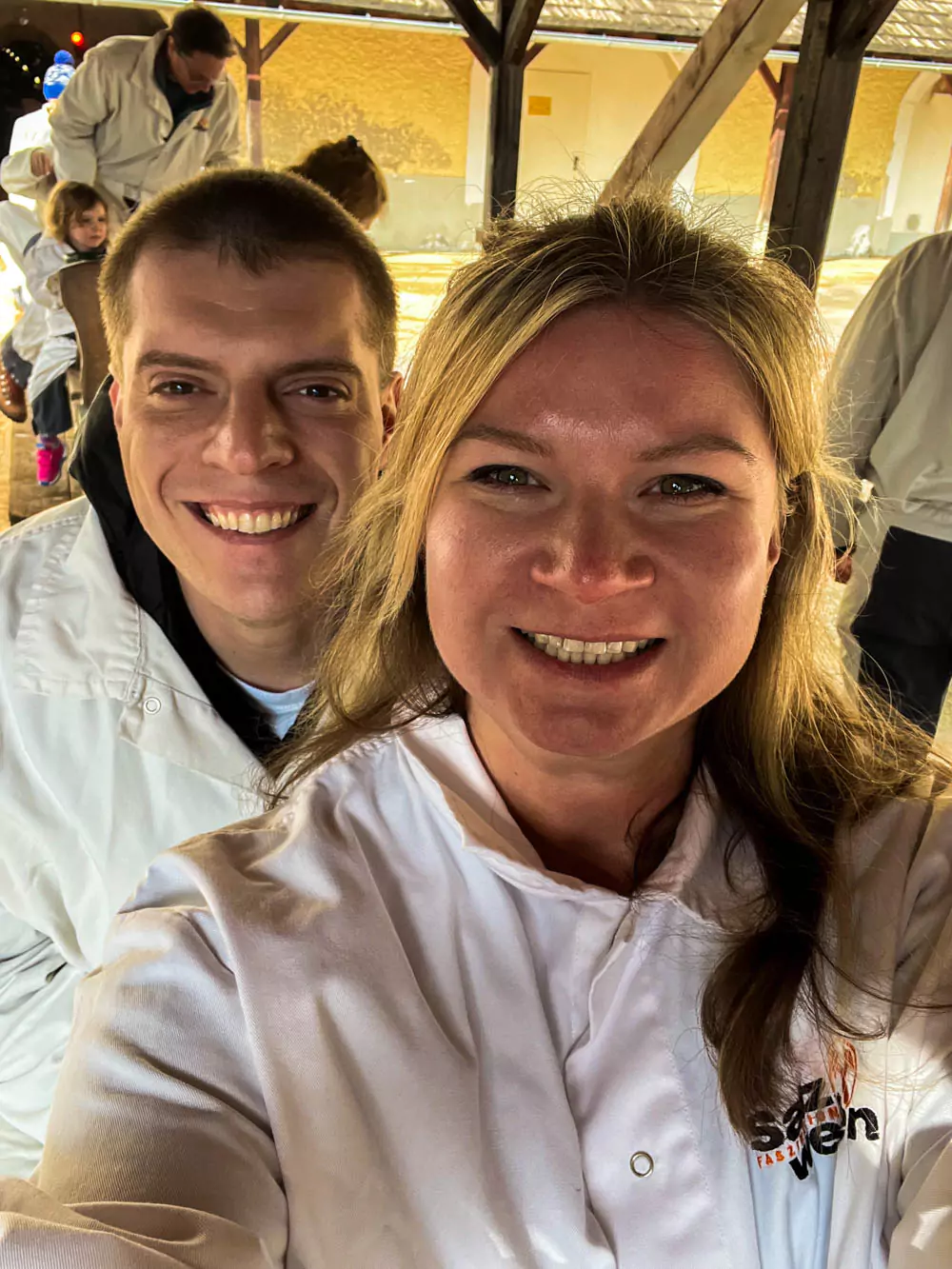
Zack and I were given these sweet outfits to wear. It’s required and is designed to help your clothes remain clean. It also helps you slide down the two slides.
We walked to the entrance of the mine, then walked right through to begin the tour. They had several videos to watch during the tour at various points while we walked through the mine.
 |
 |
The Slides
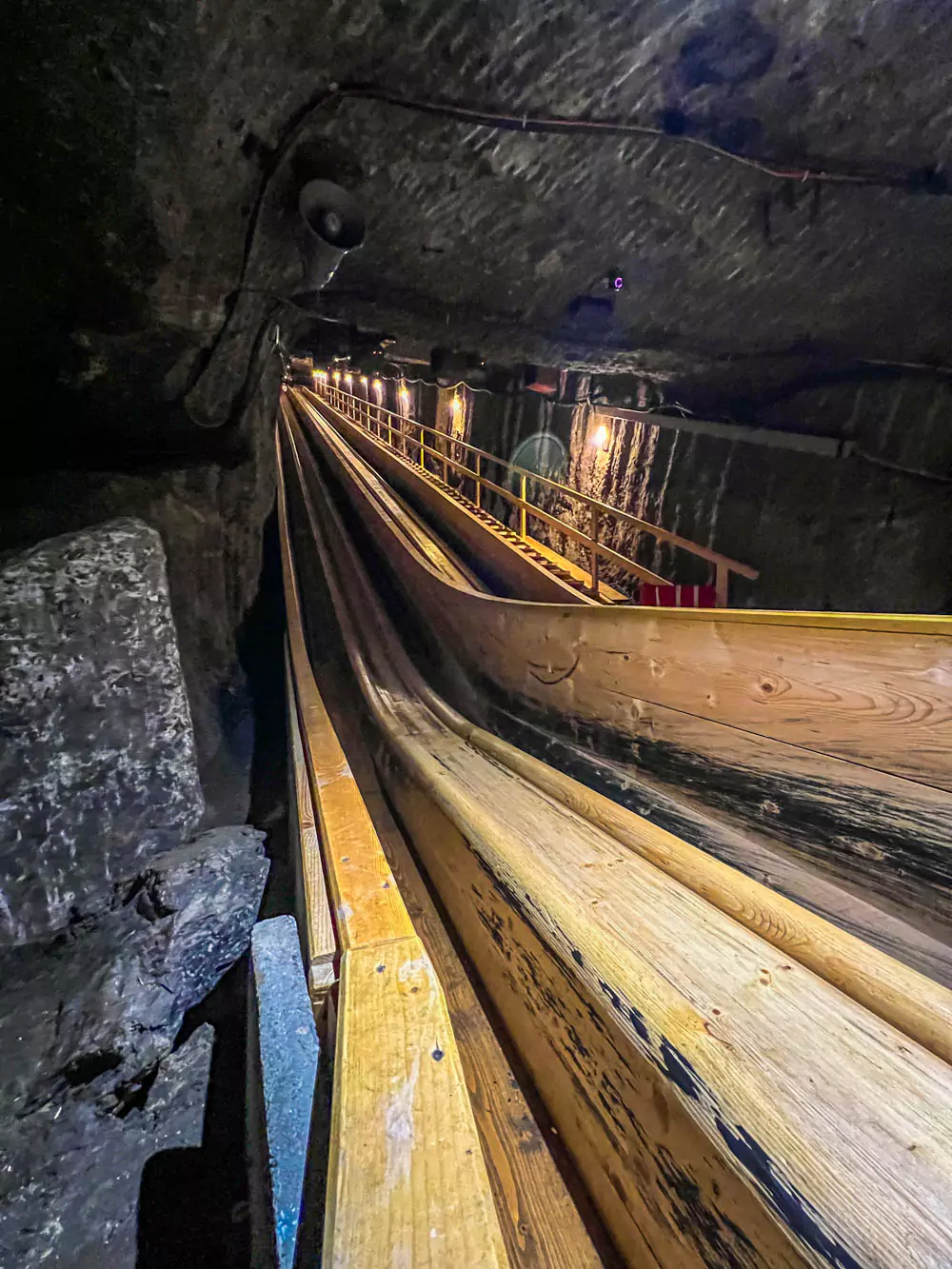
There is a set of two wooden slides that you can ride down to reach a lower level of the mine. It is part of the tour and they capture your speeds and take photos of you. You can purchase the photos at the end of the tour.
The first slide is a shorter, slower slide and the second slide is longer, faster, and steeper, and more thrilling!
The Salt Lake
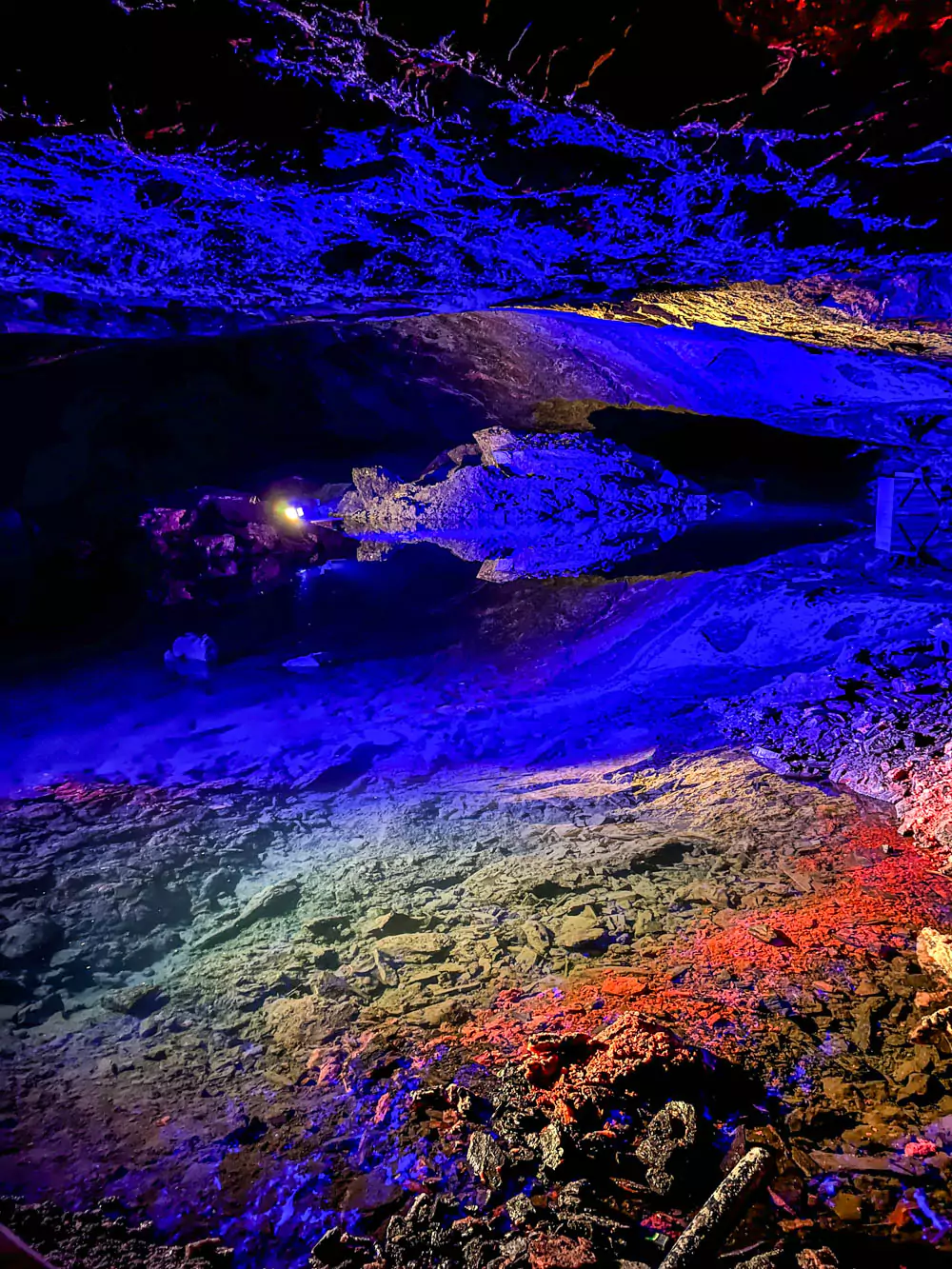
A particularly magical moment during the tour is when you reach the subterranean salt lake. The stillness of the water and the reflections of the salt walls create an almost otherworldly atmosphere.

 |
 |
The Miner’s Train
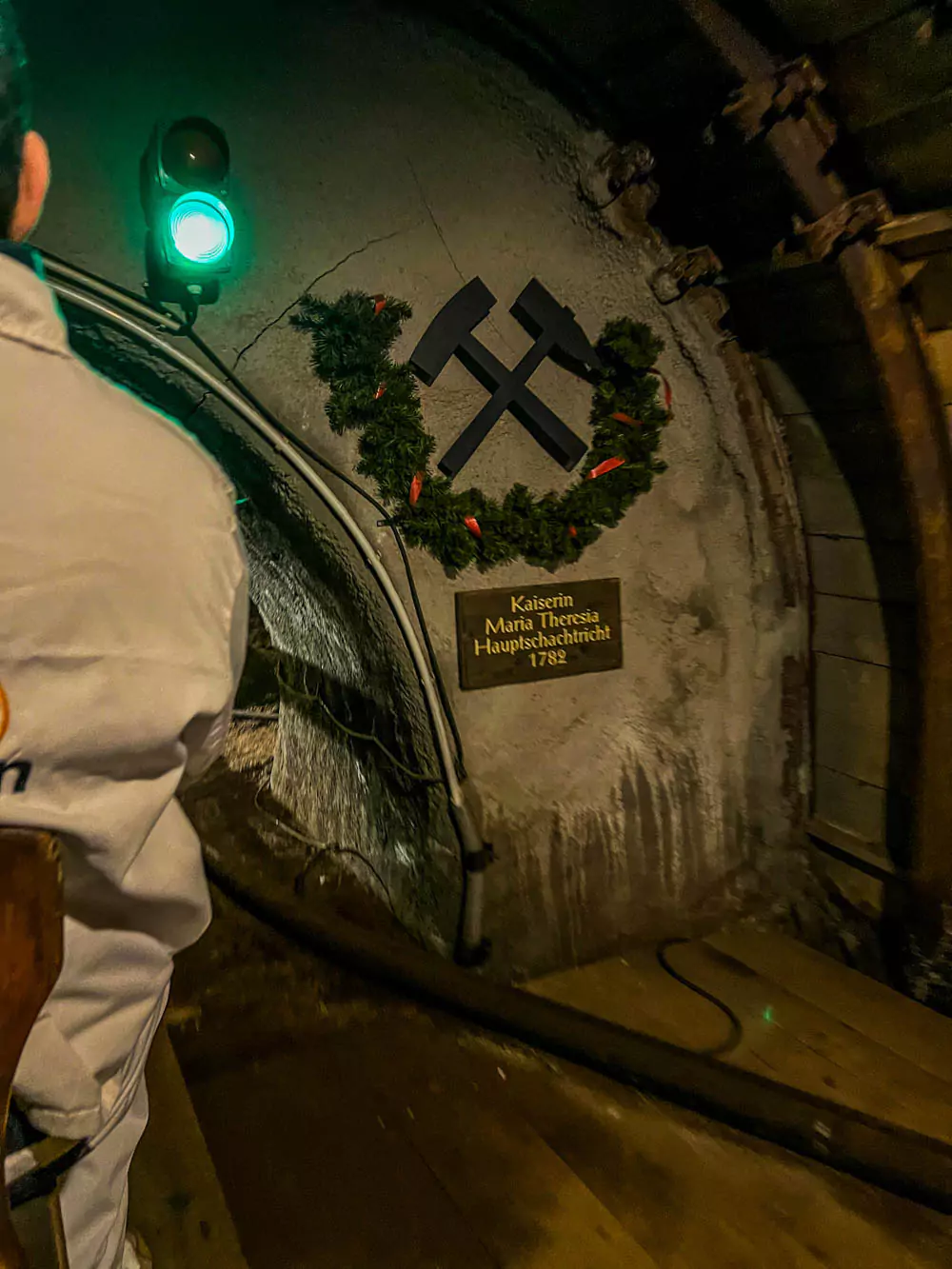
After exploring the mine on foot, the tour concludes with a ride on the miner’s train, which takes you through the tunnels and back out to the surface.
We hopped on this little mine train to exit the mine. We had to sit horse-style because the height of the tunnel is pretty low, and the width is really tight, too.
Hallstatt Salt Mine Details
- Children are allowed to visit the salt mines from the age of 4 years
- Audio guides are available at the ticket window for a small fee or download the Salzwelten App for free
- Opening Hours: Hours vary in summer versus winter, so be sure to check their website.
- Address: Salzbergstraße 21 4830 Hallstatt
- Duration of the mine tour: around 90 minutes
- Salzwelten Hallstatt website

Here are 10 interesting facts about the Hallstatt Salt Mine:
- Oldest Salt Mine in the World: The Hallstatt Salt Mine, also known as Salzwelten Hallstatt, is the oldest salt mine in the world, with a history that dates back over 7,000 years to prehistoric times.
- Prehistoric Origins: Archaeological evidence shows that the Celts were mining salt in Hallstatt as early as 5,000 BC, making it one of the earliest known centers of salt production.
- The “Man in Salt”: In 1734, miners discovered a well-preserved body of a prehistoric miner, now known as the “Man in Salt.” The salt had naturally mummified the body, providing valuable insights into ancient mining practices.
- UNESCO World Heritage Site: The Hallstatt Salt Mine is part of the larger Hallstatt-Dachstein/Salzkammergut Cultural Landscape, which was designated a UNESCO World Heritage site in 1997 due to its rich history and cultural significance.
- Underground Slide: One of the most popular attractions in the mine is the long wooden slide that visitors can use to descend deeper into the mine. This slide is over 60 meters long and adds a fun element to the tour.
- Salt Production: Salt from Hallstatt was once so valuable that it was referred to as white gold. The wealth created from salt trade helped establish Hallstatt as an important and prosperous settlement in ancient times.
- The Salt Chamber: The mine features a spectacular salt chamber, where the walls glitter with crystals of rock salt. This chamber is illuminated with colorful lights, creating a mesmerizing visual effect.
- The Prehistoric Brine Pipeline: Hallstatt is home to the world’s oldest known pipeline, built by the Celts over 3,000 years ago. It was used to transport brine (saltwater) from the mine to processing areas.
- Hallstatt Period: The archaeological discoveries in the Hallstatt Salt Mine were so significant that they led to the naming of the Hallstatt Culture, a prehistoric culture that spread across Europe during the Early Iron Age (approximately 800 to 450 BC).
- Visitor Experience: Today, the Hallstatt Salt Mine offers guided tours where visitors can explore the ancient tunnels, learn about the history of salt mining, and enjoy interactive exhibits. The tour also includes a ride on a mine train and panoramic views from the Hallstatt Skywalk.
XOXO,
Katie
Don’t forget to follow me on Pinterest, Instagram or Facebook!
Liked this post? Share it on Pinterest!
 |
 |
Additional Austrian resources:
We visited Hallstatt Salt Mine on our day trip from Salzburg. We also took a day trip to Vienna from Salzburg.
If you’re heading to Salzburg be sure to read on about all the fun things to do there, like visiting the a href=”https://www.travelwithkinsley.com/mozarts-birthplace-and-residence/”>birthplace of Mozart. I also have a guide on what to eat in Salzburg.
If you’re thinking about visiting Vienna, then I recommend checking out Schonbrunn Palace and riding the Giant Ferris Wheel.
Before we visited Austria, we spent time exploring the Disney Castle in Bavaria. Then after Austria we headed straight into Nuremberg for another few days of fun in Germany! And we also visited another castle there!
