Things to Do in Andong for First-Time Visitors

Travel With Kinsley contains affiliate links and is a member of the Amazon Services LLC Associates Program, which means I may receive a cute little commission if you purchase through my links, at no extra cost to you. Please read full disclosure for more information.
Andong is famous for its wooden masks, the lively Mask Dance Festival, and the UNESCO-listed Hahoe Folk Village.
And then there’s the food—you can’t leave without trying Andong Jjimdak, a spicy braised chicken dish that’s beloved across the country.
Andong is the kind of place where every corner offers something to explore, from quiet traditional streets to hands-on cultural experiences. I’ve been, I’ve seen, and I’d happily go back again.
If you’re planning a weekend trip, this guide will walk you through the best things to see, do, and taste in Andong. Trust me—this city is more than worth the detour.
Why Visit Andong?
When Queen Elizabeth II visited South Korea, she asked to be shown “the most Korean place in Korea”—and the answer was Andong.
Known as the “Capital of Korean Spirit”, this city in Gyeongsangbuk-do is rich in tradition, history, and food culture.
If she’d asked for the most historic city, she might’ve been sent to Gyeongju instead—but Andong is where you go when you want to experience Korea’s soul.
Unlike Seoul’s fast-paced energy or Busan’s coastal vibe, Andong gives you a chance to step back in time and experience Korea’s traditional culture and history in an authentic way.

Getting to Andong
Andong is accessible from major cities in South Korea and makes for a wonderful cultural day trip or an overnight stay:
From Seoul
By Train: Take the KTX from Seoul Station to Andong Station. – The trip takes roughly 2 hours 15 minutes. – This is the fastest and most convenient way if you want to maximize sightseeing time. – Book your tickets online or at the station via KORAIL.
By Bus: Buses leave from both Seoul Express Bus Terminal (Gangnam) and Dong Seoul Bus Terminal. – The journey takes around 3 to 3.5 hours, depending on traffic. – Buses are comfortable and frequent, making this a budget-friendly option.
From Busan
Take the KTX or express train from Busan or Busan Station to Dongdaegu (or Daegu). The KTX takes about 1 to 1.5 hours.
From Daegu
From Daegu or Dongdaegu, catch a direct bus to Andong. Buses run frequently, and the ride takes about 1 to 1.5 hours.

Top Things to See and Do in Andong
Hahoe Village
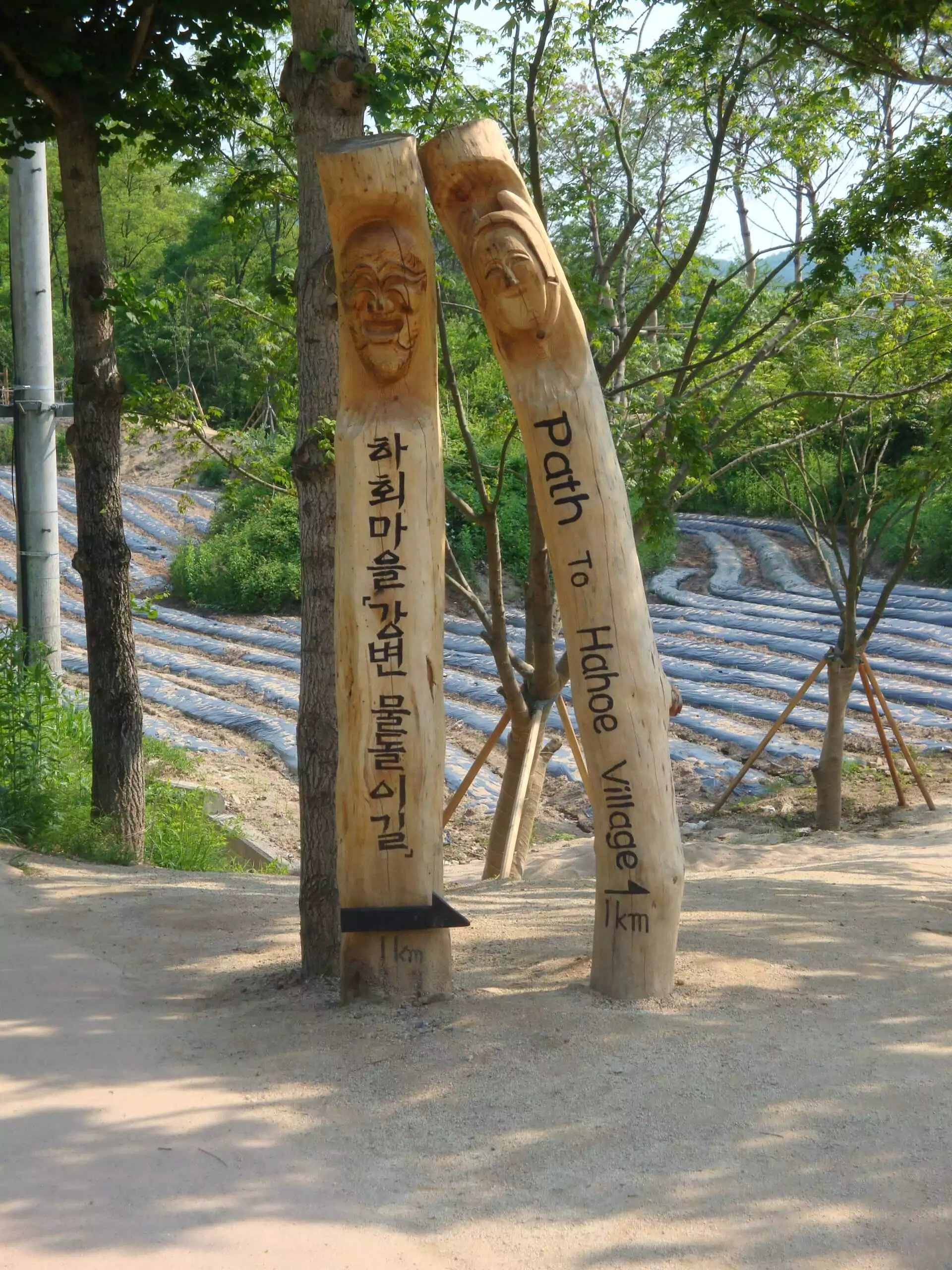
The UNESCO-listed Hahoe Village is a must-see in Andong. Known for its traditional hanok houses, Confucian shrines, and ancestral practices, Hahoe Village feels like a journey back to the Joseon Dynasty. The village is still home to the descendants of the Ryu clan, preserving their customs and way of life.
Don’t miss the Hahoe Mask Dance performance, which is held regularly in the village. This folk dance uses expressive wooden masks to portray humorous, satirical characters, offering insight into Korean folklore and cultural commentary.

Dosanseowon Confucian Academy
Founded by the revered Confucian scholar Yi Hwang (Toegye), Dosanseowon is a Confucian academy located in a serene riverside setting surrounded by forests. It was established during the Joseon Dynasty and served as a place of learning and moral cultivation for students of Confucianism.
Dosanseowon is famous for its beautiful wooden architecture and tranquil setting, making it an ideal place to experience Confucian philosophy in action. The academy reflects the academic and ethical spirit of Andong and is one of Korea’s most beautiful Confucian sites.
Cheongnyangsa Temple
For those willing to venture outside the city, Cheongnyangsa Temple is a secluded temple located in the mountains near Andong. Known for its serene environment, the temple is a peaceful retreat with beautiful hiking trails, lush forests, and panoramic views.
The temple’s setting in Cheongnyangsan Provincial Park makes it an excellent choice for a day hike, where you can enjoy nature and spirituality combined.
Andong Mask Dance Festival
Held annually in autumn (usually late September to early October), the Andong Mask Dance Festival is one of Korea’s most famous cultural festivals. It celebrates traditional Korean mask dances and features performances from international and local mask dance troupes.
The festival includes various cultural events, workshops, mask-making, and parades, making it a vibrant way to experience Andong’s folk traditions. Visitors can even try on traditional masks and participate in dance workshops to learn the basics.
Andong Folk Museum
The Andong Folk Museum is an excellent introduction to the region’s cultural heritage, especially if you want a deeper understanding of Andong’s Confucian traditions, marriage customs, and shamanistic rituals.
The museum showcases folk artifacts, traditional clothing, musical instruments, and tools used by Andong’s people over the centuries. It also offers displays on Confucian values, which played a vital role in shaping the social fabric of the Andong region.
Byeongsan Seowon
Another notable Confucian academy in Andong, Byeongsan Seowon is a UNESCO World Heritage Site that combines traditional Korean architecture with stunning views of the Nakdong River. It was also an educational hub during the Joseon Dynasty and remains an important part of Andong’s Confucian heritage.
This seowon is particularly picturesque in autumn, when the surrounding trees turn vibrant shades of red and orange. Visitors can enjoy a peaceful walk through the site, reflecting on the teachings of Confucianism and the influence of Korea’s scholarly tradition.
Andong Jjimdak Alley
Andong is famous for its Andong Jjimdak, a savory dish of braised chicken cooked with soy sauce, potatoes, carrots, and glass noodles. Jjimdak Alley in downtown Andong is lined with restaurants specializing in this local dish, where you can enjoy the rich flavors of Andong’s culinary tradition.
The spicy, savory dish is usually served in large portions, making it perfect for sharing. Jjimdak is beloved throughout Korea, but tasting it in Andong’s authentic jjimdak alley is a special experience.
Woryeonggyo Bridge
The Woryeonggyo Bridge is Korea’s longest wooden bridge and offers a romantic evening stroll with a scenic view over the Nakdong River. The bridge is illuminated at night, creating a peaceful and beautiful atmosphere that’s popular with both locals and visitors.
Legend has it that the bridge was built in memory of a woman’s love for her late husband, adding a touch of local folklore to its appeal. It’s a great spot for evening walks and photography, especially at sunset.
Confucian Land
Confucian Land is a modern cultural theme park focused on Confucian teachings, values, and lifestyle. The park features interactive exhibits that explain Confucian principles in an engaging way, including replicas of traditional classrooms, Confucian ceremonies, and artifacts.
This attraction is family-friendly and offers a unique approach to understanding the influence of Confucianism on Korean culture and values, particularly in the Andong region.
Andong Soju Museum
Andong is known for its traditional Andong Soju, a distilled spirit that has been enjoyed in Korea for centuries. The Andong Soju Museum showcases the history and production of Andong’s famous soju, offering tasting opportunities and insights into the traditional distilling process.
Andong soju is stronger than typical Korean soju, with a distinct, smooth taste. Visitors interested in Korean alcoholic beverages and traditional craftsmanship will find this museum a unique experience.
Tips for Visiting Andong
Best Time to Visit: Spring (April) and autumn (October) are ideal times to visit Andong, especially for outdoor activities and festivals. The Andong Mask Dance Festival is held in autumn, while spring brings cherry blossoms and mild weather.
Stay Overnight: Although you can explore some highlights in a day, staying overnight allows for a more relaxed experience and time to explore places like Hahoe Village, Dosanseowon, and downtown Andong.
Transportation: Andong has a well-connected bus system that reaches most tourist sites, but taking taxis or renting a car can be more convenient for exploring remote areas like Dosanseowon and Cheongnyangsa Temple.
Accommodation Options: Andong has various options, from traditional hanok stays in Hahoe Village to modern hotels downtown. Staying in a hanok offers a memorable experience and deeper connection with the area’s heritage.
Bring Cash: Some smaller restaurants, shops, and entrance fees in Andong may be cash-only, so having cash on hand is convenient, especially for street food and local markets.
See also:
- One Day in Kyoto Itinerary
- Visiting Higashi Honganji Temple in Kyoto: What to Know Before You Go
- Visiting Heian Shrine in Kyoto: What to Know Before You Go
Use my favorite travel resources to plan your dream trips
- Booking.com for searching best prices on accommodation.
- Travel Payouts is my favourite platform for monetizing the blog.
- RentalCars is a great website as they search both local and international car hire services, so you can choose the best deal for yourself. Make sure though, that the company has a good reputation and reviews.
- Get Your Guide is my place to go for searching and booking tours and excursions.
- Go City is a perfect site for booking bucket list experiences and attractions all in one to avoid paying for multiple tickets. Easy and saves money. You can even save 50%.
- Trip Advisor is amazing for good quality recommendations.
- Cheapoair is a perfect website for searching flight routes and comparing prices.
