One Day in Kyoto Itinerary

Travel With Kinsley contains affiliate links and is a member of the Amazon Services LLC Associates Program, which means I may receive a cute little commission if you purchase through my links, at no extra cost to you. Please read full disclosure for more information.
Kyoto is one of those cities that feels like stepping straight into Japan’s storybook past. From golden temples that shimmer in the sunlight to quiet gardens where you can hear the crunch of gravel under your feet, it’s a place full of unforgettable sights.
Between shrines, geisha districts, and centuries-old traditions, there’s a lot to pack into a Kyoto trip—and figuring out where to start can feel overwhelming.
After spending time exploring Kyoto and the surrounding area, I’ve pulled together the ultimate 1-day Kyoto itinerary to help you make the most of your visit.
While one day isn’t enough to see it all, this guide covers the best things to see and do, where to stay, tour options, and plenty of insider tips so you can plan your trip with ease.
Can You Do Kyoto in a Day?
Yes—if you plan carefully. Kyoto is home to over 2,000 temples and shrines, but with just one day, you’ll want to focus on a handful of the city’s most iconic spots. This itinerary is designed to balance sightseeing with culture and food so you leave with a true taste of Kyoto.
Kyoto Itinerary 1 Day Overview
- Morning: Arashiyama Bamboo Grove + Higashiyama District
- Afternoon: Nishiki Market + cultural experiences
- Evening: Fushimi Inari Shrine + dinner in Kyoto
How to Spend Your One Day Kyoto Itinerary
Arashiyama Bamboo Grove
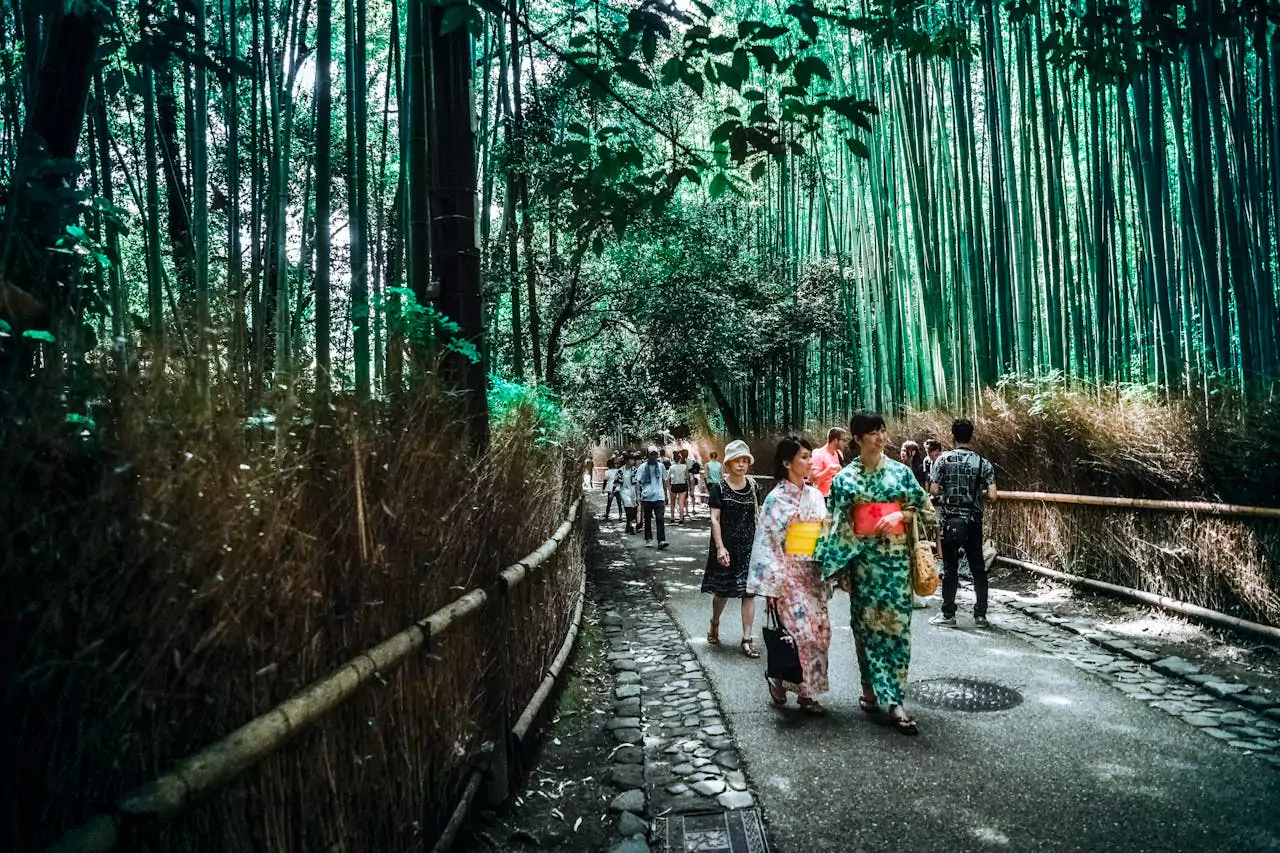
Start your morning in Arashiyama, west of the city center, where the Bamboo Grove offers one of Kyoto’s most iconic photo spots. The towering stalks create an almost otherworldly path that feels peaceful and surreal.
How to Get to the Bamboo Grove from Kyoto
Take the JR Sagano Line from Kyoto Station to Saga-Arashiyama Station (15 minutes). From there, it’s a 10-minute walk to the grove.
Higashi Honganji Temple
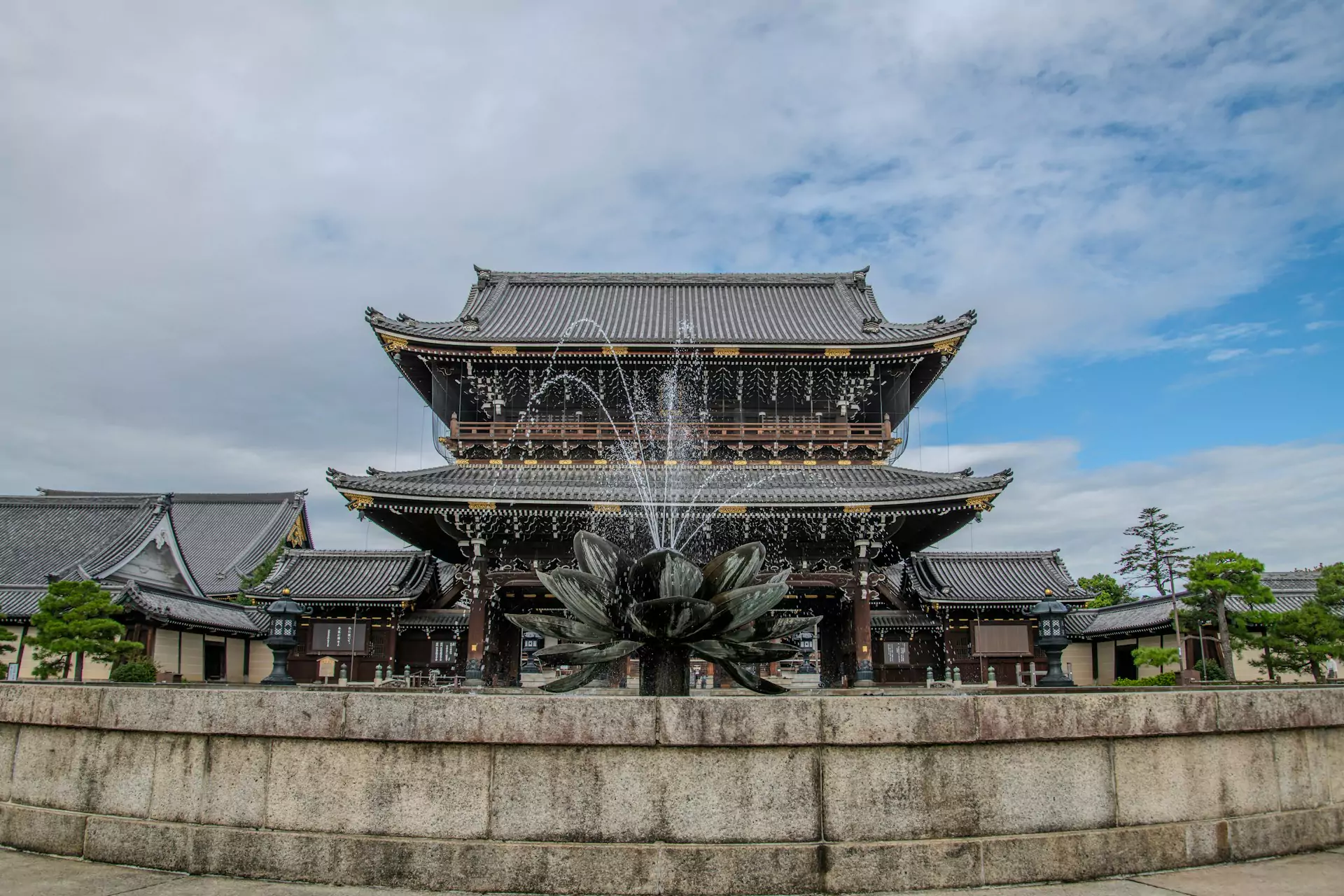
On your way back toward central Kyoto, stop at Higashi Honganji Temple, a massive wooden structure near Kyoto Station. It’s quieter than some of the more famous temples, giving you space to soak in the atmosphere.

Kiyomizu-dera
No Kyoto trip is complete without Kiyomizu-dera, famous for its wooden stage overlooking the city. From cherry blossoms in spring to fiery leaves in autumn, the views are incredible year-round.

Heian Shrine
Head to Heian Shrine, known for its giant red torii gate and sprawling gardens. It’s a peaceful stop and a great spot for photos.
Fushimi Inari Shrine
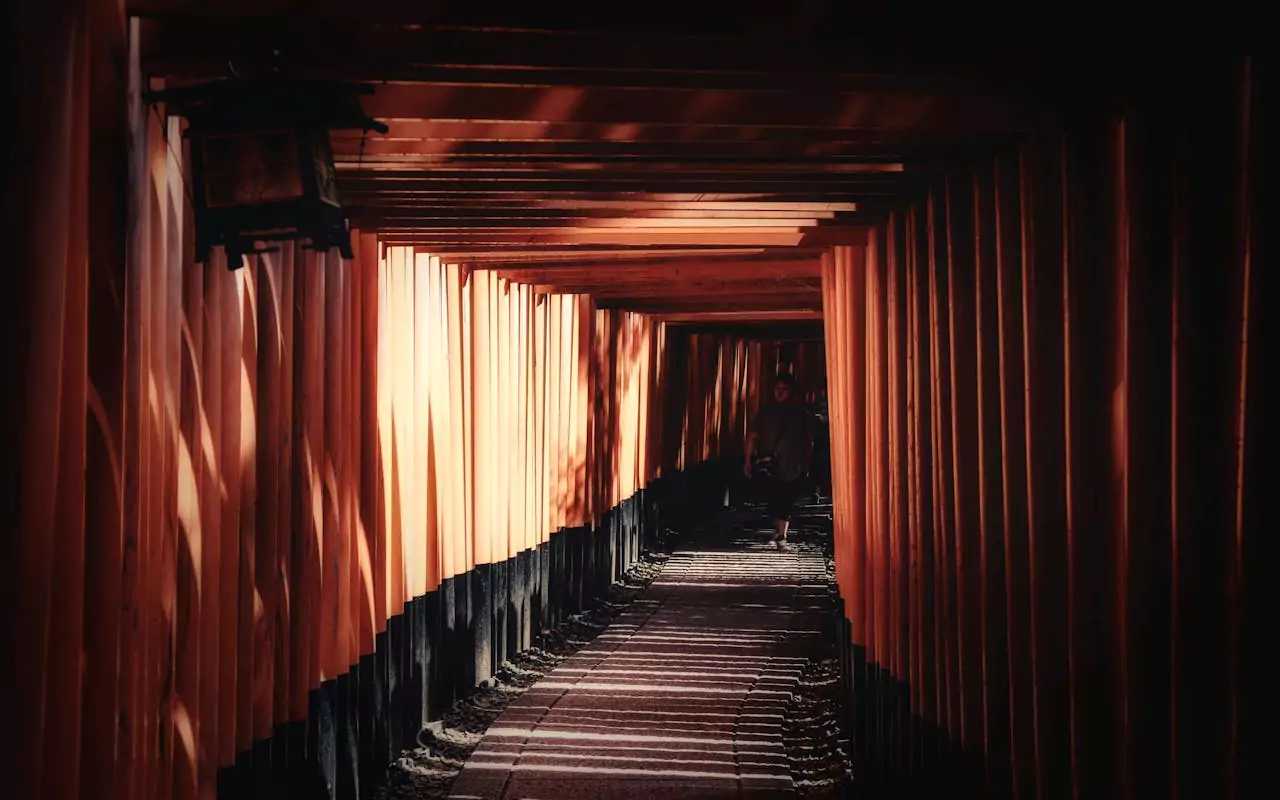
In the evening, head to Fushimi Inari Shrine, famous for its thousands of red torii gates winding up the mountain. You don’t have to hike to the top to appreciate the magic—an hour or so exploring the lower paths is plenty.
How to Get to Fushimi Inari Shrine:
From Kyoto Station, take the JR Nara Line to Inari Station (5 minutes). The shrine entrance is right outside the station.

Gion – The Traditional Geisha District of Kyoto
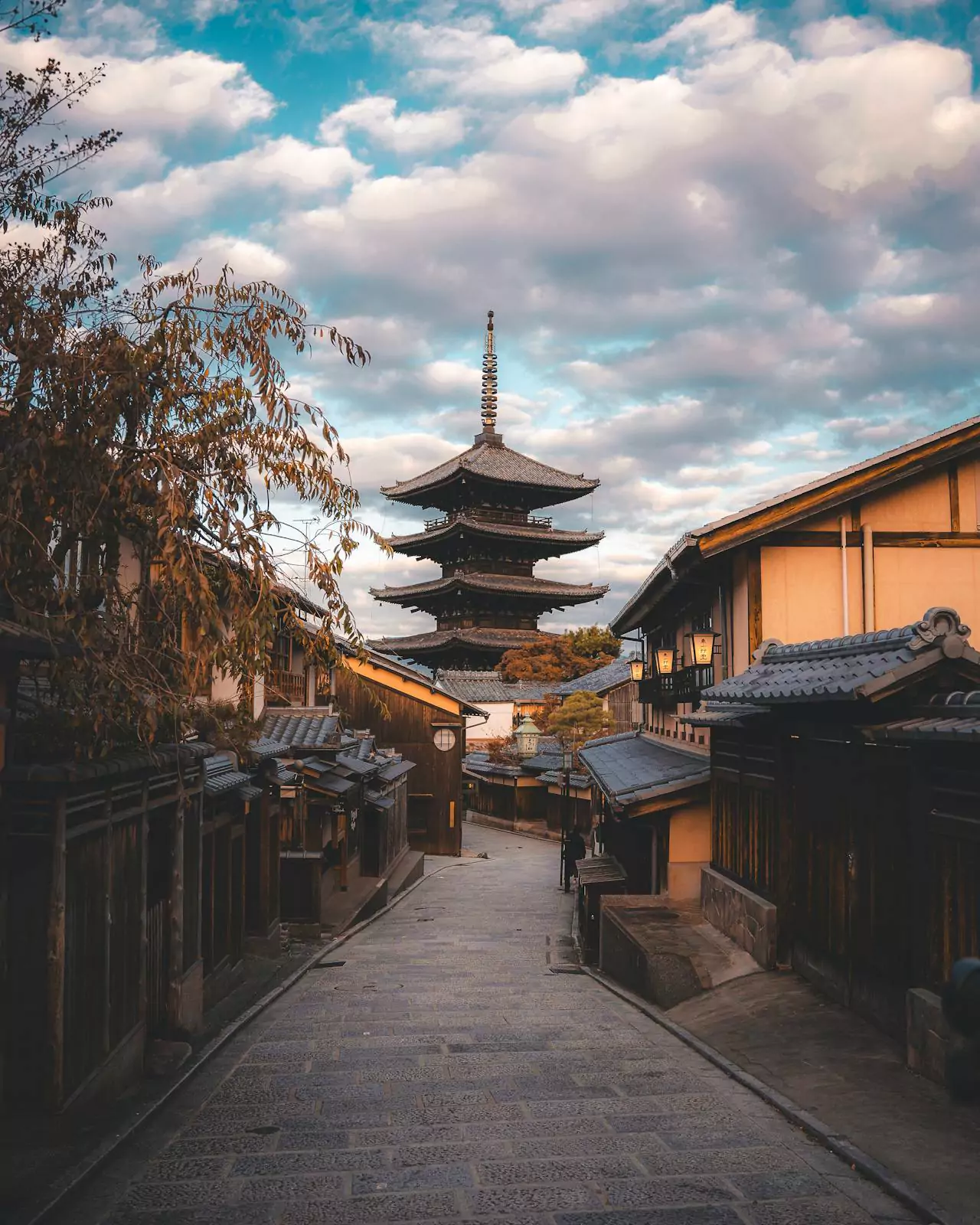
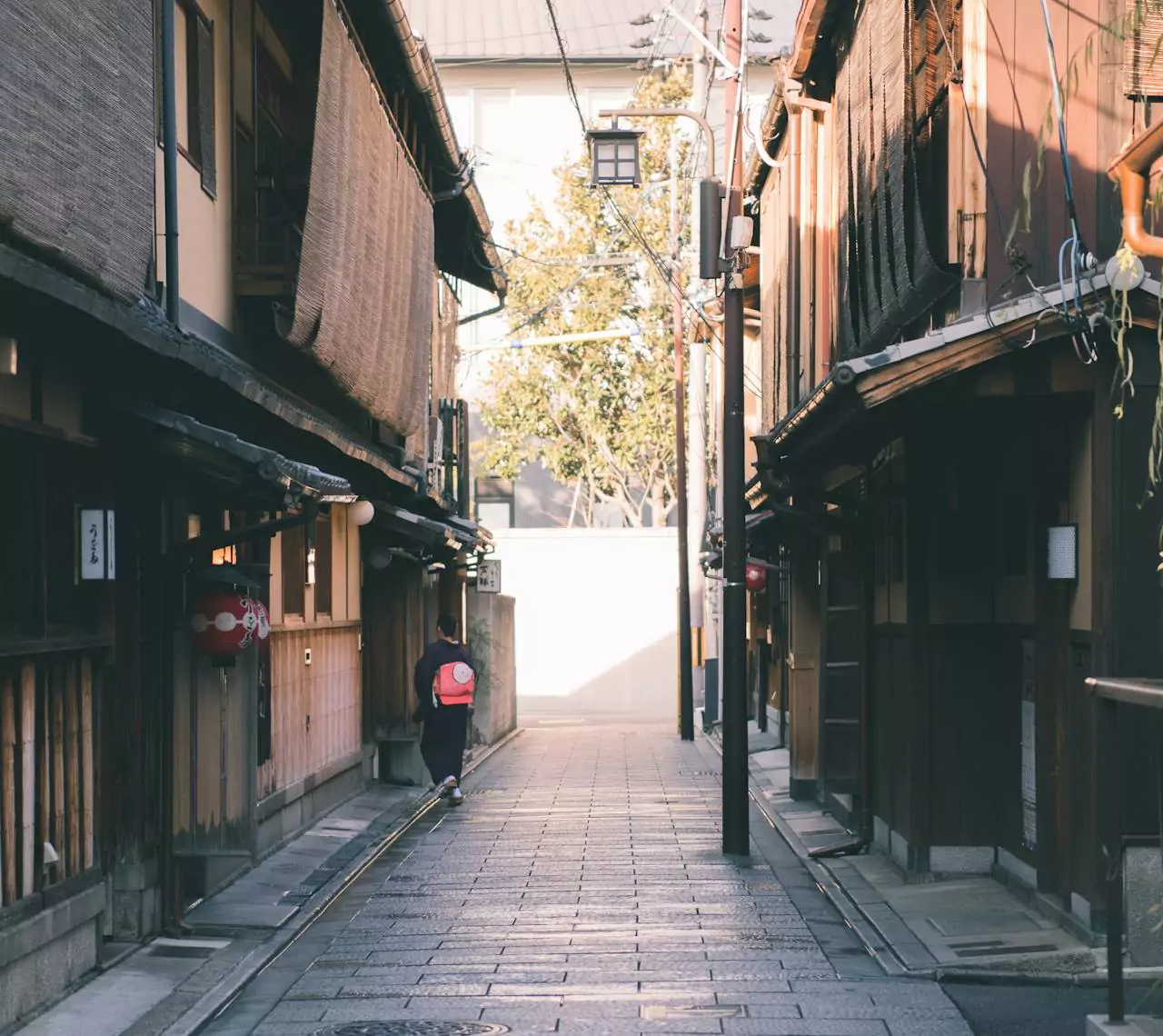
Stroll through Gion, Kyoto’s geisha district, where traditional wooden machiya houses line the streets. Visit in the late afternoon or early evening for your best chance of spotting a geisha or maiko heading to an appointment.
Traditional Kimono Dress
For a cultural experience, consider renting a kimono for a few hours. Many shops around Gion and Higashiyama offer rentals and styling so you can fully immerse yourself in Kyoto’s traditions.
Maruyama Park – Yasaka Shrine
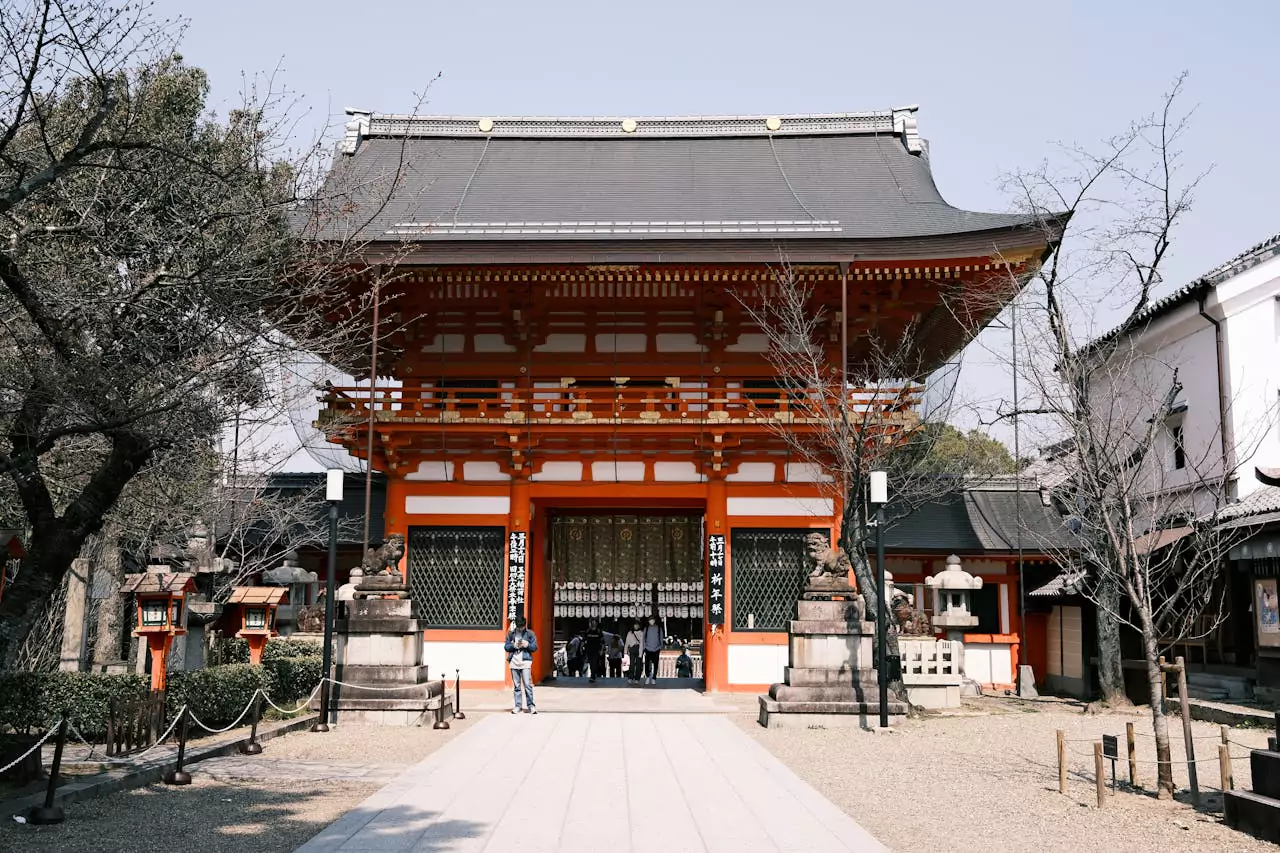
Just east of Gion, you’ll find Maruyama Park and the Yasaka Shrine. The shrine is especially lively in the evening when lanterns are lit, making it a lovely stop before dinner.
One Day in Kyoto Must Visit Shrines
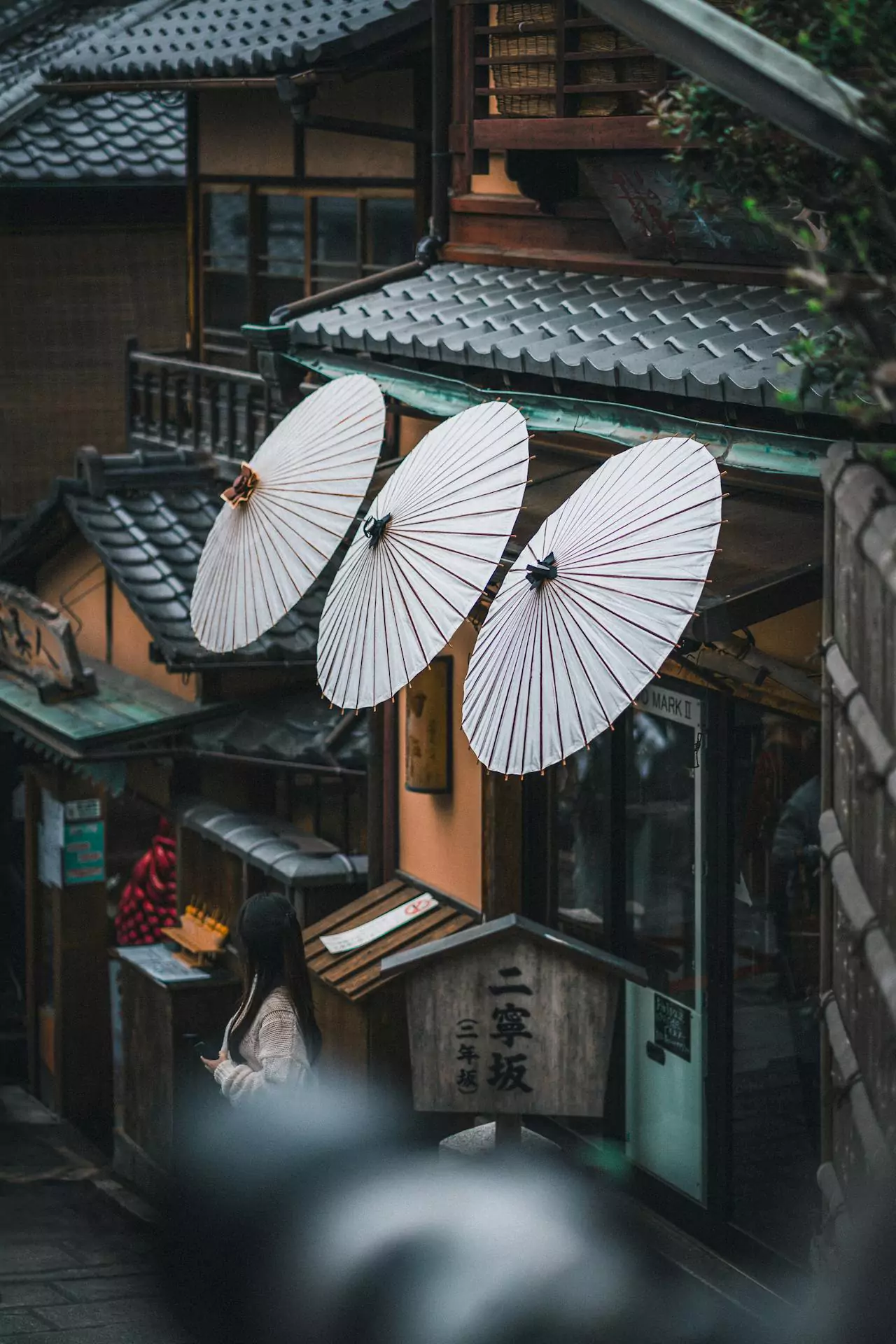
While you won’t have time for all, try to squeeze in a visit to:
- Kiyomizu-dera Temple – Iconic wooden stage and sweeping views.
- Heian Shrine – Bright vermillion gates and serene gardens.
- Yasaka Shrine – A lively Shinto shrine in Gion.
- Fushimi Inari Shrine – Thousands of red torii gates.
< li>Higashi Honganji Temple – Impressive wooden halls near Kyoto Station.

Traditional Food
Kyoto is known for kaiseki ryori (seasonal set meals), matcha desserts, and specialties like yudofu (tofu hot pot). Don’t leave without sampling matcha ice cream or sweets in the Higashiyama area.

1-Day Kyoto Itinerary
Morning
Tea Ceremony
Begin your day with a traditional tea ceremony to immerse yourself in Kyoto’s culture.
Higashiyama District
Wander through Higashiyama, a preserved district filled with narrow lanes, wooden houses, and shops selling souvenirs and sweets.
Afternoon
Lunch at Nishiki Market
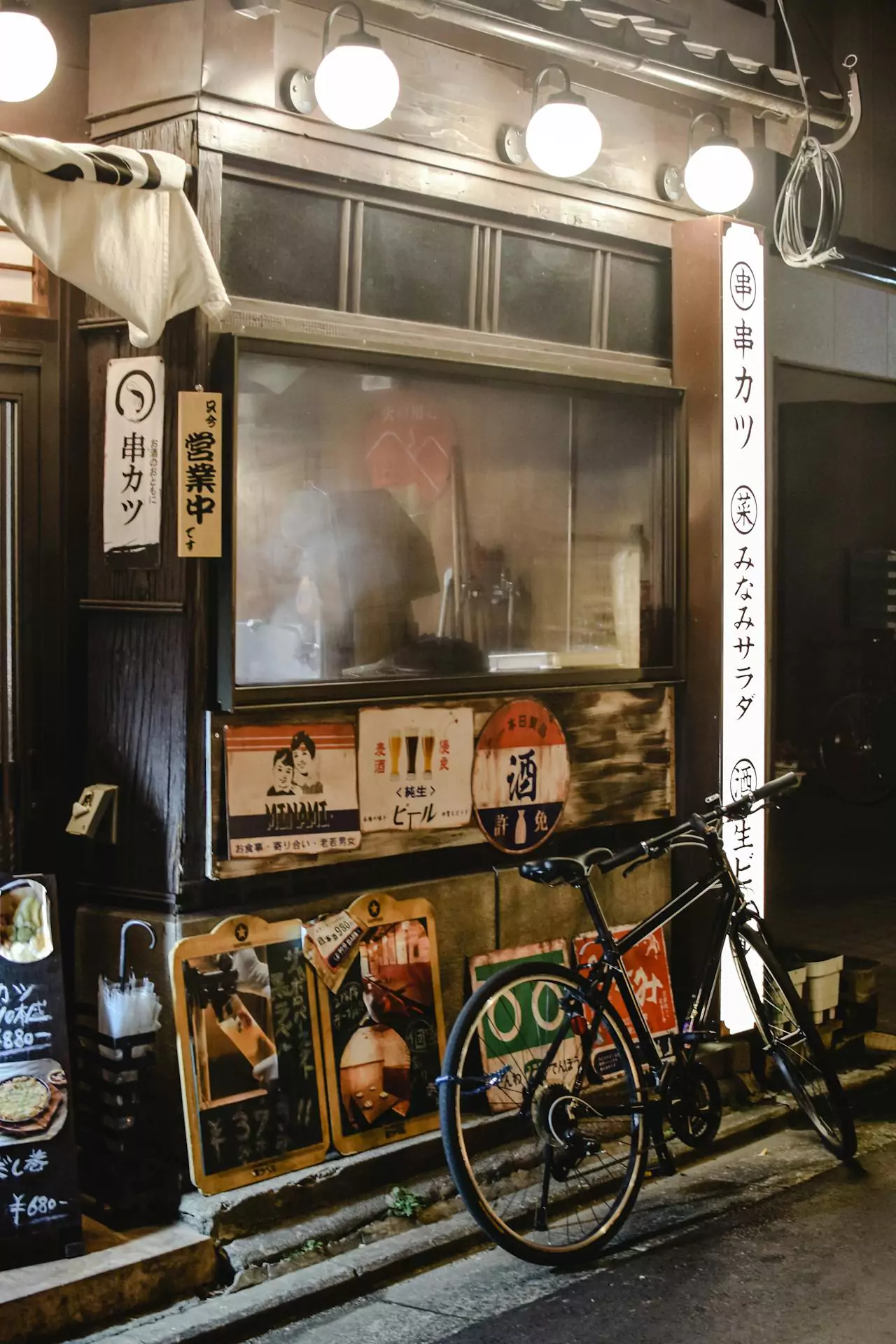
Enjoy a casual lunch at Nishiki Market, known as “Kyoto’s Kitchen.” Try fresh sashimi skewers, pickles, and mochi.
Exploring the Streets of Kyoto
Take some time to simply wander and soak in Kyoto’s mix of modern and traditional.
Evening
Fushimi Inari Shrine
As the sun sets, the crowds thin out at Fushimi Inari, making it the perfect time to visit.
Dinner at Chojiro Kyoto Avanti
Wrap up your day with conveyor-belt sushi at Chojiro Kyoto Avanti near Kyoto Station—fresh, fun, and affordable.

Where to Stay in Kyoto
It’s important to find the right accommodation for your trip, and with so many options in Kyoto, it can feel tricky to decide. The good news? You really can’t go wrong—you just need to match your stay to the kind of trip you want.
- Stay near Kyoto Station: Perfect if you’re planning lots of day trips to places like Nara, Osaka, or Arashiyama. Easy train access and plenty of hotels, from budget to luxury, make this the most convenient base for first-timers.
- Stay in Gion or Higashiyama: If you want that classic Kyoto experience—narrow lanes, teahouses, and a chance to spot a geisha—this area puts you right in the heart of the city’s traditional culture. It’s also within walking distance of famous spots like Kiyomizu-dera and Yasaka Shrine.
- Stay near Arashiyama: Ideal if you want a quieter, more scenic escape surrounded by bamboo forests and riverside views. This area has ryokans (traditional inns) that make your trip feel extra special.
- Ryokans vs. Hotels: For a deeper cultural experience, book a ryokan stay where you can enjoy tatami mat rooms, yukata robes, and kaiseki dinners. But if you prefer modern comfort and amenities, Kyoto also has plenty of international-style hotels.
Tip: Kyoto books up quickly during cherry blossom season (March–April) and autumn leaves (November), so make reservations early if you’re traveling then.
