Visiting Higashi Honganji Temple in Kyoto: What to Know Before You Go

Travel With Kinsley contains affiliate links and is a member of the Amazon Services LLC Associates Program, which means I may receive a cute little commission if you purchase through my links, at no extra cost to you. Please read full disclosure for more information.
If Kyoto is the city of temples, then Higashi Honganji is one of its most jaw-dropping giants. Just a short walk from Kyoto Station, this temple complex is hard to miss—with massive wooden halls, sweeping gates, and a history that ties directly to the city’s spiritual heart.
Unlike some of Kyoto’s more famous (and crowded) temples, Higashi Honganji offers a quieter, more reflective experience. Here, you’ll step into a space that feels both humbling and impressive, where the sheer scale of the buildings and the weight of centuries of history leave a lasting impression.
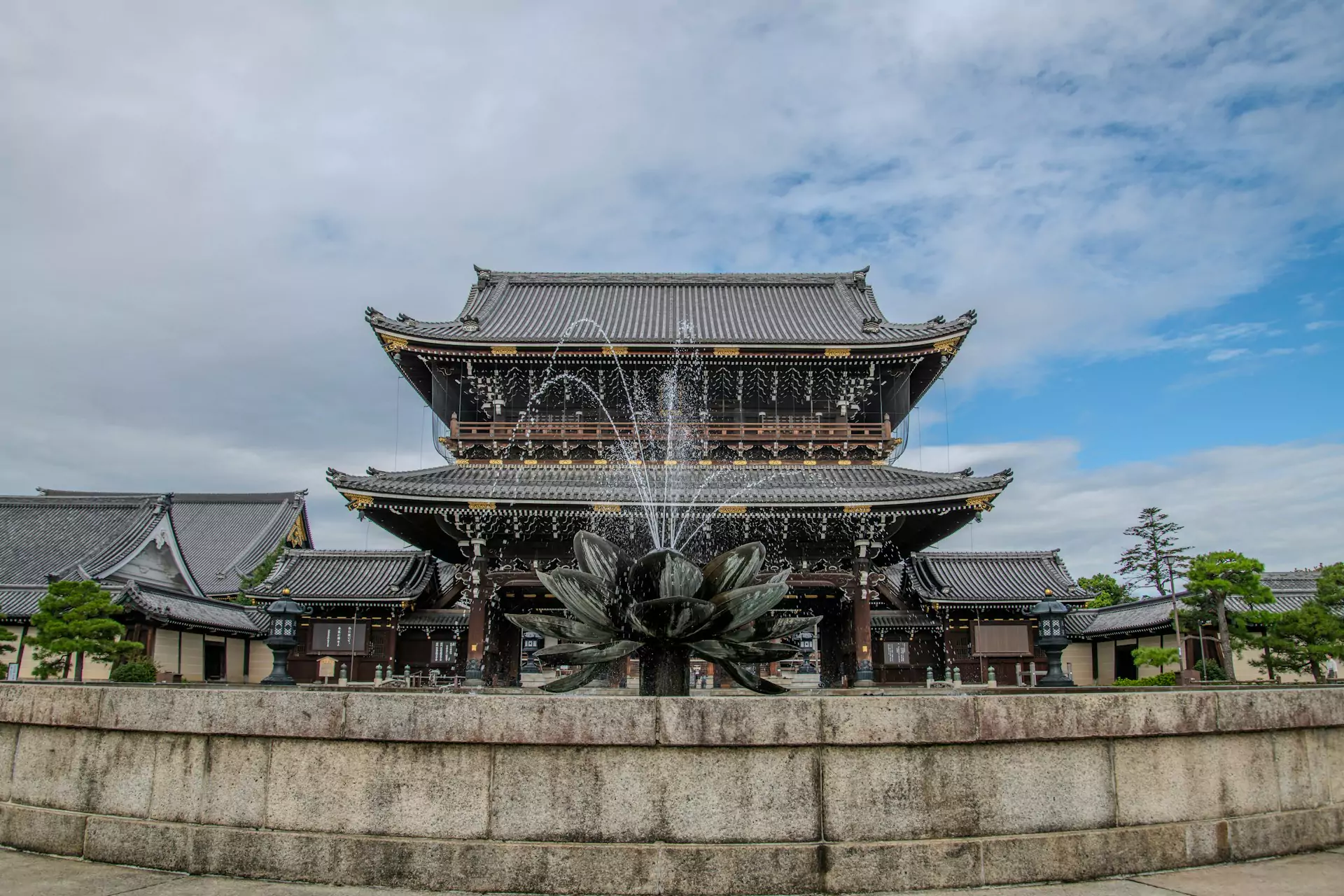
What is Higashi Honganji Temple?
Higashi Honganji, also known as the Eastern Temple of the Original Vow, is one of Kyoto’s most impressive Buddhist temples. Belonging to the Jodo Shinshu sect, it was established as a counterpart to Nishi Honganji (the “Western Temple”) and remains a hub for Shin Buddhism to this day. With its enormous wooden halls, peaceful gardens, and historical importance, it’s a must-see for anyone exploring Kyoto.
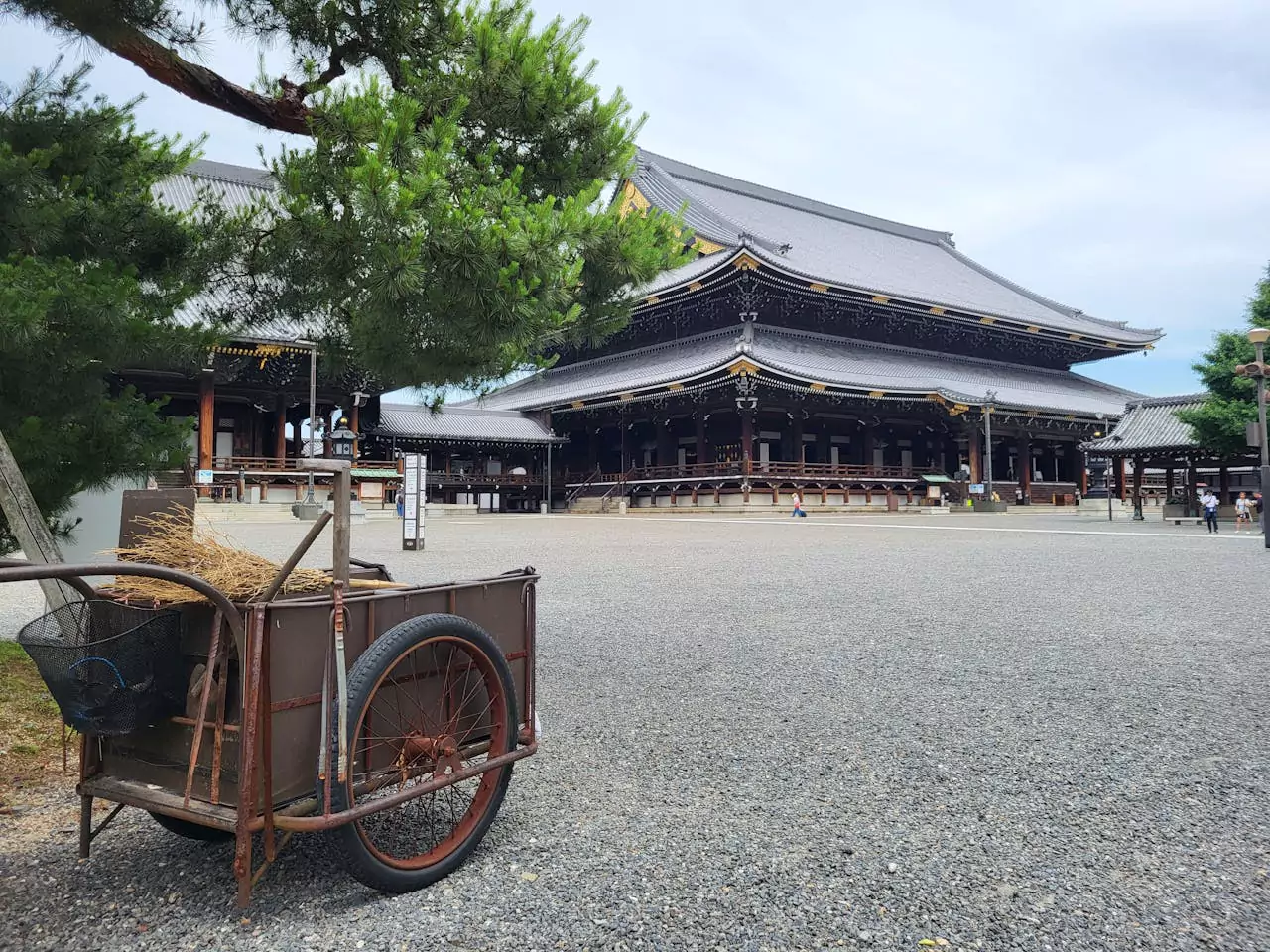
Where is Higashi Honganji Temple?
The temple is located just a short walk north of Kyoto Station, making it one of the most convenient major attractions in the city. Its central location means you can easily combine a visit with nearby landmarks such as Nishi Honganji, Kyoto Tower, or even start a day trip from the station after your temple stop.

A History of Higashi Honganji
Higashi Honganji was founded in 1602 when shogun Tokugawa Ieyasu ordered the Jodo Shinshu sect to split into two factions: Higashi (East) and Nishi (West). This political move was designed to limit the power of the Buddhist order. Over the centuries, the temple has endured numerous fires and reconstructions, but it continues to stand as one of the largest wooden structures in the world.
When is the Best Time to Visit Higashi Honganji?
The temple is beautiful year-round, but it takes on extra charm in:
- Spring: Cherry blossoms frame the temple grounds in soft pink.
- Autumn: Brilliant red and gold foliage adds a warm glow.
- Winter: A dusting of snow makes the wooden halls feel timeless and serene.
Since it’s so close to Kyoto Station, Higashi Honganji also makes a great stop on a rainy day when you want a cultural experience without straying too far.

Highlights and What to See at Higashi Honganji
Goeido Hall (Founder’s Hall)
The largest wooden structure in Kyoto, this hall is dedicated to Shinran, the founder of Jodo Shinshu Buddhism. The scale alone is jaw-dropping.

Amidado Hall
This smaller but beautifully detailed hall is dedicated to Amida Buddha, the central figure of Shin Buddhism.
The Vast Wooden Gate
The temple’s Goeido Gate is one of the most recognizable features, towering over visitors as they enter.
Shinran’s Mausoleum
A peaceful place of reflection, honoring the founder of the sect.
The Rope of Human Hair
One of the most fascinating artifacts: a giant rope made from the hair of female devotees, used in past reconstructions when normal rope wasn’t strong enough.
Tranquil Gardens
Small but calming, the temple’s gardens offer a chance to slow down and enjoy the contrast of nature with massive wooden halls.

How Long Do You Need at Higashi Honganji?
A visit typically takes about 45 minutes to an hour, depending on how long you spend exploring the halls and gardens. Since admission is free, it’s easy to pop in even if you’re short on time.

How to Visit Higashi Honganji
- Hours: Generally open daily from early morning until late afternoon (exact hours may vary).
- Admission: Free, making it one of Kyoto’s most accessible attractions.
- Getting There: Just a 10-minute walk from Kyoto Station. Buses and taxis also stop nearby.
Tip: Combine with Kiyomizu-dera or Heian Shrine for a temple-hopping morning.
