Visiting Pompeii, Italy: What to Know Before You Go

Travel With Kinsley contains affiliate links and is a member of the Amazon Services LLC Associates Program, which means I may receive a cute little commission if you purchase through my links, at no extra cost to you. Please read full disclosure for more information.
If you’re planning on visiting Pompeii Italy, one of the world’s most important archaeological sites, I’ll help you to get started so you can make the most of it!
Pompeii is the ancient Roman city in southern Italy that was buried by a volcanic eruption. And I’ve wanted to visit since I was a kid!
Before my trip to Pompeii, I felt a bit overwhelmed, so I dove into research. I ultimately ended up purchasing a guided tour of Pompeii – because I’m a chicken when doing activities by myself.
This guide is perfect for travelers who are based in Naples and want to experience visiting Pompeii without a tour.
Quick Summary: Pompeii Travel Guide
| 📍 Location | 🎟️ Entry Fee | 🚆 Transport Options | ⏳ Best Visit Time |
|---|---|---|---|
| Pompeii, Italy | €18 (standard ticket) | Train: Circumvesuviana (Naples-Pompeii) | April–June / Sept–Oct (avoid midday heat) |
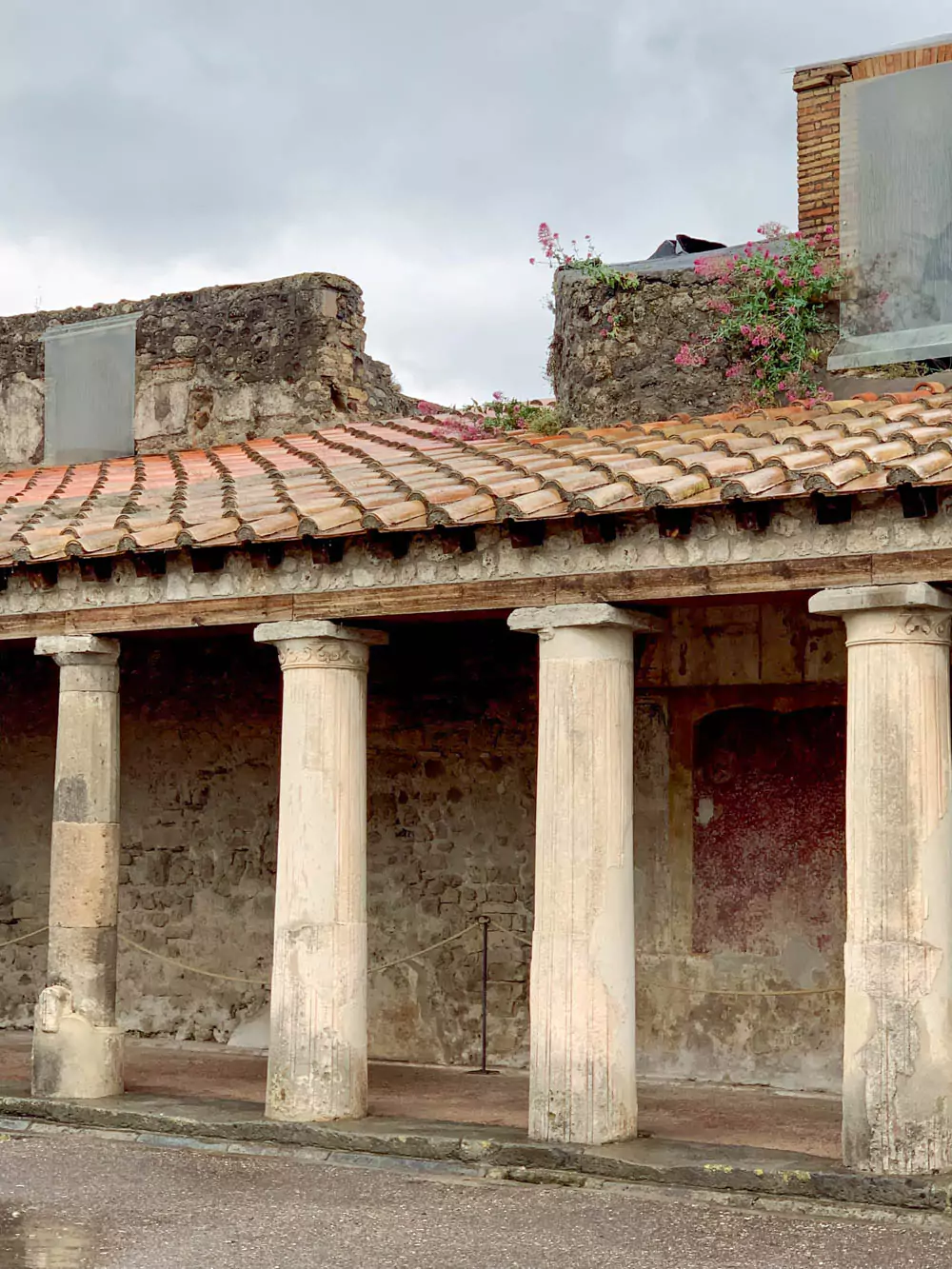
Where is Pompeii?
Pompeii is located in southern Italy, near Naples. It is a popular day trip from Naples, Sorrento, or Rome.
| 🚆 From | ⏳ Travel Time | 💰 Cost | 🚆 Best Transport Option |
|---|---|---|---|
| Naples | 35 minutes | €3-€5 | Circumvesuviana Train |
| Sorrento | 30 minutes | €4-€6 | SITA Bus |
| Rome | 1.5-2 hours | €25-€45 | High-Speed Train |
💡 Pro Tip: The Circumvesuviana train from Naples to Pompeii is the fastest and cheapest way to get there!
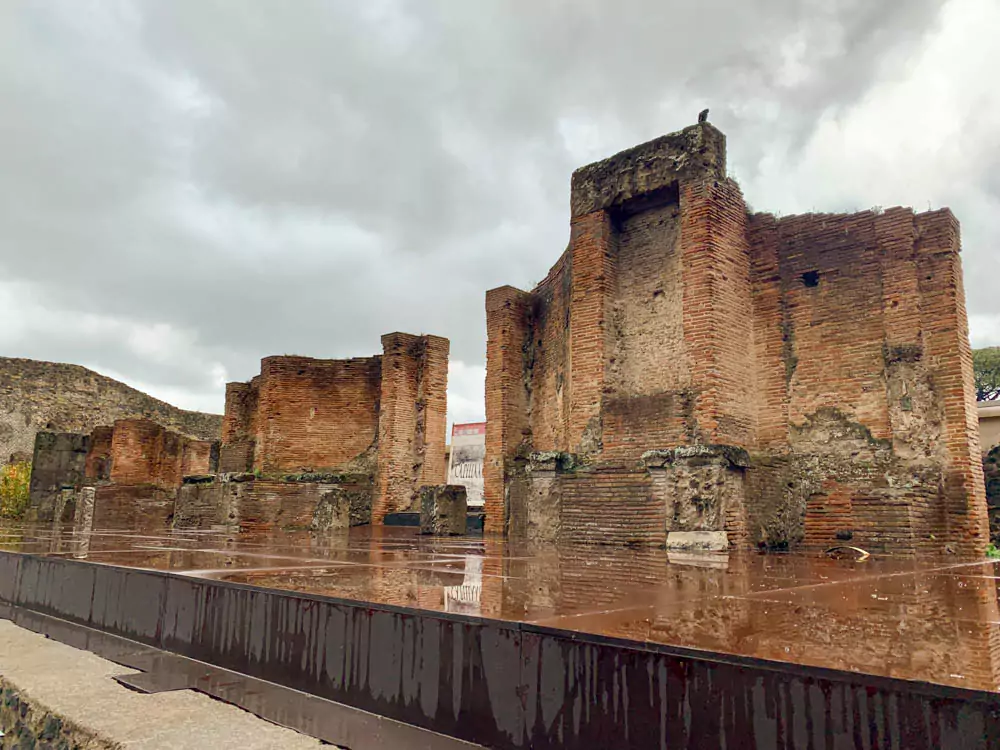
How to Get Tickets & Skip the Lines
- General Entry: €16
- Skip-the-Line Tour: €45-€60 (recommended for high season)
- Pompeii + Mount Vesuvius Combo Ticket: €23
📍 Buy tickets online to avoid queues:
🔗 Official Pompeii Tickets
Note: To help avoid over-tourism, as of Fall 2024 Pompeii is limiting the amount of visitors each day. Make sure you get your ticket to secure your spot!
💡 Insider Tip: Want to see hidden sites? Book a guided tour to access restricted areas like the “Villa of the Mysteries” and the brothel.
Pompeii – A Mini History
In 79 AD, one of the most catastrophic volcanic eruptions in history occurred when Mount Vesuvius violently erupted, burying the thriving Roman city of Pompeii under a thick blanket of volcanic ash and pumice. Within hours, entire buildings, streets, and residents were entombed in superheated pyroclastic flows, preserving a moment in time unlike anywhere else in the world.
What makes Pompeii so remarkable today is that this sudden burial protected its homes, frescoes, and artifacts from erosion and looting, creating one of the most well-preserved archaeological sites in history.
Why Is This Important?
- Frozen in time – Unlike other ancient ruins that deteriorated over centuries, Pompeii was sealed and untouched for nearly 1,700 years until its rediscovery in 1748.
- Everyday life preserved – From colorful frescoes and mosaics to Roman bathhouses and fast-food stalls, Pompeii offers an intact look at daily life in Ancient Rome.
- Human plaster casts – Archaeologists even uncovered hollow spaces where bodies had decomposed, allowing them to create plaster casts of Pompeii’s last residents, frozen in their final moments.
💡 Fun Fact: The eruption was so sudden that people were found clutching their valuables, trying to escape, while loaves of bread were discovered still intact inside ovens!
It is recognized as a UNESCO World Heritage Site and continues to be a focal point for archaeological research and conservation.
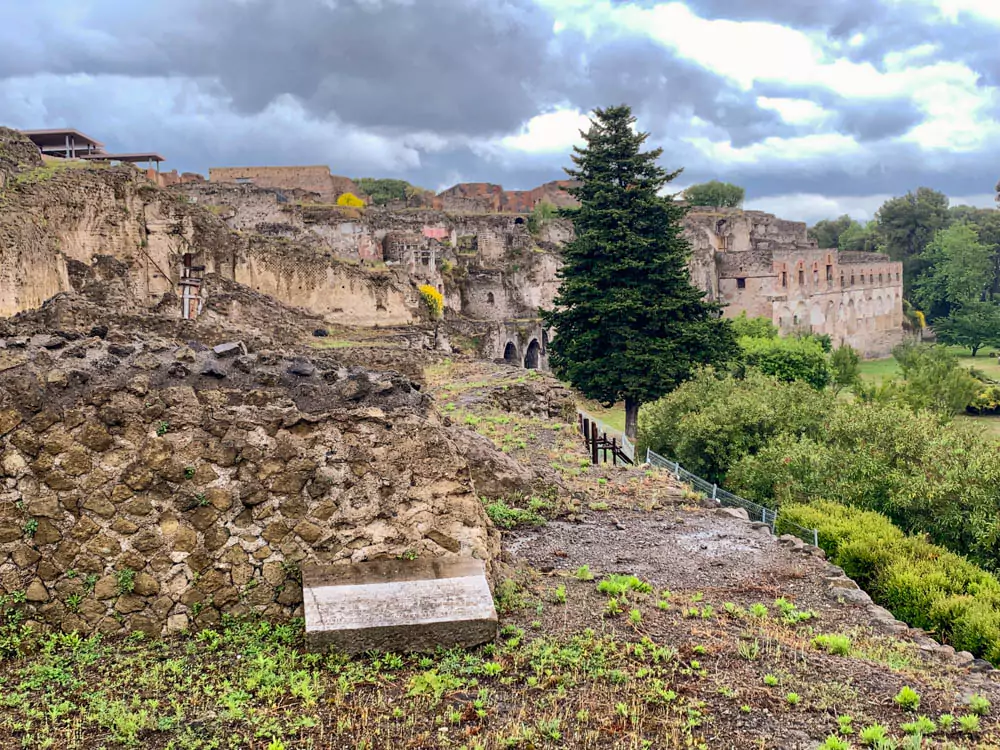
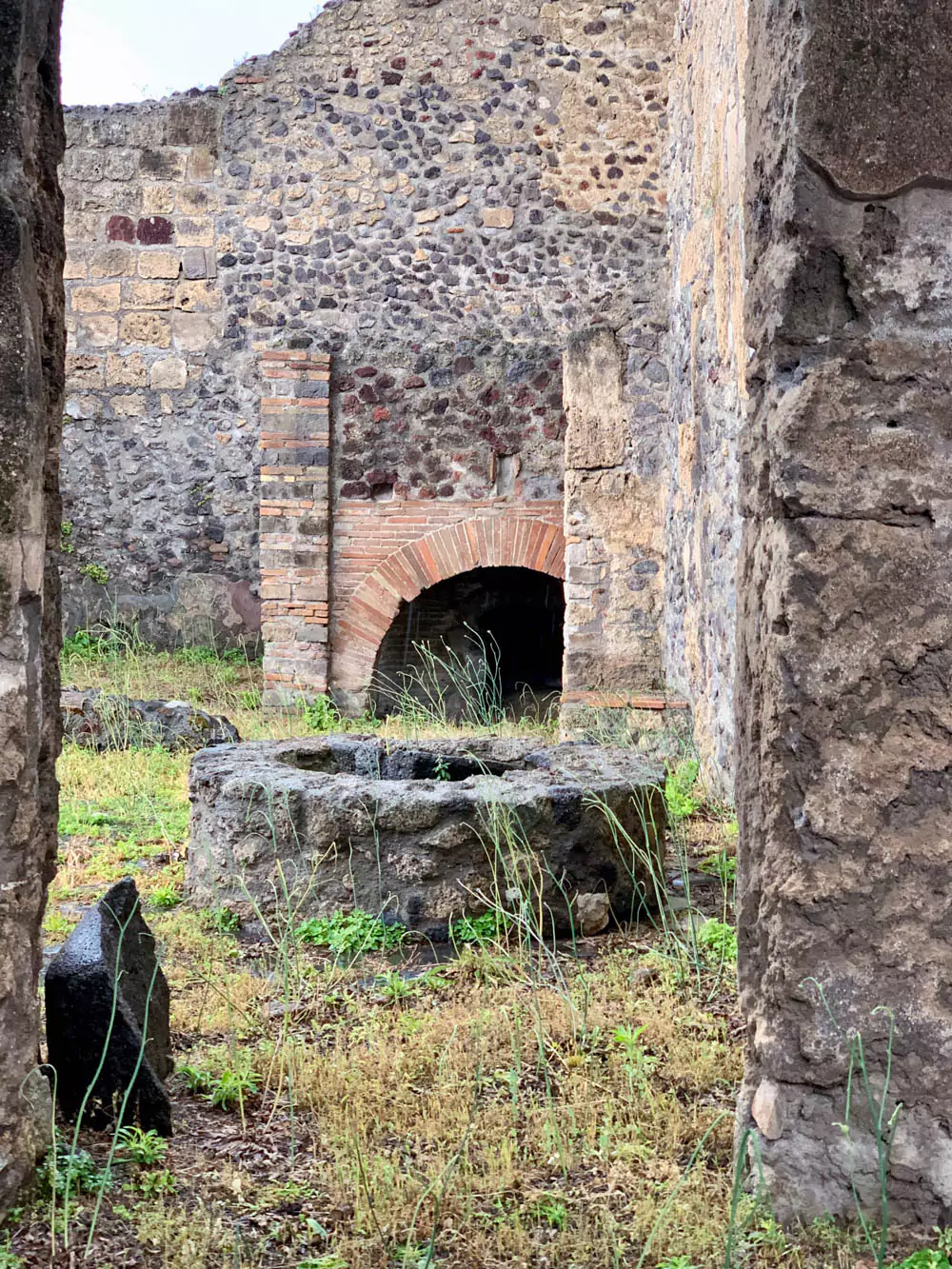
Top Sites to Visit in Pompeii
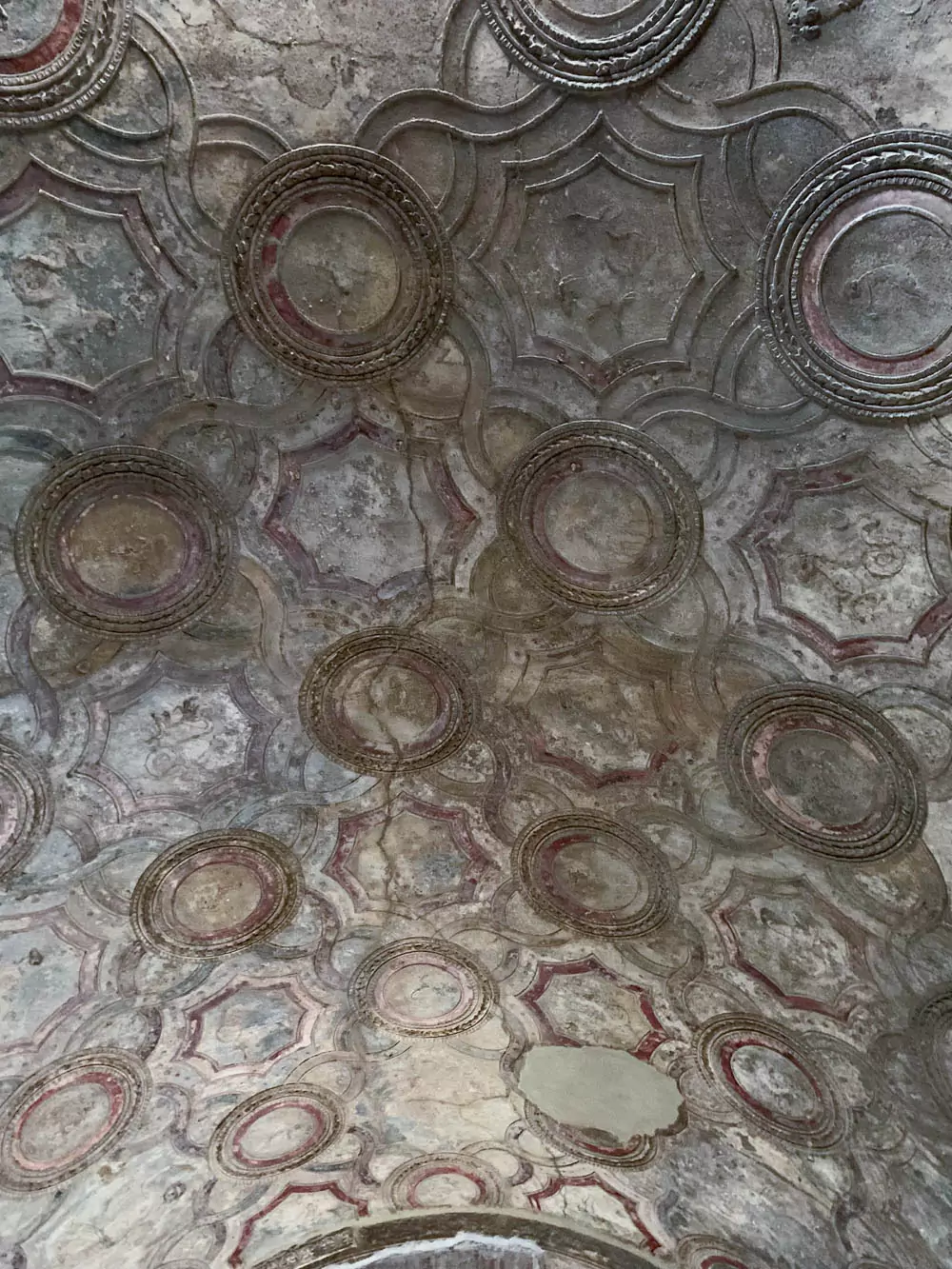
Pompeii is vast, and it’s easy to feel overwhelmed. They are still uncovering new findings at the site, like this room with frescos.
To help, here are the must-see landmarks and why they are significant.
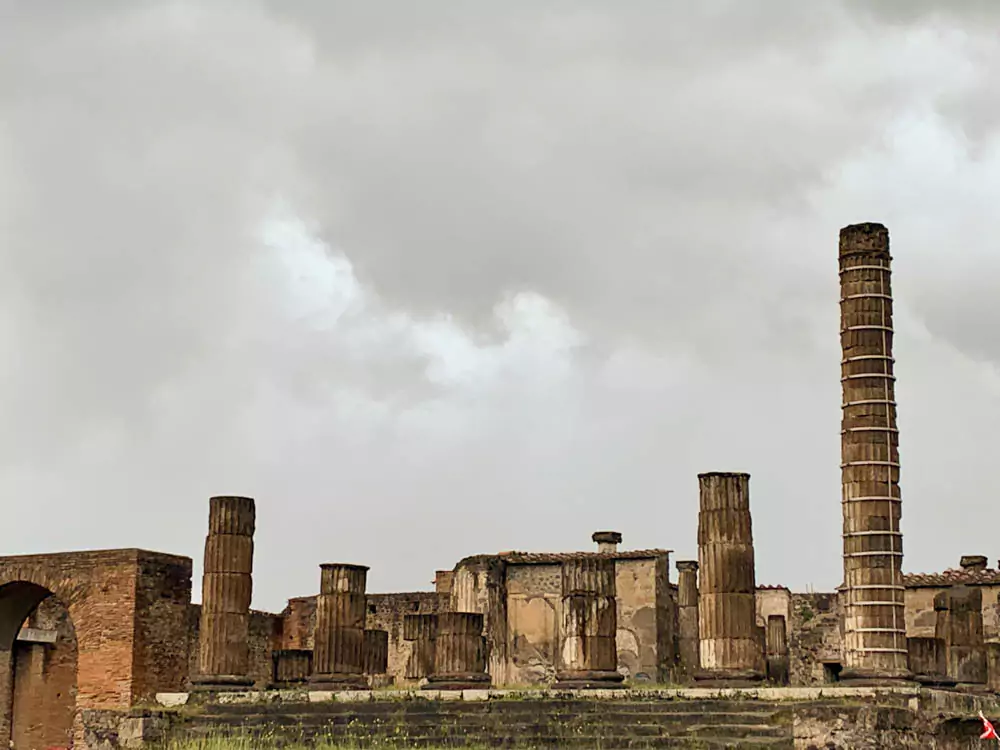
The Forum (Foro di Pompeii)
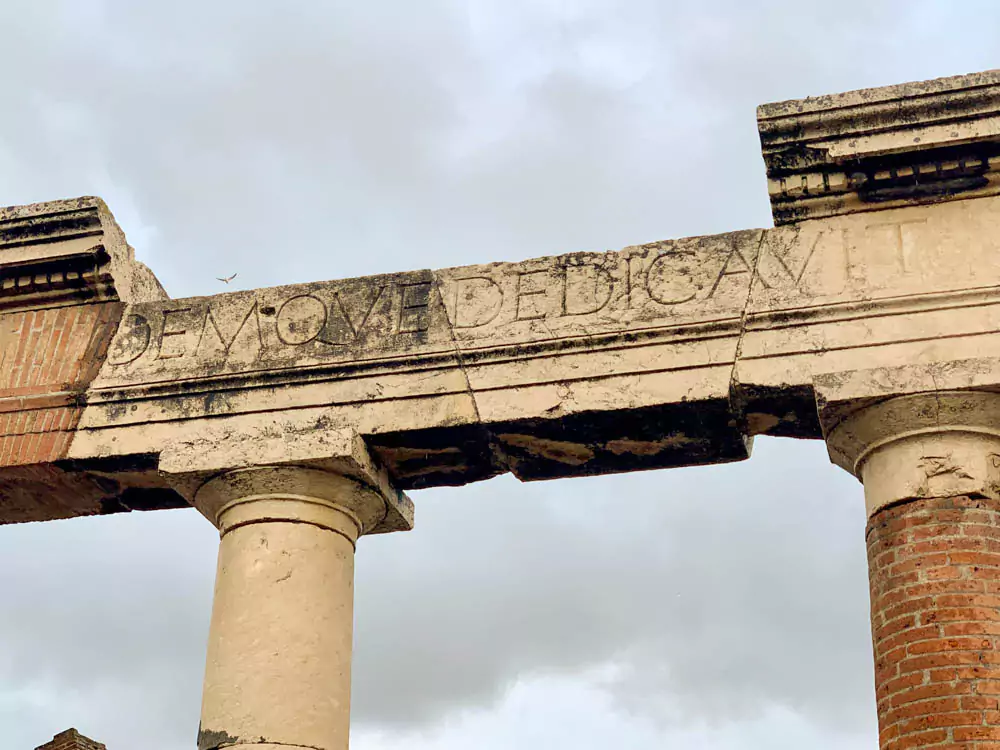
The Forum was the heart of Pompeii’s civic and social life. This large open square, surrounded by temples, markets, and government buildings, was the gathering place for political debates, religious ceremonies, and daily commerce.
Don’t miss the stone inscriptions on the ground! These were used as advertisements and announcements for local events in ancient Pompeii.
Notable Artifacts: Look for the Temple of Jupiter, the Basilica, and the Macellum (ancient food market).
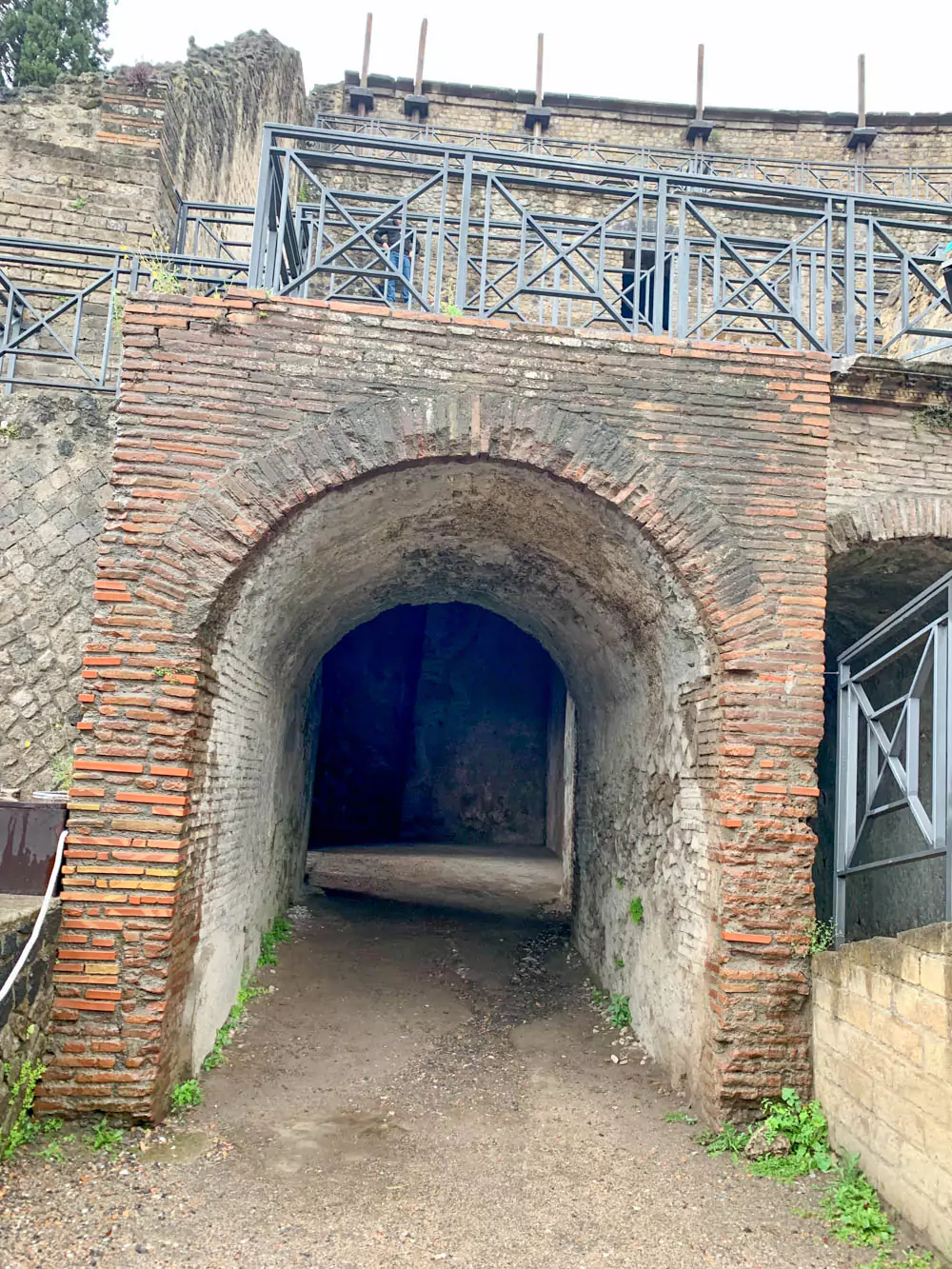
The Amphitheater of Pompeii (Anfiteatro di Pompei)
Built in 80 BC, this is the oldest surviving Roman amphitheater—older than the Colosseum in Rome! It hosted gladiator games and public entertainment, seating up to 20,000 spectators.
Notable Artifacts: The arena floor, gladiator seating areas, and underground tunnels where fighters prepared for battles.
The House of the Faun (Casa del Fauno)
One of Pompeii’s most luxurious villas, the House of the Faun is famous for its incredible mosaics, including the Alexander Mosaic—a masterpiece depicting Alexander the Great’s victory over the Persians.
Notable Artifacts: The Dancing Faun statue (from which the house gets its name) and well-preserved Roman-style gardens.
The Villa of the Mysteries (Villa dei Misteri)
his villa is famous for its well-preserved frescoes, which possibly depict initiation rites into a secret religious cult (Dionysian Mysteries).
The Lupanar (Ancient Roman Brothel)
Pompeii’s most controversial and visited site, the Lupanar (meaning “wolf den”) was an ancient brothel, showcasing explicit frescoes and small stone bed chambers used by workers.
The Lupanar’s graffiti includes client reviews from ancient visitors, proving that customer feedback existed even 2,000 years ago!
The Thermopolium (Ancient Fast-Food Stall)
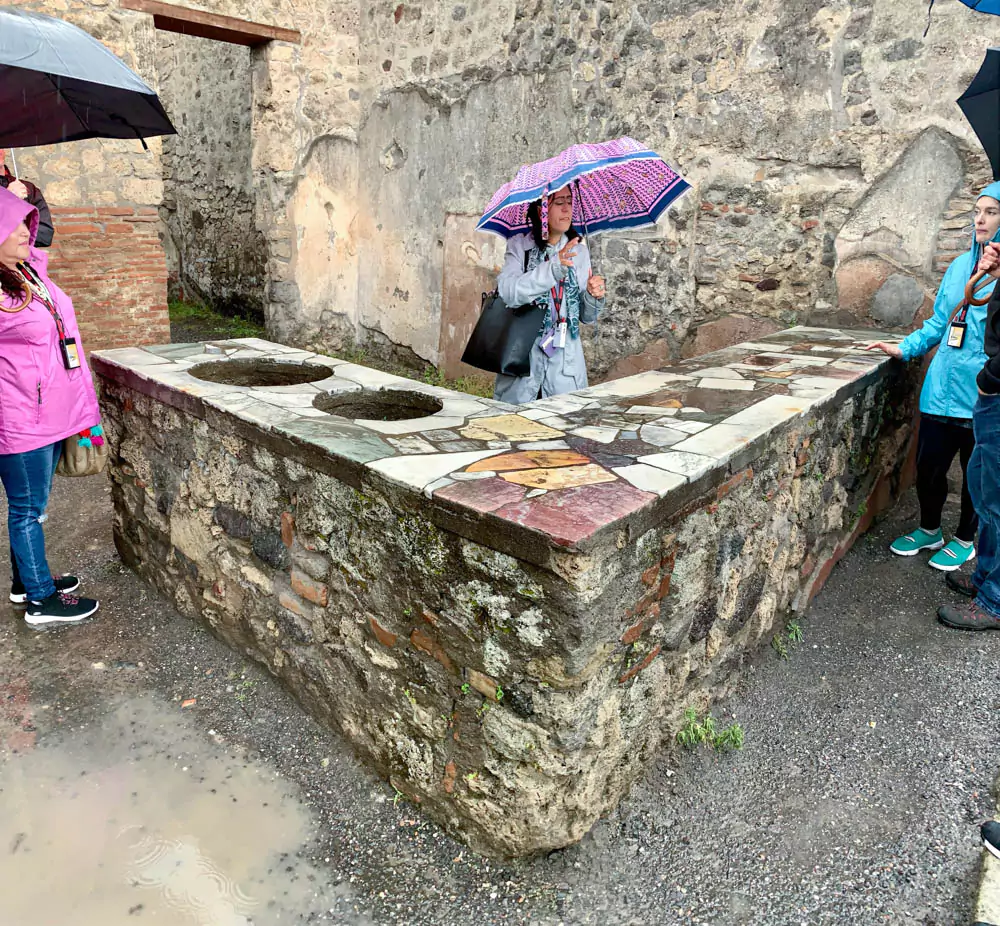
Pompeii had fast-food stalls, just like today! These Thermopolia (plural) served hot meals and drinks to locals who didn’t have kitchens at home.
Researchers found traces of Roman-style “street food”, including lentils, pork, and even wine-soaked snails!
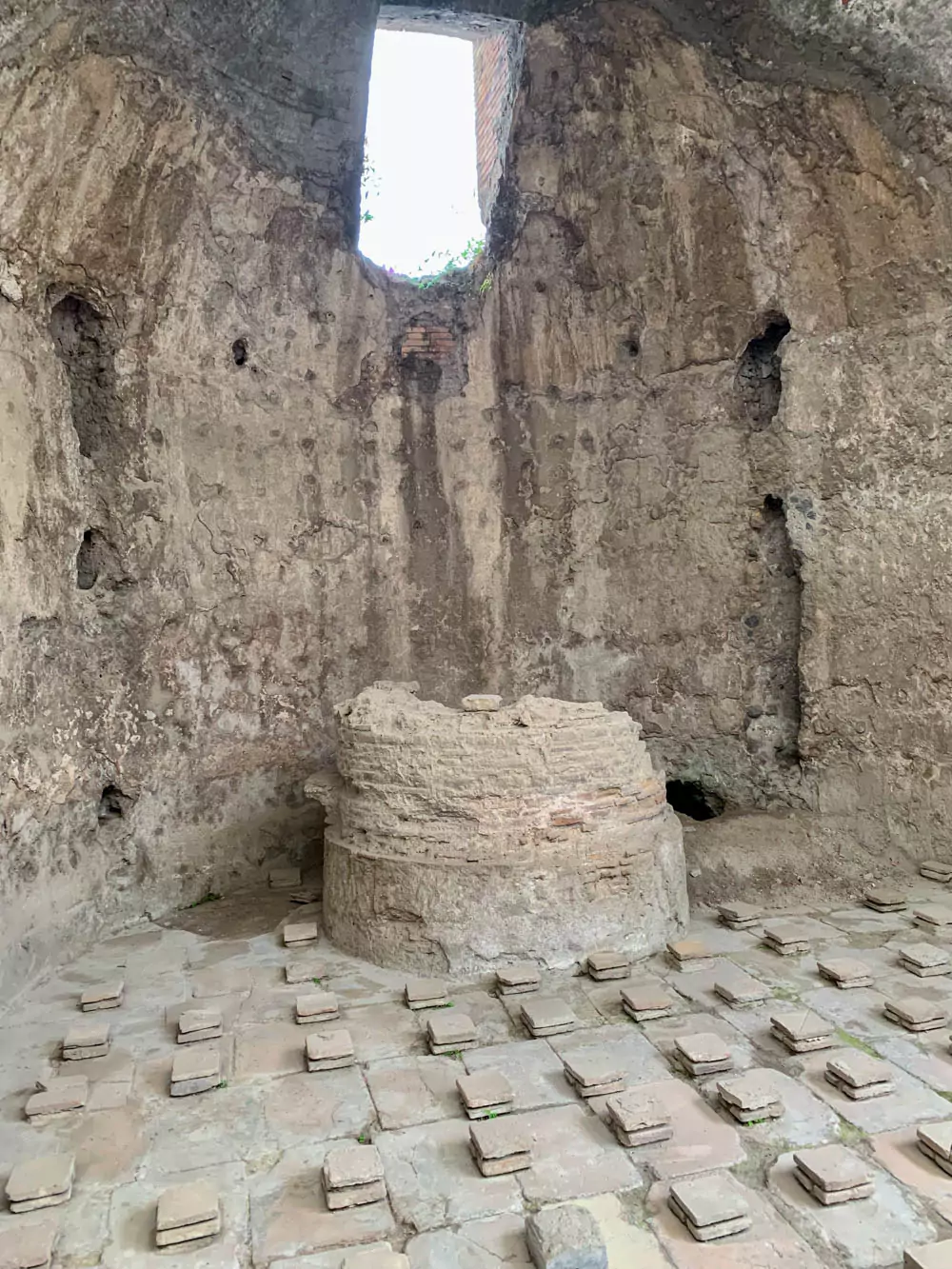
The Stabian Baths (Terme Stabiane)
he oldest public baths in Pompeii, dating back to the 2nd century BC. These were used for bathing, socializing, and even fitness training.
The Roman heating system (hypocaust) used underfloor hot air—an early version of modern central heating!
Walk through the Streets of Pompeii
Wander through the ancient streets, taking in the well-preserved buildings, stepping stones, and the famous Plaster Casts of Victims—haunting reminders of the eruption that destroyed the city.
💡 Expert Tip: “The frescoes and mosaics in Pompeii are some of the finest examples of Roman art. Look closely at the House of the Faun to see how Romans used perspective in paintings.” — Dr. Mario Rossi, Archaeologist
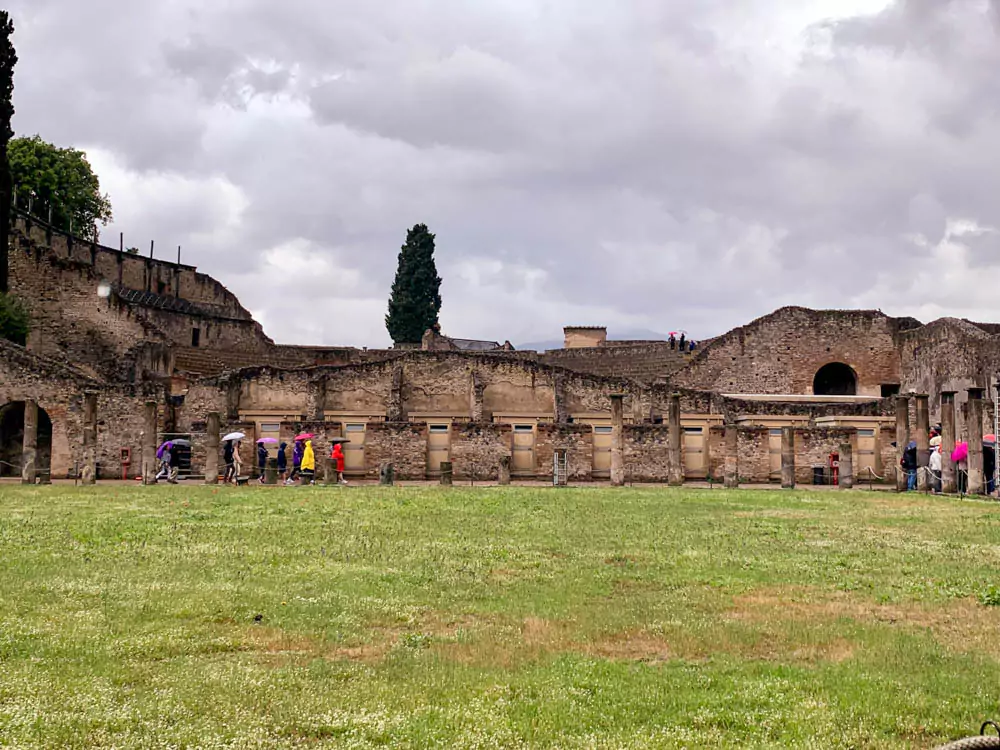
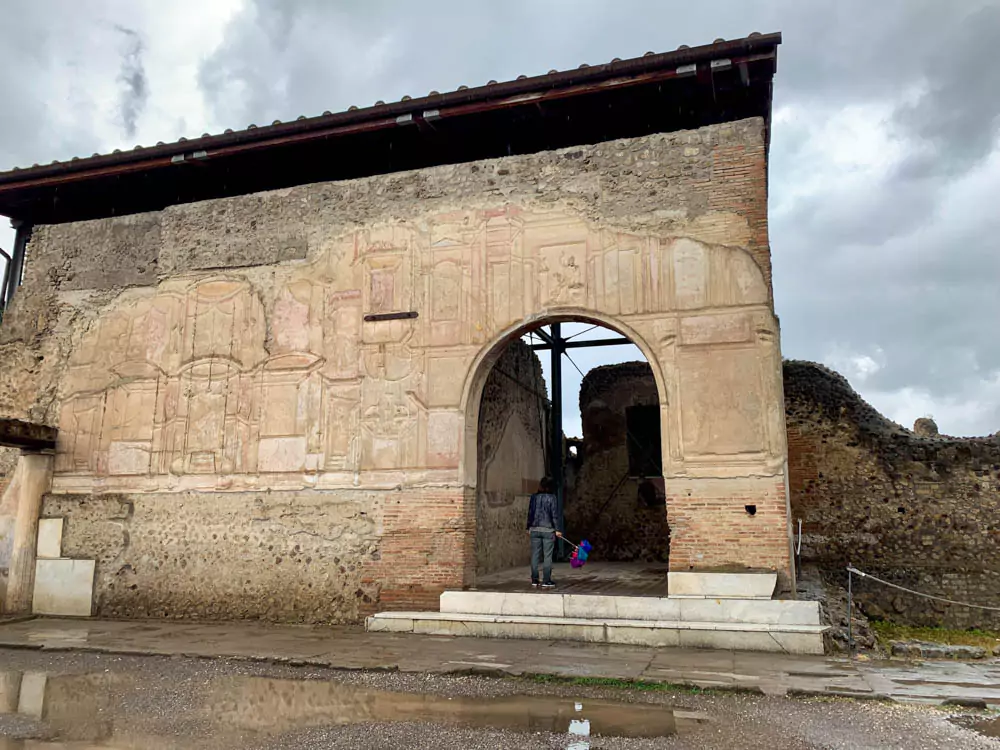
Can you do Pompeii without a tour?
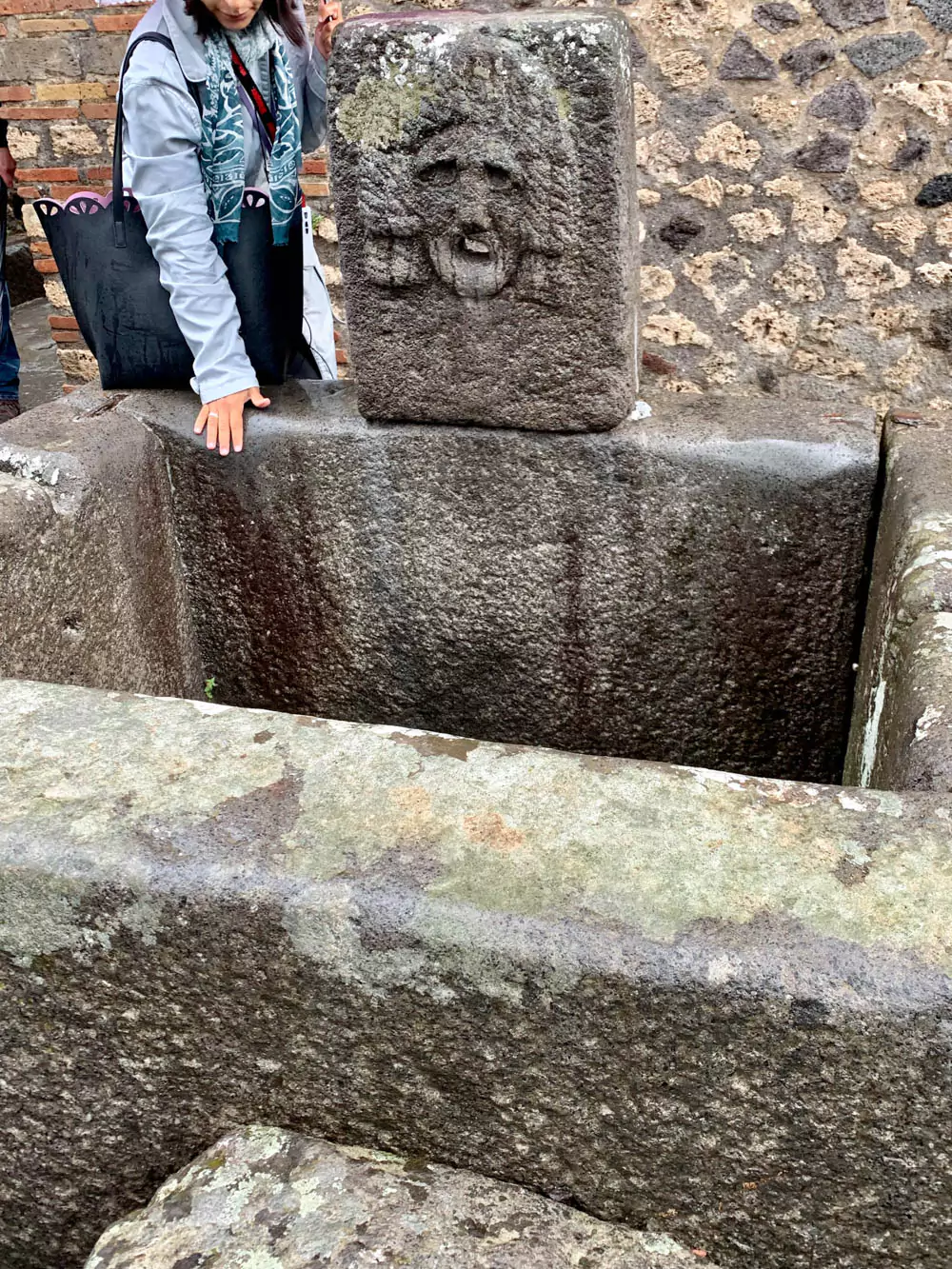
Yes, you can absolutely explore Pompeii without a tour! The site is very visitor-friendly, with plenty of signs and maps available to help guide you through the ancient ruins. Many key areas and buildings have informational plaques in multiple languages, so you can still learn a lot as you wander on your own.
If you prefer more context, you might want to rent an audio guide at the entrance or download an app that offers self-guided tours. This way, you can explore at your own pace while still getting detailed information about what you’re seeing.
Visiting Pompeii without a tour gives you the freedom to linger at spots that interest you and move on when you’re ready.
Practical Tips for Visiting Pompeii
Best Season to Visit
- ✅ Spring (April–June) & Fall (September–October) – Best weather & fewer crowds.
- ❌ Summer (July–August) – Extremely hot & crowded.
- ✅ Winter (December–February) – Fewer tourists & unique atmosphere.
Best Time of Day
- 🌅 Morning (before 10 AM): Cooler & less crowded.
- 🌆 Late Afternoon (after 3 PM): More relaxed experience.
Where to Buy Tickets
- 📍 Official Website: Pompeii Tickets
- 📍 On-Site Booths: Expect long lines in high season.
- 📍 Tour Operators: Best for skip-the-line access.
Should You Hire a Guide?
- ✅ YES if you want historical insights & access to restricted areas.
- ❌ NO if you prefer a self-guided tour (download an audio guide instead).
- Wear Comfortable Shoes: Pompeii is a large site with uneven terrain, so be prepared for lots of walking.
- Bring Water and Snacks: There are limited places to buy refreshments inside the archaeological site.
- Consider a Guided Tour: To fully appreciate Pompeii’s history and significance, consider joining a guided tour or using an audio guide.
- Avoid Peak Times: If possible, visit early in the morning or later in the afternoon to avoid the largest crowds.
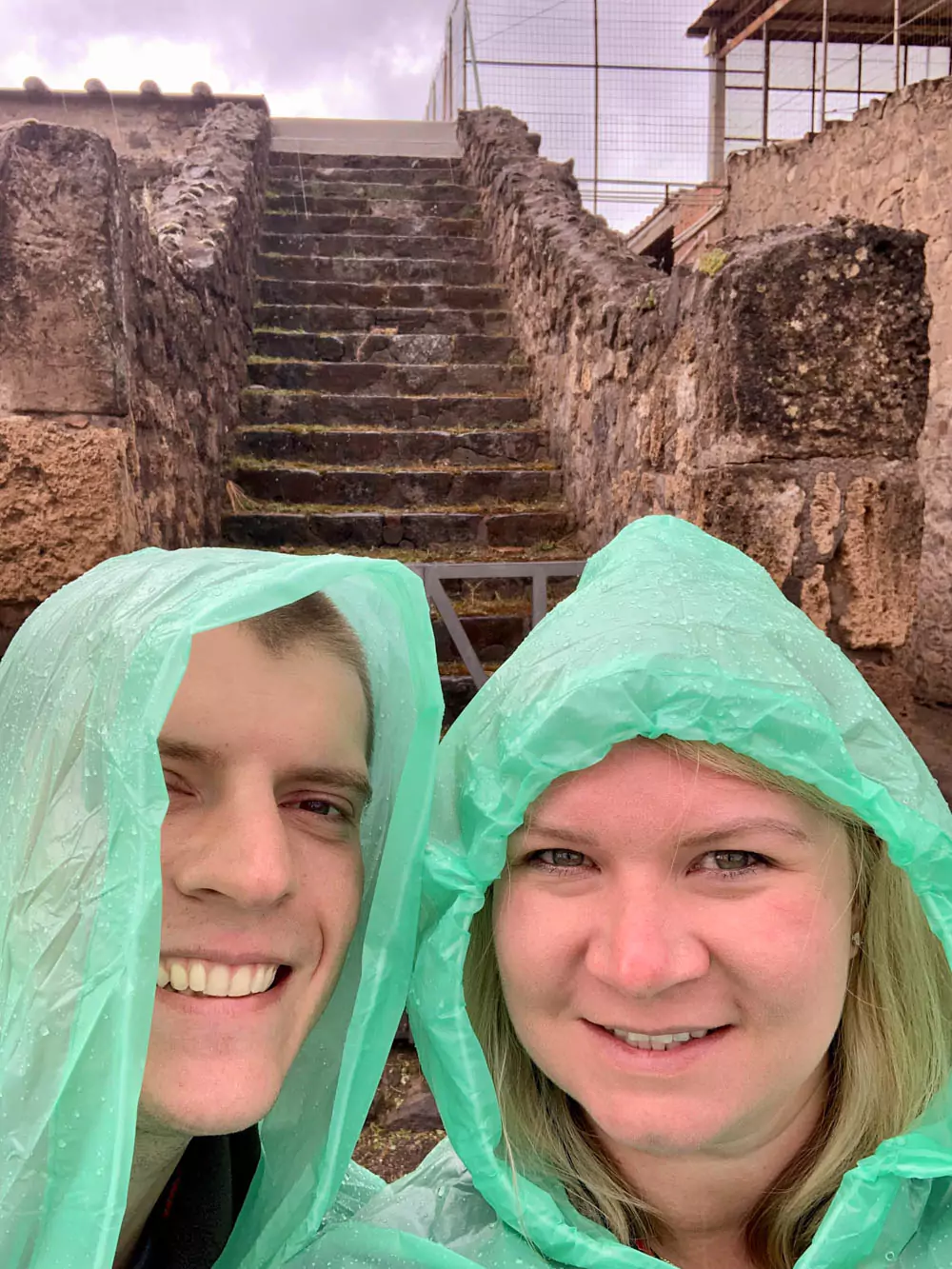
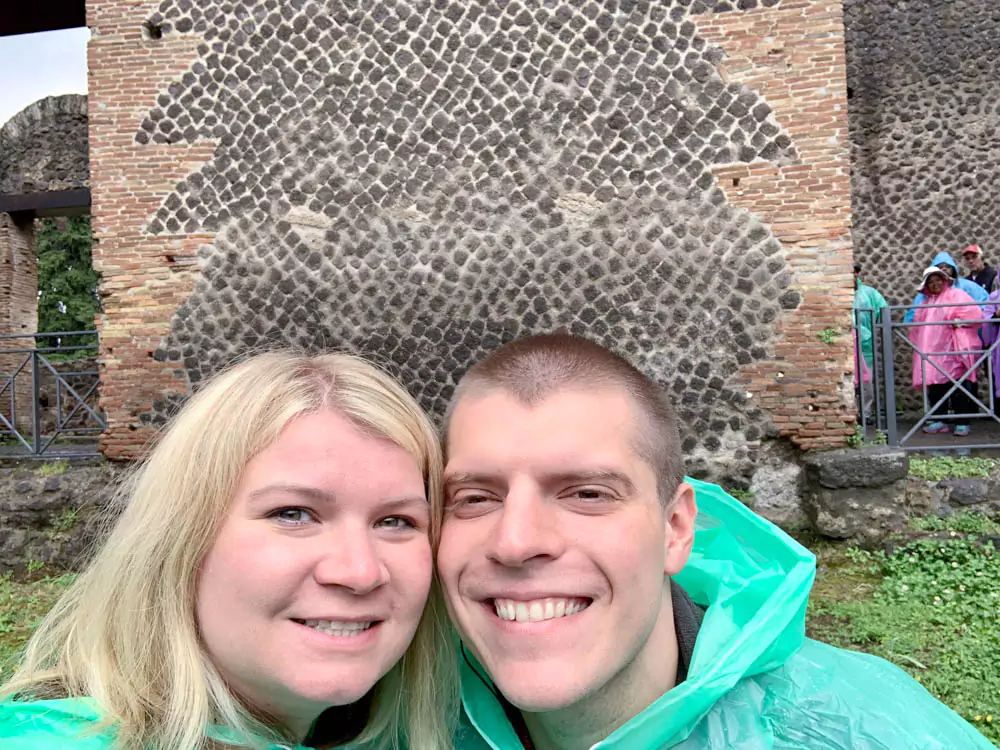
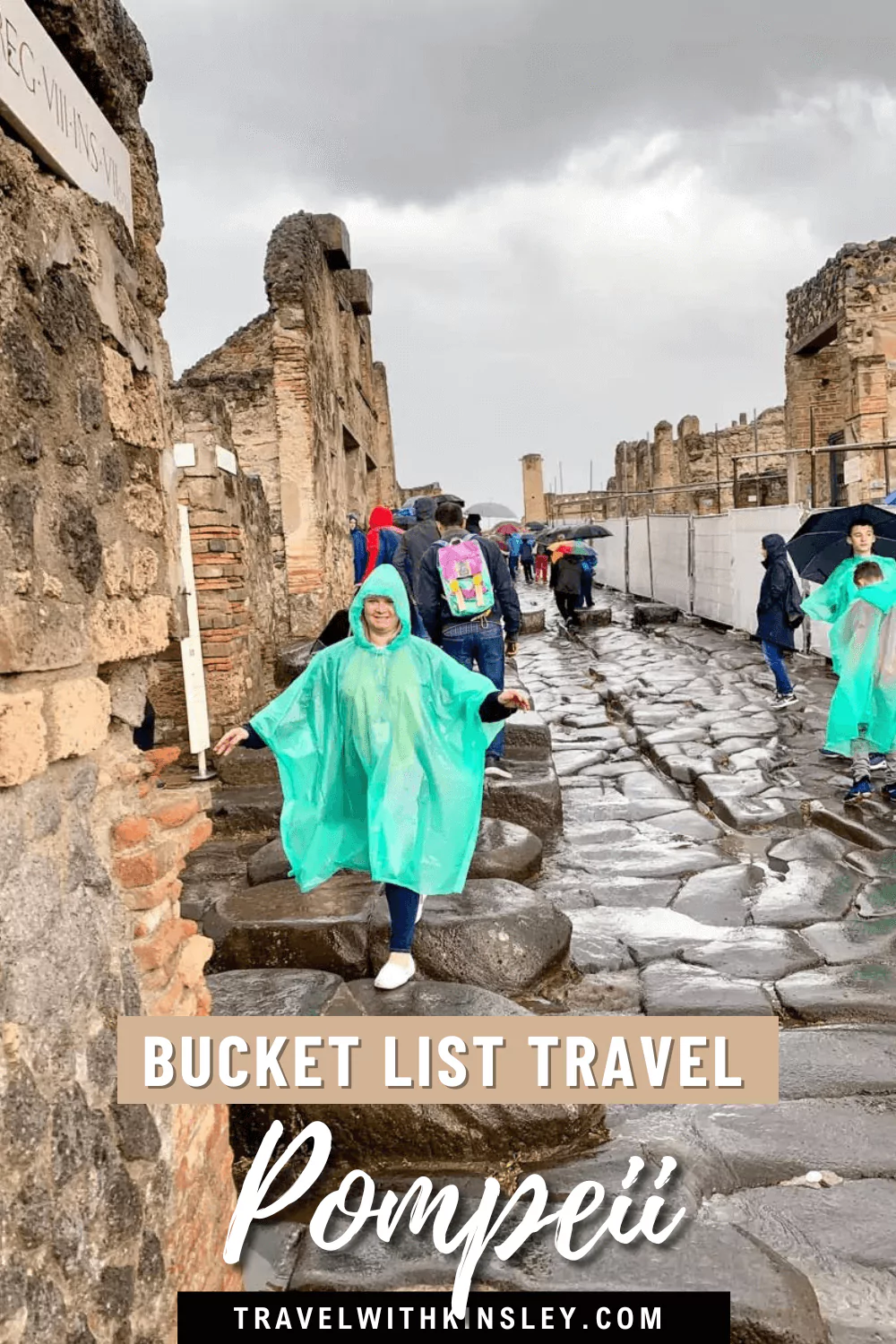
- Check the Weather:It poured when we visited, so we had to buy $10 ponchos outside the entrance. Be sure to check the weather before you visit and plan accordingly!
💡 Pro Tip: If you go self-guided, download the Pompeii app for an interactive map & detailed info.
Best Pompeii Day Tour
We booked an eight our tour on Get Your Guide that included a skip the line guided tour of Pompeii. They picked us up from a centrally located hotel, then drove us to Pompeii. And We had about two hours in Pompeii, then they took us to lunch which was included in the ticket price.
After Pompeii, we drove along the beautiful Amalfi Coast. Once we arrived in Amalfi, we had about an hour to walk through the town before heading back to Naples.
Here are a couple alternative tours:
- Pompeii Tour with an Archaeologist – From $65
- Pompeii Ruins & Mount Vesuvius Day Tour – From $115
- Guided group tour of Pompeii – From $30
Frequently Asked Questions About Visiting Pompeii
How long does it take to explore Pompeii?
The average visit lasts around 2 to 4 hours, but history enthusiasts may want to spend a full day exploring.
What should I wear when visiting Pompeii?
Wear comfortable walking shoes as Pompeii’s ancient streets are uneven. In summer, bring a hat, sunscreen, and water since there’s little shade.
Is Pompeii wheelchair accessible?
Pompeii has a designated accessible route for visitors with mobility challenges, though some areas remain difficult to navigate.
Can I bring food and drinks inside Pompeii?
Yes, you can bring food and drinks, but **picnicking inside the ruins is not allowed**. Water fountains are available throughout the site.
Are there restrooms inside Pompeii?
Yes, public restrooms are available at the **main entrances** and in key locations throughout the site.
Is there a combined ticket for Pompeii and Mount Vesuvius?
Yes, you can purchase a Pompeii + Mount Vesuvius combo ticket for around €23. This includes entry to both sites.
Can I visit Pompeii and Herculaneum in one day?
Yes, but it’s a long day. Pompeii is much larger, while Herculaneum is more compact and better preserved. Visit **Pompeii in the morning** and **Herculaneum in the afternoon**.
What is the best way to get to Pompeii from Naples?
The fastest and cheapest option is the **Circumvesuviana train**, which takes **35 minutes** and costs about **€3-€5**.
Final Thoughts on Visiting Pompeii, Italy
Your day visiting Pompeii Italy will be an unforgettable experience. From walking through well-preserved streets to exploring grand villas and ancient temples, you’ll gain a deep appreciation for the history and culture of this remarkable site.
Have you been to Pompeii? Drop your tips & experiences in the comments below!
XOXO,
Katie
P.S. Don’t forget to follow me on Pinterest and Instagram!
Planning on visiting Pompeii? Share this on Pinterest!
 |
 |
Further Reading about Visiting Naples
I’ve visited Naples and have put together a number of guides to help you make the most out of your time in the coastal city. I’ve also visited other parts of Italy and I’ve included some of those posts, too, along with some other resources I think you’ll find useful.
I have a guide to spending 1 day in Naples as well and 2 days in Naples, which should help you plan your time effectively to make the most of this city.
I also have a guide on the top things to do in Naples in general. If you’re planning to stay in Naples, check out my guide to all of the best neighborhoods. I also have a list of day trip options from Naples.
You can’t visit Naples without know what to pack – read all of my packing tips for Italy.
Our time in Naples was a part of a longer vacation throughout Italy. You can read our seven day Italy itinerary to help you plan a longer trip.
Beyond Naples, we have a two day guide to Rome, suggested things to do in Rome, and some of the must see attraction in Vatican City.
I also spent time in Venice and have a detailed 1 day Venice guide and 2 day Venice itinerary, as well as a guide on the best things to do in Venice.
If you’re looking for some more travel inspiration, check out my list of movies set in Italy and the most romantic destinations in Italy!
