Ultimate 2 Days in Rome Italy: Explore the Eternal City

Travel With Kinsley contains affiliate links and is a member of the Amazon Services LLC Associates Program, which means I may receive a cute little commission if you purchase through my links, at no extra cost to you. Please read full disclosure for more information.
Planning just 2 Days in Rome Italy and wondering how to make the most of it? Look no further!
With only 48 hours in a city as rich in history and culture as Rome, it’s easy to feel overwhelmed by the number of must-see sights. You might worry about missing out on key experiences or not knowing where to start, given the vast array of attractions.
I’m here to help you navigate Rome efficiently, ensuring you don’t miss a thing.
I get it—Rome can feel like a lot to tackle in such a short time. My husband, Zack, and I spent seven days in Italy overall, but we started out first two days navigating Rome.

Day 1: Arrive in Rome and Vatican City
While we only planned for 2 Days in Rome Italy, I think you might find that three days in Rome works better a vacation. I am really good at doing all the things, but you may want to take your time to relax and enjoy the city.
You can also add in a day trip from Rome to somewhere else and really get to explore more of Italy. If you need some visual inspiration, add some of these movies set in Italy to your watchlist while you plan your trip!
We arrived at Rome’s Fiumicino Airport at 7 a.m. We took the Leonardo Express train from the airport to Roma Termini station.
It was too early for us to check into our hotel, but we walked there and they stored our luggage. We stayed at Hotel Canada in Rome. Address: Via Vicenza 58, 00185 Rome, Italy
The first thing we did was purchase a 48-Hour Metro/Bus Ticket and validated it for convenient travel around the city.

Vatican City
We had afternoon tickets for a tour of Vatican City, St. Peter’s Basilica, and the Sistine Chapel. You can also follow my list of the top things to do in Vatican City.
Tip: Ensure you’re wearing pants for the Vatican City visit.
I made a list of some simple sight-seeing options, but I have a list of top things to do and see in Vatican City.
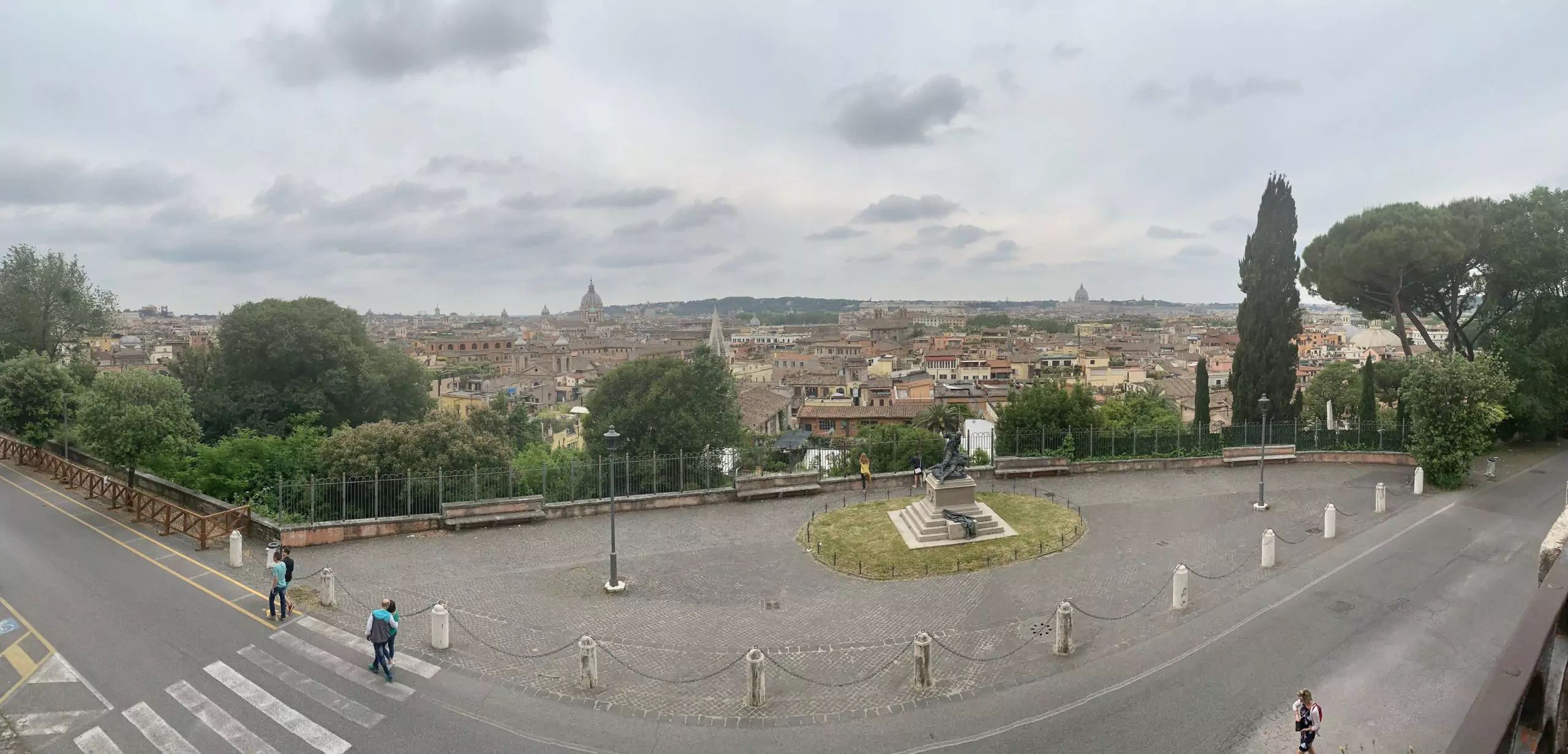
Sightseeing in Rome
- Villa Borghese: Stroll through the beautiful gardens.
- Pantheon: Marvel at the ancient architecture.
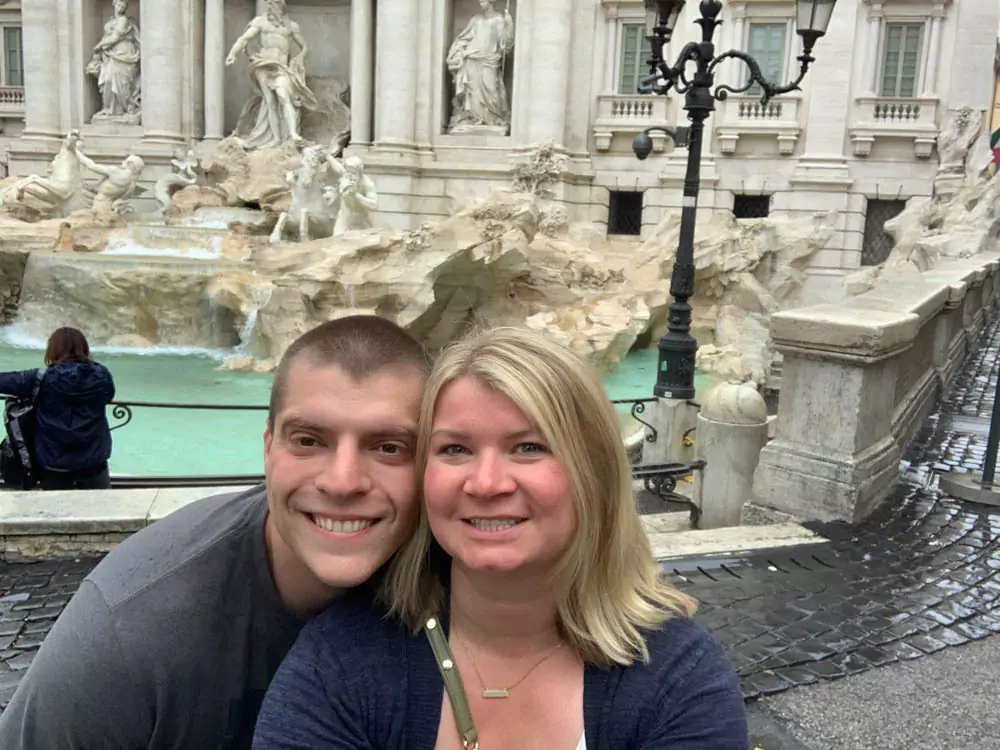
- Trevi Fountain: Toss a coin and make a wish.
- Spanish Steps: Climb to enjoy a fantastic view of the city.
- Castel Sant’Angelo: Explore this historic fortress.
We had a gelato break with some cones from Giolitti, a famous gelateria.
Then we finished our evening with delicious Italian meal at Il Ristoro dal Patriota.

Day 2: Ancient Rome and Landmarks
Breakfast was included in our hotel package, so we didn’t have to seek out any restaurants in the morning. We did seek out some fresh espresso!
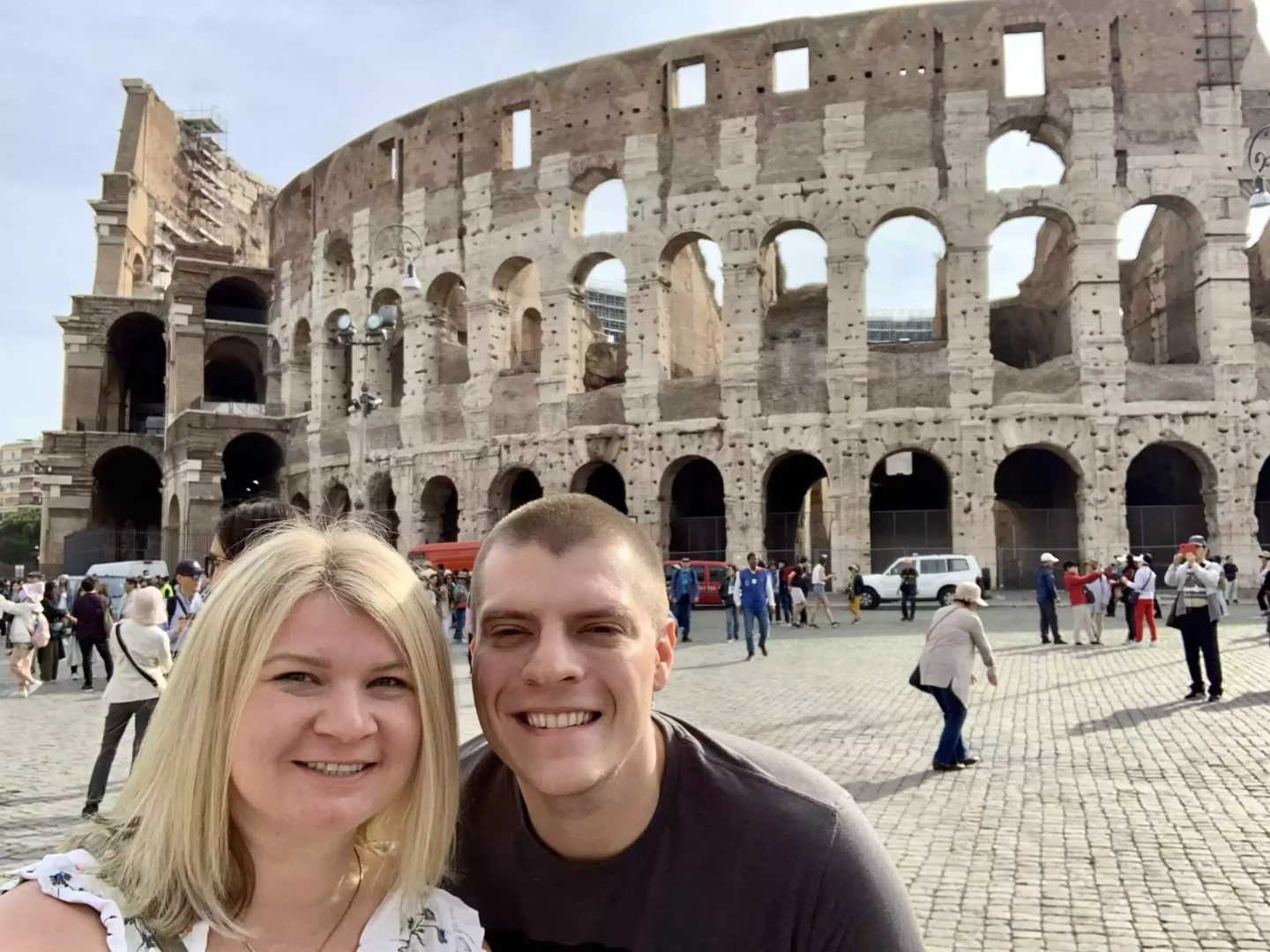
Colosseum, Roman Forum, and Palatine Hill
I had a guided tour booked for Colosseum, Roman Forum, and Palatine Hill. It’s better to pre-book tickets to avoid long queues. If you don’t want to book anything, the be sure to check out my list of free things to do in Rome.
We had lunch quickly, but there are many options to choose from! Try one of these local favorites: Grazia & Graziella, Ristorante Aroma, or Ristorante Arlù.

Afternoon Landmarks
- Pincio Promenade: Enjoy panoramic views of Rome.
- Ponte Umberto I: Take a walk across this picturesque bridge.
In the evening we returned to the hotel for a to relax and pack up for our next leg of the trip: Naples.
Where to Stay in Rome
When deciding where to stay in Rome, your choice will depend on what you want to see, your budget, and the kind of experience you’re looking for. If you’re into boutique hotels, then check out these top-rated in Rome. Here are some of the best neighborhoods to consider:
Centro Storico (Historic Center)
Why Stay Here: If you want to be in the heart of the action, the Centro Storico is perfect. You’ll be within walking distance of major attractions like the Pantheon, Trevi Fountain, Piazza Navona, and the Spanish Steps.
Best For: First-time visitors, sightseeing, and those who want to be surrounded by Rome’s classic beauty.
Type of Accommodation: A mix of luxury hotels, boutique accommodations, and charming guesthouses.
Trastevere
Why Stay Here: Trastevere is a vibrant, bohemian neighborhood known for its narrow cobblestone streets, lively nightlife, and excellent dining options. It offers a more local, authentic experience while still being close to major attractions.
Best For: Travelers who want a mix of culture, nightlife, and local vibes.
Type of Accommodation: Trendy boutique hotels, budget-friendly options, and Airbnb apartments.
Monti
Why Stay Here: Monti is a cool, up-and-coming neighborhood known for its hip cafes, vintage shops, and close proximity to the Colosseum. It’s a great base for exploring ancient Rome with a trendy edge.
Best For: Young travelers, couples, and those looking for a stylish neighborhood with character.
Type of Accommodation: Boutique hotels, mid-range options, and charming guesthouses.
Vatican/Prati
Why Stay Here: If you plan to spend a lot of time at the Vatican, staying in Prati or the Vatican area is convenient. It’s a quieter, more residential area with elegant streets and excellent shopping.
Best For: Travelers focused on visiting the Vatican and those seeking a quieter, upscale area.
Type of Accommodation: Mid-range to luxury hotels, as well as some budget options.
Termini (Esquilino)
Why Stay Here: The area around Termini Station is very convenient for transportation, as it’s the main hub for trains, buses, and metro lines. While not as charming as other areas, it’s practical and often more budget-friendly.
Best For: Budget travelers, those with early trains/flights, and anyone looking for convenience.
Type of Accommodation: Budget hotels, hostels, and affordable mid-range options.
Campo de’ Fiori/Piazza Navona
Why Stay Here: These areas are central, lively, and full of character, with plenty of cafes, bars, and restaurants nearby. You’ll be close to the Pantheon, the market at Campo de’ Fiori, and the charming streets of Piazza Navona.
Best For: Food lovers, history buffs, and those who want to be in the midst of Rome’s vibrant culture.
Type of Accommodation: Boutique hotels, luxury stays, and stylish apartments.
Testaccio
Why Stay Here: Testaccio is known for its authentic Roman food scene and local vibe. It’s a bit off the main tourist path but offers a genuine taste of Roman life.
Best For: Foodies, culture enthusiasts, and those wanting to experience a less touristy side of Rome.
Type of Accommodation: Budget to mid-range hotels, guesthouses, and apartments.
Aventine Hill
Why Stay Here: Aventine Hill is a peaceful and upscale area known for its beautiful gardens, churches, and views of the city. It’s perfect for those looking for tranquility while still being close to the center.
Best For: Couples, families, and those seeking a romantic, quiet retreat.
Type of Accommodation: Luxury hotels, boutique stays, and charming B&Bs.
Is the Roma Pass worth it?
The Roma Pass includes free entry to 1 or 2 museums or archaeological sites, depending on whether you choose the 48-hour or 72-hour pass.
Popular choices include the Colosseum, Roman Forum, Palatine Hill, Capitoline Museums, and Castel Sant’Angelo. You also get unlimited use of Rome’s public transportation system (buses, trams, metro) within the validity period of your pass.
Yes, the Roma Pass is worth it if you plan to visit the Colosseum, Roman Forum, and other paid sites, the pass can save you money, especially when combined with public transport costs.
Cost Comparison:
- 72-Hour Roma Pass: €58.50
- 48-Hour Roma Pass: €36.50
Rome Travel Tips
Here are some practical travel tips to help you make the most of your time in Rome:
- Book Tickets in Advance Rome’s top attractions, like the Colosseum, Vatican Museums, and St. Peter’s Basilica, can get very crowded. Booking tickets in advance or opting for skip-the-line tours will save you hours of waiting in line. Many sites offer combo tickets or guided tours that cover multiple attractions.
- Dress Appropriately for Religious Sites When visiting churches and religious sites like St. Peter’s Basilica and the Vatican Museums, there is a strict dress code: shoulders and knees must be covered for both men and women. Carry a scarf or shawl to cover up if needed, especially in the summer when you might be wearing lighter clothing.
- Use Public Transportation Wisely Rome’s public transportation system, including buses, trams, and the metro, is an efficient way to get around the city, especially for longer distances. Buy a daily or multi-day transport pass for unlimited travel. The metro can be crowded during rush hours, so plan accordingly.
- Be Prepared for Walking Rome is a very walkable city, with many of the major attractions located close to each other. Walking allows you to see more of the city’s charming streets and hidden gems. Wear comfortable shoes, as the cobblestone streets can be hard on your feet. Bring a water bottle, especially in the summer.
- Avoid Tourist Traps for Dining Some restaurants near major tourist sites may be overpriced and serve lower-quality food. To enjoy authentic Roman cuisine, venture a bit farther from the main attractions. Look for places where locals are eating, or ask for recommendations. Trastevere and Testaccio are known for their great food scenes.
- Learn Basic Italian Phrases While many Romans speak English, knowing a few basic Italian phrases can enhance your experience and help you connect with locals. Simple phrases like “Buongiorno” (Good morning), “Per favore” (Please), and “Grazie” (Thank you) go a long way.
- Be Aware of Pickpockets Like in any major city, pickpocketing can be a problem, especially in crowded areas like public transportation, tourist spots, and markets. Keep your valuables secure, avoid carrying too much cash, and be cautious of distractions.
- Take Advantage of Free Attractions Many of Rome’s most beautiful sights, like the Pantheon, Trevi Fountain, Spanish Steps, and Piazza Navona, are free to visit. Strolling through Rome’s historic neighborhoods and parks, such as Villa Borghese, can also be a delightful (and free) way to spend your time.
- Respect Local Customs Italians appreciate good manners and respect for their culture, especially in places of worship and public spaces. Keep noise levels down in churches, dress modestly, and always greet shopkeepers with a friendly “Buongiorno.”
- Stay Hydrated Rome can get very hot, especially in the summer months. There are many public drinking fountains, known as “nasoni,” scattered throughout the city, where you can refill your water bottle with fresh, clean water. Carry a reusable water bottle with you to save money and stay hydrated.
- Plan for Downtime Rome’s pace can be fast and overwhelming, with so much to see and do. Taking breaks to relax in a café or park will help you enjoy the city more. Spend some time people-watching in a piazza, enjoy a leisurely gelato, or relax in a quiet garden.
- Don’t Forget the Lesser-Known Attractions While the Colosseum and Vatican are must-sees, Rome has many hidden gems worth exploring, such as the Aventine Keyhole, the Baths of Caracalla, and the neighborhood of Monti. Allocate some time in your itinerary to discover these off-the-beaten-path spots.
- Use Apps to Enhance Your Visit There are several useful apps that can make your stay in Rome easier, from navigating the public transport system to finding the best restaurants. Apps like MyTaxi, Google Maps, and EatRome can be particularly helpful.
FAQ’s for 2 Days in Rome
When planning a 2-day itinerary in Rome, people often have the following questions:
What are the must-see attractions in Rome for 2 days?
If you only have two days in Rome, explore the Colosseum, Roman Forum, Pantheon, and Trevi Fountain on day one, the Vatican City’s museums, St. Peter’s Basilica, and the Spanish Steps on day two. This itinerary covers Rome’s most iconic ancient landmarks and cultural treasures.
How can I avoid long lines at popular attractions?
To avoid long lines at popular attractions in Rome, book skip-the-line tickets or guided tours in advance, which allow you to bypass the regular queues.
Otherwise, visiting early in the morning or late in the afternoon, when crowds are smaller, can help you avoid peak times and enjoy a more relaxed experience.
What is the best way to get around Rome?
The best way to get around Rome is by walking, especially in the historic center where most attractions are close to each other.
For longer distances, use the city’s efficient public transportation system, including buses and the metro. Taxis and ride-sharing services like Uber are also available, but be mindful of traffic in busy areas.
How can I fit in both the Vatican and Colosseum in one day?
To fit in both the Vatican and the Colosseum in one day, start your day early with a visit to the Vatican Museums and the Sistine Chapel as soon as they open. After exploring St. Peter’s Basilica, head to the Colosseum in the afternoon, using skip-the-line tickets to save time.
Plan to have lunch nearby before heading to the Roman Forum and Palatine Hill, which are located next to the Colosseum. This itinerary allows you to cover both iconic sites efficiently.
Can I visit Rome’s main attractions on foot?
Yes, you can visit many of Rome’s main attractions on foot! Rome is a very walkable city, especially within the historic center where many of the most famous landmarks are located close to each other. You can easily stroll from the Colosseum to the Roman Forum, then to the Pantheon, Trevi Fountain, and the Spanish Steps.
Walking around the city not only saves money on transportation but also allows you to discover charming streets, hidden squares, and local shops along the way. Just be sure to wear comfortable shoes, as the cobblestone streets can be tough on your feet!
Are there any hidden gems or lesser-known sites worth visiting?
Rome is full of hidden gems worth exploring. Visit the Basilica di San Clemente to discover layers of history, or stroll through the whimsical Quartiere Coppedè for unique architecture.
Relax in the serene Villa Doria Pamphili, explore Nero’s Domus Aurea, or admire the beautiful frescoes in the Art Nouveau Galleria Sciarra. These lesser-known sites offer a quieter, more intimate experience of Rome.
Final Thoughts
After two days in Rome, I’m sure you’ll be feeling a bit in awe of everything you’ve seen and done. It’s incredible how much history, art, and culture this city crams into every corner! Sure, there’s always more to explore, but you’ve with this itinerary you’ll cover some serious ground.
Can’t wait to hear what you thought of Rome! Let me know in the comments below.
More Italy Inspiration
- 35 free things to do in Rome
- 14 best things to do in Rome for first time Visitors
- Unofficial walking tour of all Angels and Demons locations in Rome
- Must-visit cities in Italy
- 10 things to do in Vatican City
- Italy Packing List what to pack on your trip to Italy
Like this 2 Days in Rome Italy itinerary? Share it on Pinterest
 |
 |
We also visited:
- Trains: Check Omio to search schedules and buy tickets
- Flights: Find the cheapest flights on Booking.com
- Airport transfer: Get a quote & book here
