What Is Dark Tourism? Popular Destinations to Know

Travel With Kinsley contains affiliate links and is a member of the Amazon Services LLC Associates Program, which means I may receive a cute little commission if you purchase through my links, at no extra cost to you. Please read full disclosure for more information.
Not all travel is about sandy beaches and postcard-perfect views. Some places pull us in for a different reason—because of their past.
Dark tourism involves visiting sites tied to tragedy, conflict, or loss. From concentration camps to disaster zones, these destinations tell powerful, often sobering stories that continue to shape our world.
But why do we visit them? For some, it’s to honor history. For others, it’s a way to understand humanity a little better.
In this guide, we’ll explore what dark tourism really is, the ethics behind it, and a list of well-known places that have become part of this meaningful, if somber, travel trend.
What is Dark Tourism?
Have you ever visited a place that gave you chills—not because it was eerie, but because you knew something important happened there? That kind of travel experience, where you explore destinations tied to tragedy, conflict, or resilience, is known as dark tourism.
It’s not a new concept, but it’s become more common—especially for travelers who want their trips to go deeper than just checking off landmarks. For us, dark tourism isn’t about being morbid—it’s about learning from the past, honoring lives lost, and seeing history up close in a way that stays with you.
So why are more travelers adding these meaningful places to their itineraries? And where exactly should you go if you’re drawn to this kind of experience? We’ll walk you through the why, the how, and share a few personal takeaways we’ve had along the way.
Why Do People Engage in Dark Tourism?
The growing interest in dark tourism stems from more than mere curiosity. People are often drawn to these sites for various reasons:
- Education: Understanding history from books and documentaries is one thing—but physically standing on the site where significant historical moments occurred is profoundly eye-opening. Dark tourism offers a deeply immersive way to learn about the past.
- Reflection: For many visitors, these trips are personal. You might want to reflect on life, loss, and resilience while connecting emotionally with historical events.
- Connection to Humanity: The shared experiences of tragedy and survival remind us all of our collective humanity. Visiting these sites allows us to empathize and connect with people across time and geography.
- Sheer Intrigue: For history lovers and explorers, dark tourism ignites that innate desire to piece together the stories of the past.
During my visits to places like Auschwitz, Dachau or the Paris Catacombs, I was struck not only by their somber atmosphere but also by the lessons they carried. These are places where the resilience of the human spirit often stands shoulder-to-shoulder with profound sorrow.

Dark Tourism Series on Netflix
You can watch a show dedicated to traveling to dark tourism sites across the world in the Netflix series Dark Tourist.

Most Popular Dark Tourism Destinations in the World
Here are some of the most well-known and historically significant dark tourism destinations around the world:
1. Auschwitz-Birkenau, Poland
This former Nazi concentration camp is among the most haunting places I’ve visited. Auschwitz represents the extent of human cruelty but also serves as a powerful reminder of the importance of tolerance and kindness. Walking through its preserved barracks and exhibits felt like stepping into history itself, and it stayed with me long after leaving.
2. The Catacombs of Paris, France
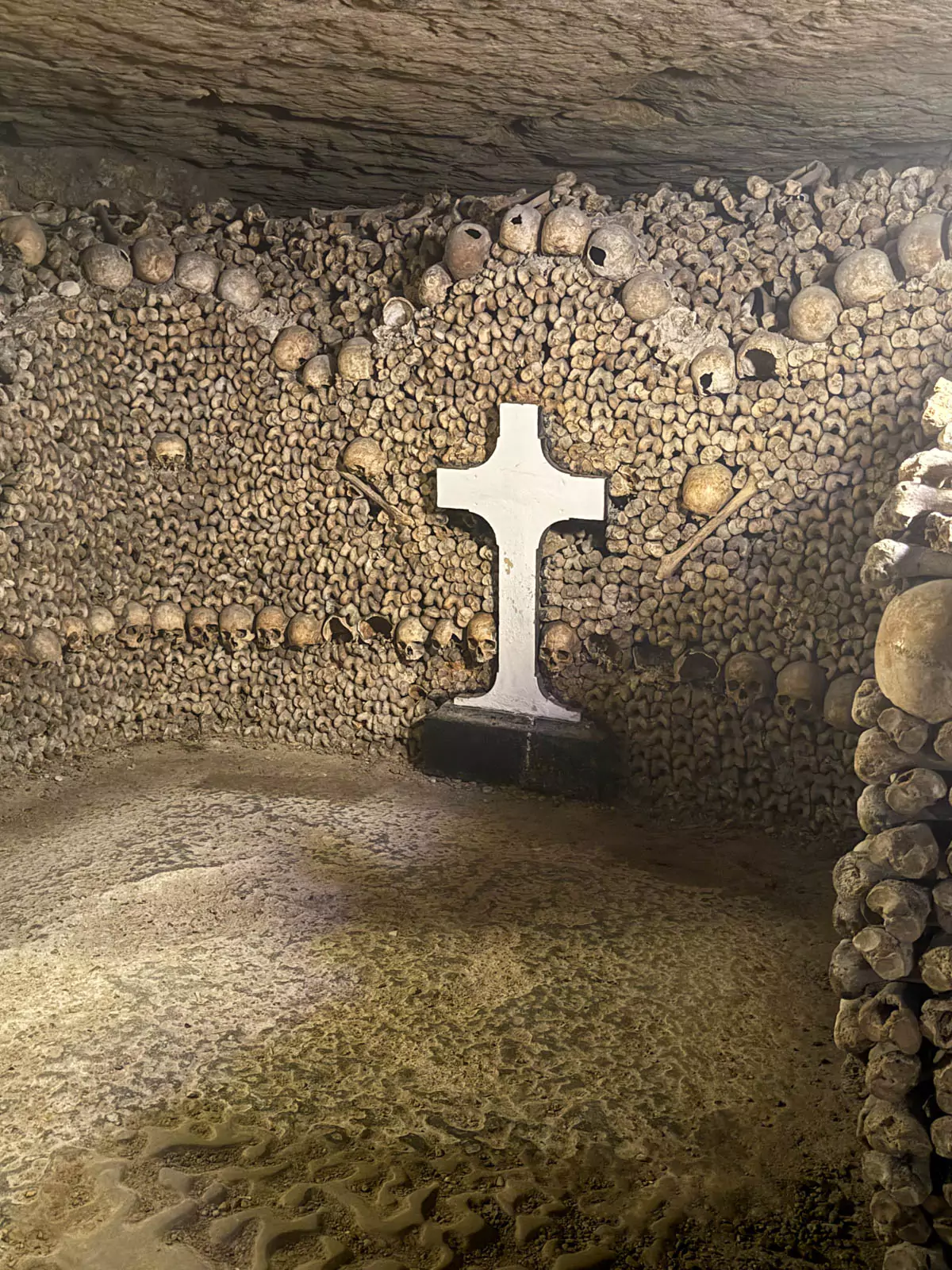
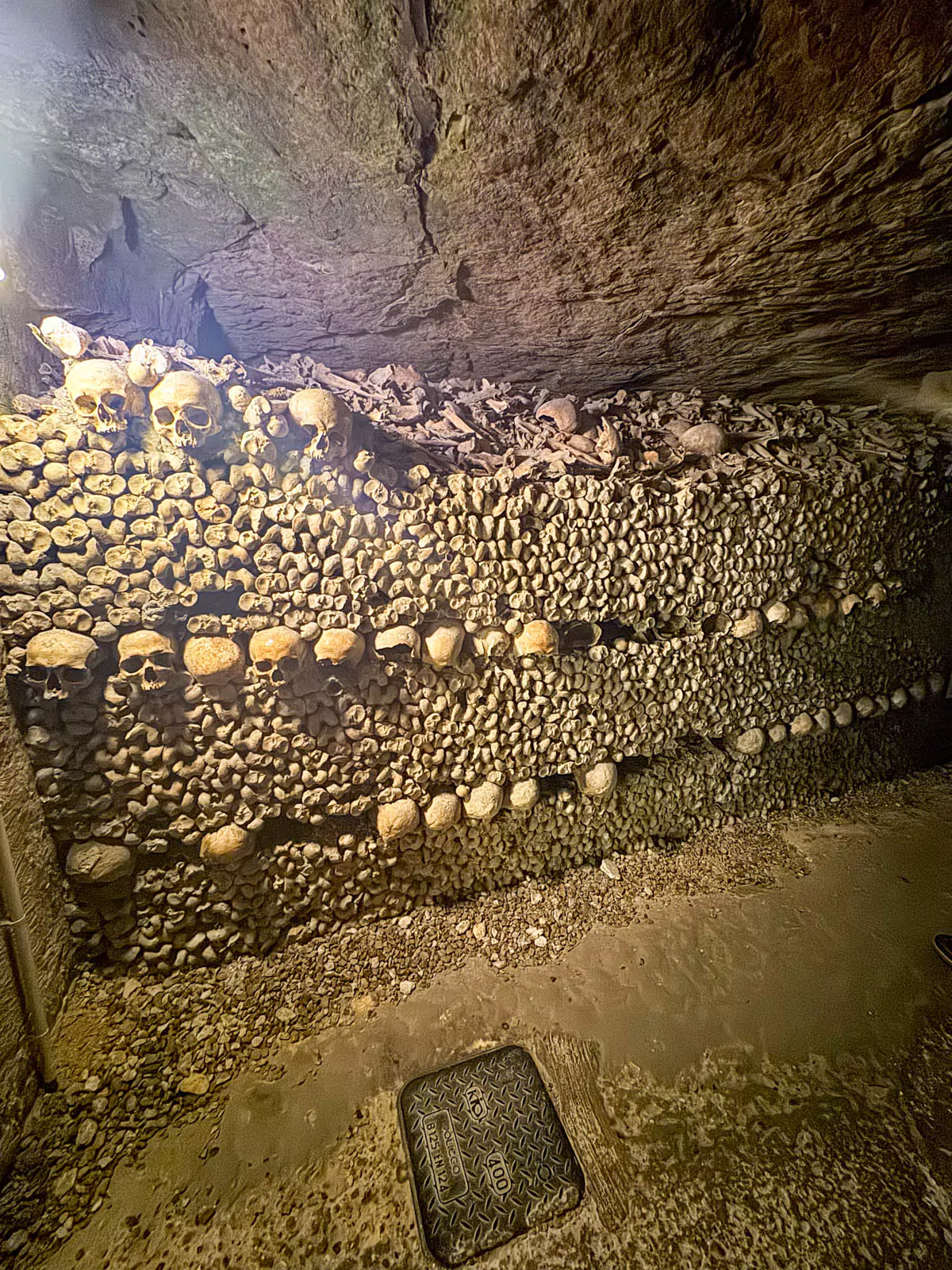
Far beneath the stylish streets of Paris lies a labyrinth of tunnels lined with millions of human bones.
What started as a solution to overcrowded cemeteries has become one of the world’s most intriguing dark tourism spots.
I’ve been here twice, and while unsettling, the catacombs also offer a unique glimpse into Paris’s history, culture, and practical ingenuity.
3. Pompeii, Italy
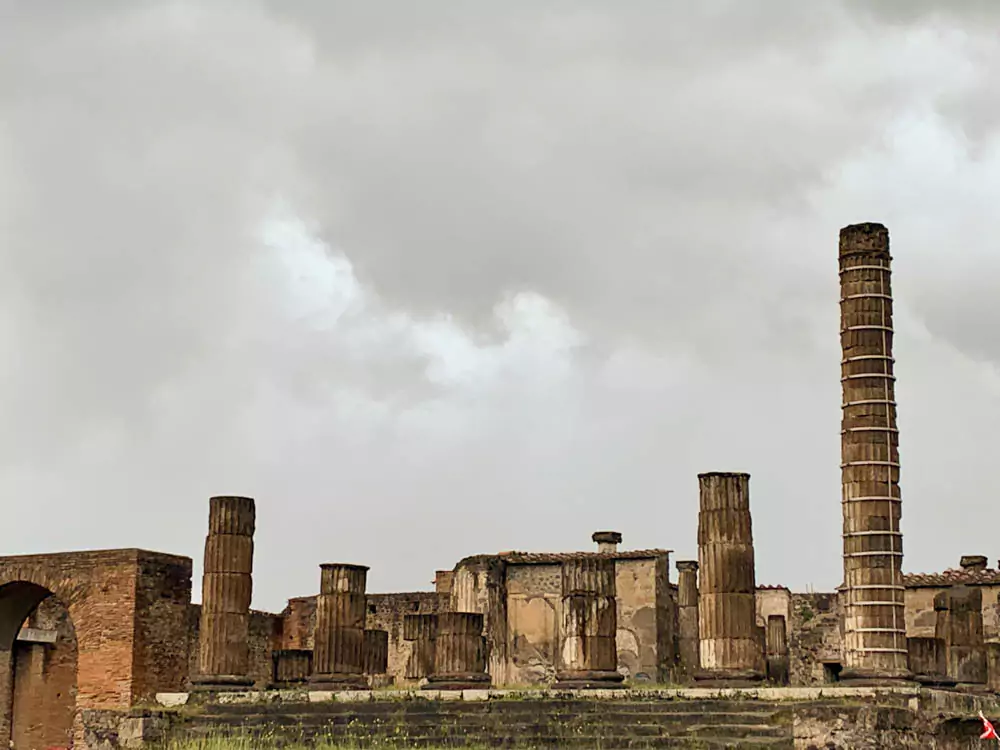
Frozen in time by the eruption of Mount Vesuvius in 79 AD, Pompeii is an extraordinary window into ancient Roman life.
Wandering its preserved ruins felt surreal—like I’d been transported thousands of years back in time. It’s a must-visit for history buffs and a favorite stop for those exploring Italy’s past.

4. 9/11 Memorial & Museum, USA
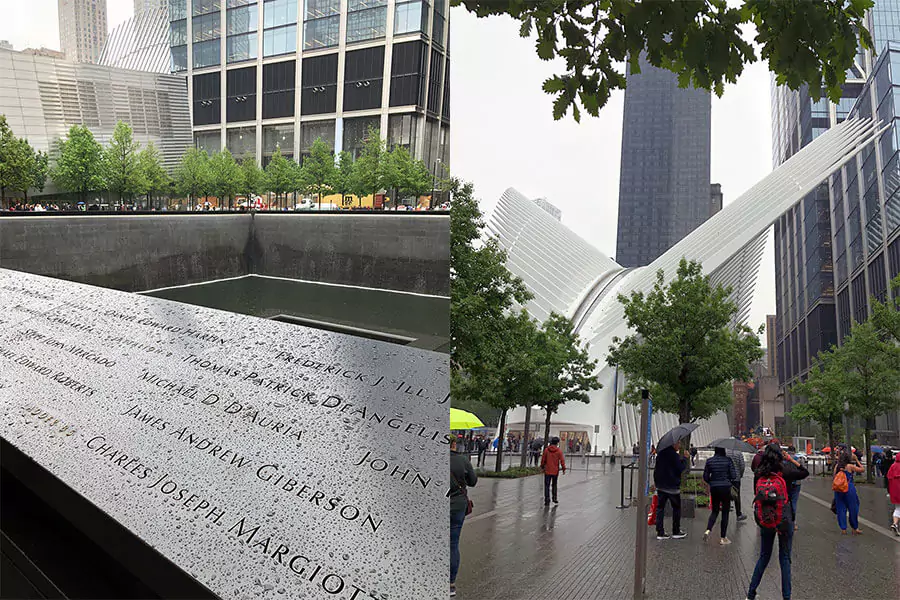
Standing at Ground Zero in New York City, the 9/11 Memorial honors the victims of one of the most traumatic events of the 21st century.
The cascading waterfalls in the footprints of the Twin Towers were designed beautifully to evoke comfort, and the museum provides a deeply emotional walkthrough of the tragedy and its aftermath.

5. Chernobyl, Ukraine
Decades after the catastrophic nuclear disaster in 1986, Chernobyl has become a chilling yet fascinating destination. The abandoned city of Pripyat, with its eerily silent school or rusting Ferris wheel, is a stark reminder of the event that displaced thousands. Guided tours provide a safe way to explore the exclusion zone while learning about its ecological and cultural impact.

6. Hiroshima Peace Memorial, Japan
Unlike some darker destinations focused on tragedy, Hiroshima’s Peace Memorial is a symbol of resilience and a call for world peace. The museum’s displays offer honest and somber portrayals of the devastation caused by the atomic bomb in 1945, but the surrounding park feels hopeful, inviting reflection and unity.
7. The Killing Fields, Cambodia
A trip to Cambodia often includes a visit to the Killing Fields, where the Khmer Rouge carried out mass atrocities between 1975 and 1979. While extremely emotional, the memorial provides insight into the country’s history and resilience, ensuring this dark chapter is never forgotten.

8. Alcatraz Island, USA
This infamous penitentiary on an island off San Francisco Bay now draws visitors intrigued by its stories of notorious inmates, daring escape attempts, and haunting isolation. Though not as emotionally heavy as the other destinations, Alcatraz still carries an eerie aura that captivates travelers.

9. Robben Island, South Africa
Once a site of isolation for political prisoners, most famously Nelson Mandela, Robben Island now serves as a symbol of South Africa’s struggle against apartheid. Tours led by former prisoners make this experience deeply personal and powerful.
10. The Sedlec Ossuary, Czech Republic
Known as the “Bone Chapel,” this small but striking church is adorned with decorations made entirely of human remains. It’s a chilling yet artistic reminder of mortality, with its eerie yet mesmerizing chandeliers and altars.
Ethical Considerations in Dark Tourism
Before visiting any dark tourism site, consider the following:
✔ Respect the location – Avoid loud behavior, selfies at inappropriate places, or any disrespectful actions.
✔ Understand the history – Research the significance of the site before visiting.
✔ Follow local rules – Some sites have photography restrictions or require guided tours.
✔ Support preservation efforts – Many memorial sites rely on visitor donations for maintenance.
Dark tourism offers an educational and reflective travel experience, but it’s essential to approach it with awareness and respect.
Final Thoughts
Dark tourism takes you beyond pristine beaches and iconic skylines. It challenges your understanding of history, amplifies empathy, and introduces you to stories that truly matter. It’s travel with depth, travel that fascinates, and travel that makes an indelible mark on your soul.
To me, dark tourism isn’t about glorifying tragedy or seeking thrill—it’s about stepping into the past with an open heart and mind.
If you’re thinking about adding one of these destinations to your travel list, my advice is simple: Go with purpose, tread lightly, and take the lessons these places hold home with you.
Would you visit any of these dark tourism destinations? Let me know in the comments!
Suggested Next Reads
- Visiting Auschwitz: What to Know Before You Go
- Best World War II Museums Around the World
