Visiting the Colosseum in Rome: Hours, Tickets + More

Travel With Kinsley contains affiliate links and is a member of the Amazon Services LLC Associates Program, which means I may receive a cute little commission if you purchase through my links, at no extra cost to you. Please read full disclosure for more information.
Visiting the Colosseum in Rome can be both exciting and a bit overwhelming, even for people who have been there before. The Colosseum is really big, and there’s so much history behind it. Exploring it can make you feel amazed by how much happened there in the past.
Planning a visit to the Colosseum takes some effort. You need to get the right tickets, choose the best tour, and make sure you’re at the right gate at the right time. It might sound like a lot, but don’t worry! I’ve put together this guide to visiting the Colosseum in Rome to make it easier for you.
I’m going to explain how to get Colosseum tickets, how long to stay, and share our top tips for the best guided tours. You’ll learn about what to do at the Colosseum, how to skip the lines, and what to do if tickets are sold out.
I’ll also give you practical advice to make the most of your visit. But first, let’s dive into what the Colosseum is and why it’s a must-see when you’re in Rome.
Why visit the Colosseum?
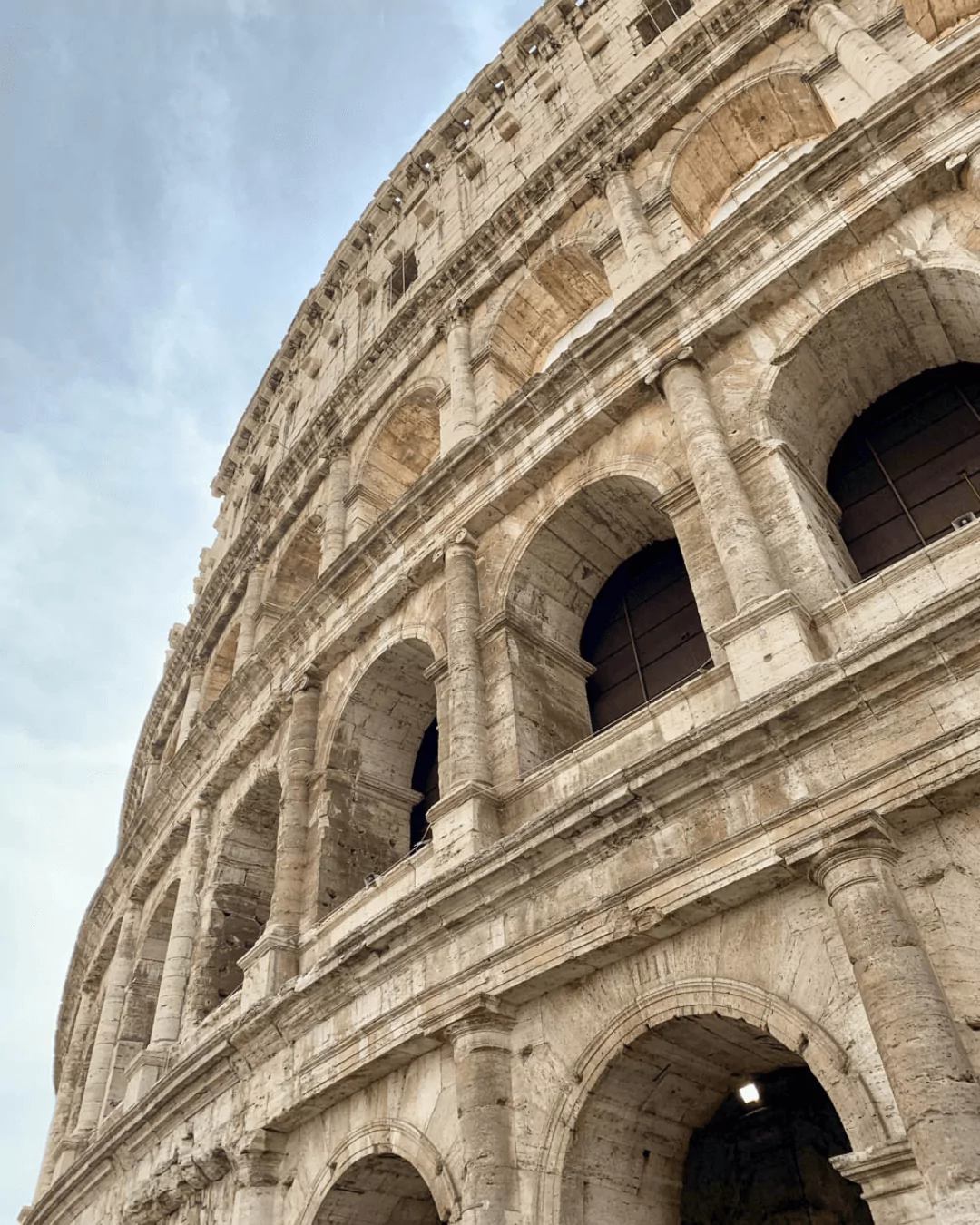
The Colosseum is a must-see in Rome because it’s one of the most iconic landmarks in the world and a symbol of ancient Roman history.
The Colosseum, also known as the Flavian Amphitheater, was built between 70-80 AD under the emperors Vespasian and Titus. It was the largest amphitheater in the Roman Empire, designed to host gladiator battles, animal hunts, and public spectacles, entertaining up to 50,000 spectators.
The Colosseum symbolized the power and engineering prowess of ancient Rome. Despite earthquakes and stone looting over the centuries, much of the structure remains intact, making it a powerful reminder of Rome’s imperial history.

The Colosseum is part of the larger Historic Centre of Rome, which is also a UNESCO World Heritage Site.
How to get to the Colosseum
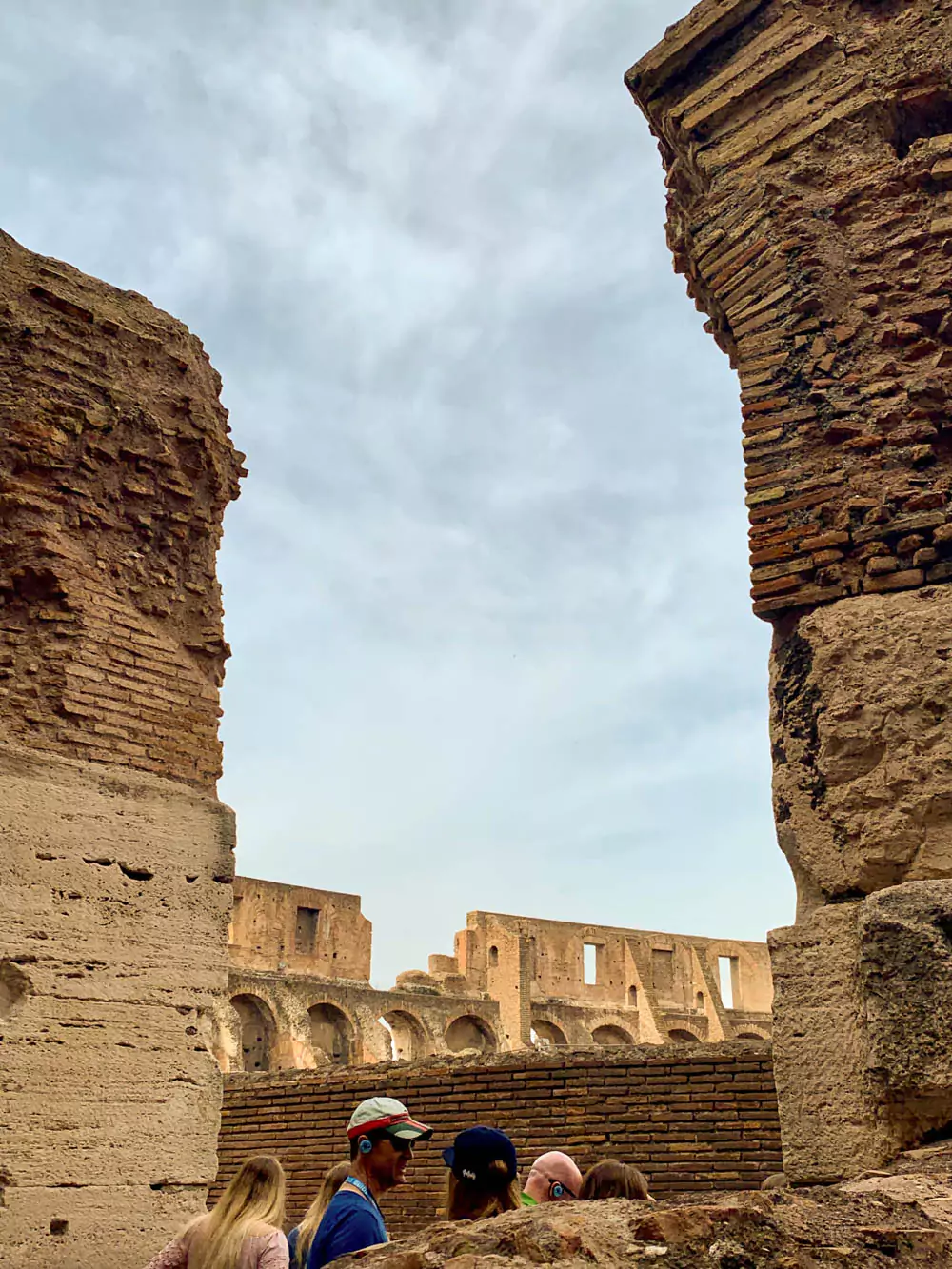
The Colosseum is located in the heart of Rome, Italy, near the Roman Forum and Palatine Hill. Its exact address is Piazza del Colosseo, 1, 00184 Rome, Italy.
The Colosseum is easily accessible by public transportation, including the Colosseo metro station on Line B, and it’s a short walk from many other famous Roman landmarks.
Its central location makes it a key attraction for visitors exploring the historical center of Rome.
Things to Do in the Colosseum
Explore the Arena Floor
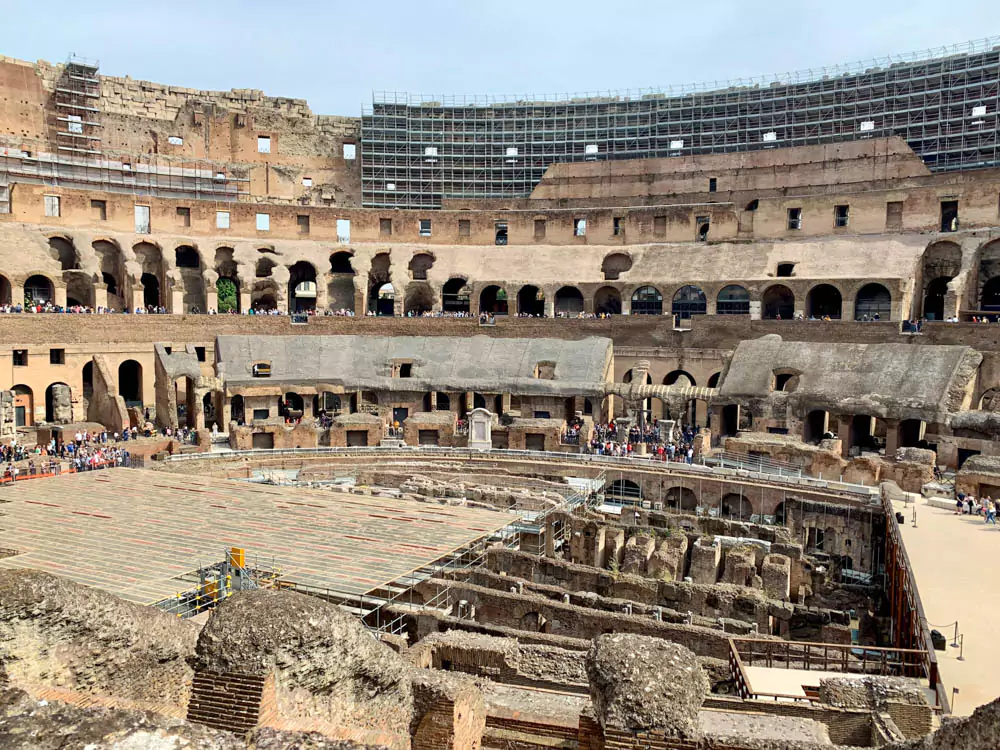
The arena floor of the Colosseum was the stage where gladiators, animals, and performers entertained the crowds in ancient Rome.
Originally, this wooden floor was covered with sand to absorb blood during the intense battles. Beneath the arena floor lay an elaborate system of underground tunnels and chambers, known as the hypogeum, where gladiators and animals were kept before being lifted into the arena.
The Colosseum’s design has influenced the construction of modern stadiums and arenas worldwide. Its tiered seating, vomitoria (passageways for quick exits), and overall organization serve as a model for how modern sports arenas are built.
Visit the Underground
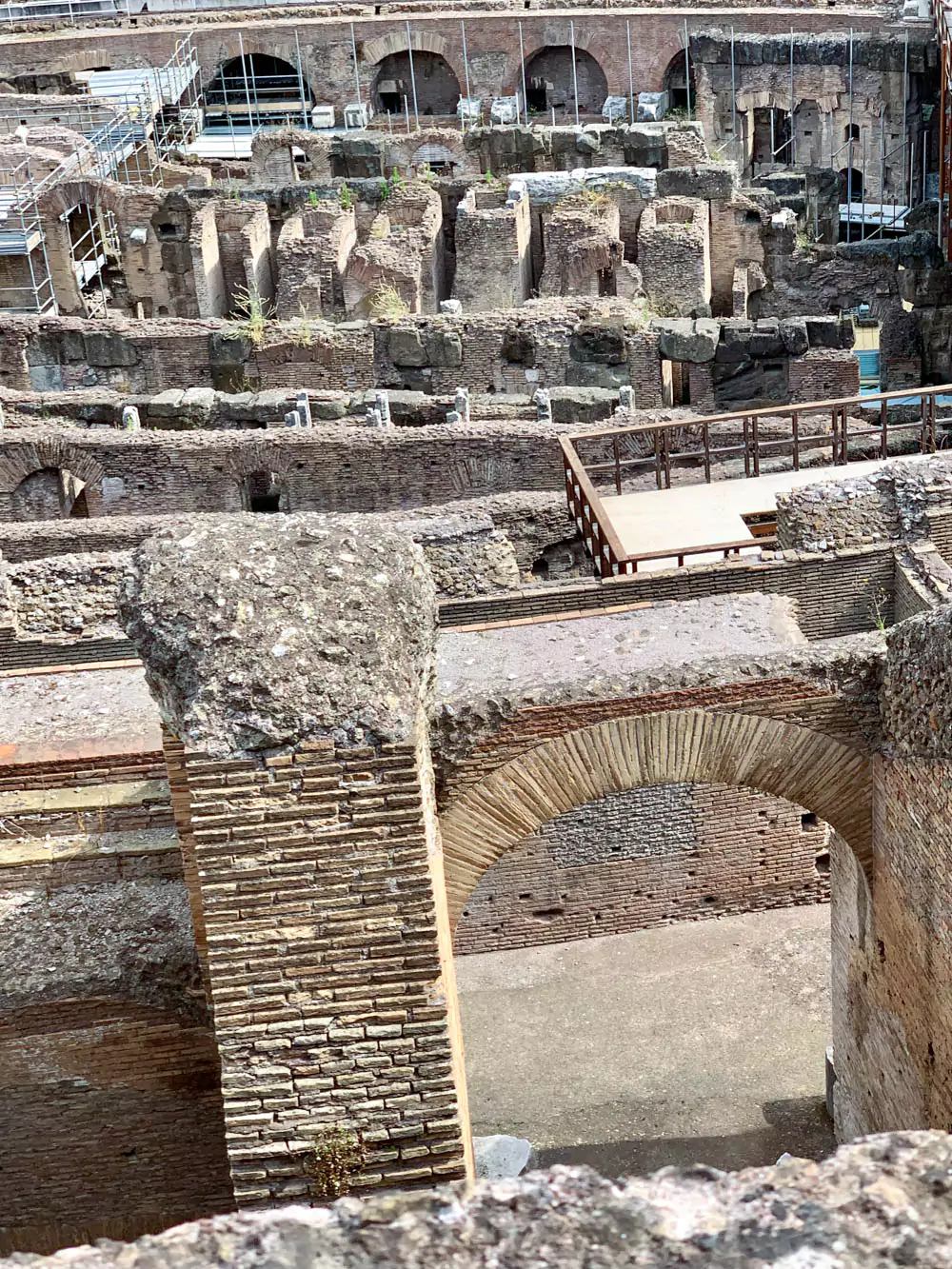
The underground of the Colosseum, known as the hypogeum, was an intricate network of tunnels, chambers, and passageways beneath the arena floor.
This area was crucial to the operations of the Colosseum, housing gladiators, wild animals, and stage machinery. Elevators and trapdoors allowed for dramatic entrances of combatants and animals into the arena.
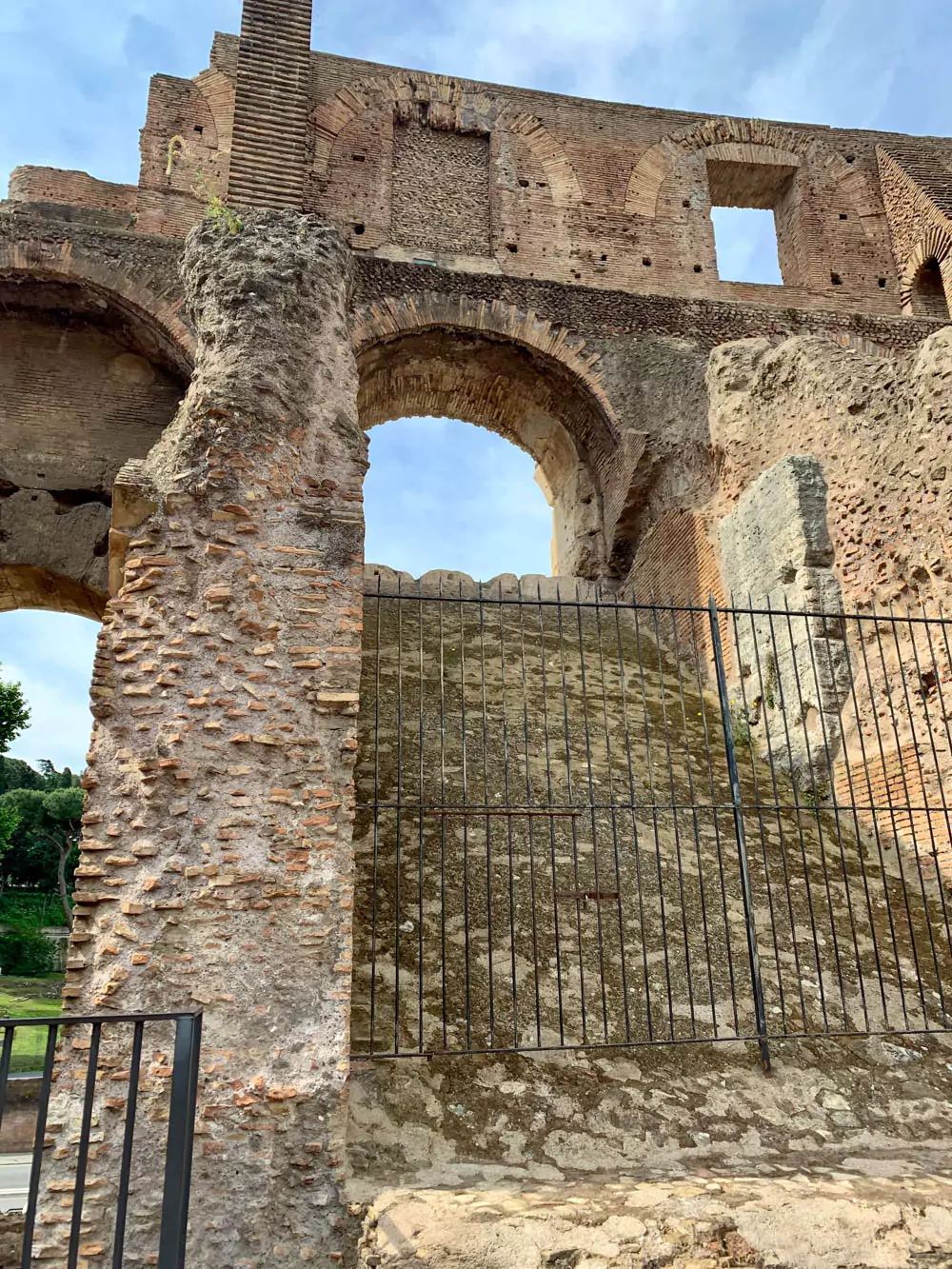
Climb to the Upper Levels
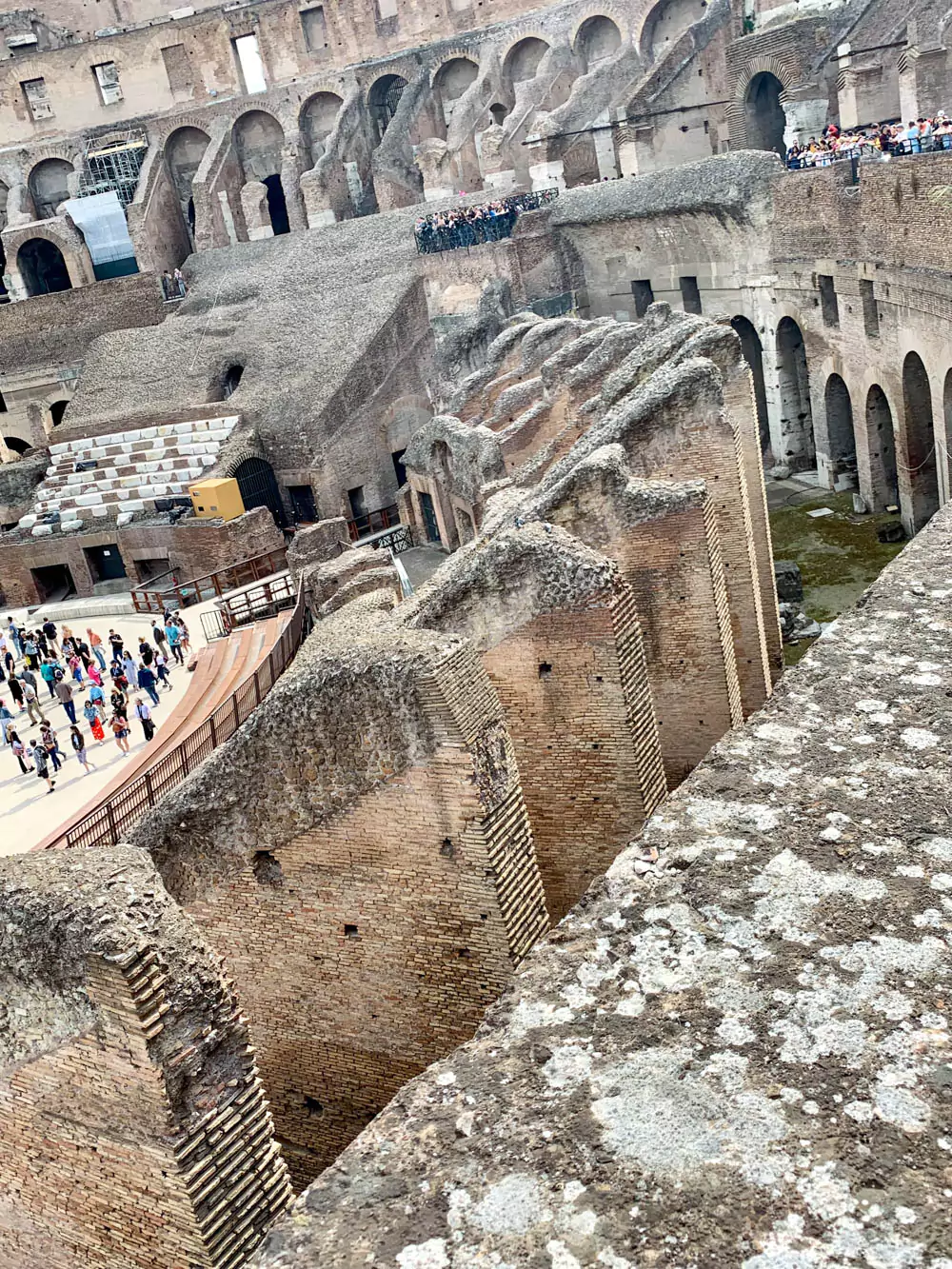
The second level of the Colosseum offers a fantastic view of the arena and the surrounding Roman landscape.
In ancient times, this level was reserved for Rome’s middle class, such as merchants and artisans. Today, you can explore this area to gain a broader perspective of the Colosseum’s scale and the spectacle it once hosted.
The higher vantage point provides a more comprehensive view of the Colosseum’s design, as well as a better understanding of how the massive crowds were managed during events.
The third level of the Colosseum was where Rome’s lower classes, including common citizens, women, and slaves, were seated.
From this point, spectators still had a good view of the events, although they were farther from the action.
Visiting the third level provides an excellent overview of the entire amphitheater, offers panoramic views of the Colosseum’s interior and the surrounding city of Rome.
Check Out the Museum Exhibits
The Colosseum features small museum exhibits, primarily located on the second level. These exhibits provide valuable insights into the history, architecture, and daily life of ancient Rome.
Displays include artifacts like gladiatorial equipment, tools, and pieces of the original structure. Additionally, there are models and diagrams explaining the construction and use of the Colosseum over the centuries.
These museum spaces help visitors better understand the significance of the Colosseum in Roman culture and its impact on history.
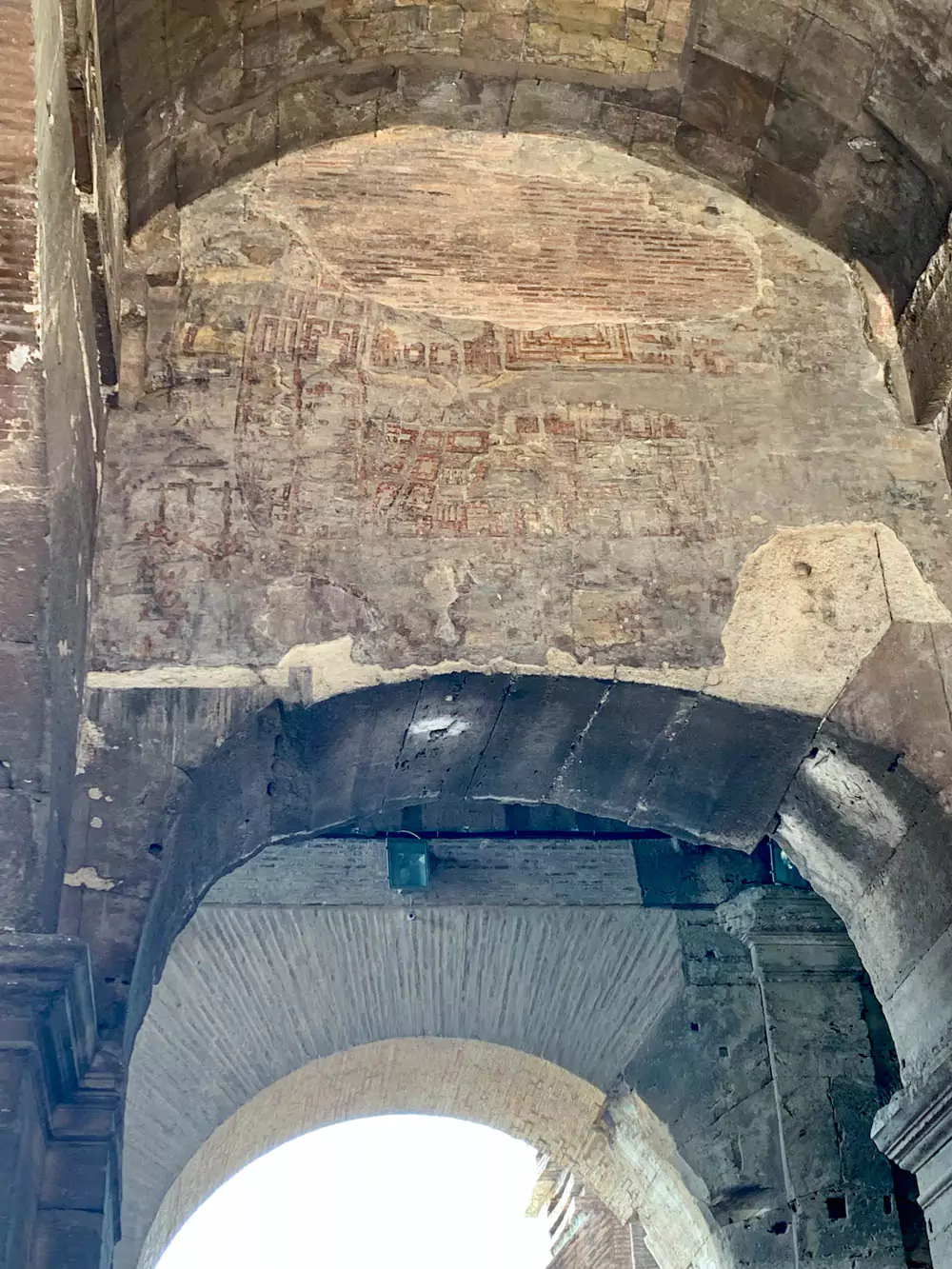
What’s Included In Your Colosseum Ticket
Standard Ticket
Includes access to the Colosseum, Roman Forum, and Palatine Hill.
Full Experience Ticket
Provides access to special areas like the arena floor, underground, and the upper levels, in addition to the standard sites.
Guided Tour Ticket
Includes a guided tour of the Colosseum, often with access to restricted areas.
The Colosseum at Night Ticket
Offers a unique experience of the Colosseum after dark, usually with fewer crowds.
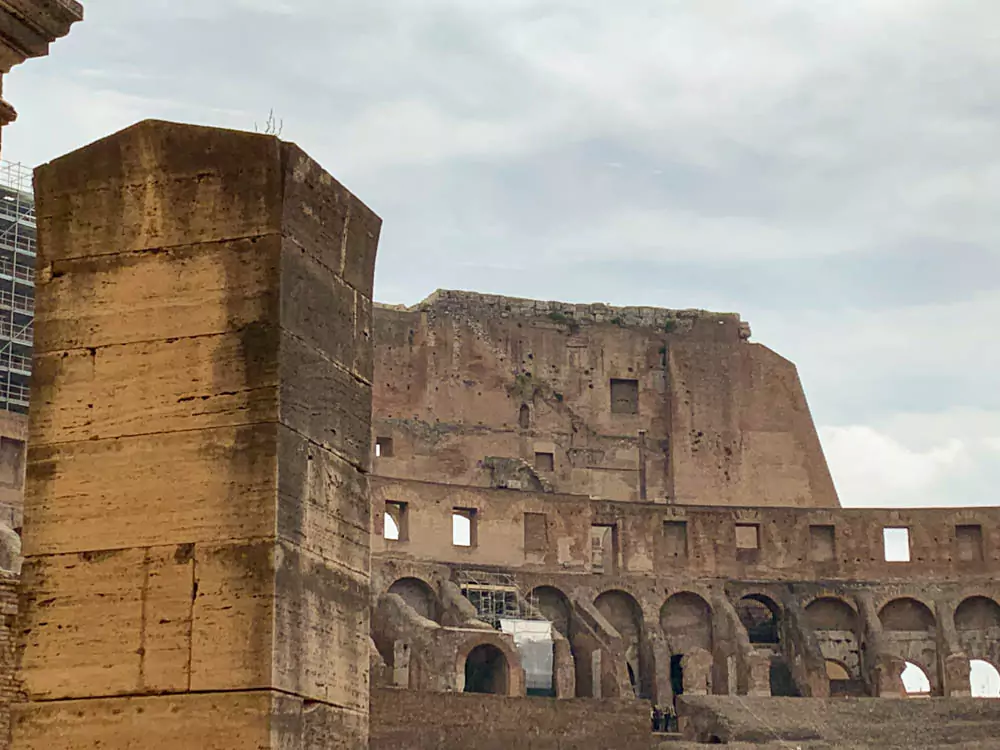
Skip the Line Tours of the Colosseum
Skip-the-line tours of the Colosseum offer a convenient way to bypass the long entry lines and make the most of your visit.
These tours often include access to special areas like the arena floor, underground chambers, and upper levels, which are not available with regular tickets.
Guided tours provide in-depth historical context and interesting anecdotes, enhancing your experience of this iconic monument.
These tours are available in various formats, including small group tours, private tours, and combined packages that include visits to the Roman Forum and Palatine Hill.

The Colosseum Opening Hours and Location
The Colosseum’s exact address is Piazza del Colosseo, 1, 00184 Rome, Italy.
The Colosseum is typically open every day of the year except for January 1st and December 25th. The opening hours vary depending on the time of year.
- January to February: 8:30 AM to 4:30 PM
- March to August: 8:30 AM to 7:15 PM
- September: 8:30 AM to 7:00 PM
- October: 8:30 AM to 6:30 PM
- November to December: 8:30 AM to 4:30 PM
It’s best to check the official website for the most current hours before visiting.

My Best Tips for Visiting the Colosseum
Best time to visit the Colosseum in Rome
The best time to visit the Colosseum is during the early morning or late afternoon to avoid the largest crowds and the midday heat. Visiting during the off-season months, like November to March, also offers a quieter experience with fewer tourists. Weekdays are generally less crowded than weekends.
If you’re visiting during peak season (April through October), consider booking a skip-the-line tour to make your experience more enjoyable and efficient. Plan ahead during those months because it’s almost impossible finding a ticket the same day you want to visit.

How much time to spend in the Colosseum
To fully explore the Colosseum, including its arena floor, underground, and upper levels, plan to spend about 1.5 to 2 hours. This allows enough time to appreciate the architecture, take in the views, and visit any exhibits or museums within the structure.
If you’re also visiting the Roman Forum and Palatine Hill with a combined ticket, you should allow an additional 2 to 3 hours to explore those sites as well.
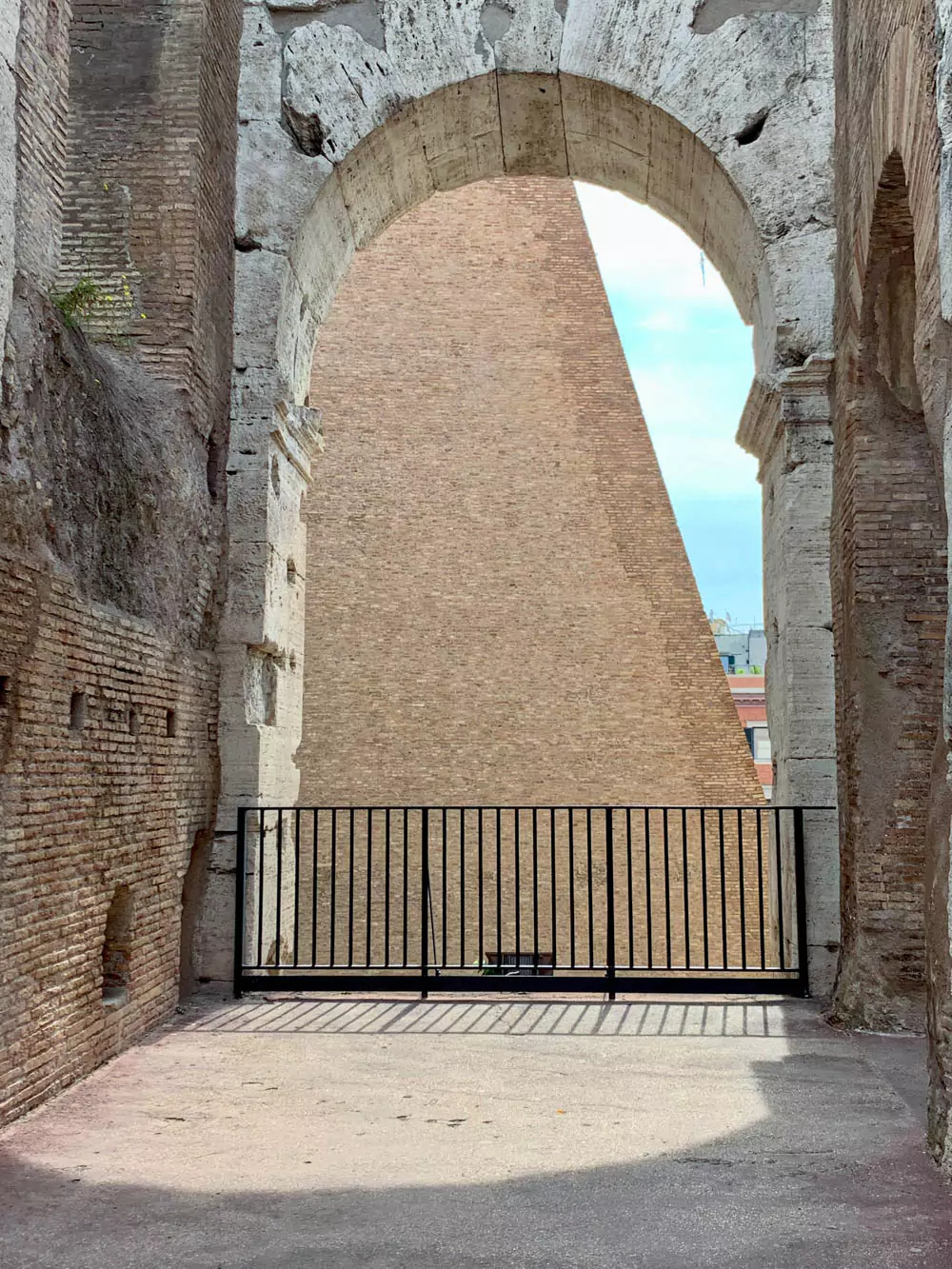
Practical Tips for Visiting the Colosseum
What to Bring
Make sure you have ID on you because your name must match the name on your tickets. Otherwise you won’t be allowed to enter!
Dress Code
The Colosseum doesn’t have a strict dress code like the Vatican, but its important to dress appropriately for the arena.
Try to wear comfortable, sensible shoes. You’ll be walking a lot (especially if you’re also visiting Palatine Hill and the Roman Forum) and climbing lots of steps.
Also, you’ll be going through security. You can bring small bags into the Colosseum, but large bags and backpacks are not allowed.
Check the Weather
Since you’ll be outside, prepare for the weather on your visit to the Colosseum. The same goes with a visit to Palatine Hill and the Roman Forum. You’ll be walking a lot and under the sun (or rain!) and it’s best to get hat, umbrella, or poncho ahead of your visit.
Colosseum special days and closures
Special Days: The Colosseum is open daily, except for December 25th and January 1st.
Free Entry Days: On the first Sunday of each month, entry is free, but expect large crowds.
Closures: The Colosseum may close early on special occasions or for maintenance, so it’s important to check ahead.
Time Slots: Tickets often require booking a specific entry time, so plan accordingly.
Attractions Near the Colosseum
Roman Forum
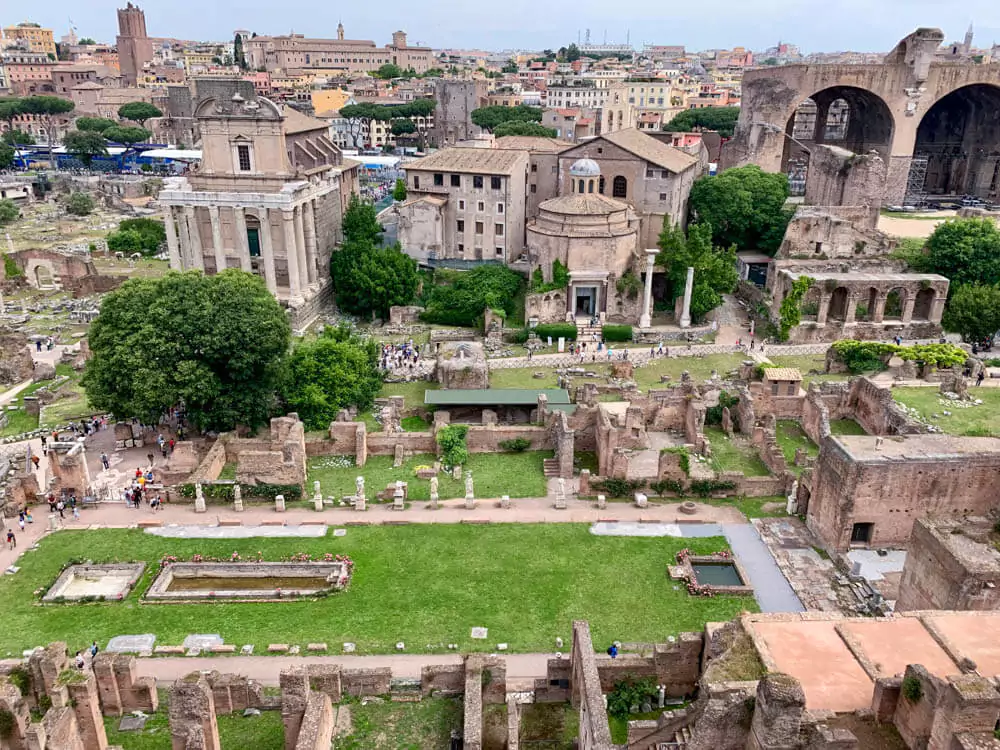
The Roman Forum was the heart of ancient Rome, serving as the center of political, commercial, and social life. It was home to important government buildings, temples, and public spaces where Romans gathered for legal proceedings, public speeches, and religious ceremonies.
Today, the Forum is a vast archaeological site filled with ruins. The ruins include the Temple of Saturn, the Arch of Titus, and the Curia (Senate House).
Palatine Hill
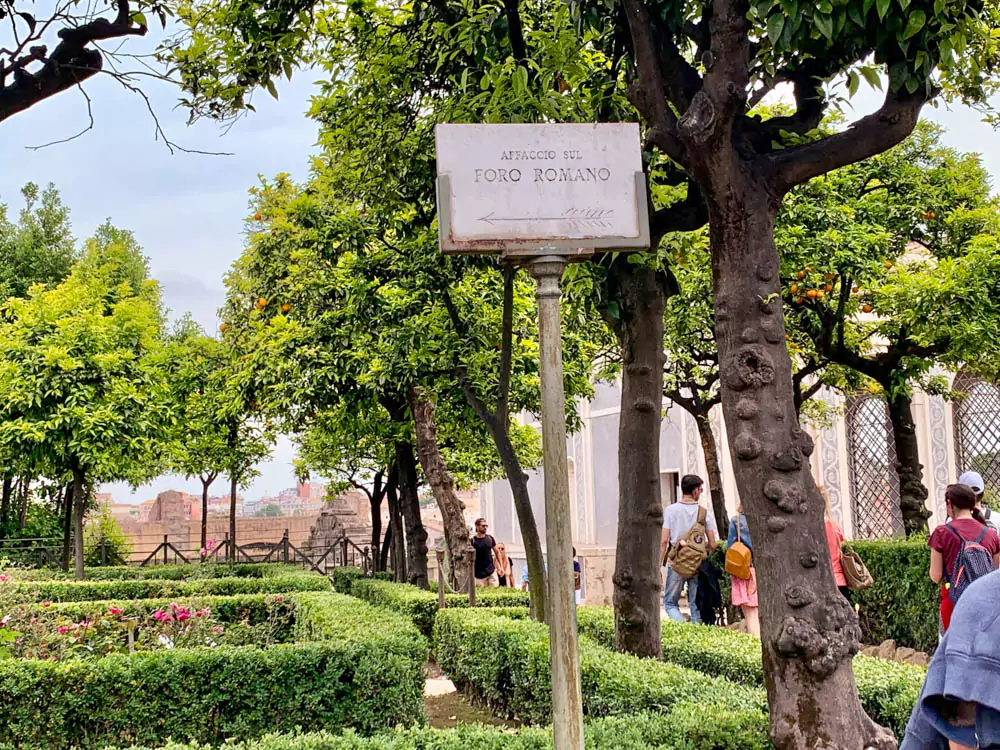
Palatine Hill is one of the most ancient parts of Rome, traditionally considered the birthplace of the city. According to Roman mythology, it is where Romulus founded Rome in 753 BC.
The hill became the preferred residential area for Roman emperors, who built grand palaces there.
Today, it’s an important archaeological site with ruins of imperial residences, temples, and gardens. You can explore these ruins while enjoying panoramic views of the Roman Forum and the city of Rome.

Arch of Constantine
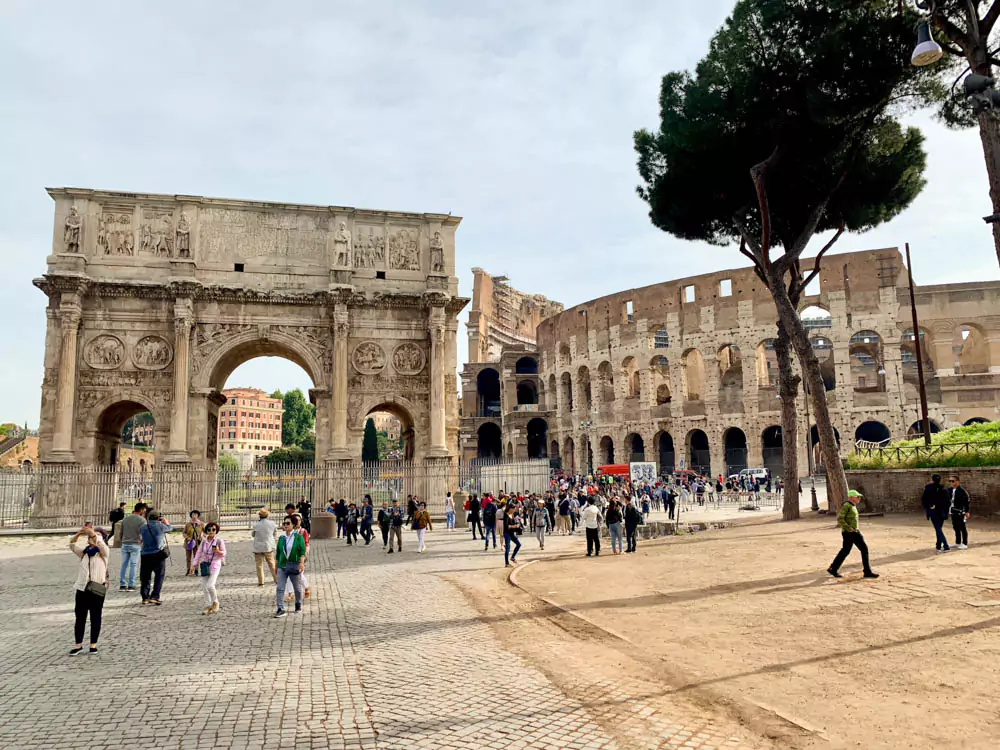
The Arch of Constantine is a triumphal arch in Rome, located between the Colosseum and Palatine Hill.
Erected in 315 AD, it commemorates Emperor Constantine’s victory over Maxentius at the Battle of Milvian Bridge in 312 AD. Standing at 21 meters tall, it is one of the best-preserved monuments from ancient Rome.
Visiting the Colosseum FAQ’s
What if Tickets are Sold Out?
If Colosseum tickets are sold out, don’t worry—there are still options! You can check for last-minute availability on official websites or try booking a guided tour, which often includes reserved entry.
Another option is to visit the Colosseum as part of a combined tour with the Roman Forum and Palatine Hill.
If all else fails, you can still view the Colosseum from the outside!
Is it worth buying Colosseum tickets without a tour guide?
Yes, buying Colosseum tickets without a tour guide can still be worth it, especially if you prefer exploring at your own pace. You can learn a lot from informational signs and audio guides available on-site.
A guided tour can provide deeper insights, historical context, and access to special areas like the underground or upper levels that are not available with standard tickets. It depends on your interest level and how much you want to learn during your visit.
Is a Rome tourist card worth it?
Whether a Rome tourist card, or Roma Pass, is worth it depends on your travel plans. The Roma Pass 48 hour pass allows you free entry to your first museum/archaeological site/experience. The Roma Pass 72 Hour Pass allows you free entry to your first two museums/archaeological sites/experiences.
The Roma Pass also offers free use of Rome’s public transportation during the length of the 48 or 72 hour pass. If you plan to visit multiple attractions covered by the card within a short time, it can save you both time and money. It really depends on how many days you’re planning to be in Rome and how many places you want to visit. You also have to be between the ages of 25-65.
Is it worth going underground at the Colosseum?
Yes, going underground at the Colosseum is definitely worth it. The underground, or hypogeum, offers a unique glimpse into the behind-the-scenes workings of the ancient amphitheater.
You can explore the tunnels and chambers where gladiators and animals were kept before entering the arena. It provides a deeper understanding of how events were staged and the complex engineering behind the spectacles.
The experience adds an extra layer of historical context and allows you to see parts of the Colosseum that are not visible from the standard areas.
Can you bring water into the Colosseum?
Yes, you can bring an empty water bottle into the Colosseum.
There are water fountains available inside where you can refill your empty bottle. Glass bottles and large containers are not allowed due to security regulations.
It’s a good idea to bring water, especially during the warmer months, as it can get hot while exploring the site.
Are there toilets in the Colosseum?
Yes, there are toilets available in the Colosseum. They are located on the ground floor near the entrance and exit areas.
It’s a good idea to use them before you start exploring, as the Colosseum is large and you might not want to interrupt your visit to find facilities.
The toilets are free to use and are typically well-maintained, catering to the large number of visitors the Colosseum receives daily.
Can you bring a purse into the Colosseum?
Yes, you can bring a purse into the Colosseum, but it must be small. Security checks are in place, and large bags, backpacks, or suitcases are not allowed. Your purse will go through a security screening, so it’s best to bring only essential items.
Are you allowed to take pictures in the Colosseum?
Yes, you are allowed to take pictures in the Colosseum. Photography is generally permitted throughout the site, including in the arena and other accessible areas.
However, the use of tripods, selfie sticks, and professional photography equipment may be restricted or require special permission.
It’s always best to be mindful of other visitors while taking photos and to follow any specific guidelines provided by the site staff.
How long is the queue in the Colosseum?
The length of the queue at the Colosseum can vary greatly depending on the time of day, the season, and whether you have a ticket in advance.
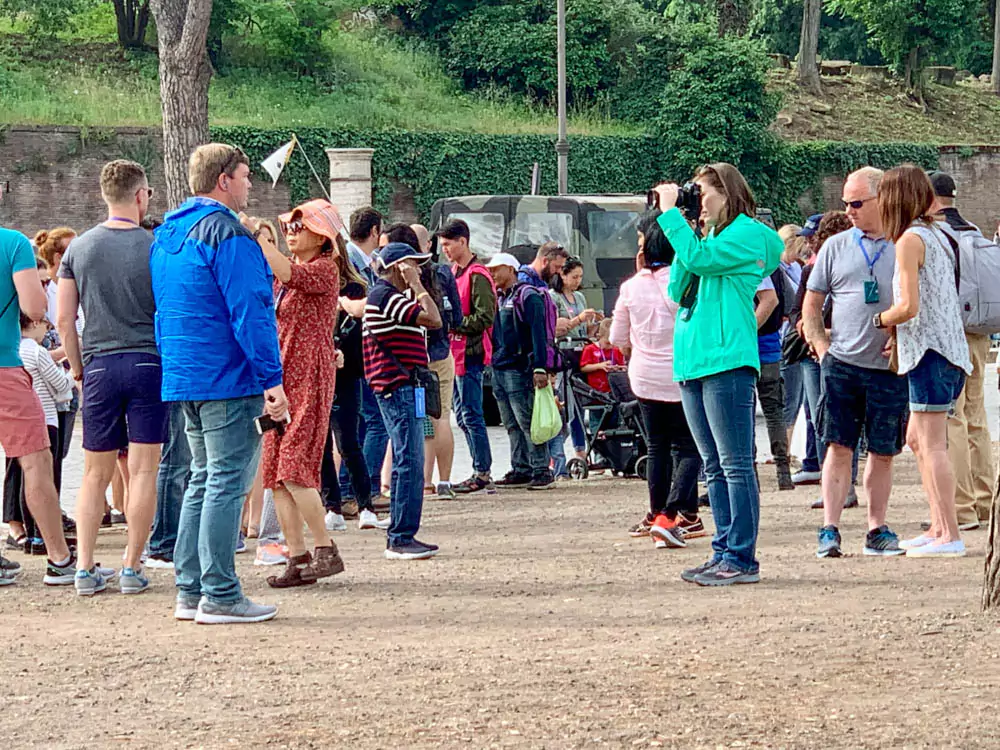
During peak tourist seasons (spring and summer), the queues can be very long, often exceeding an hour or more, especially for those without tickets. To avoid long waits, I recommend buying tickets online in advance or opt for a skip-the-line tour. Visiting early in the morning or later in the afternoon can also help reduce waiting times.

Final Thoughts on Visiting the Colosseum
Visiting the Colosseum in Rome can be both exciting and overwhelming, with its vast size and deep historical significance. Proper planning is key, including securing tickets, choosing the right tours, and knowing what to expect.
After visiting Rome a couple of times, I’ve put together this guide to help you navigate your visit, offering tips on the best times to go, how to explore special areas like the underground and upper levels, and what practical details to keep in mind.
By following my recommendations, you can fully appreciate the Colosseum’s rich history and architecture during your trip.
XOXO,
Katie
Are you planning on visiting the Colosseum? Share this guide on Pinterest!
 |
 |
More Information about Rome
Learn how to plan your time with my 2 Day Rome Itinerary. You can also find tips about visiting the Roman Forum and Palatine Hill in my detailed guide.
If you’re a budget traveler, then be sure to check out my list of free things to do in Rome. Make the most of your trip with one of these highly rated Rome hotels.
If you’re staying multiple days in Rome, then be sure to check out my list of day trips from Rome to help you explore outside of the Eternal City.
For advice on Vatican City, read my must-see attractions in Vatican City.
More Information for Your Trip to Italy
Our trip to Rome was part of a much longer trip to Italy. I created a detailed 10 day Italian Itinerary, and I also created a detailed post about our seven days in Italy.
You might also find my Italy packing list if you’re headed to Italy soon.
Learn about Naples with my post Best Things to Do in Naples. I also have a guide on how to take a day trip to Naples from Rome. If you are just beginning to research Naples, then be sure to check out my 2 Day Naples Itinerary.
And while you’re here, don’t forget to follow on Facebook, Instagram and Pinterest!
- Trains: Check Omio to search schedules and buy tickets
- Flights: Find the cheapest flights on Booking.com
- Airport transfer: Get a quote & book here
