Italy Packing List: Essential Items for Your Trip

Travel With Kinsley contains affiliate links and is a member of the Amazon Services LLC Associates Program, which means I may receive a cute little commission if you purchase through my links, at no extra cost to you. Please read full disclosure for more information.
Get your favorite outfits and have all the travel essentials ready with this Italy packing list for an exciting Italian adventure. Packing smart will help you enjoy your trip without worrying about what you might have left behind!
I’m here to ensure that when you head to the airport, you’re confident that you’ve packed everything you need for an unforgettable Italian adventure. These packing tips will help you focus on enjoying your trip rather than worrying about what to wear!
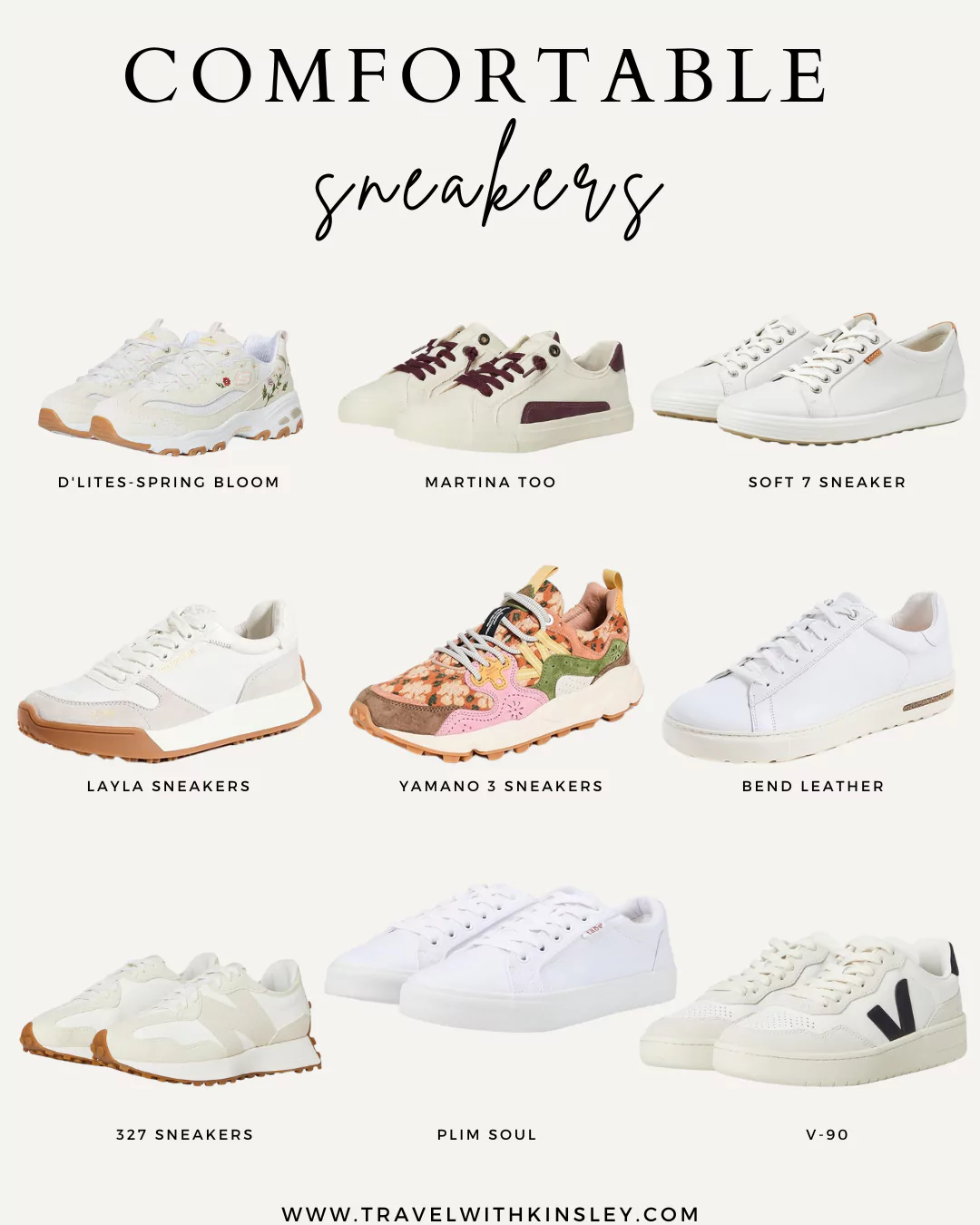
Most Important Italy Packing Tip: Pack Comfortable Shoes
Comfort doesn’t have to mean sacrificing style! Visiting sights, walking the cobbled streets, and climbing up and down stairs to get those incredible views means you need to be practical about clothing and footwear.
While summer calls for sandals, your feet might not last the day. Pairing cute white tennis shoes with a summer dress is a stylish and practical choice to take you from morning sightseeing to afternoon wine tasting.
But when you have to choose, comfort wins. Most of Italy’s picturesque squares and charming medieval towns are best to explore on foot, so you’ll want shoes that can handle the cobblestones without leaving you with blisters.
Super white athletic shoes might make you stand out as a tourist. If you’re worried about that, try to find a less athletic style, like a stylish neutral-toned sneaker.
Shop these shoes: D’Lites-Spring Bloom | Martina Too | Soft 7 Sneaker | Layla Sneakers | Yamano 3 Sneakers | Plim Soul | 327 Sneakers | Bend Leather | V-90

Italy Packing List: Packing Essentials
What to pack for Italy requires a mix of items to cover varying weather conditions, as it’s a transitional month between spring and summer.
What you pack also depends on the length of your visit. I traveled for seven days, but you could easily spend two to three days in an Italian city. I didn’t pack hair tools like a hairdryer because I didn’t want to weigh down my luggage. But if you need those things because you’re staying longer, consider checking a bag for an extended stay.
Clothing
- Lightweight Tops: Pack breathable fabrics like cotton or linen or cotton-jersey. Short sleeve shirts, tank tops, and blouses will keep you cool.
- Shorts and Skirts: Comfortable options for hot days. Midi skirts can be a stylish and practical choice for visiting churches or cultural sites that require more coverage. A pair of white linen shorts would be a great way to keep cool. A pair of denim shorts are always in my wardrobe.
- Dresses: Easy, breezy summer floral dresses are perfect for both daytime exploring and evening dining. I think this yellow floral dress would be perfect for the Amalfi Coast.
- Lightweight Pants/Jeans: Depending on the month you visit, it might be cold enough to wear pants. I like this cropped pair.
- Lightweight Sweater: Bring a lightweight sweater if you think you’re going to be getting rain while you’re there. The sweater in the photo is a wool blend sweater in a neutral color.
- Swimwear: Whether you’re heading to the coast or staying at a hotel with a pool, pack at least one or two swimsuits. Get the blue scallop one-piece.
- Cover-Up: A lightweight cover-up for the beach or pool that can also double as a casual layer.
- Comfortable Walking Shoes: Black Sandals, espadrilles, or lightweight sneakers that are stylish but can handle walking on cobblestones.
- Flip-Flops: Flip-flops are handy for the beach or poolside.
This is everything I wish I knew before planning our honeymoon in Italy.
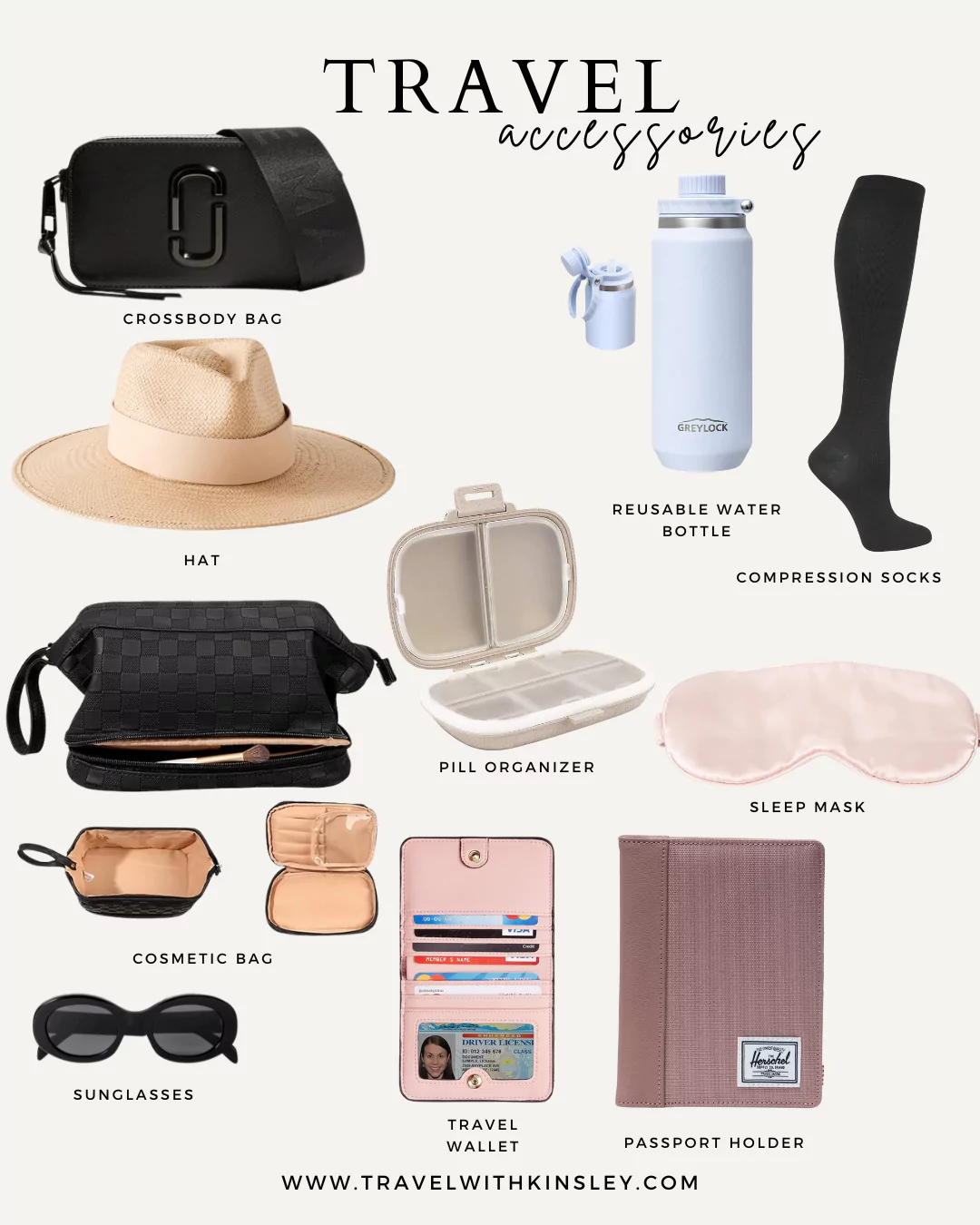
Accessories
- Crossbody Bag: A small, secure bag for carrying essentials while exploring.
- Sunglasses: Essential for protecting your eyes from the strong Italian sun. Try these oval frames or these cat-eye frames.
- Sun Hat: A wide-brimmed hat or a chic straw hat to shield your face and neck.
- Lightweight Scarf or Shawl: A scarf or a shawl wrap to bring with on visits to any churches or the Vatican.
- Reusable Water Bottle: It’s important to stay hydrated, especially in the summer heat. Many towns have public fountains where you can refill a reusable water bottle.
- Pill Organizer: This pill organizer can easily placed in your wallet, suitcase, backpack, handbag, and your coat pocket, also very convenient to carry on a trip.
- Waterproof Cosmetic Bag: This cosmetic bag 22 different colors and materials.
- Passport Holder: This passport holder has a fold-over flap with snap closure and card slots inside.
- Travel Wallet – A slim travel wallet keeps your passport, boarding passes, cards, and cash organized in one spot—ideal for moving quickly through airports and train stations in Italy. Look for one with RFID protection for extra security.
- Compression Socks – Long flights and train rides can leave your legs feeling heavy and swollen. Compression socks help improve circulation and keep you comfortable from takeoff to touchdown.
- Sleep Mask – Whether you’re on a red-eye flight or catching a mid-day nap between sightseeing, a soft sleep mask blocks out light so you can rest anywhere—planes, hotels, or even on the train to Florence.

Toiletries & Personal Items
- Sunscreen: A must-have to protect your skin from the intense sun. I like this water-based one from Goop.
- Aloe Vera Gel or After-Sun Lotion: In case of sunburn, this aloe vera will soothe your skin.
- Insect Repellent: Mosquitoes can be a nuisance in some areas, especially in the evenings. This natural insect repellent protects your skin from bug bites while intensely nourishing dry skin. Be sure to check the weather depending on which area of Italy you’ll be visiting.
- Light Makeup and Skincare: Opt for minimal makeup, as it can easily melt in the heat like this Estee Lauder Double Wear Foundation.. Don’t forget your favorite moisturizer and lip balm with SPF.
- Deodorant and Body Wipes: Keeping fresh in the summer heat is important. These body wipes from Sephora have hyaluronic acid. This Salt & Stone deodorant is An extra strength aluminum-free deodorant formulated for up to 24 hours of protection.
- Cleansing Oil – Cleansing oil melts aways impurities, pollution, and dirt, and it’s a particularly great cleansing product after a long day of sightseeing.
- Face Towels – These single-use face towels ensure that you’re using something clean on your face every night, without any accidental crossover from the bathroom towel on the counter.
- SPF Lip Balm – I love this lip balm if I’m going on longer trips – and I keep one for the plane and one in my toiletry bag.
- Hair Brush – Don’t forget a travel hair brush, hair ties, and any styling products or tools you like to use.
- Hand Cream – My hands always feel extra dry when I travel, so a small tube of hand cream is always close by.

Electronics
- Camera: If you want high-quality photos beyond what your phone can offer.
- Portable Fan: A small handheld fan can be a lifesaver in the heat.
- Universal Travel Adapter: Italy runs on 220V, while the U.S. uses 110V, meaning you’ll need to pay attention to the voltage of any appliances you bring, like flat irons or hair dryers. We recommend getting both an adapter and a converter to avoid any mishaps.
- Power Bank: A power bank is a convenient way to make sure your phone battery can keep up with your Italian exploration. When choosing a power bank for traveling, you should consider capacity, size, and charging speed.
- Portable Charger: This portable charger literally fits in your pocket.
- Airfly – An AirFly lets you connect your wireless headphones to in-flight entertainment systems that only have a headphone jack. Perfect for long-haul flights to Italy so you can watch movies without those uncomfortable airline earbuds.
- Digital Luggage Scale – A compact digital luggage scale saves you from overweight baggage fees—especially handy if you plan on bringing back bottles of Italian wine, ceramics, or leather goods.
- Bose Headphones – Noise-canceling Bose headphones are a lifesaver on planes, trains, and busy Italian piazzas. Block out the background noise, enjoy your playlist, or catch up on podcasts while you travel in comfort.
Travel Documents
- Passport: Ensure it’s valid for at least six months beyond your travel dates.
- Travel Insurance: Always good to have in case of emergencies.
- Copies of Important Documents: Keep digital and physical copies of your passport, travel itinerary, and hotel reservations.
Travel Accessories for Italy
- Lightweight Backpack: For day trips or carrying extra items like water and snacks.
- Swim Shoes: Useful if you plan to visit rocky beaches.
- Guidebook or Map: Even though you’ll likely use your phone, having a physical map can be handy in areas with limited reception.
- Packable Umbrella or Rain Poncho: Though rare, summer storms can pop up, especially in the north.
- Wet Bag: If you’re packing a swimsuit, don’t forget a wet bag! This can also come in handy if you end up experiencing lots of rain.
Long train rides call for a good book. Check out this list of books set in Italy to bring a bit of Italy with you everywhere.

Lemons for Amalfi
Shop the items: For the Love of Lemons | Lemon romper | Ciao Dress | Lemon airpods case | Lemon Wallpaper | iPhone 16 Pro Max Case in Lemon Gingham | Lemon keychain| Leather Zipper coin purse | Lemon Cardigan | Lemon Block Heel Sandal
Printable Packing List for Italy
Just right-click and save the image to your laptop for an easy packing list for Italy!

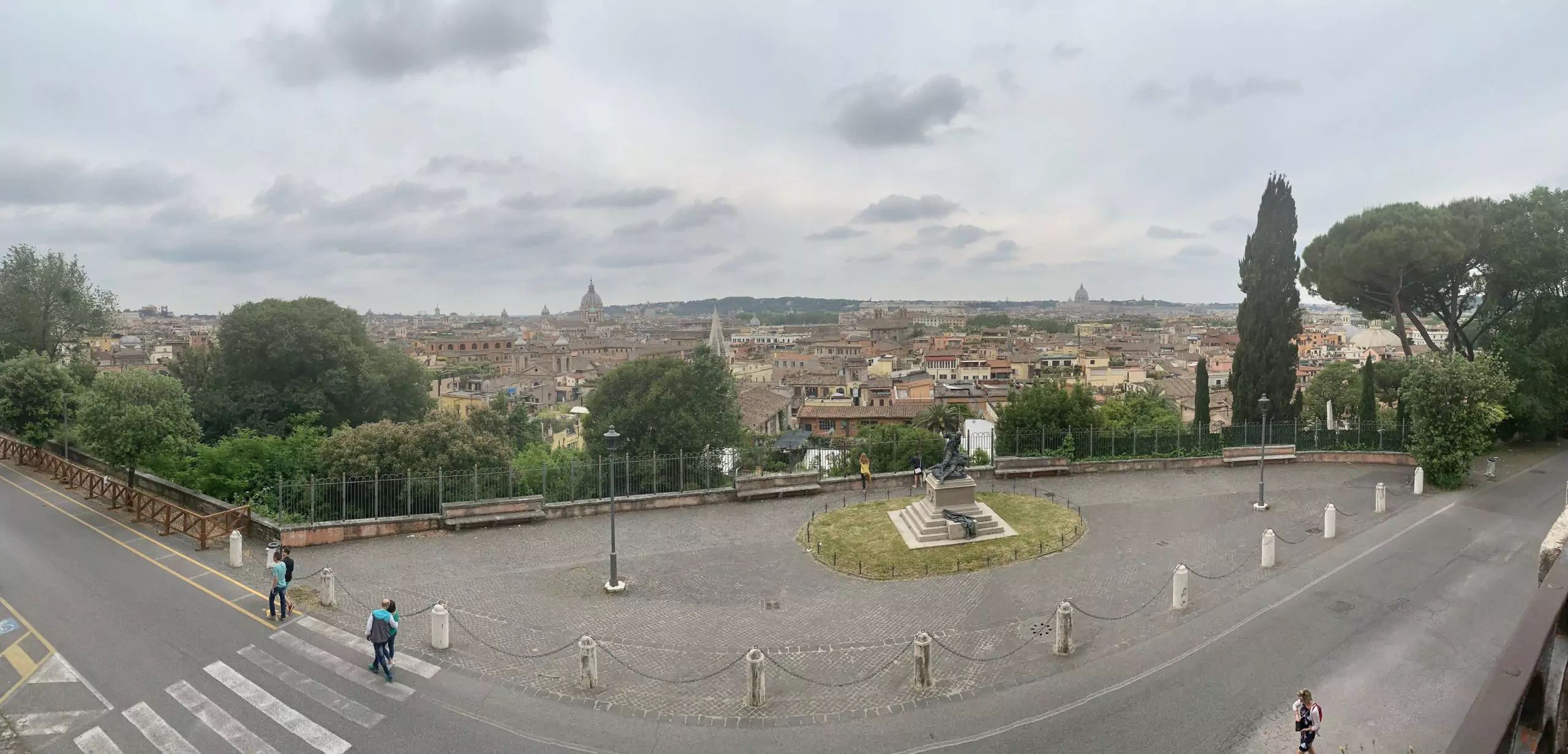
What are the dress codes in Italy?
Italians are known for their sense of style; even in casual settings, people tend to dress well. This means that “smart casual” is often the baseline for daily wear. Think of well-fitted jeans or trousers, stylish tops, and comfortable yet polished shoes. Avoid overly casual items like baggy shorts, flip-flops, or worn-out clothes unless you’re at the beach.
Italians often favor neutral tones, classic patterns, and well-tailored clothes. While you can certainly incorporate bright colors, you’ll notice that many locals prefer subdued, elegant hues.
Accessories are a big part of the Italian style. A well-chosen scarf, quality leather handbag, or stylish sunglasses can elevate your outfit. In general, opt for minimal yet chic accessories.
If you need a little style inspiration, check out this list of movies set in Italy. I’m sure watching Under the Tuscan Sun can make you run to the store to find the perfect white dress for a visit to Positano!

What to Wear at Churches and Religious Sites in Italy
When visiting churches or religious sites, it’s important to cover your shoulders. Women can carry a scarf or shawl to drape over their shoulders if they’re wearing a sleeveless top.
Both men and women should wear clothing that covers the knees. This is especially important in more famous churches like St. Peter’s Basilica in the Vatican. It’s respectful to remove hats when entering a church.
While Italians appreciate fashion, they also emphasize modesty, especially in more traditional or religious settings. Revealing clothing, such as very short shorts, plunging necklines, or sheer fabrics, might be frowned upon in specific contexts.
What to Wear Dining Out in Italy
For casual trattorias or pizzerias, neat casual attire is fine. However, for more upscale restaurants, men might wear a collared shirt and women a dress or stylish blouse with trousers or a skirt. Avoid overly casual wear like athletic gear, flip-flops, or beachwear.
Italians often dress up more for dinner, especially in the evening. For a fine dining experience, you might see men in jackets and women in elegant dresses or outfits.
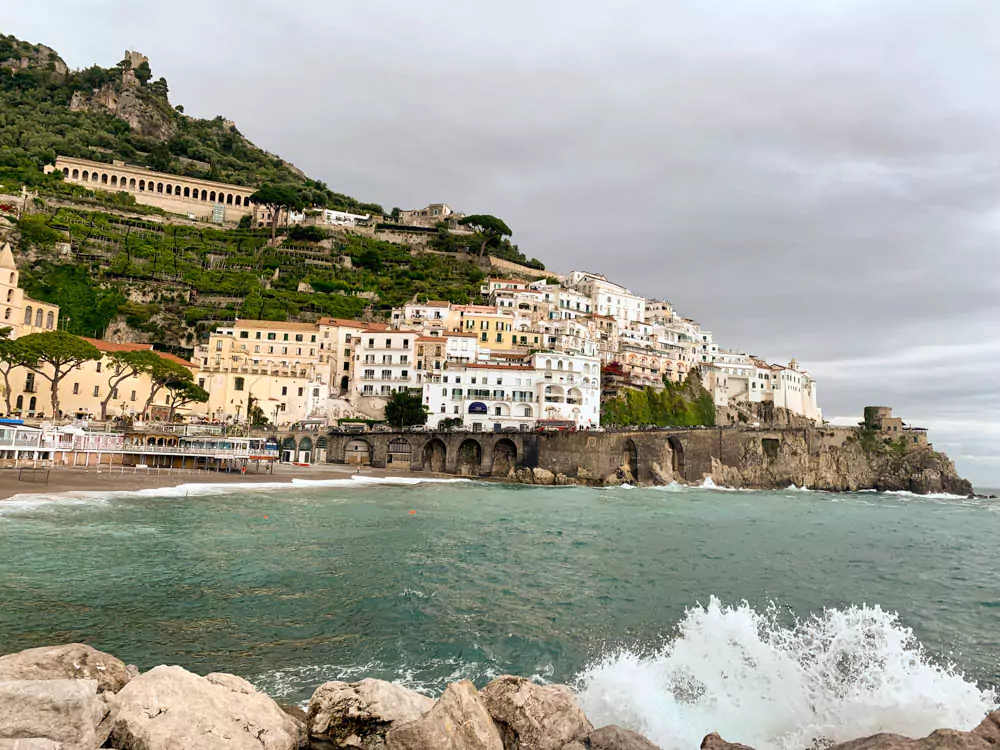
What to Wear at a Beach in Italy
It’s fine to wear swimwear at the beach, but walking around town in just a swimsuit is considered inappropriate. If you plan to leave the beach area, bring a cover-up, like a sundress or a shirt and shorts.
While not illegal, topless sunbathing is less common and generally not part of Italian beach culture, especially in more conservative areas.
What to Wear when sightseeing in Italy
Comfortable shoes are essential when sightseeing due to the cobblestone streets, but they should still look neat and stylish. Avoid overly athletic-looking sneakers in favor of leather loafers, flats, or stylish walking shoes.
The weather can change throughout the day, especially in spring and fall, so layering is key. A light jacket or cardigan is often useful.

Packing Tips for Italy
Check the Weather Before You Pack
Choosing the right app or website to check the weather can make all the difference in packing appropriately for your trip. After years of travel to Italy, we’ve found Accuweather to be the most reliable. We had sunny weather, then we had weather with torrential rain pours (think wet shoes and socks).
Pack Layers for Spring and Fall
Are you traveling to Italy in the spring or fall? Take this tip seriously! The weather during these seasons can be a bit unpredictable, with warm days that turn cooler after sunset. I recommend packing items that are easy to layer, such as cardigans, sweaters, scarves, or pullovers.
It was so warm on our visit to Rome in May that we had to ask for a fan in our hotel. Europeans only sometimes have air-conditioning on until the hottest days of summer hit (if they have it at all).
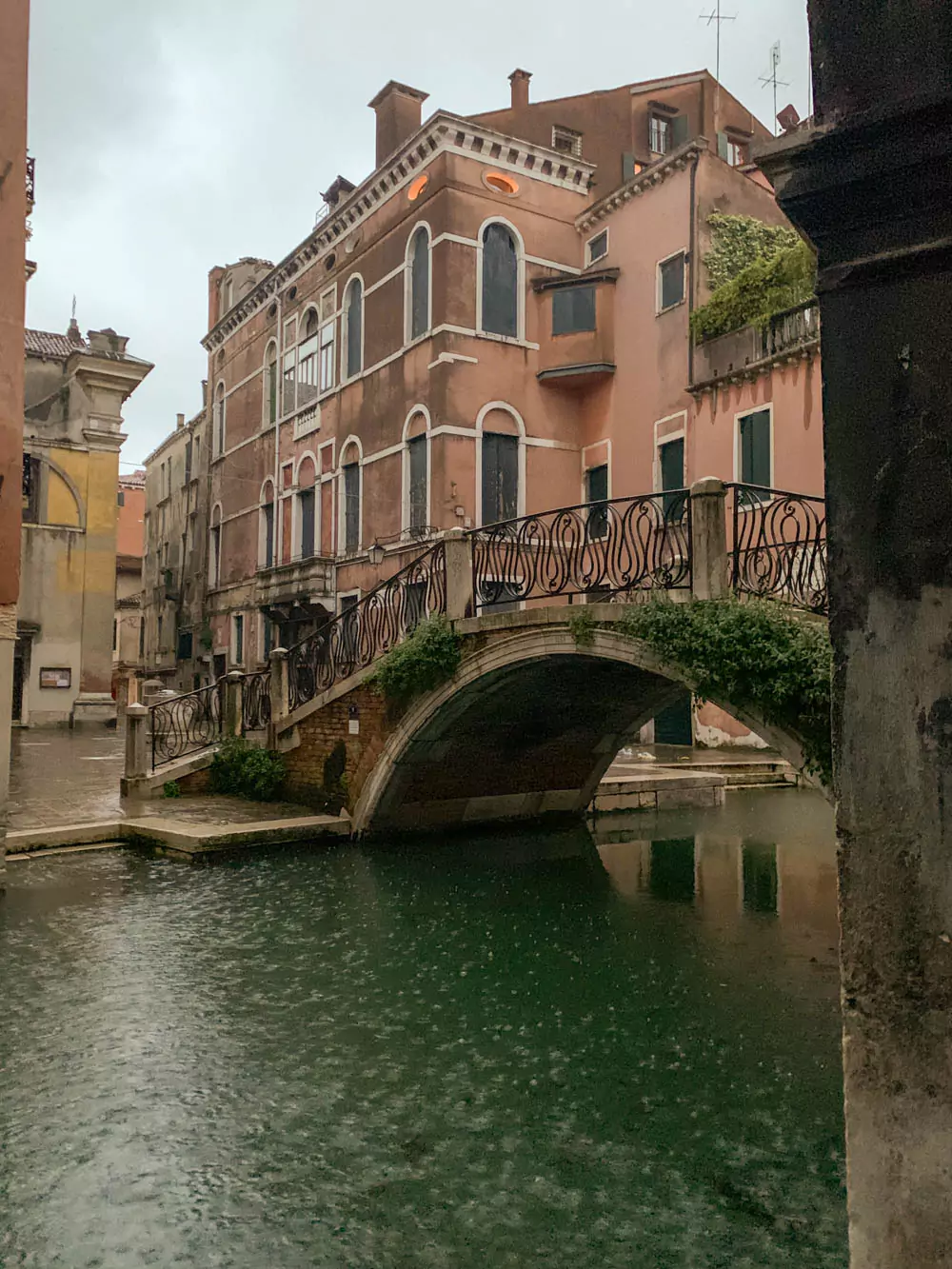
By the time we made it to Venice, it was raining and cold. Our feet were soaked, so I also recommend bringing a bag to store wet clothes!
Pack Versatile Pieces
You’ll want to strike the perfect balance between stylish and comfortable in Italy. Italians are known for dressing up, even for a simple stroll to the piazza, so keep that in mind when packing. Opt for smart-casual outfits and leave the workout clothes at home.
Men should consider packing collared shirts, polos, knee-length shorts for summer, and pants for fall. For women, it’s time to swap out the yoga pants for midi to maxi dresses, cardigans, and statement earrings to dress up any outfit for a night out.
You’ll probably be walking through the winding streets of Venice, hiking through the Dolomites, or wine tasting in the Italian countryside. Since you’ll be doing various activities, we recommend packing pieces that can be mixed and matched throughout your trip.
I believe that in order to pack efficiently, you must add pieces you can mix and match throughout your trip. I also re-wear some pieces, like cardigans, on multiple days.
Plan Your Outfits in Advance
Want to make your life easier while traveling? Plan your outfits at home instead of tossing random items into your suitcase. You’ll end up not wearing half of them!
We’ve all had that nothing to wear moment on vacation. You bought a cute top, but no matching bottoms, and your outfit options are suddenly dwindling. That’s why it’s crucial to pack with intention!
Start by reviewing your itinerary and plan your outfits based on your activities. Whether you’ll be exploring town squares, truffle hunting, swimming, visiting cathedrals, or touring historic sites, each activity may require a different outfit. The last thing you want is to be halfway across the world with nothing to wear for a sunset dinner or a day at the beach!
If you’re unsure what to do on your vacation, here’s a list of things to do in Rome, things to do in Naples, and things to do in Venice. This should give you a good idea of how you want to spend your time in a few different cities.
Also, try to take your outfits from day to night looks in case a tour runs late and you can’t stop back at the hotel to change before heading out again.
Mind Your Luggage
Dragging a heavy suitcase around Italy can dampen your vacation, especially if you plan to travel by train. Before you leave, make sure you can easily lift your luggage up and down stairs so you won’t struggle when catching a train or making your next connection. I like to travel with this tote bag that easily fits on my luggage.
We were able to pack everything into two carry-ons. But if you’re a shopper, consider bringing a larger bag to check if you get home souvenirs. You’ll also need to keep track of the weight of your luggage, depending on how much you buy during your trip! You can buy one of these nifty luggage weight scales on Amazon to take with you.
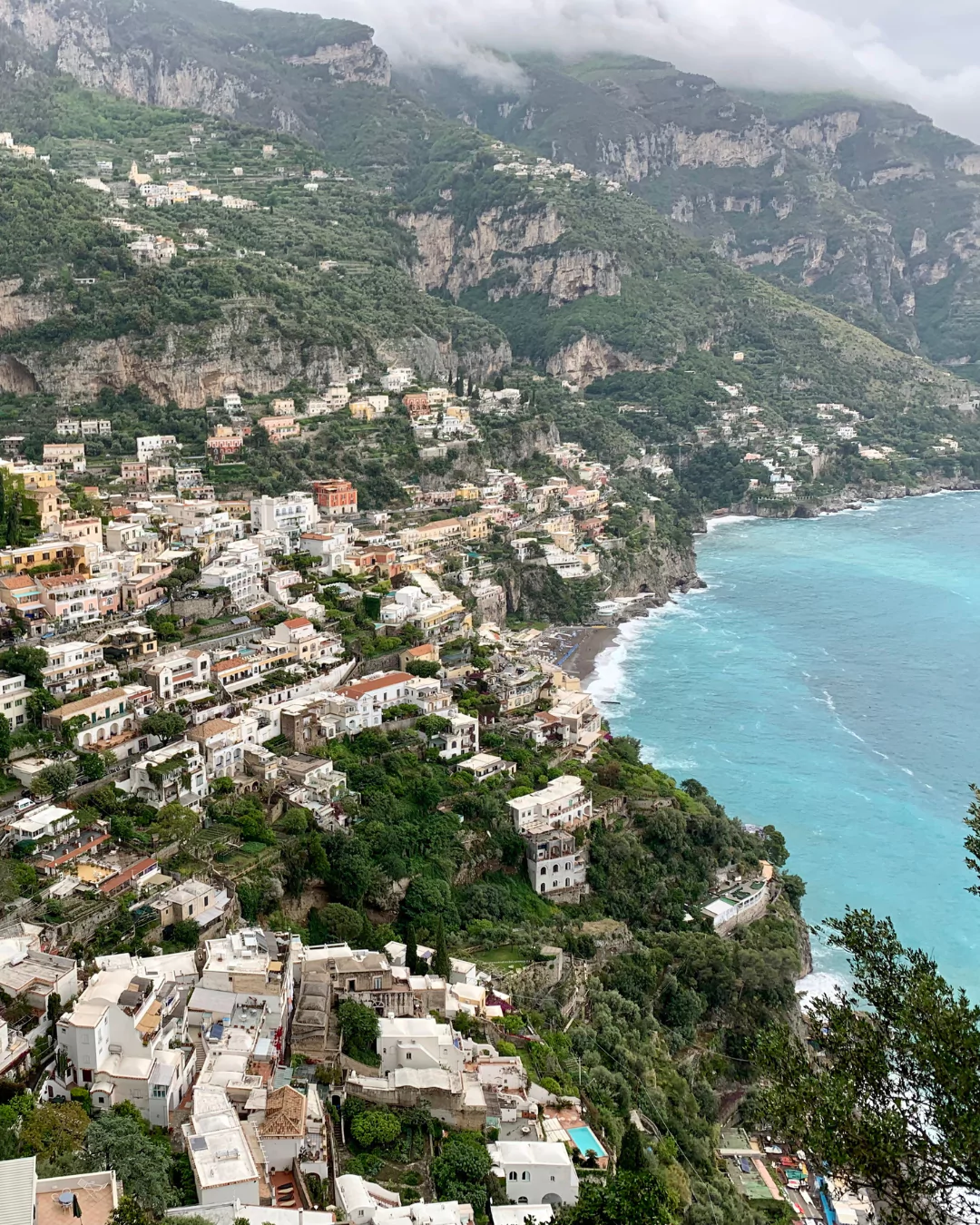
What’s the weather like in Italy?
Italy’s weather is generally seen as one of its many charms, contributing to its appeal as a top travel destination. The combination of scenic landscapes, historic cities, and pleasant weather makes it an attractive place to visit year-round.
Some Americans might struggle with the lack of air conditioning in older buildings during the summer or the cooler, damp conditions in the north during winter. However, these are usually seen as minor trade-offs for the overall experience of visiting Italy.
The weather in Italy varies significantly depending on the region and time of year, given the country’s diverse geography, which includes mountains, coastlines, and rolling countryside. Here’s a general overview of the weather you can expect in different parts of Italy throughout the year:
Spring (March to May)
Spring showers and the cooler autumn evenings can catch some Americans off guard, but these are generally seen as minor inconveniences.
Lightweight fabrics like cotton and linen are ideal. Opt for breathable, loose clothing that still looks put-together. Avoid wearing overly casual shorts or tank tops unless at the beach.
- Northern Italy (Milan, Venice, Turin): Early spring can be cool and damp, with temperatures ranging from 45°F to 60°F (7°C to 15°C). By May, it warms up to around 60°F to 75°F (15°C to 24°C).
- Central Italy (Rome, Florence, Tuscany): Mild temperatures start around 50°F to 65°F (10°C to 18°C) in March, climbing to 60°F to 75°F (15°C to 24°C) in May. Expect occasional rain showers.
- Southern Italy (Naples, Sicily, Puglia): Spring is warmer, with temperatures from 55°F to 70°F (13°C to 21°C) in March, reaching 65°F to 80°F (18°C to 27°C) by May.
Summer (June to August)
Many Americans love Italy’s warm and sunny summers, especially those from colder or more temperate climates. Spending time on the Amalfi Coast, Tuscany, or Rome during the summer is highly appealing, as it offers a classic Mediterranean experience with plenty of sunshine, beautiful beaches, and outdoor dining.
Some Americans might find the summer heat, especially in cities like Rome and Florence, to be intense or overwhelming. The lack of air conditioning in some older buildings can be surprising, especially for those in climate-controlled environments. Your Italy packing list should reflect many layered pieces to help with the varying degrees.
- Northern Italy: Warm to hot, with temperatures ranging from 70°F to 85°F (21°C to 29°C). Cities like Milan and Venice can be humid.
- Central Italy: Summer is hot, with temperatures often hitting 85°F to 95°F (29°C to 35°C). Rome, in particular, can feel quite hot due to the urban heat.
- Southern Italy: Even hotter, with temperatures ranging from 85°F to 100°F (29°C to 38°C). Coastal areas benefit from sea breezes, making them more comfortable.
Autumn (September to November)
Many Americans see spring and autumn as the perfect times to visit Italy. The weather is generally mild and comfortable, making it ideal for sightseeing, wine tasting, and outdoor activities. These seasons are often considered the best for avoiding the summer crowds while still enjoying great weather.
- Northern Italy: September can still feel summery with temperatures around 65°F to 75°F (18°C to 24°C), but it cools down to 45°F to 60°F (7°C to 15°C) by November. Expect more rainfall as the season progresses.
- Central Italy: Early autumn is pleasant, with temperatures around 70°F to 80°F (21°C to 27°C) in September, dropping to 50°F to 65°F (10°C to 18°C) by November.
- Southern Italy: September remains warm with temperatures from 75°F to 85°F (24°C to 29°C), but by November, it cools down to 55°F to 70°F (13°C to 21°C).
Winter (December to February)
Italy’s mild winters, particularly in the south and along the coasts, are a welcome change for Americans from colder regions. The idea of a winter trip to Italy, where temperatures are still comfortable enough to explore outdoor attractions, is very appealing.
Americans expecting a “winter wonderland” experience might be disappointed, especially in the southern parts of the country, where snow is rare. However, those heading to the Alps for skiing usually find the snowy conditions just right.
Italians favor well-tailored coats, scarves, and boots in the colder months. Even in winter, the focus is on looking stylish and polished, so consider bringing a good coat and stylish accessories.
- Northern Italy: Winters are cold, especially in the Alps and the Po Valley. Temperatures range from 30°F to 45°F (-1°C to 7°C), with snowfall common in the mountains.
- Central Italy: Milder winters with temperatures from 40°F to 55°F (4°C to 13°C). Rome and Florence can be chilly but rarely freezing.
- Southern Italy: Winters are mild, especially along the coast, with temperatures ranging from 50°F to 60°F (10°C to 16°C). Inland areas can be cooler, but snow is rare.
What not to wear in Italy
- Athletic Wear in Non-Athletic Settings – Italians typically reserve athletic wear for exercise. Wearing it in other settings, such as sightseeing or dining out, can make you stand out as a tourist.
- Beachwear Away from the Beach – Walking around town or sitting in a café in beachwear is considered inappropriate. Always wear a cover-up when leaving the beach area.
- Flip-Flops and Casual Sandals – flip-flops are seen as beachwear and are not suitable for city walking or more formal settings. Opt for stylish flats, sandals, or loafers instead.
- Baggy or Ill-Fitting Clothes – Italians value well-tailored, neat clothing. Baggy or shapeless attire can be careless and is generally not the norm.
- Shorts in Urban and Cultural Settings – While shorts are acceptable in beach towns and very casual settings, they are less common in cities like Rome or Florence, especially when visiting churches or more formal venues. Men and women should consider longer, tailored shorts if they choose to wear them.
- Revealing Clothing – Italy, particularly in more traditional areas, values modesty, especially in churches or religious sites where covering your shoulders and knees is expected. Revealing clothing can be seen as disrespectful in these contexts.
- Excessive Logos or Loud Patterns – Italians tend to favor subtle elegance and classic styles over flashy or overly branded attire. Simple, well-made clothing is preferred.
- Heavy, Thick Fabrics in Summer – Italy can get extremely hot in the summer, and heavy fabrics will not only make you uncomfortable. Still, they will also stand out as inappropriate for the season.
- Offensive or Inappropriate Slogans – Such clothing can be seen as disrespectful, especially in more conservative areas or when visiting historical or religious sites.
- Visible Underwear – Visible underwear is generally considered inappropriate and can come across as disrespectful, especially in more conservative or formal settings.
Final Thoughts
Packing doesn’t have to be a chore. With a bit of planning and insider knowledge, you’ll be ready to visit Italy for seven days or even stay in Italy for 10 days stress-free, prepared for the adventure of a lifetime!
Thank you for reading this Italy packing list! I hope these travel tips help you figure out what to pack for your Italian vacation.
If you have any questions, let me know in the comments below!
P.S. Shop this post!

