Visiting Dachau Concentration Camp Memorial

Travel With Kinsley contains affiliate links and is a member of the Amazon Services LLC Associates Program, which means I may receive a cute little commission if you purchase through my links, at no extra cost to you. Please read full disclosure for more information.
A Dachau Concentration Camp Memorial visit is a deeply moving and sobering experience.
Located just 16 km from Munich, Dachau was the first Nazi concentration camp, established in 1933. Initially used for political prisoners, it became a model for other camps and a site of horrific suffering, where over 41,500 people lost their lives before its liberation in 1945.
Today, the Dachau Memorial Site stands as a place of remembrance, education, and reflection, ensuring that the atrocities committed here are never forgotten. Walking through the barracks, execution sites, and museum exhibits, visitors gain a firsthand understanding of the camp’s brutal history. It’s not an easy visit, but it’s important—a chance to honor the victims and learn from the past.
This guide provides everything you need to know about visiting Dachau, including how to get there, what to see, practical tips, and how to prepare for the emotional impact of the visit. Whether you’re a history enthusiast, a student, or someone who wants to witness this chapter of history, this guide will help you navigate your visit with respect and understanding.
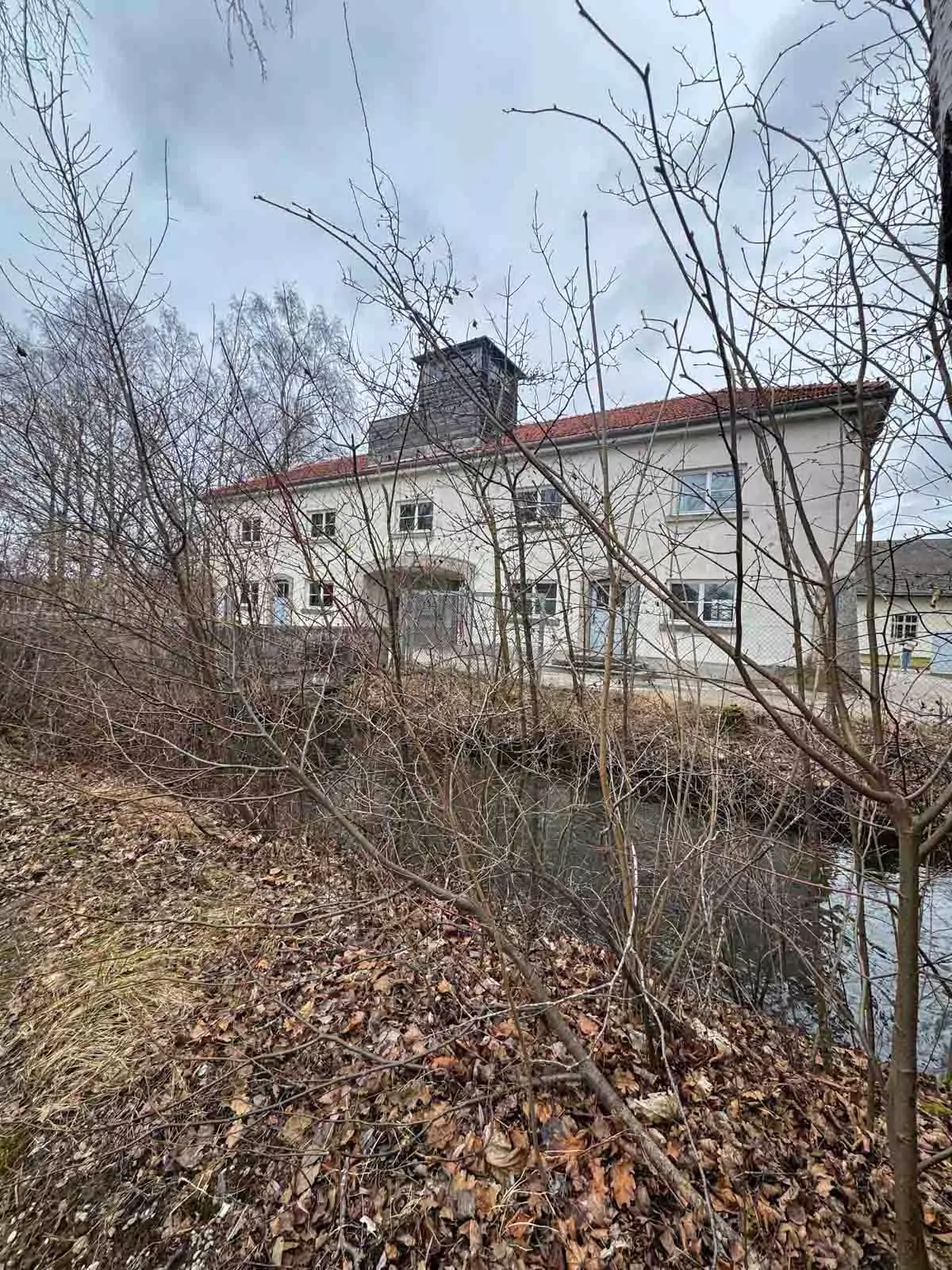
Why Visit Dachau?
Established in 1933, Dachau was the first Nazi concentration camp and became the blueprint for all other camps under Hitler’s regime.
Initially used for political prisoners, it later imprisoned thousands of Jews, Romani people, clergy, LGBTQ+ individuals, and others targeted by the Nazis.
By the time the camp was liberated in April 1945, over 41,500 prisoners had lost their lives due to inhumane conditions, forced labor, executions, and medical experiments.
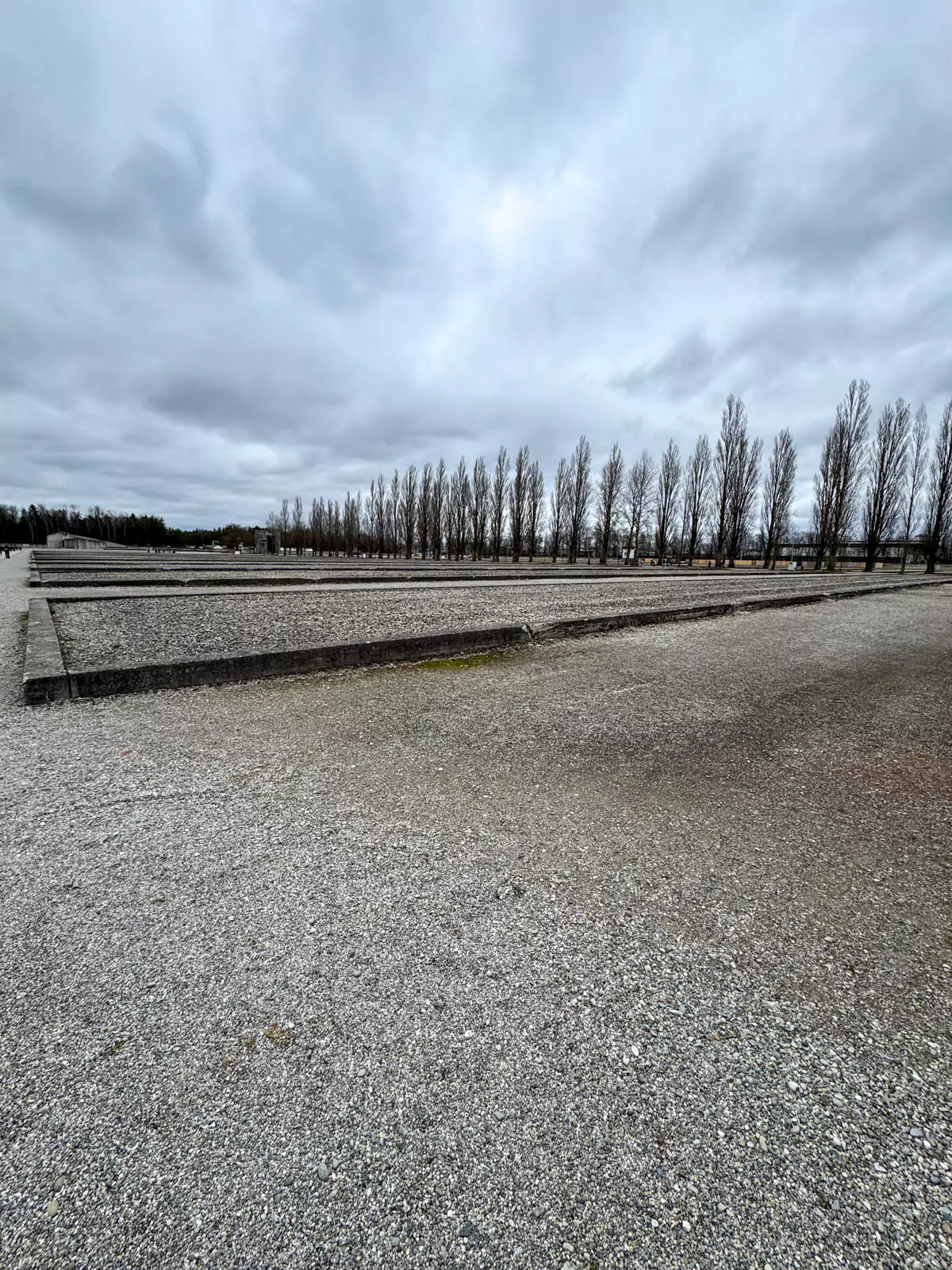
A Place of Remembrance
Today, Dachau serves as a solemn memorial and museum, preserving the memory of those who suffered and perished.
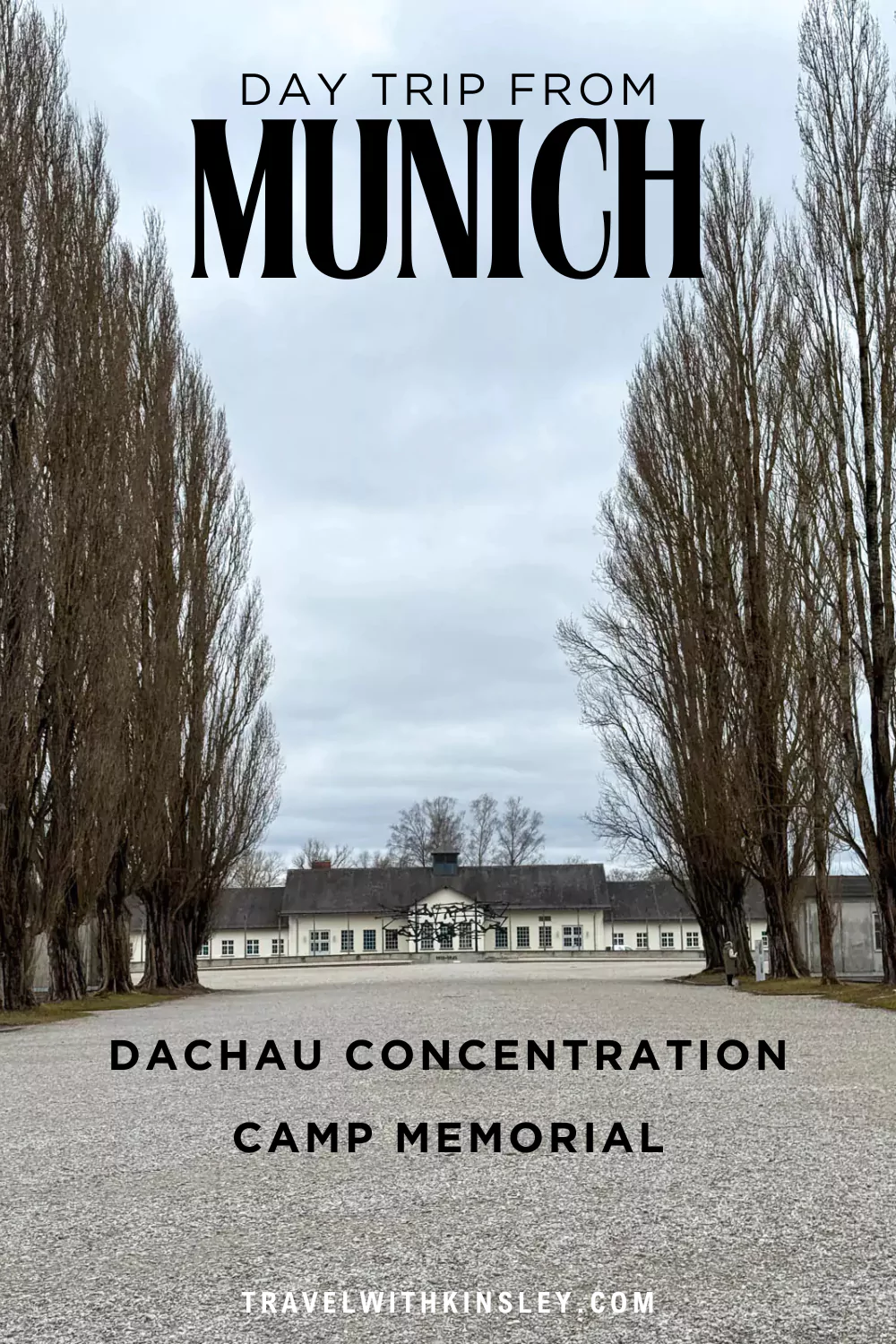
Walking through the barracks, roll call square, and crematorium, visitors gain a firsthand understanding of the horrors that unfolded here.
Through museum exhibits, survivor testimonies, and original camp structures, the site ensures that future generations learn from the past and that the victims are never forgotten.
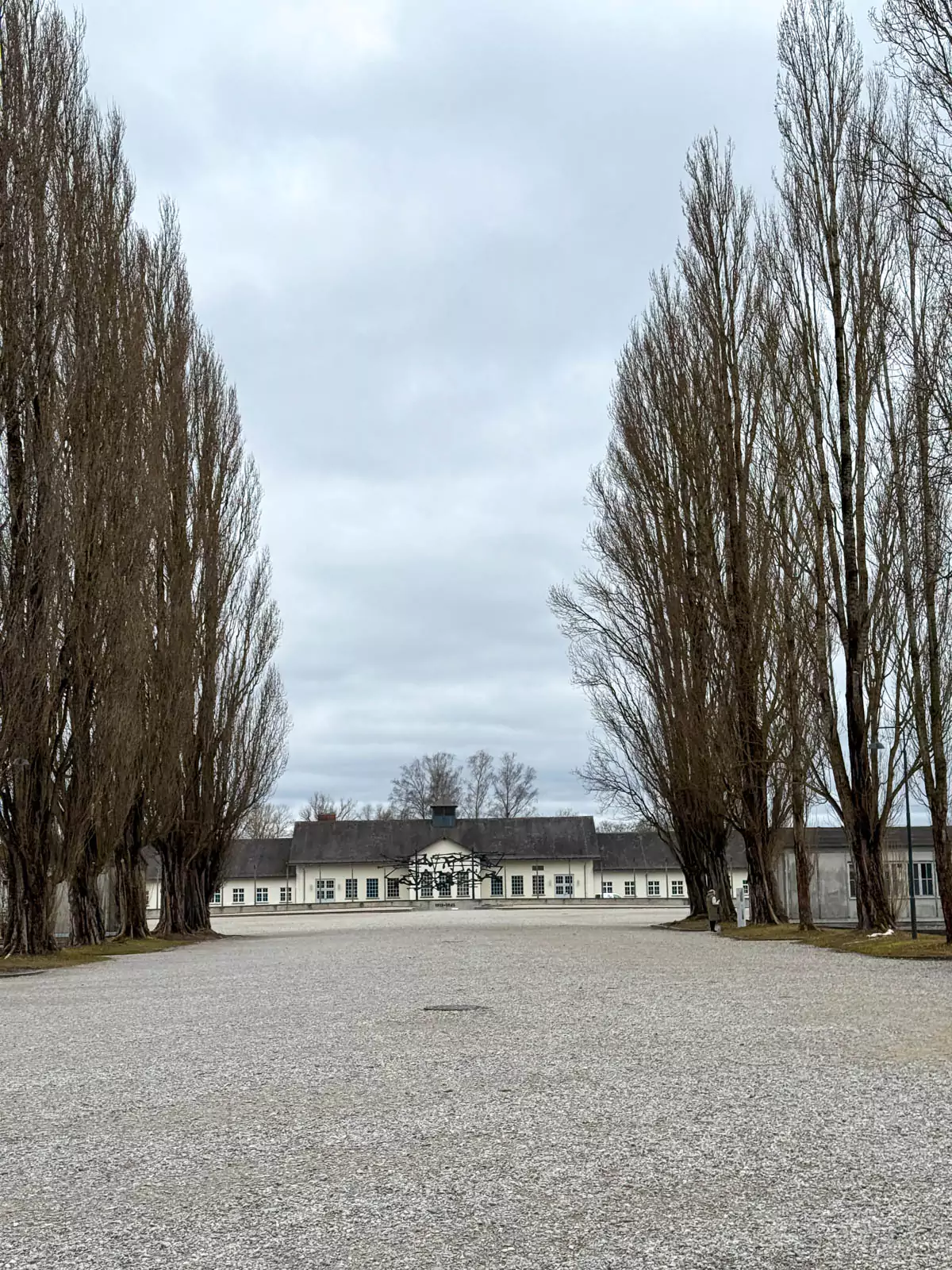
Why It’s Important to Visit
A visit to Dachau is not just about learning history—it’s about remembering and honoring the victims while reflecting on the dangers of totalitarianism, racism, and intolerance.
Standing on the same ground where thousands suffered and perished fosters a deeper appreciation for human rights, resilience, and the importance of never allowing history to repeat itself.
Dachau is not a typical tourist attraction—it is a memorial site that requires respect and reflection. Whether you are a history enthusiast, a student, or someone seeking to understand one of the darkest chapters in human history, visiting Dachau is an opportunity for deep learning, remembrance, and tribute to those who endured unimaginable suffering.
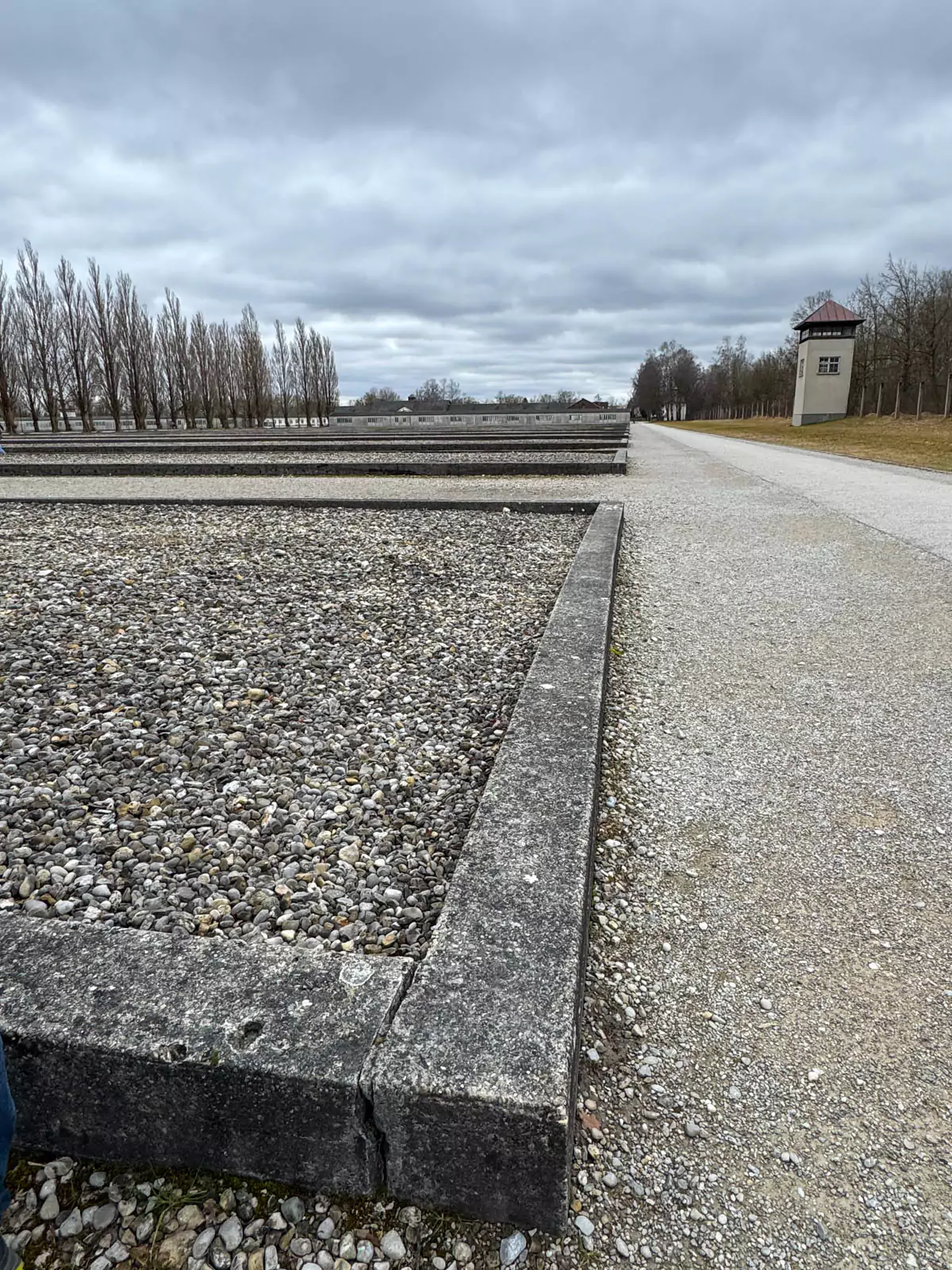
Practical Information for Visitors
Visiting Dachau Concentration Camp Memorial requires some planning to ensure a smooth and respectful experience. Here’s everything you need to know before your visit.
How to Get There
From Munich (~16 km)
Dachau is located just outside of Munich, making it an easy day trip. There are several ways to reach the memorial.
I was staying in Nuremberg when I visited, so I booked a private shuttle that picked me up from the hotel. It was around a 8-hour day with travel and a guided tour.
Public Transport (Recommended Option)
- Take the S2 S-Bahn train from Munich Hauptbahnhof (Main Train Station) toward Petershausen.
- Get off at Dachau Bahnhof (Dachau Train Station) (approximately 20 minutes).
- From the station, take Bus 726 to Dachau Memorial Site (about 10 minutes).
💡 Tip: The Bayern Ticket (valid for unlimited regional travel for a day) can be used for this journey.
Guided Tours from Munich
- Many tour operators offer half-day or full-day guided tours that include transport from Munich.
- Guided tours typically provide historical context on the way and include a professional guide.
- Recommended if you prefer structured learning rather than self-exploration.
By Car
- Dachau is about a 25-minute drive from central Munich.
- Parking is available at the memorial site for a small fee (€3-5 for cars, €10 for buses).
- Driving is convenient but public transport is often more practical due to parking limitations.
Ticketing & Entry
Admission Fees
- Free entry for all visitors, as Dachau is a memorial site, not a tourist attraction.
- Donations are encouraged to support preservation efforts.
Opening Hours
- Open daily from 9:00 AM – 5:00 PM.
- Closed on December 24th.
- Best to arrive early to avoid crowds.
Do You Need to Book in Advance?
- Self-guided visits: No reservation needed.
- Guided tours: Highly recommended to book in advance, especially in peak season (April–October).
- Official tours can be booked through the Dachau Memorial’s website.
📍 Official Website for Booking: https://www.kz-gedenkstaette-dachau.de/en/
Best Time to Visit
I visited in February and it was cold! The tour was around three hours long – outside – and the temperature as gradually dropping throughout the visit…brr!
Spring & Summer (April–September)
- Longer daylight hours and mild temperatures.
- Peak season – expect larger crowds.
- Very hot in July and August, with limited shade.
Fall & Winter (October–March)
- Fewer visitors, making for a more quiet and solemn experience.
- Cold temperatures, especially in December–February (wear warm clothing).
- Snowfall in winter adds an eerie atmosphere, resembling historical conditions during WWII.
💡 Tip: If you want to avoid crowds, visit early in the morning or on a weekday in the off-season (November–March).
Rules & Regulations
Photography Guidelines
- Allowed: Outdoor areas, barracks, roll call square, entrance gate.
- Restricted: Inside the crematorium and execution sites—photography should be minimal and respectful.
- Not Allowed: Certain exhibits inside the museum, especially where personal belongings of victims are displayed.
💡 Tip: Avoid selfies, posed photos, or smiling in pictures—this is a place of mourning.
Dress Code & Respectful Behavior
- No official dress code, but modest and respectful clothing is strongly recommended.
- Avoid loud conversations, phone calls, and disruptive behavior inside the memorial.
- Dachau is not a tourist attraction—it’s a memorial site, and visitors should conduct themselves accordingly.
Final Tips for a Meaningful Visit
✔ Arrive early to avoid peak crowds and have time for reflection.
✔ Wear comfortable shoes—you’ll be walking extensively.
✔ Bring a notebook if you wish to jot down reflections.
✔ If visiting during summer, bring water and sun protection.
✔ Read about Dachau’s history beforehand to fully understand the site’s significance.
What to Expect During the Visit
A visit to Dachau Concentration Camp Memorial is a deeply emotional and educational experience. The site preserves the original grounds, buildings, and artifacts, allowing visitors to witness the realities of life in the camp. Below is an overview of the key areas you will encounter during your visit.
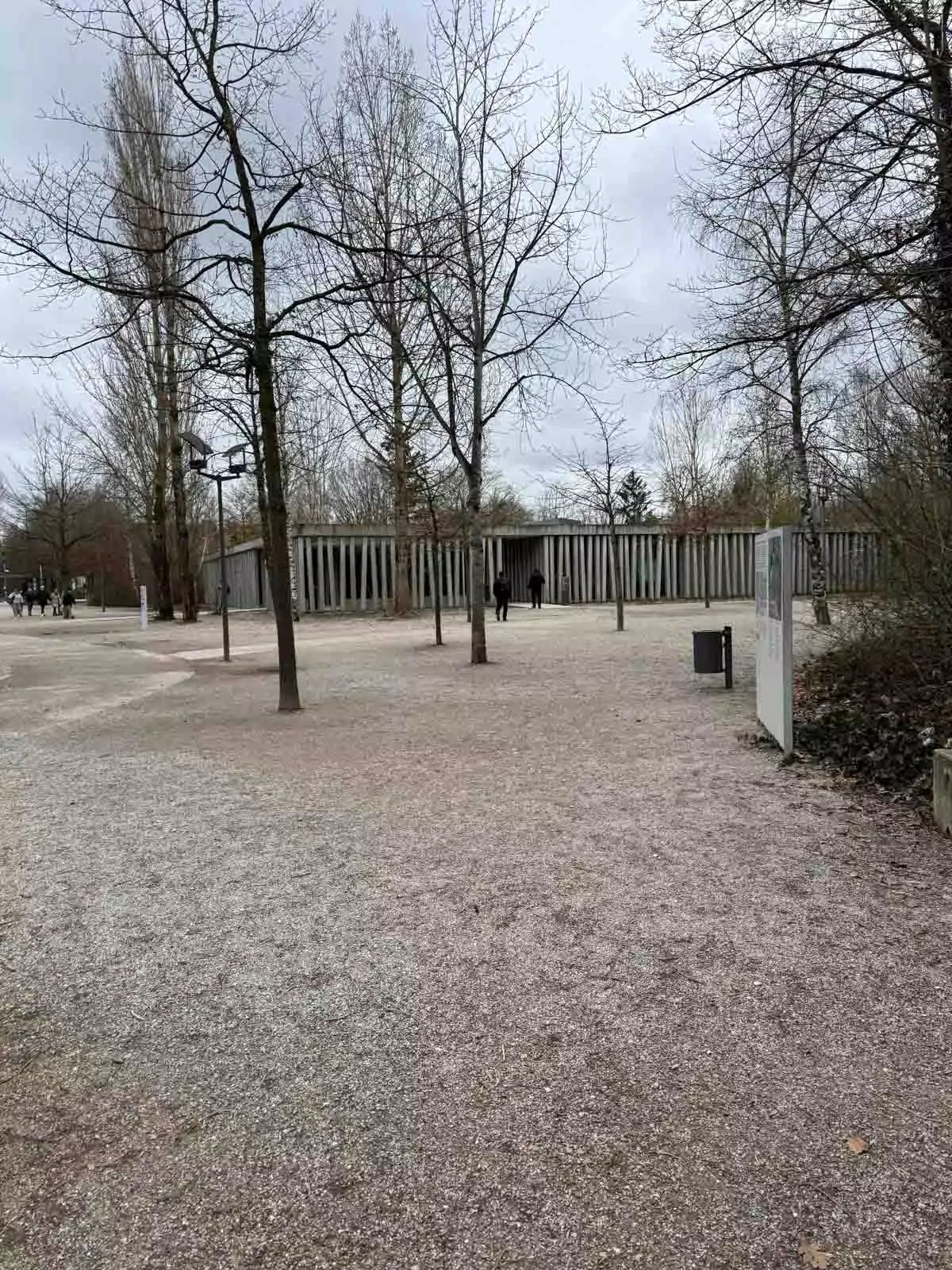
1. Visitor Center & Museum
📍 First Stop: Orientation & Historical Context
- Information Desk & Bookstore – You can collect brochures, rent an audio guide, or purchase books for deeper learning.
- Introductory Film – A documentary (approx. 20 min) provides historical context before exploring the camp.
- Museum Exhibits – Featuring photographs, documents, and personal testimonies, this section covers:
- The rise of the Nazi regime and how Dachau was used as a “model camp”.
- The daily lives of prisoners and the inhumane conditions they endured.
- The liberation of the camp by U.S. forces in 1945.
💡 Tip: Start your visit at the museum to gain historical context before walking through the campgrounds.
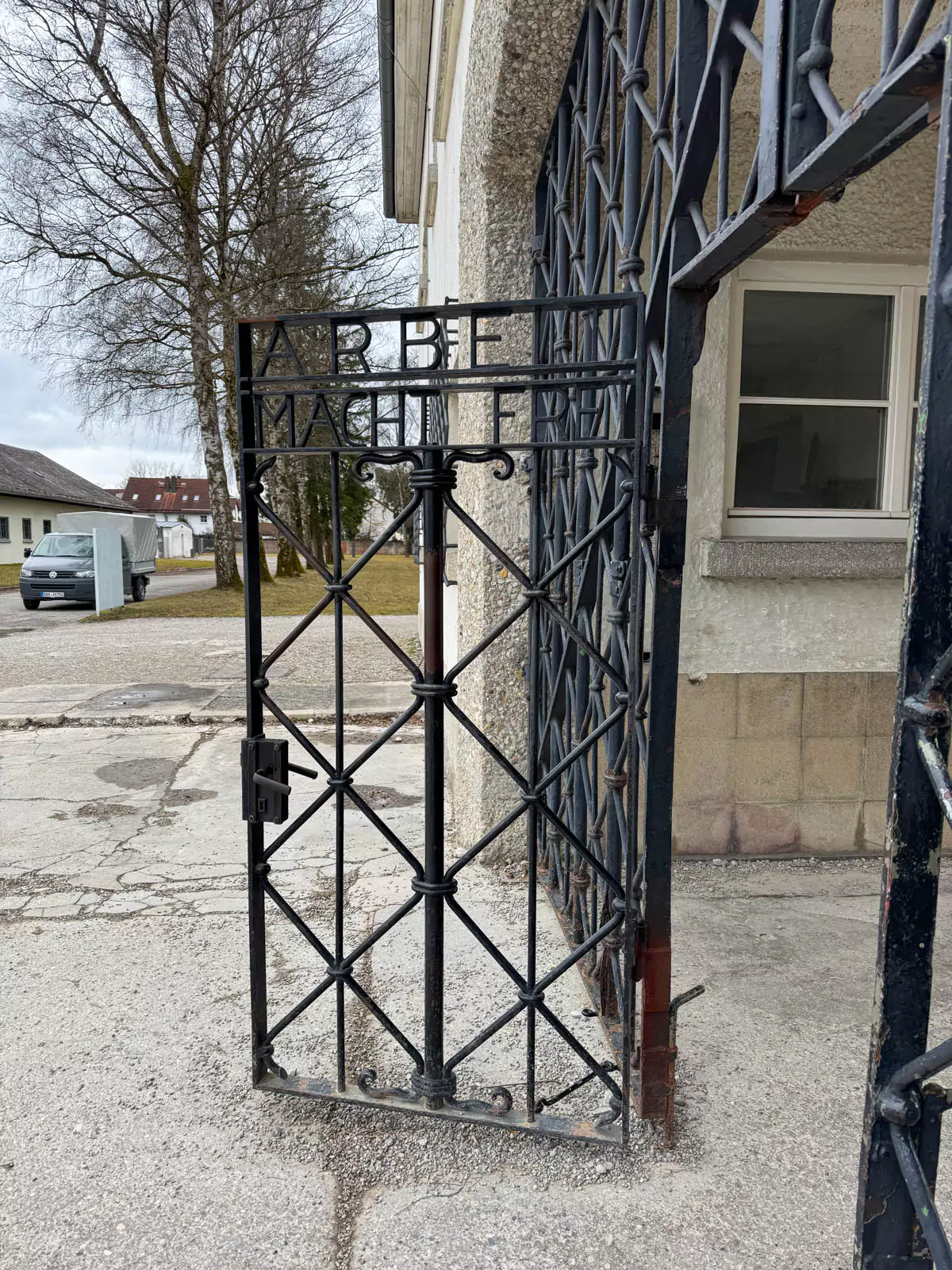
2. Jourhaus Gate (“Arbeit Macht Frei”)
📍 Main Entrance to the Camp
- The infamous wrought-iron gate bearing the phrase “Arbeit Macht Frei” (Work Sets You Free) was designed to deceive prisoners into believing they could earn freedom through labor.
- This is the same gate through which thousands of prisoners entered, never knowing their fate.
- A powerful moment of reflection—many visitors pause here in silence.
💡 Tip: The gate is one of the most photographed landmarks, but remember to do so respectfully.
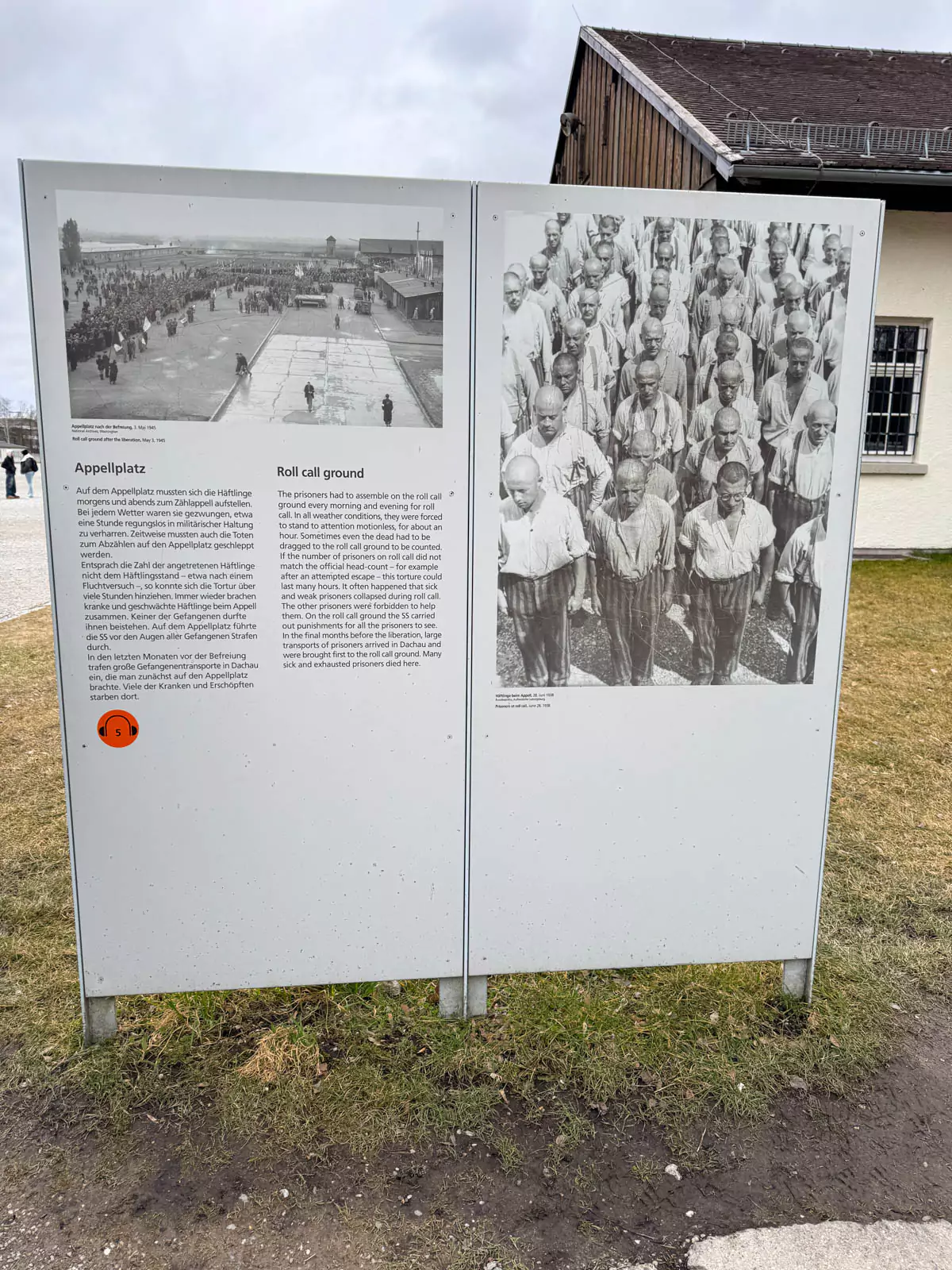
3. The Roll Call Square
📍 Where Prisoners Were Forced to Stand for Hours
- Prisoners were required to assemble here every morning and evening for roll call.
- Even in freezing cold or extreme heat, they stood for hours, sometimes as punishment for escape attempts.
- Executions also took place here—some prisoners were forced to witness the deaths of others.
💡 Tip: Imagine standing for hours in harsh weather with no food or water—this helps put the suffering into perspective.
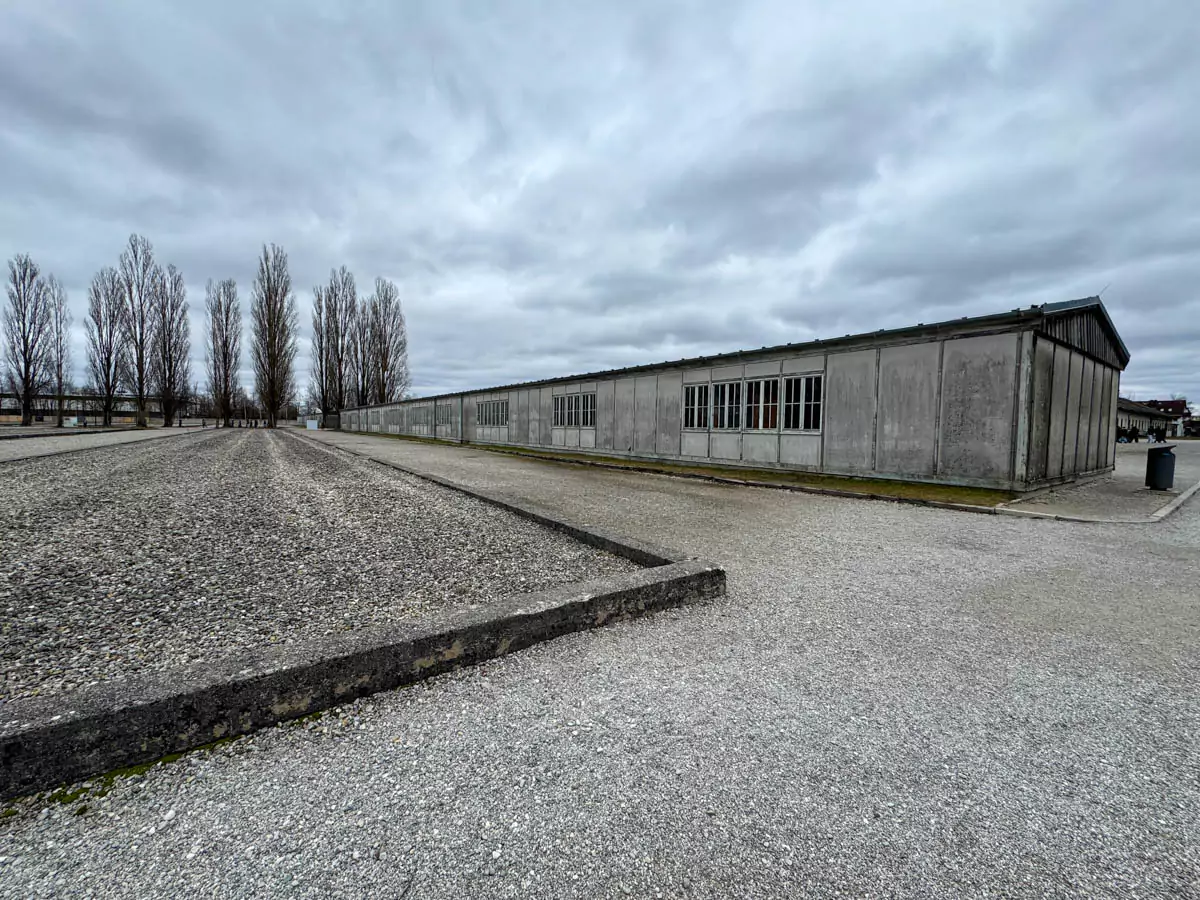
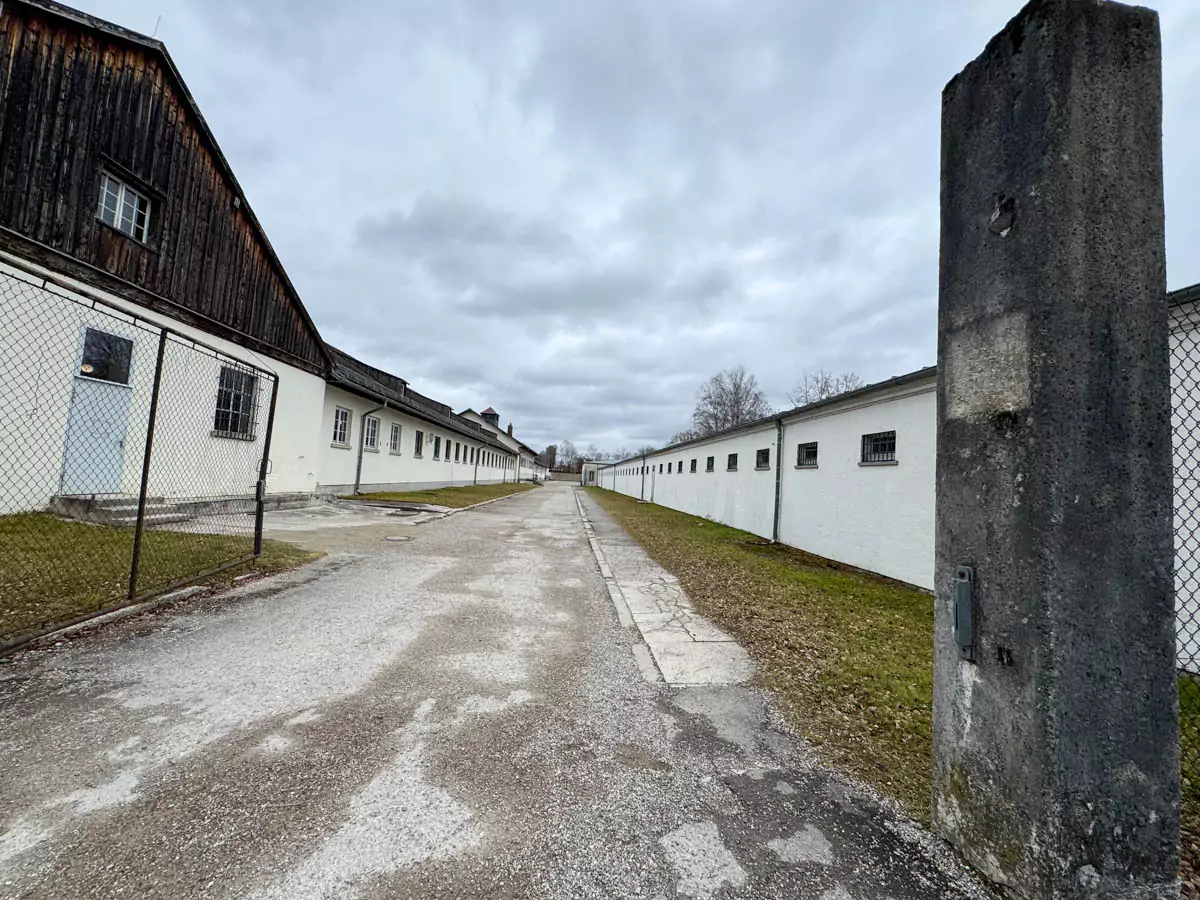
4. Prisoner Barracks
📍 Reconstructed Living Quarters
- Originally designed to hold 200 prisoners, but by the end of WWII, each barrack held over 2,000.
- Wooden bunks, shared toilets, and limited space showcase the horrific overcrowding.
- The barracks highlight the dehumanizing conditions prisoners endured daily.
💡 Tip: Only two barracks remain today—the rest were destroyed but are marked to show the camp’s original vastness.
5. The Bunker (Prison Block)
📍 Torture & Punishment Cells
- Known as “The Bunker,” this section was used for:
- Solitary confinement and extreme torture.
- Executions and inhumane punishment of political prisoners.
- Holding prisoners subjected to Nazi medical experiments.
- The cells are dark, claustrophobic, and chilling—a stark reminder of the cruelty inflicted here.
💡 Tip: This area is one of the most emotionally difficult to visit. Take your time to absorb the gravity of what happened here.
6. Crematorium & Gas Chamber
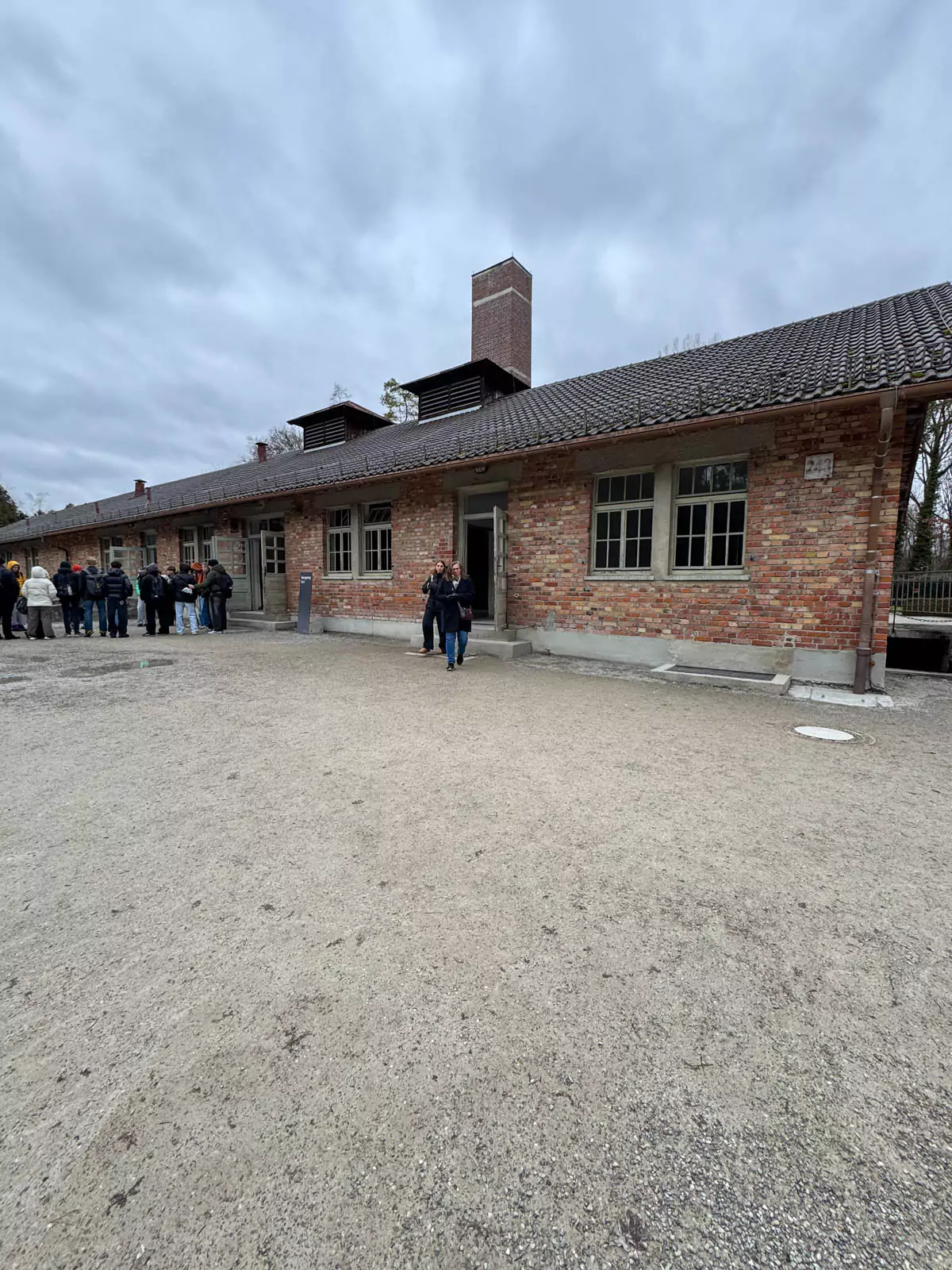
📍 One of the Most Haunting Parts of the Visit
- Dachau’s gas chamber (“Brausebad”) was disguised as a “shower room” to mislead victims.
- Though it was never used for mass executions, prisoners were gassed in other camps before being cremated at Dachau.
- The adjacent crematorium (“Barrack X”) contains ovens where thousands of corpses were burned.
- This is one of the most emotionally overwhelming parts of the site.
💡 Tip: Many visitors choose not to take photos here out of respect. If you do, avoid posing or smiling.
7. International Memorial & Religious Chapels
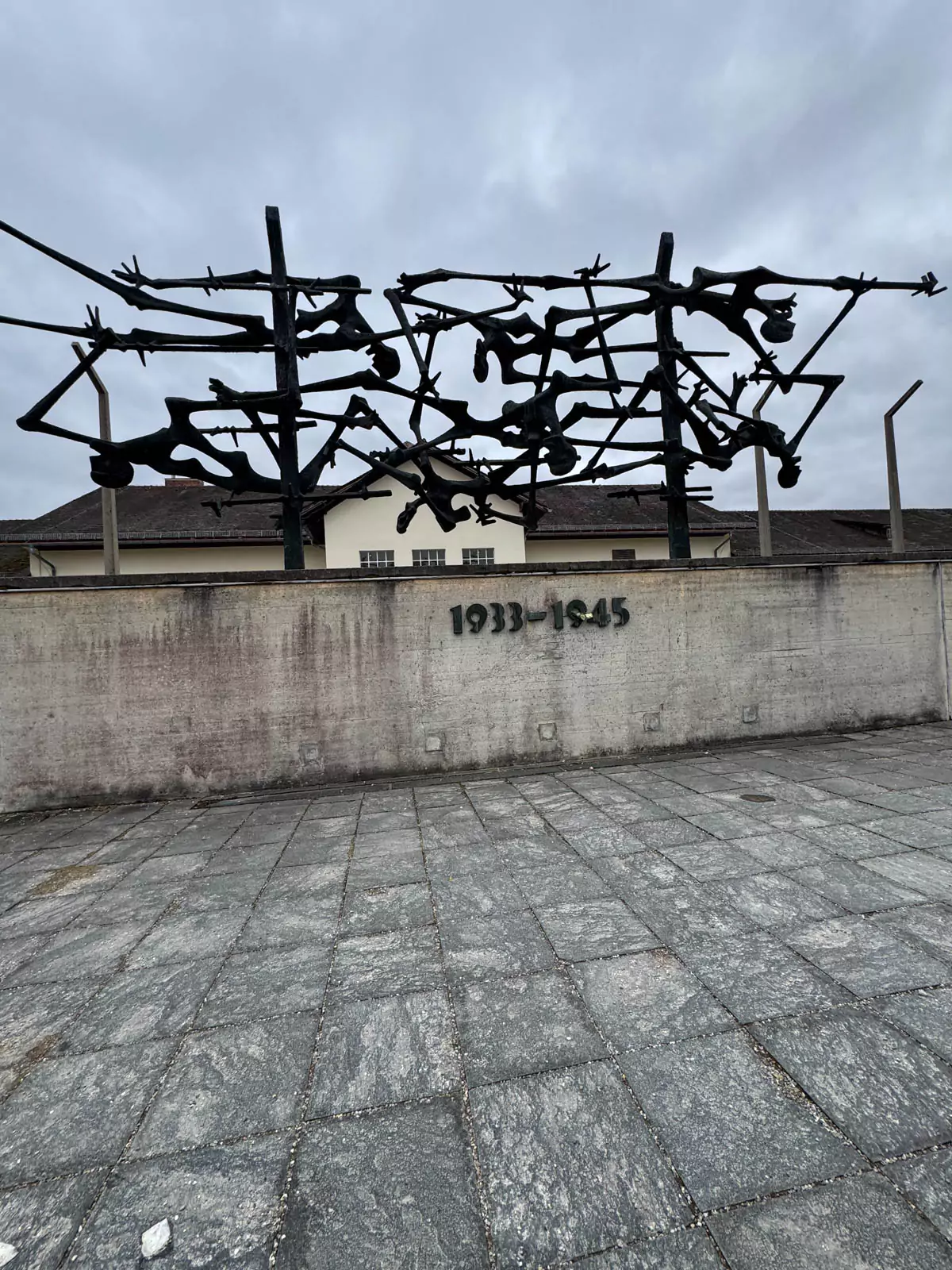
📍 A Place for Reflection and Remembrance
- The International Monument was erected in 1968 to honor the victims of Dachau.
- Plaques in multiple languages state:
“May the example of those who were exterminated here between 1933 and 1945, because they resisted Nazism, help to unite the living for the defense of peace and freedom.” - Several religious chapels have been built as places for prayer and remembrance:
- Jewish Memorial
- Catholic Mortal Agony of Christ Chapel
- Protestant Church of Reconciliation
💡 Tip: Spend time here in quiet reflection before leaving. Many visitors leave flowers or stones as a tribute.
Additional Travel Tips for Visiting Dachau Concentration Camp Memorial
A visit to Dachau requires careful planning to ensure a smooth and respectful experience. Below are practical travel tips covering what to bring, where to eat, and accommodation options.
What to Bring
Since the Dachau Memorial Site is large and involves a significant amount of walking, it’s important to be prepared for the conditions.
Essentials to Pack
👟 Comfortable Shoes – The site has gravel paths, uneven terrain, and extensive walking. Avoid flip-flops or dress shoes.
🧥 Weather-Appropriate Clothing – There is minimal shelter, so dress for the season:
- Winter (Nov–March): Freezing temperatures; wear layers, a warm coat, gloves, and a hat.
- Summer (June–Sept): Hot and sunny; wear light, breathable clothes and bring sunscreen.
- Rainy Months (April, October): Bring a rain jacket or compact umbrella.
💧 Water & Snacks – Eating inside the memorial grounds is not permitted, but you can bring a water bottle. A small café is available outside the site for snacks.
📖 Notebook & Pen – Many visitors find writing down reflections helpful for processing their experience.
🎧 Headphones (if using an audio guide) – If you choose a self-guided visit, bring your own headphones for the audio tour.
💡 Tip: Avoid large backpacks – Bags larger than 30x20x10 cm are not allowed inside the site.
Where to Eat Nearby
Since food is not permitted inside the memorial, it’s best to eat before or after your visit. Here are some options:
Visitor Center Café (Convenient, but Limited Options)
- Located at the entrance of the memorial.
- Offers light snacks, coffee, and sandwiches.
- A quick and simple choice but not ideal for a full meal.
Restaurants in Dachau Town (For a More Relaxed Meal)
If you prefer a proper meal, Dachau town has traditional Bavarian restaurants and cafes about 10–15 minutes from the memorial site.
- Dachauer Wirtshaus 🍽️ – Serves classic Bavarian food, including schnitzel and bratwurst.
- Cafe Eder ☕ – A cozy cafe with light meals, cakes, and coffee.
- Restaurant Mamma Rosa 🍕 – Italian restaurant serving pizza and pasta.
💡 Tip: If you’re returning to Munich, consider dining there, as you’ll have more variety and quality options.
Alternative Accommodations: Where to Stay
Most visitors stay in Munich and make a day trip to Dachau, but staying in Dachau town is an option for those seeking a quieter, early morning visit.
Staying in Munich (Best for Most Travelers)
Munich offers more accommodation options, better restaurants, and additional attractions. It’s just a 20-minute train ride to Dachau.
Recommended Hotels in Munich
- Budget: 🚶♂️ Wombat’s City Hostel – Affordable, social atmosphere.
- Mid-Range: 🏨 Hotel Torbräu – Historic hotel in the city center.
- Luxury: ✨ Bayerischer Hof – A 5-star hotel with high-end amenities.
Staying in Dachau (A Quiet Alternative)
For visitors who want a more solemn, reflective experience, staying in Dachau town allows for an early morning or late evening visit when crowds are smaller.
Recommended Hotels in Dachau
- Budget: Old Town House Dachau – Cozy, family-run guesthouse.
- Mid-Range: Hotel Modi – Comfortable, modern stay with good amenities.
- Luxury: Vienna House Easy – One of the best-rated hotels in Dachau.
If you plan to visit multiple Munich attractions (like the Marienplatz, Neuschwanstein Castle, or BMW Museum), staying in Munich is the better choice.
Continue Learning
For those who want to explore further, here are some valuable resources:
- Dachau Memorial Official Website 👉 https://www.kz-gedenkstaette-dachau.de/en/
- United States Holocaust Memorial Museum 👉 https://www.ushmm.org/
- Yad Vashem: The World Holocaust Remembrance Center 👉 https://www.yadvashem.org/
Final Thoughts: The Importance of Remembering
Dachau stands as a powerful reminder of one of history’s darkest chapters. As the first Nazi concentration camp, it became the blueprint for future camps, setting the stage for the systematic persecution and extermination of millions. Walking through the barracks, roll call square, and crematorium is a sobering experience that brings history to life in a way no book or documentary ever could.
Visiting Dachau Concentration Camp Memorial is not just about understanding the past—it is about ensuring that history is never forgotten. It is a place for education, reflection, and remembrance, where we can honor those who suffered and lost their lives. The lessons of Dachau are just as relevant today, reminding us of the dangers of intolerance, discrimination, and authoritarianism.
Dachau is not a typical tourist attraction—it is a memorial to human suffering. Visitors have a responsibility to approach the site with respect, dignity, and an open heart.
Whether through quiet reflection, ethical photography, or simply bearing witness to history, every visitor plays a role in keeping the memory of the victims alive.
If you are questioning if you should visit or not, this is a good post from a former Dachau tour guide.
P.S. I tagged this with Dark Tourism, which means “tourism directed to places that are identified with death and suffering”. I have also visited the Auschwitz I/Birkenau II Camp, nother place where atrocities happened.
Like this post? Share it on Pinterest!
 |
 |
