25 Stunning Day Trips from Venice, Italy – Top Getaways

Travel With Kinsley contains affiliate links and is a member of the Amazon Services LLC Associates Program, which means I may receive a cute little commission if you purchase through my links, at no extra cost to you. Please read full disclosure for more information.
Explore the best day trips from Venice Italy, discover charming towns, stunning landscapes, and rich history just a short journey away from the canals of Venice.
From the colorful islands of the Venice Lagoon to the rolling vineyards of the Prosecco region and the majestic peaks of the Dolomites, these easy day trips allow you to explore the diverse culture, history, and natural splendor of the surrounding area.
The perfect day trip from Venice awaits, promising to add another layer of richness to your Italian adventure.
If you need some visual inspiration, add some of these movies set in Italy to your watchlist while you plan your trip!
Zack and I got the chance to explore Burano, Italy as a day trip on our two-day Venice trip. Most of these are day trips from Venice by train, but there are a couple options also need a bus ride to reach.
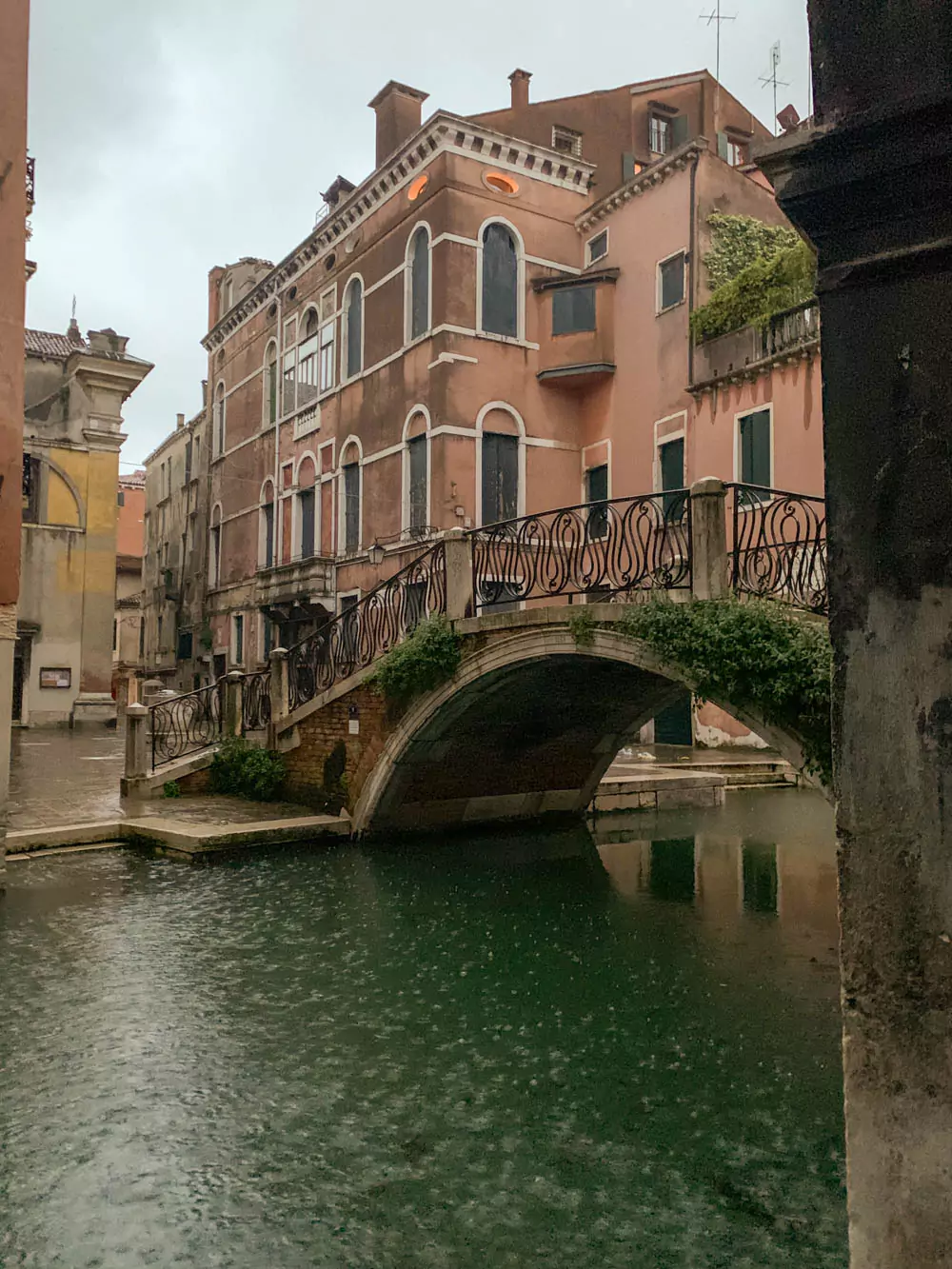
Venice Train Station & Bus Station
Venezia Santa Lucia is located right on the Grand Canal, making it very convenient for accessing the rest of Venice. The station is at the western end of the city’s historic center, near the entrance to the main island. It is the primary station for travelers arriving in or departing from Venice by train.
Venezia S. Lucia serves both regional and long-distance trains, connecting Venice to major Italian cities like Rome, Milan, Florence, and Naples, as well as international destinations.
Piazzale Roma is a large square located at the end of the Ponte della Libertà and at the entrance of Venice with parking bays for airport buses, transit buses, and land taxis.
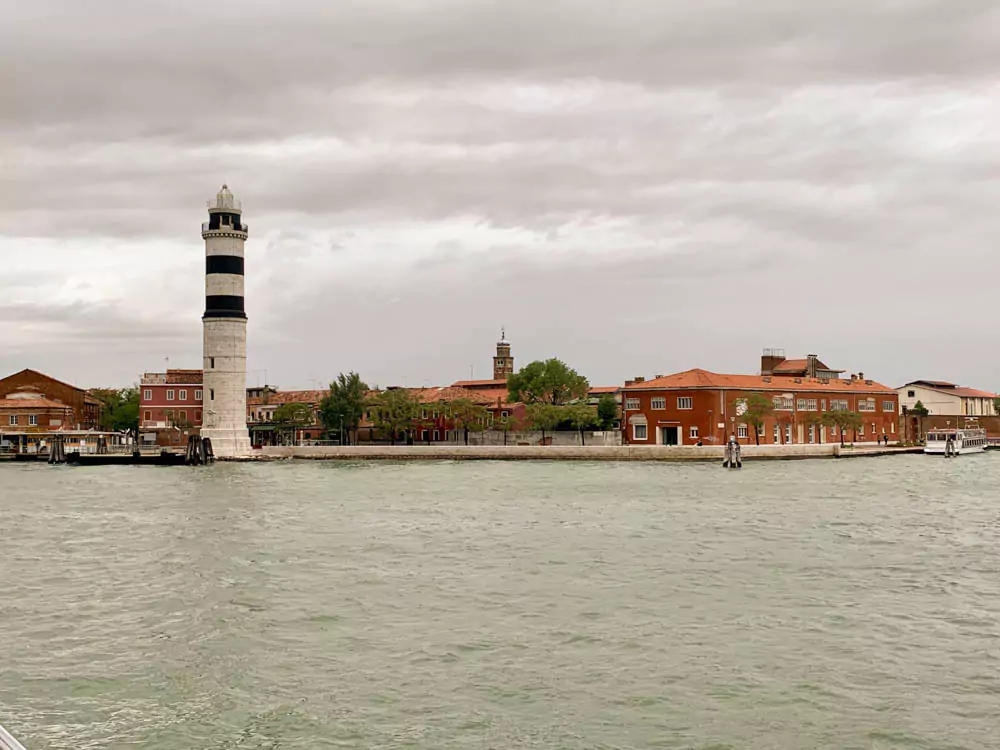
1. Murano
Murano is synonymous with glassmaking, a tradition that dates back to the 13th century. The island’s artisans are world-renowned for their skill in creating intricate glassworks, from delicate figurines to elaborate chandeliers.
The Glass Museum, located in the Palazzo Giustinian, provides an in-depth look at the history of glassmaking on the island. The museum’s collection spans from ancient Roman glass to contemporary works.
Like Venice, Murano is crisscrossed with picturesque canals lined with colorful buildings. The island’s quieter, more relaxed atmosphere provides a peaceful contrast to the bustling streets of Venice, making it a great place to stroll and soak in the scenery.
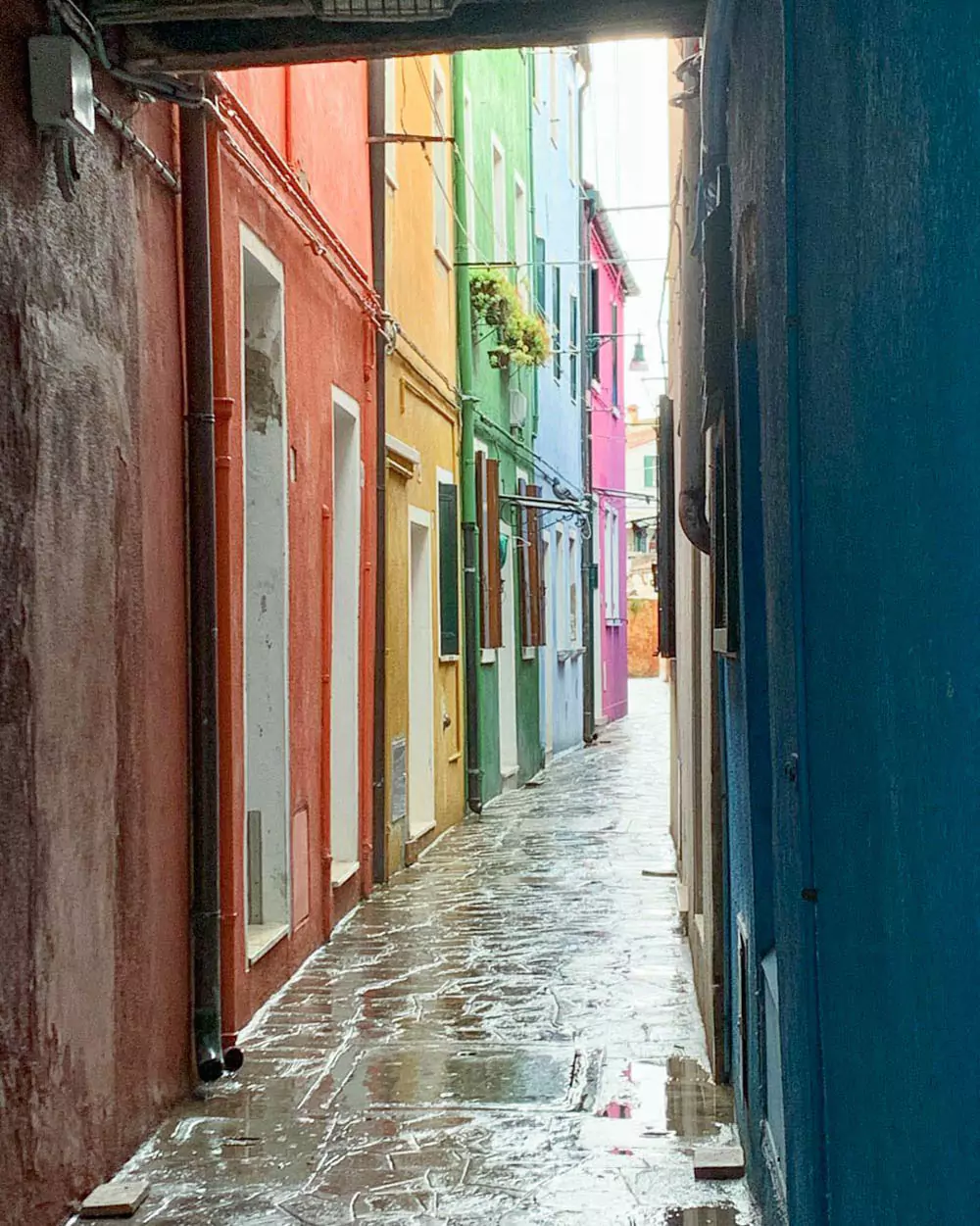
2. Burano
Burano is famous for its brightly colored houses, with each building painted in a different vivid hue. Burano’s streets are narrow, winding, and often lined with colorful houses, flower boxes, and small bridges over canals. The island’s small size makes it easy to explore on foot.
Burano has been known for its exquisite lace-making since the 16th century. The island’s lace was once considered among the finest in Europe, and Burano lace is still made by hand today using traditional techniques passed down through generations. Visit the Lace Museum, Museo del Merletto, which showcases the history and artistry of Burano lace.
Compared to Venice, Burano is much quieter and less crowded, making it an ideal place to relax and enjoy a slower pace of life. Don’t miss trying “Bussolà” or “Buranelli,” traditional ring-shaped cookies from Burano. These delicious, buttery biscuits are often enjoyed with coffee or as a sweet treat during the day.
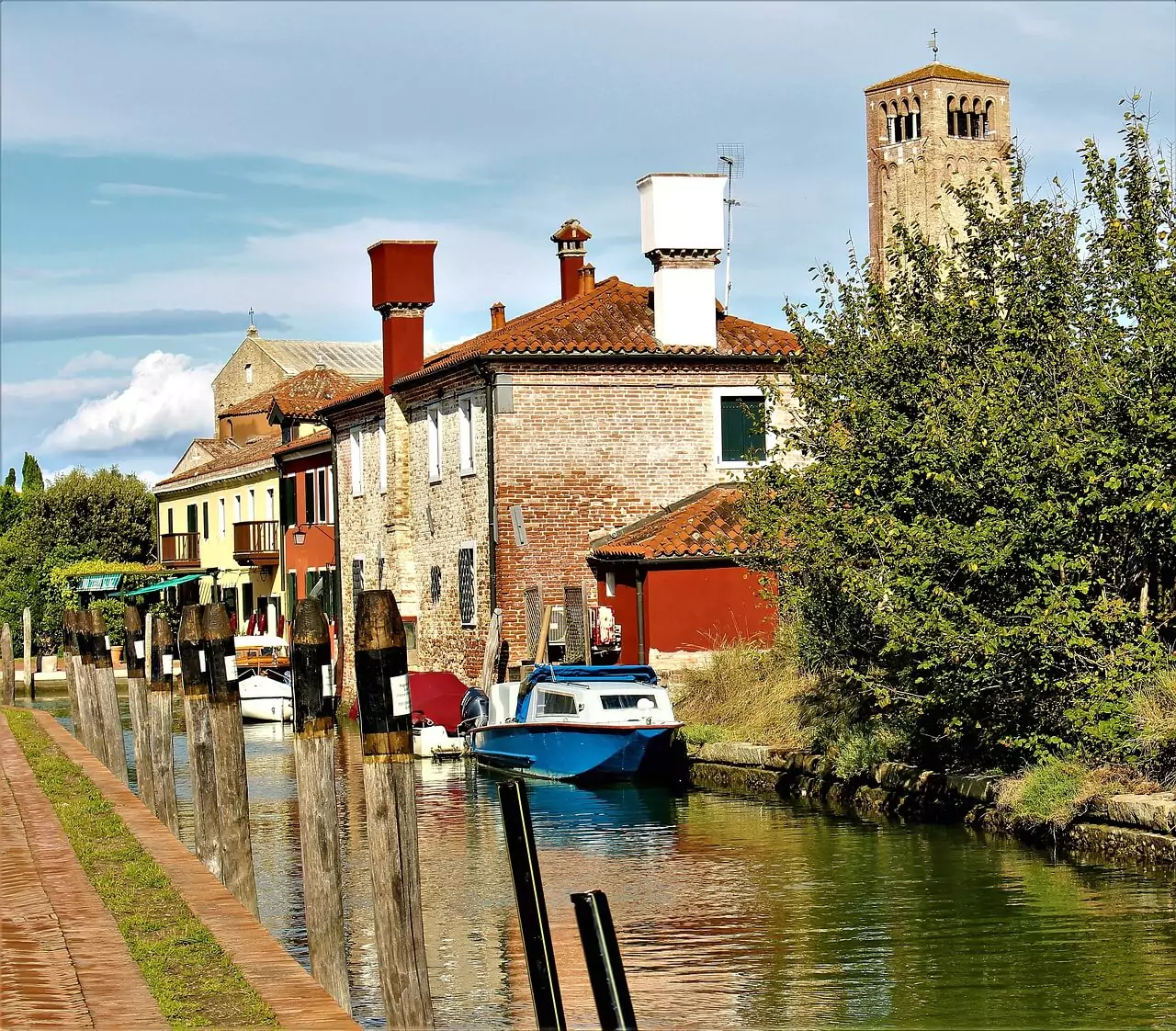
3. Torcello
Torcello is often referred to as the cradle of Venice because it was one of the first lagoon islands to be settled by the Venetians, dating back to the 5th century.
The Basilica di Santa Maria Assunta, founded in 639 AD, is the oldest building in the Venetian Lagoon. With its stunning Byzantine mosaics, is a highlight, as is the Church of Santa Fosca. Climbing the bell tower of the Basilica offers panoramic views of the lagoon.
Torcello is much quieter and less visited than its neighboring islands of Murano and Burano. The Ponte del Diavolo, or Devil’s Bridge, is one of the few remaining original Venetian bridges without railings.
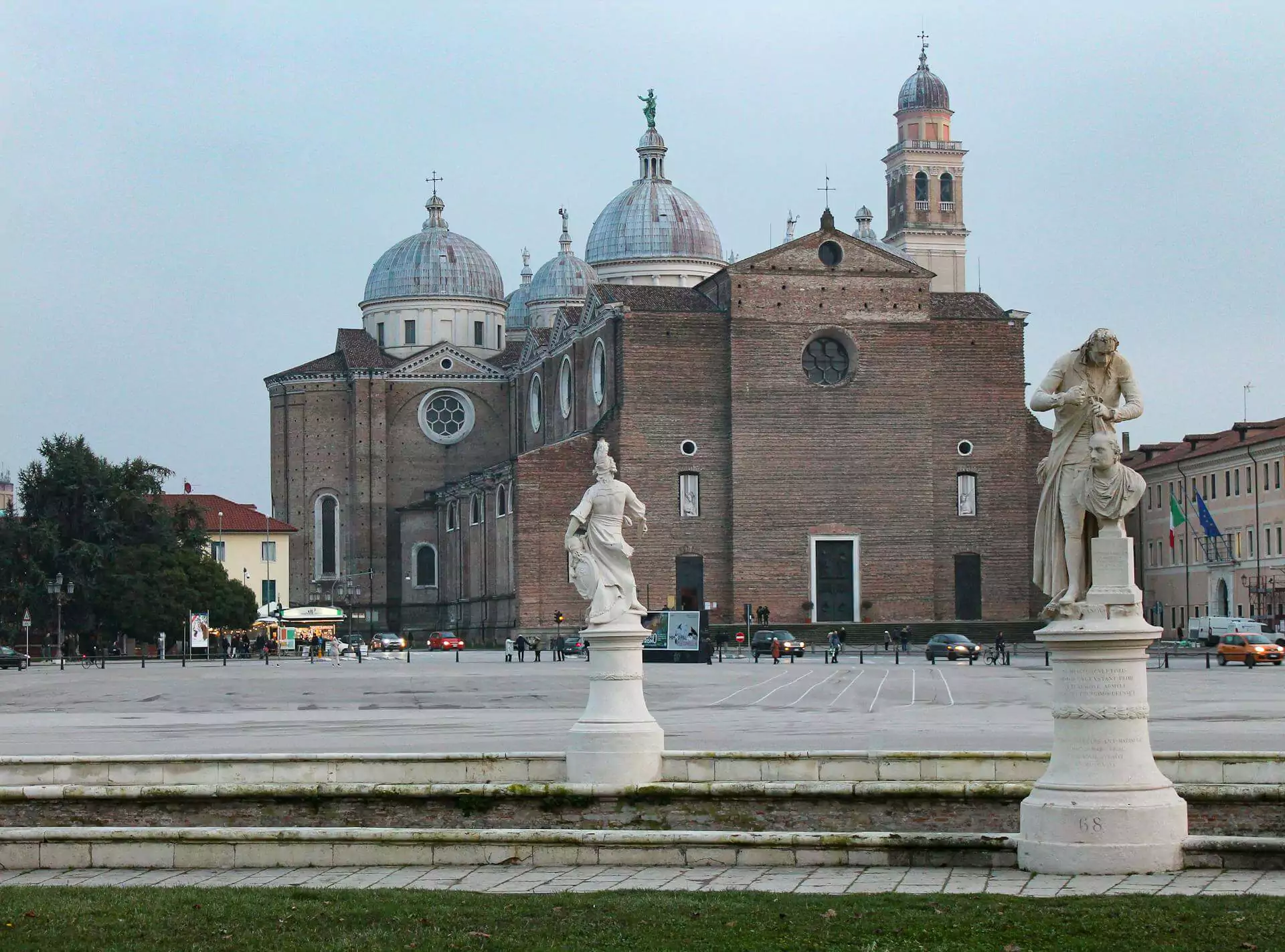
4. Padua (Padova)
Padua is a city rich in history and culture, home to one of Europe’s oldest universities. The city boasts the magnificent Basilica of Saint Anthony, a major pilgrimage site, and the Scrovegni Chapel, which houses Giotto’s frescoes—masterpieces of early Renaissance art.
The Basilica of Saint Anthony (Basilica di Sant’Antonio) is one of the most important pilgrimage sites in the Catholic world. The basilica is a stunning example of Romanesque and Gothic architecture, with Byzantine and Renaissance influences. Inside the basilica, you’ll find several works by the Renaissance sculptor Donatello, including the magnificent bronze statues of the High Altar and the equestrian statue of Gattamelata in the piazza outside the church.
Prato della Valle is a massive elliptical square and one of the largest in Europe. It’s surrounded by a canal and lined with 78 statues of famous citizens of Padua.
The University of Padua, founded in 1222, is one of the oldest universities in the world. The city is famous for its cafes, such as the historic Caffè Pedrocchi, which has been serving coffee since 1831. Don’t forget to walk through the Piazza dei Signori and Prato della Valle while you’re there!
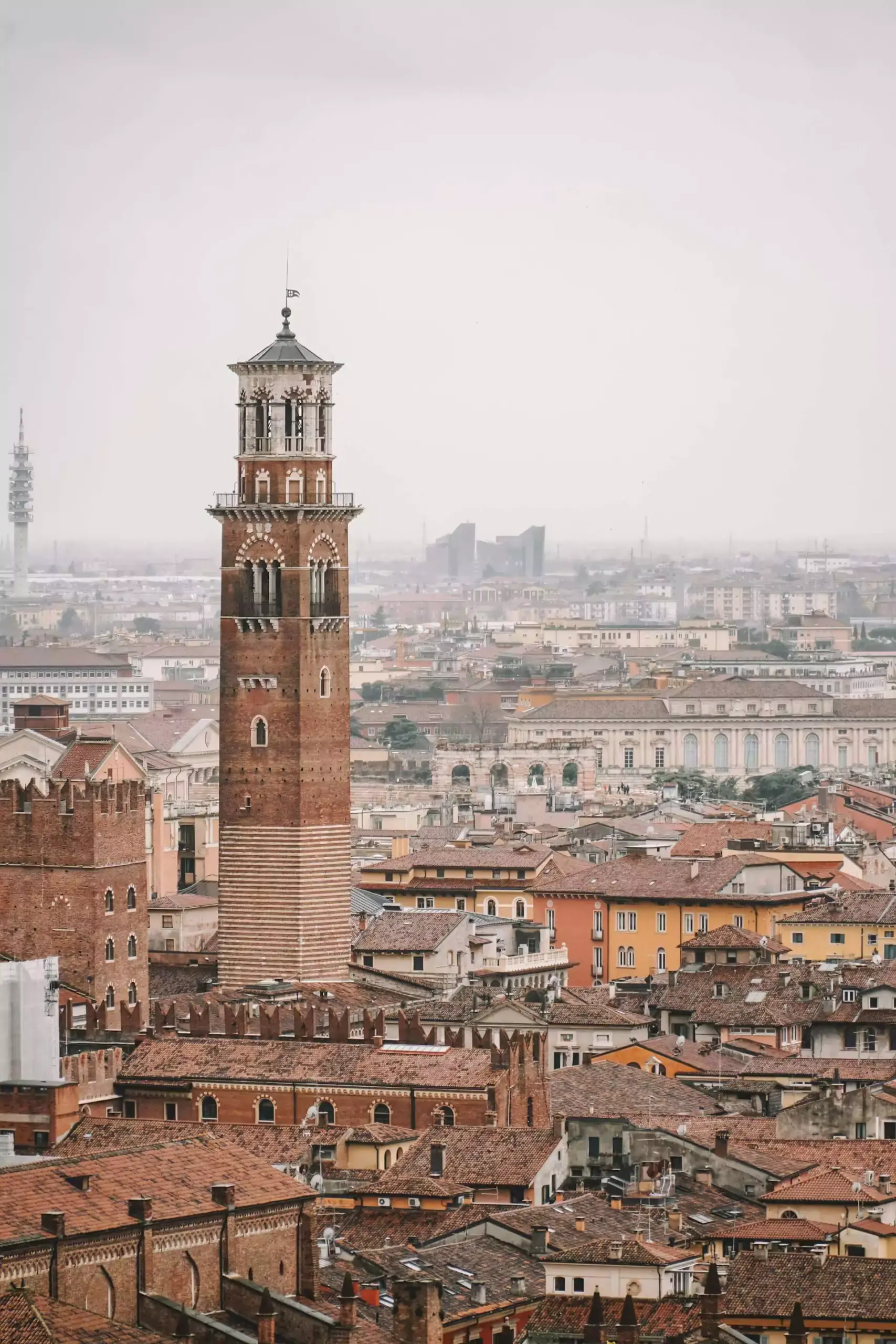
5. Verona
Verona, the setting of Shakespeare’s Romeo and Juliet, exudes romance and history. The city is famous for Juliet’s Balcony, but there’s much more to explore, including the well-preserved Roman Arena, which still hosts performances today. The medieval architecture, charming piazzas, and the Adige River flowing through the city create a picturesque setting.
Piazza delle Erbe is one of the city’s most famous and historic squares. The square is home to several notable landmarks, such as the Madonna Verona Fountain, the Torre dei Lamberti, and the Casa dei Mercanti. It’s also lined with cafes, restaurants, and market stalls, making it a lively place to visit at any time of day.
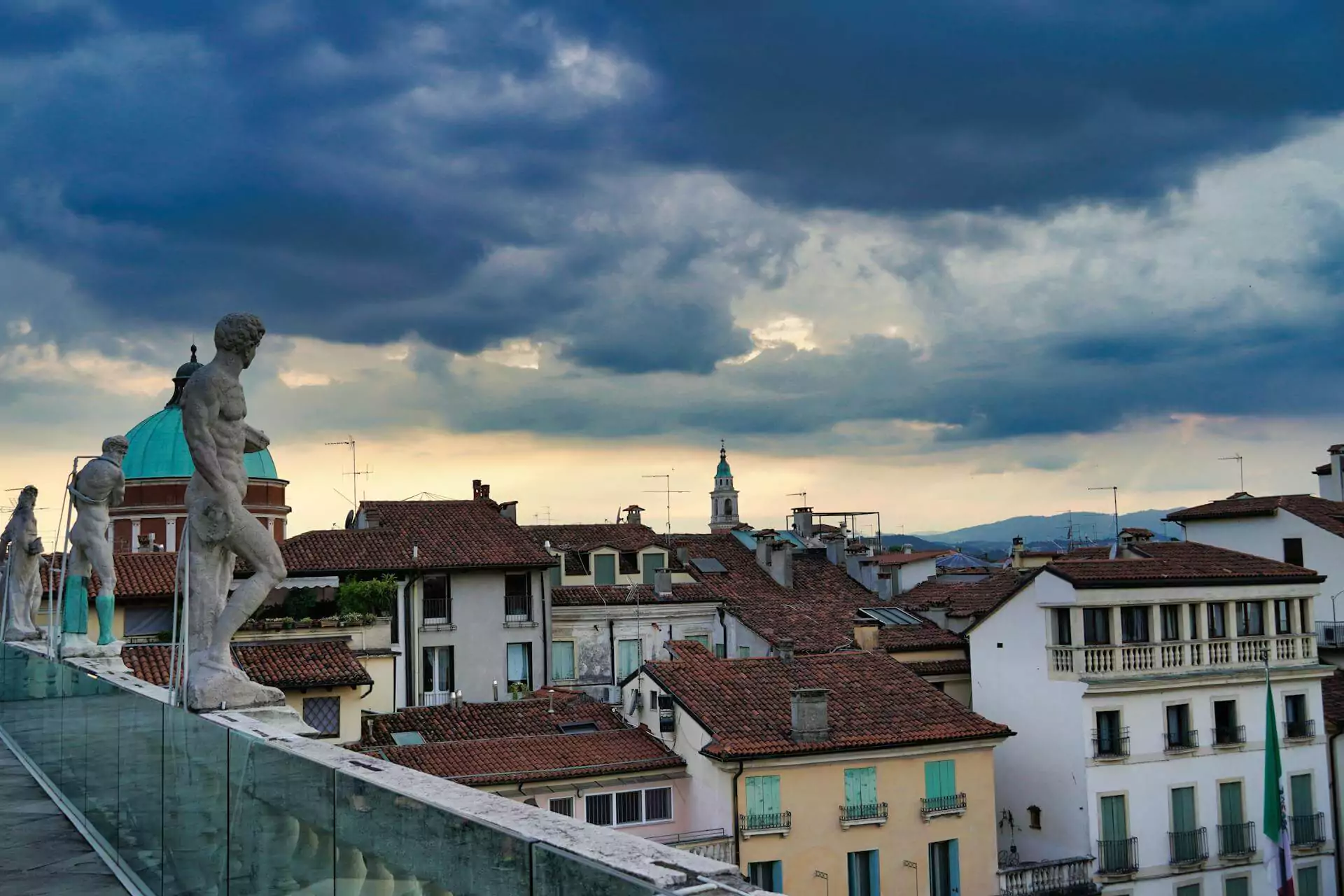
6. Vicenza
Vicenza, a UNESCO World Heritage Site, is often referred to as the City of Palladio, after the renowned Renaissance architect Andrea Palladio.
His architectural masterpieces, such as the Basilica Palladiana and the Teatro Olimpico, are scattered throughout the city. One of Palladio’s most celebrated creations, Villa La Rotonda, is located just outside Vicenza.
Piazza dei Signori is a beautiful square surrounded by historic buildings, including the Basilica Palladiana and the Torre Bissara, a tall clock tower. The Palazzo Barbaran da Porto, also designed by Palladio, houses the Palladio Museum, dedicated to the life and work of the architect.
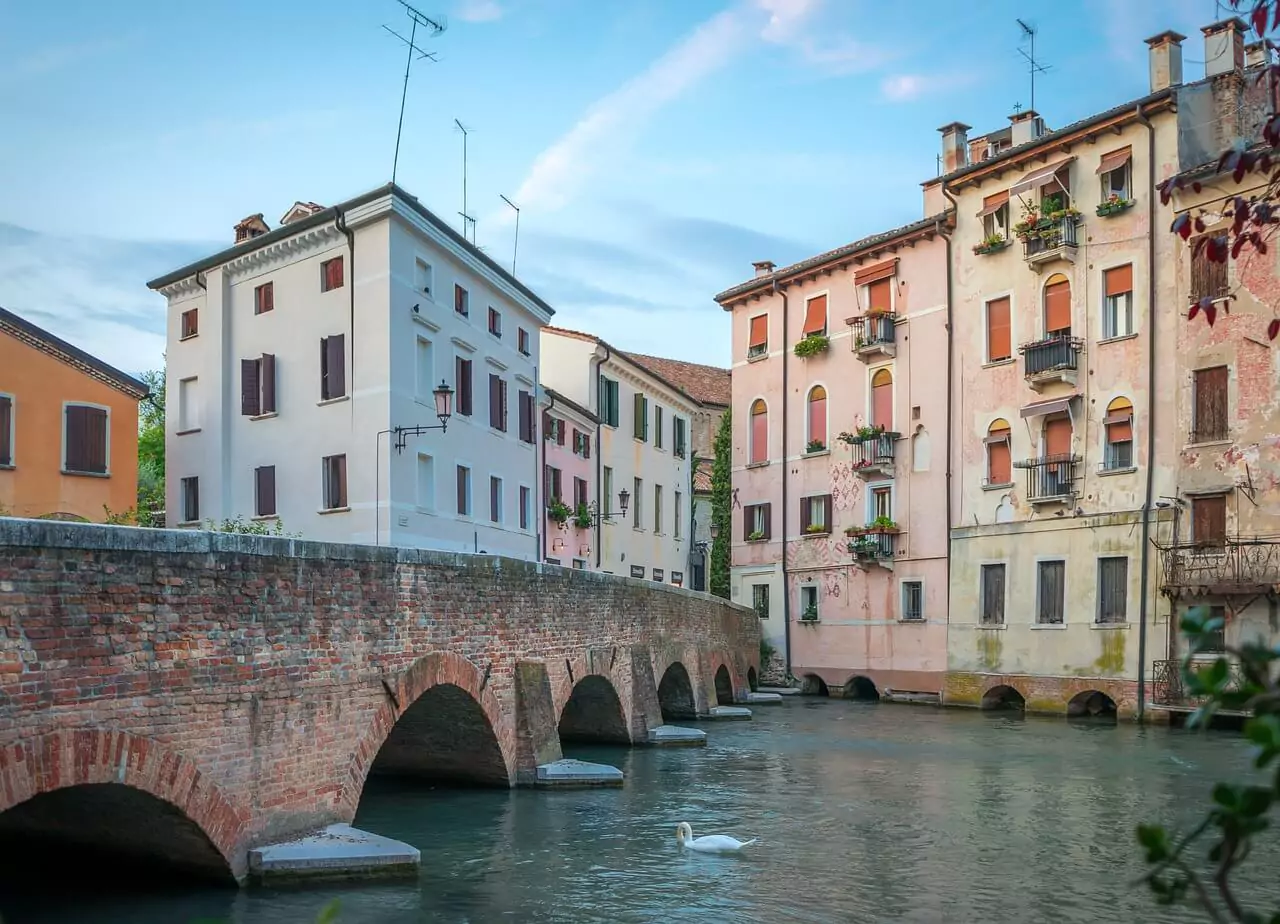
7. Treviso
Treviso is a hidden gem that offers a more authentic Italian experience compared to the tourist-heavy Venice. The city is crisscrossed by canals and surrounded by medieval walls, creating a charming and intimate atmosphere.
Treviso is also the heart of the Prosecco wine region, making it an excellent destination for wine lovers. With its beautiful architecture, vibrant markets, and delicious cuisine, Treviso provides a delightful taste of Veneto’s local culture.
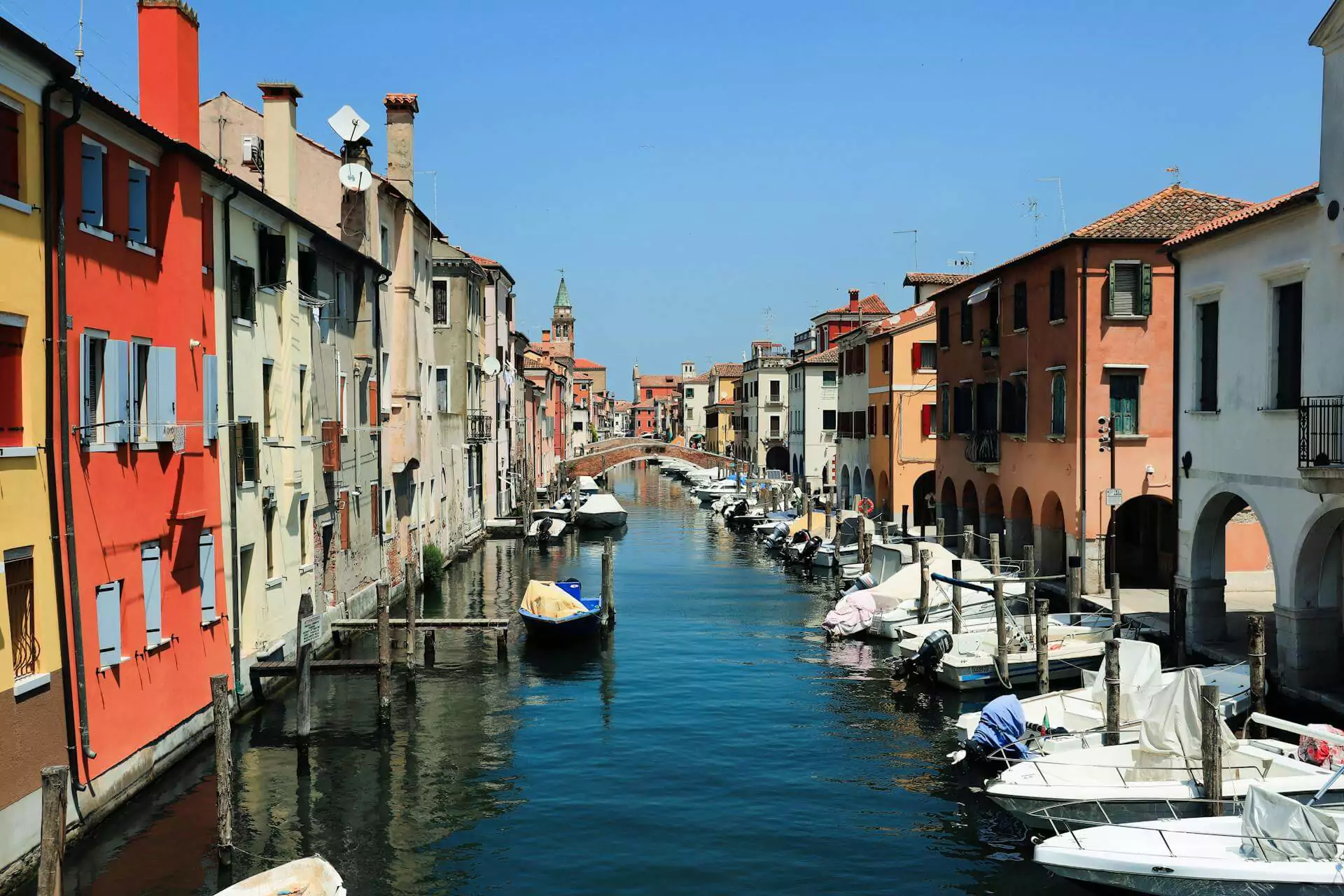
8. Chioggia
Like Venice, Chioggia, often called Little Venice, is built on a network of canals, and its historic center is filled with picturesque bridges and colorful buildings. The main canal, Vena Canal, is lined with vibrant houses, boats, and historic palaces, creating a postcard-perfect scene.
Ponte Vigo is one of the most iconic bridges in Chioggia, offering stunning views of the Vena Canal and the town’s waterfront. The bridge leads to the beautiful Vigo Square, where you can enjoy the view of the lagoon and the Adriatic Sea.
The Museo Civico della Laguna Sud (Museum of Adriatic Zoology) is housed in the 14th-century Palazzo Granaio and offers fascinating exhibits on the town’s maritime history, fishing traditions, and the ecology of the Venetian Lagoon.
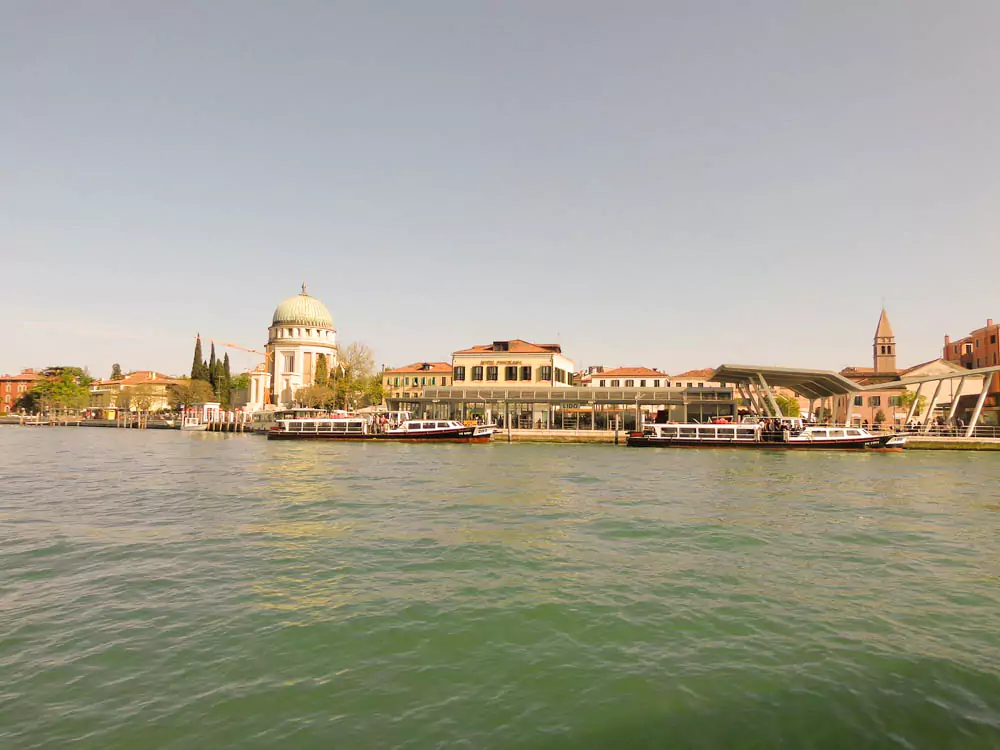
9. Lido di Venezia
Lido di Venezia is a long, narrow island known for its beaches and as the home of the Venice Film Festival. The festival’s main venue, the Palazzo del Cinema, is an iconic building that has hosted countless premieres and events over the decades.
The Lido is home to several historic and luxurious hotels, including the Hotel Excelsior and the Hotel Villa Mabapa. The Lido is a great place to explore by bicycle or on foot. The island’s flat terrain and scenic routes make it ideal for rides or walks.
The southern tip of the Lido is home to the Alberoni Nature Reserve, a protected area with dunes, pine forests, and a variety of bird species.
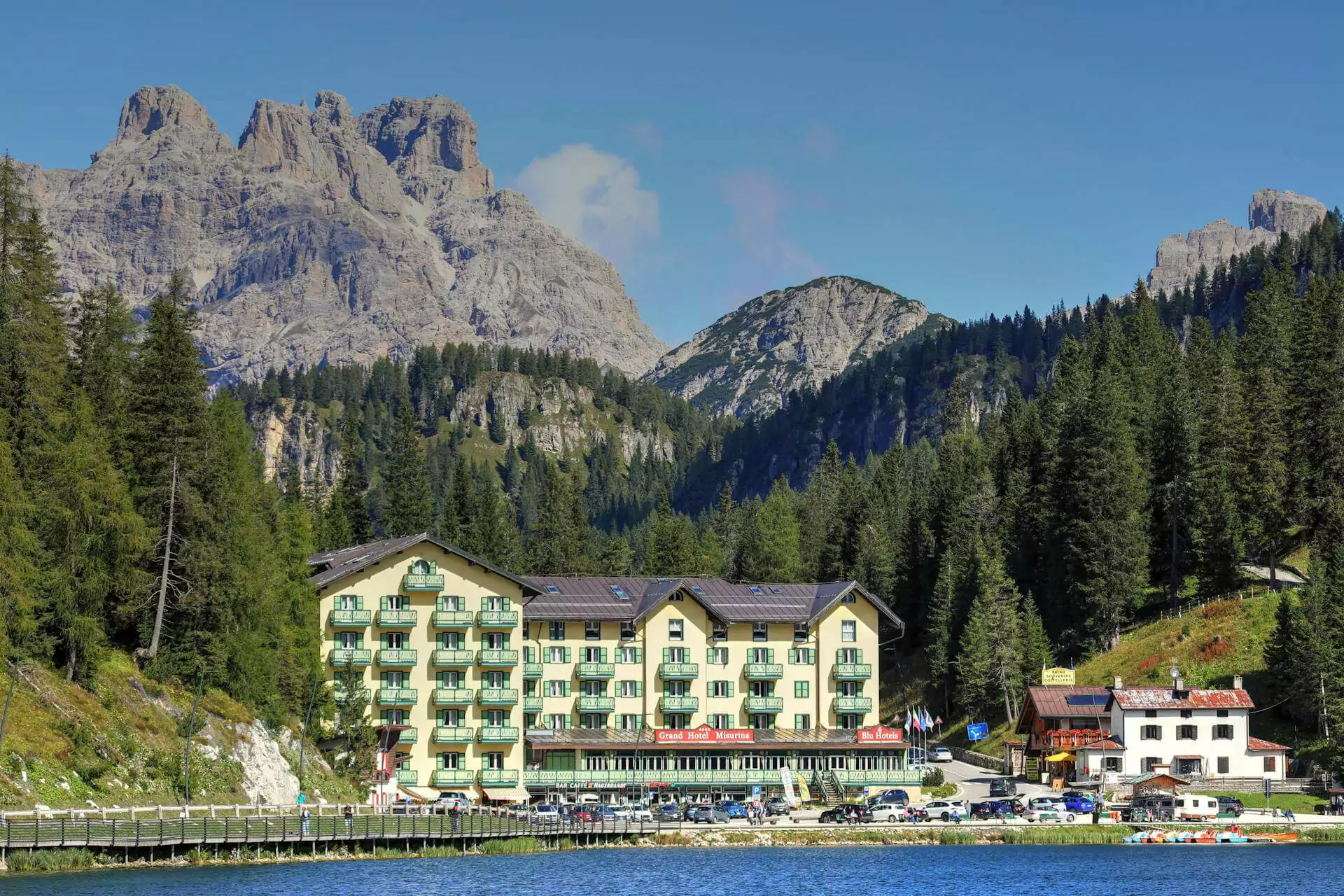
10. Prosecco Wine Region
The rolling hills of the Prosecco Wine Region, located in the Veneto region, are the birthplace of Italy’s famous sparkling wine.
A day trip here allows you to tour the vineyards, visit wineries, and taste the different varieties of Prosecco.
The region’s scenic landscapes, dotted with charming villages, provide a perfect backdrop for a leisurely day of wine tasting and exploring. This area is a must-visit for wine enthusiasts and those looking to experience the beauty of Italy’s countryside.
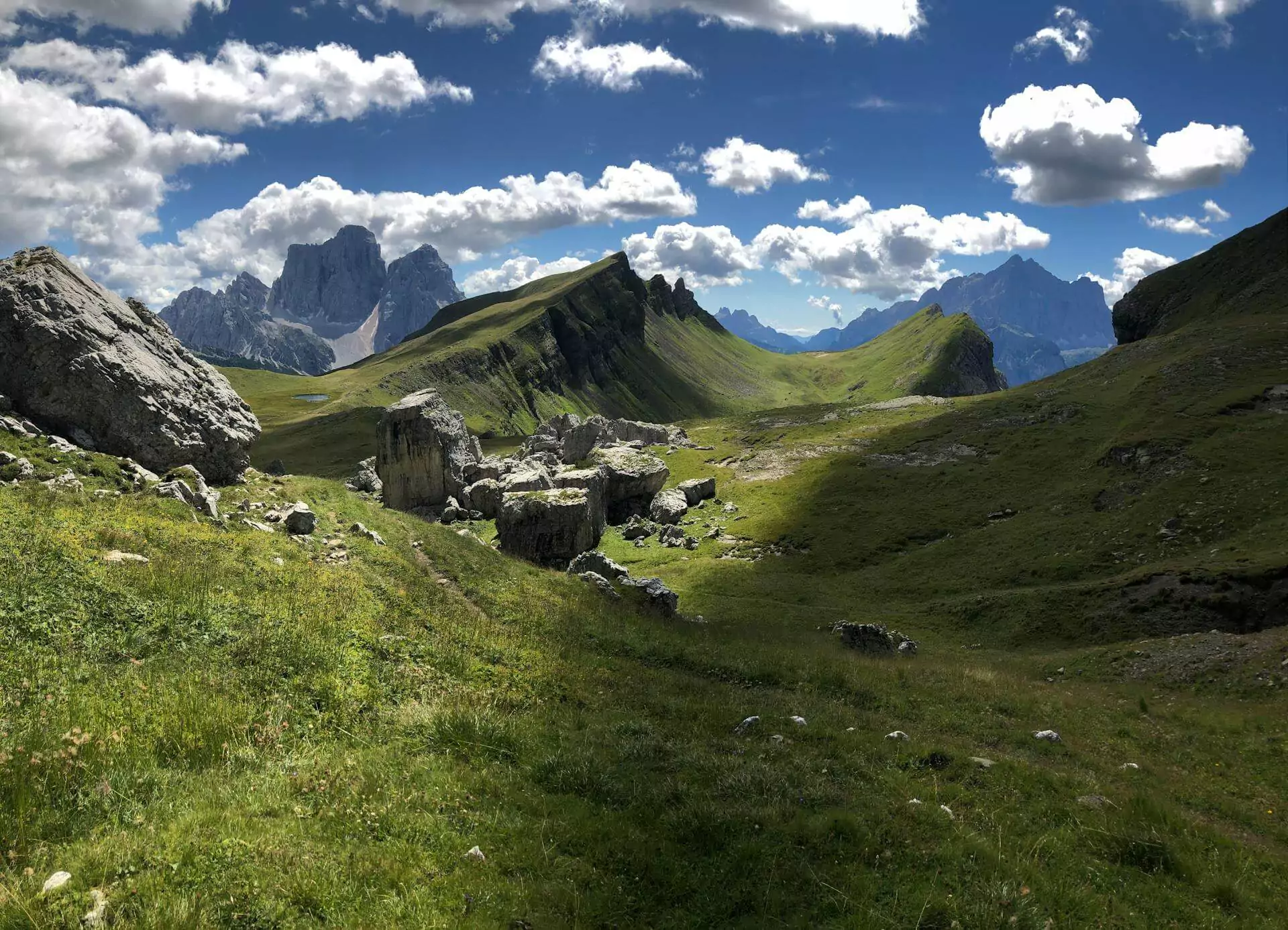
11. Dolomites
The Dolomites, a UNESCO World Heritage site, offer some of the most breathtaking mountain scenery, not only in Northern Italy, but in the world.
A day trip to this alpine region provides opportunities for hiking, skiing (in winter), or simply taking in the stunning views of jagged peaks, serene lakes, and villages like Cortina d’Ampezzo. The Dolomites are a haven for nature lovers and outdoor enthusiasts, providing a refreshing escape into nature from the urban environment of Venice.
12. Bologna
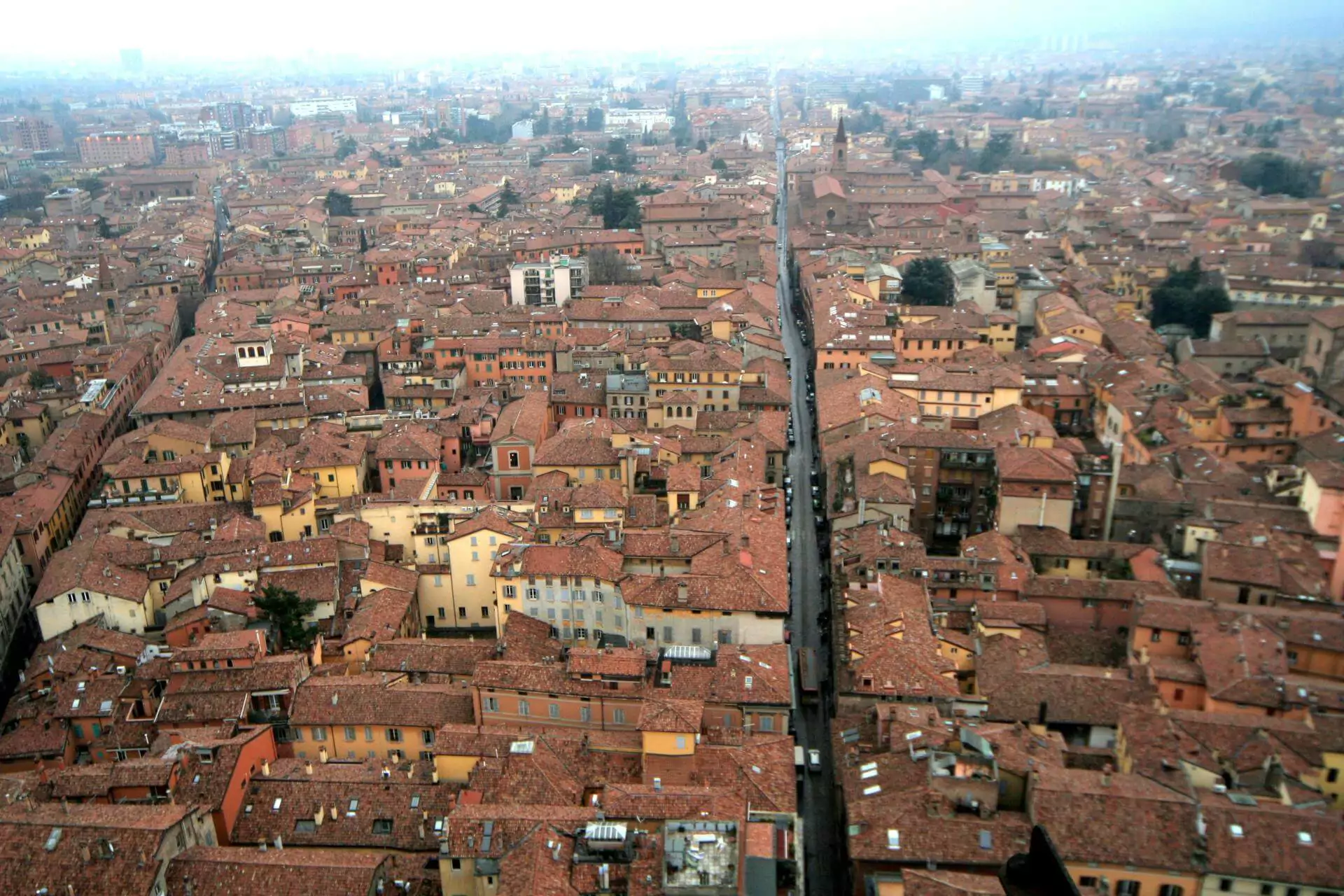
Bologna is a food lover’s paradise, known as the culinary capital of Italy. The city is the birthplace of some of Italy’s most famous dishes, including tagliatelle al ragù (known globally as spaghetti Bolognese, though the original dish is made with tagliatelle), tortellini in brodo, and lasagne alla Bolognese.
Bologna is famous for its medieval towers, which once numbered over 100. Today, about 20 remain, with the Torre degli Asinelli and Torre Garisenda being the most iconic. Climbing the 498 steps to the top of Torre degli Asinelli rewards you with breathtaking panoramic views of the city.
Bologna is known for its extensive network of porticoes, which cover nearly 25 miles of the city’s streets. These covered walkways, some dating back to the 12th century, are not only architecturally beautiful but also provide shelter from the sun and rain, making Bologna a great city to explore on foot.
The heart of Bologna’s historic center, Piazza Maggiore is surrounded by impressive buildings, including the Basilica di San Petronio, Palazzo dei Banchi, Palazzo d’Accursio, and Palazzo del Podestà.
Founded in 1088, the University of Bologna is the oldest university in the world. The university has played a significant role in the history of education, attracting students from all over Europe.
13. Lake Garda
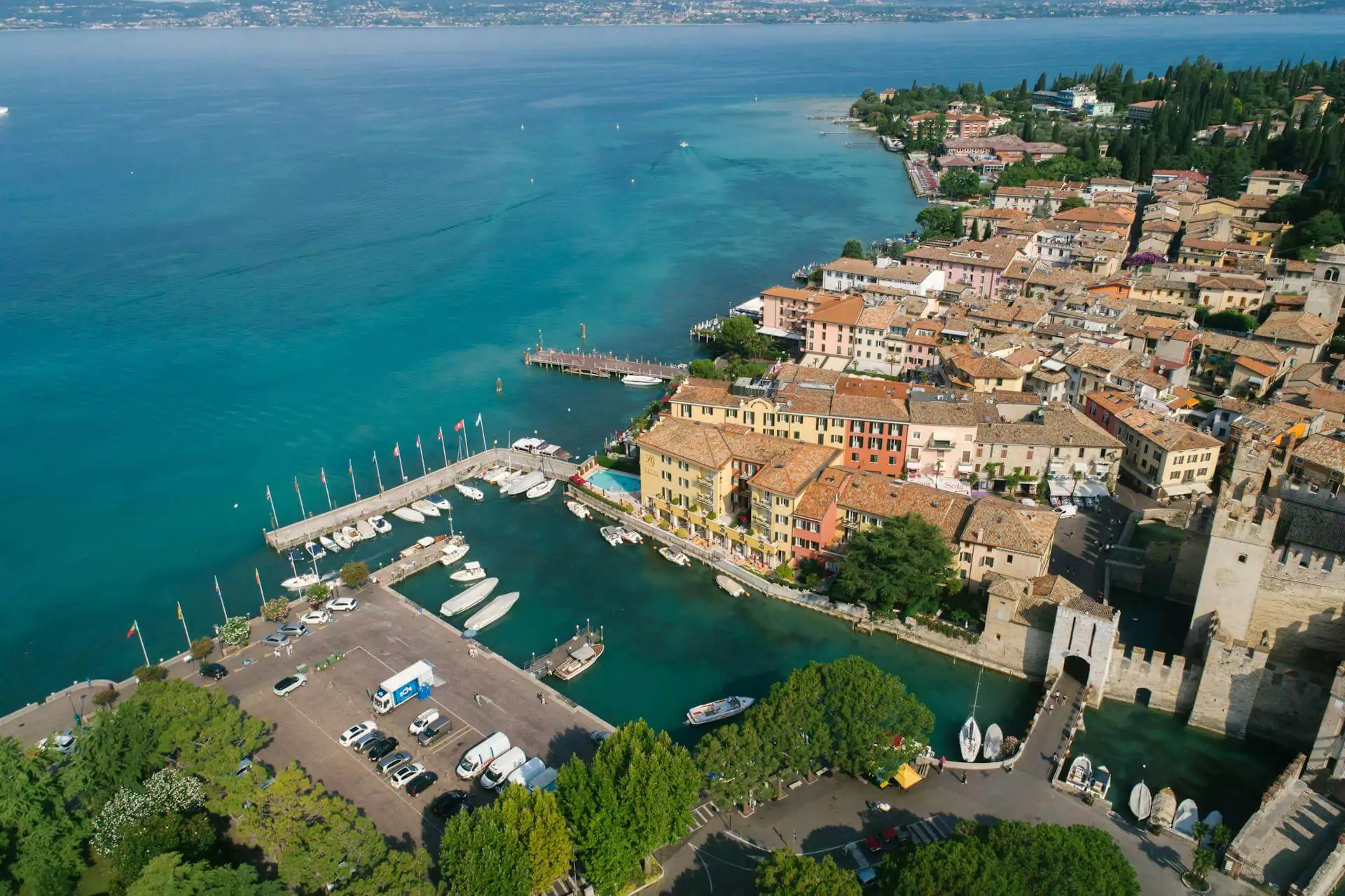
Lake Garda is Italy’s largest and most beautiful lake, surrounded by charming towns and stunning landscapes. A day trip to Lake Garda offers a mix of outdoor activities, from sailing and swimming to exploring historic sites like the Roman ruins in Sirmione.
The lake’s crystal-clear waters and the backdrop of the Alps create a breathtaking setting, making it a perfect destination for relaxation and adventure alike.

14. Ferrara
Ferrara is a UNESCO World Heritage site because it’s one of the best-preserved examples of a Renaissance city in Europe. Ferrara is surrounded by over 9 kilometers of well-preserved Renaissance city walls, among the best-preserved in Italy.
The Castello Estense (Este Castle) is Ferrara’s most iconic landmark. Originally built in 1385 as a defensive fortress, it was later transformed into a luxurious Renaissance palace by the Este family. It’s surrounded by a moat!
The Palazzo dei Diamanti is one of Ferrara’s most famous buildings, known for its distinctive diamond-shaped marble blocks. Built in the late 15th century, the palace is a masterpiece of Renaissance architecture.
The Piazza Trento e Trieste is the heart of Ferrara’s historic center, surrounded by some of the city’s most important landmarks, including the Cathedral of San Giorgio and the Palazzo della Ragione.
15. Ravenna
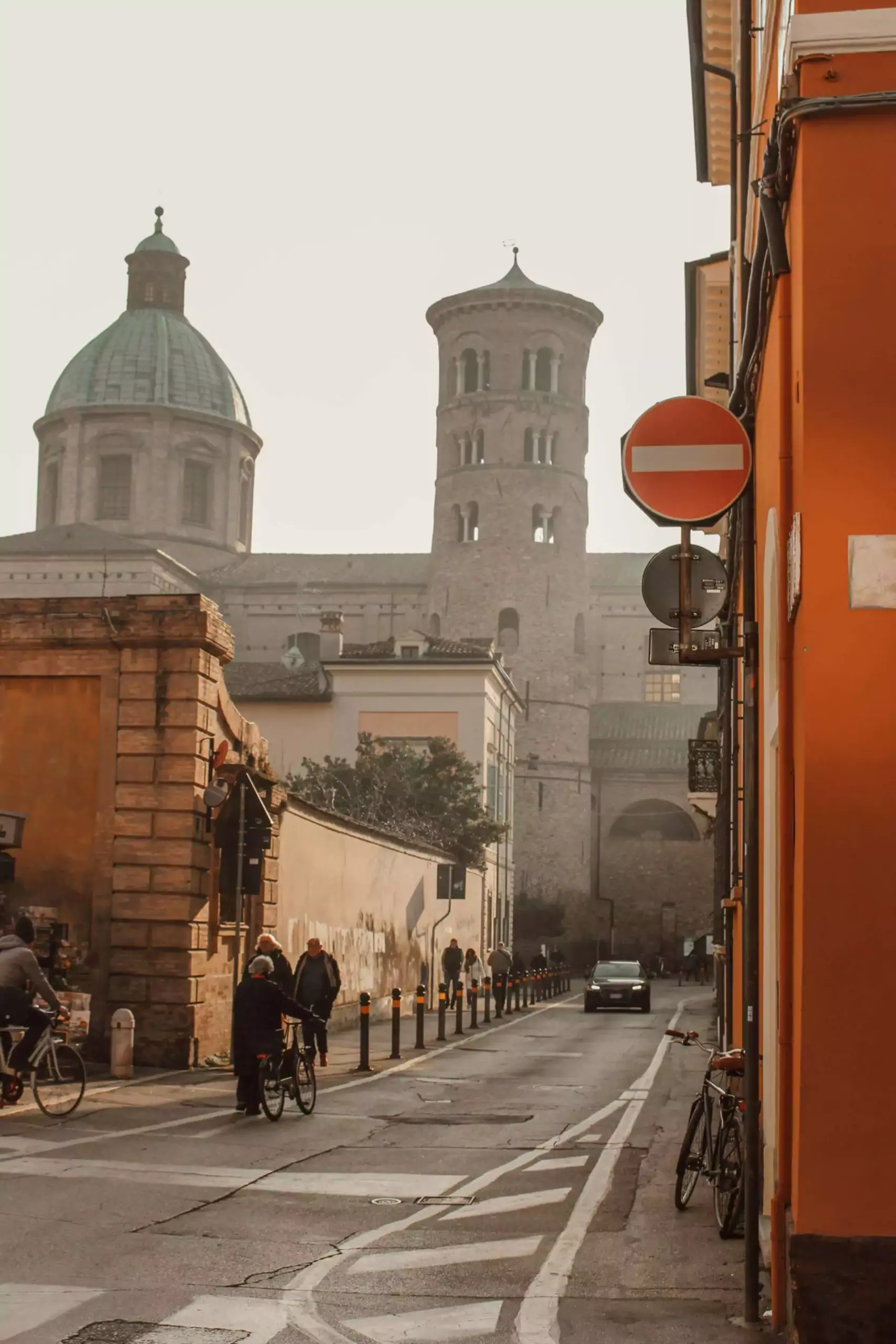
Ravenna, a UNESCO World Heritage Site, is primarily known for their mosaics. These mosaics are among the most well-preserved and beautiful examples of early Christian art in the world.
The famous Italian poet Dante Alighieri, best known for “The Divine Comedy,” spent the last years of his life in Ravenna and is buried there.
The main square of Ravenna, Piazza del Popolo, is a lively gathering place surrounded by historic buildings, cafes, and shops. The nearby Po Delta is a UNESCO Biosphere Reserve known for its diverse ecosystems, including wetlands, lagoons, and forests.
16. Trieste
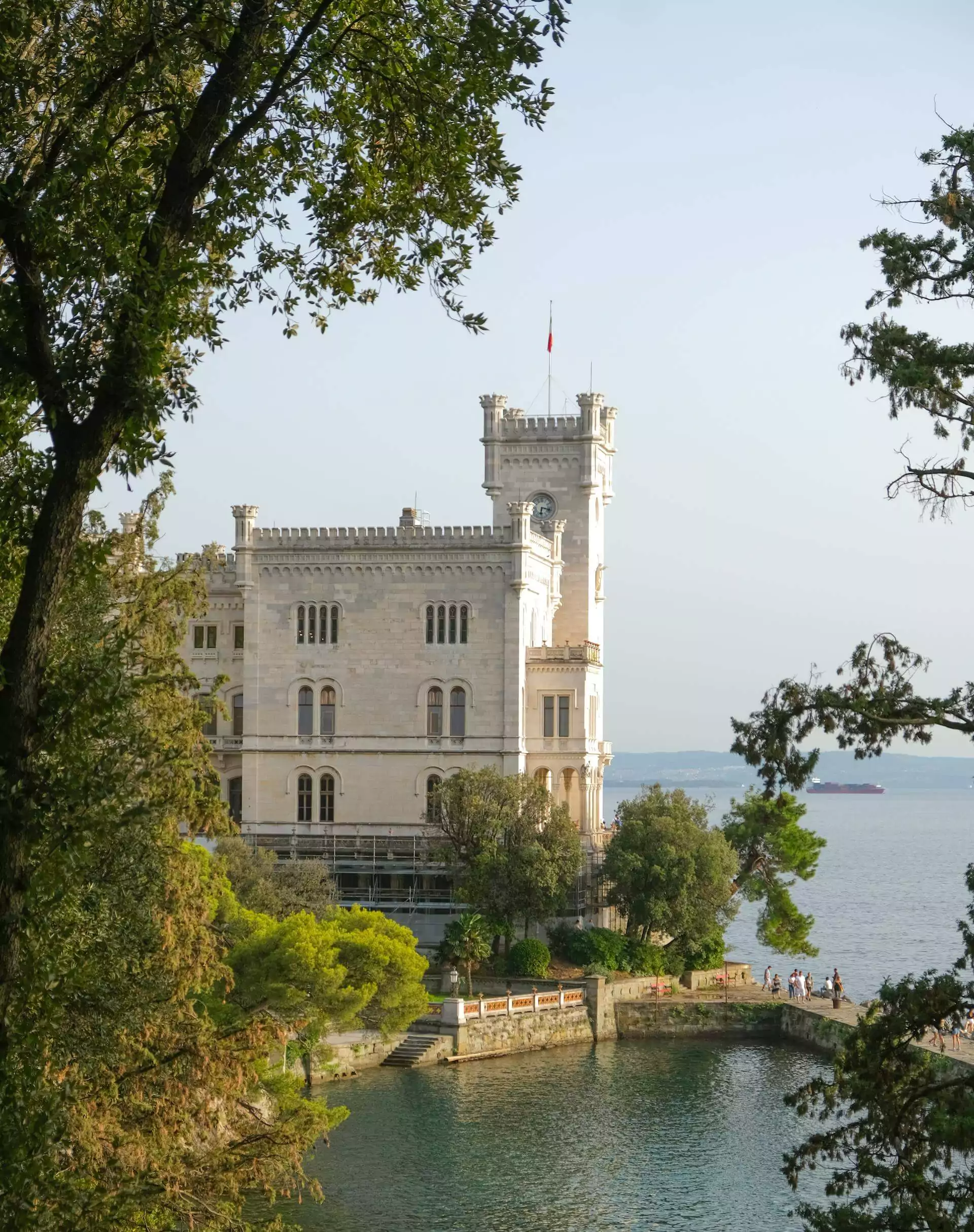
Trieste has been influenced by Italian, Austrian, Hungarian, and Slavic cultures, which is reflected in its architecture, cuisine, and local traditions.
The Piazza Unità d’Italia is one of the largest seafront squares in Europe. Surrounded by elegant palaces, such as the Palazzo del Municipio and Palazzo del Lloyd Triestino, the square opens onto the Adriatic Sea with stunning views.
Trieste has been a haven for many famous writers, including James Joyce, who lived here for over a decade and wrote parts of his seminal work, “Ulysses.”
Trieste’s location near the borders of Slovenia and Croatia makes it an ideal base for exploring Central Europe. The Slovenian city of Ljubljana is just a short drive away, as are the beautiful Slovenian coast and the stunning Lake Bled.
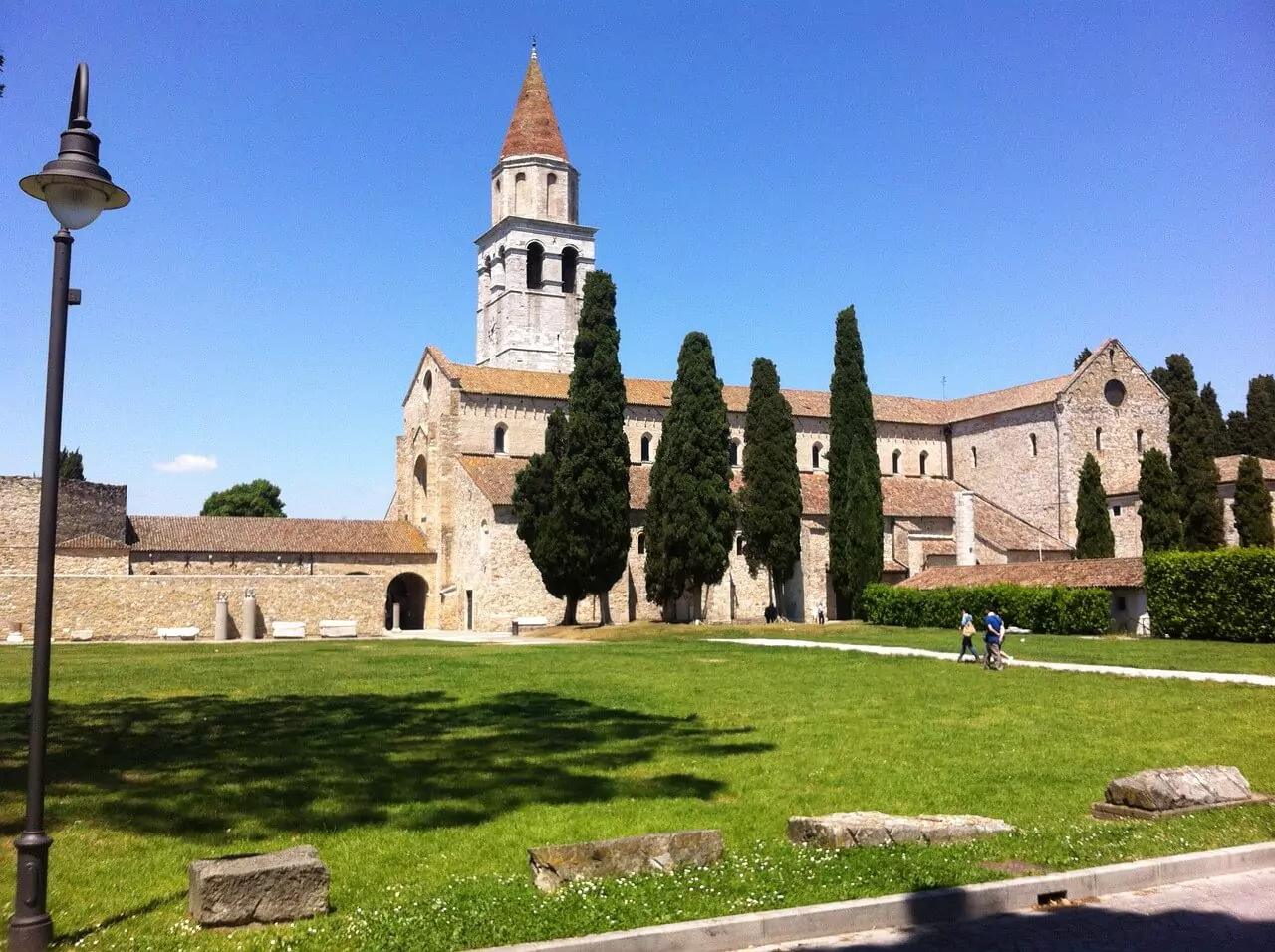
17. Aquileia
Founded in 181 BC, Aquileia, UNESCO World Heritage site, was one of the largest and wealthiest cities of the Roman Empire.
It served as a major military, commercial, and cultural hub, strategically located at the crossroads of trade routes between Italy and the Eastern provinces.
The extensive Roman ruins include the remains of the Roman forum, a basilica, residential areas, and a river port. The remains of the forum include columns, fragments of statues, and the foundations of buildings. The port area still features the remains of docks, warehouses, and trading facilities.
Despite its historical importance and wealth of cultural treasures, Aquileia remains relatively undiscovered by mass tourism. This means that visitors can explore the city’s ancient sites and monuments without the crowds found in more famous Italian destinations.
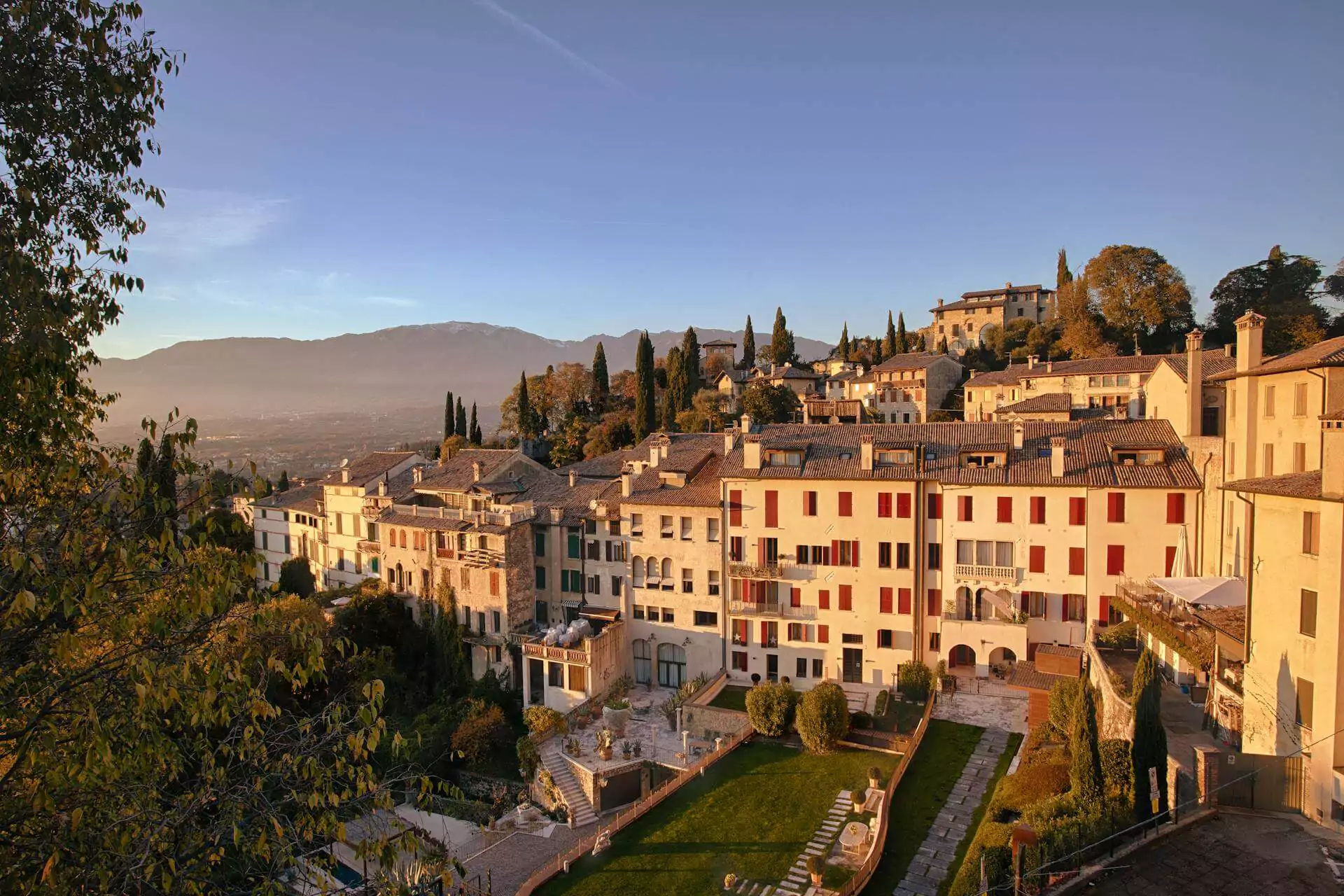
18. Asolo
Asolo’s nickname, “City of a Hundred Horizons,” comes from its panoramic views of the surrounding countryside. Perched on a hilltop, the town offers breathtaking vistas of rolling hills, vineyards, olive groves, and the distant peaks of the Dolomites.
Just a short distance from Asolo is Mount Grappa, a popular destination for hiking, cycling, and nature lovers.
The Rocca, or fortress, is a medieval castle that sits atop the hill overlooking Asolo. Built in the 12th century, the Rocca offers commanding views of the town and the surrounding countryside.
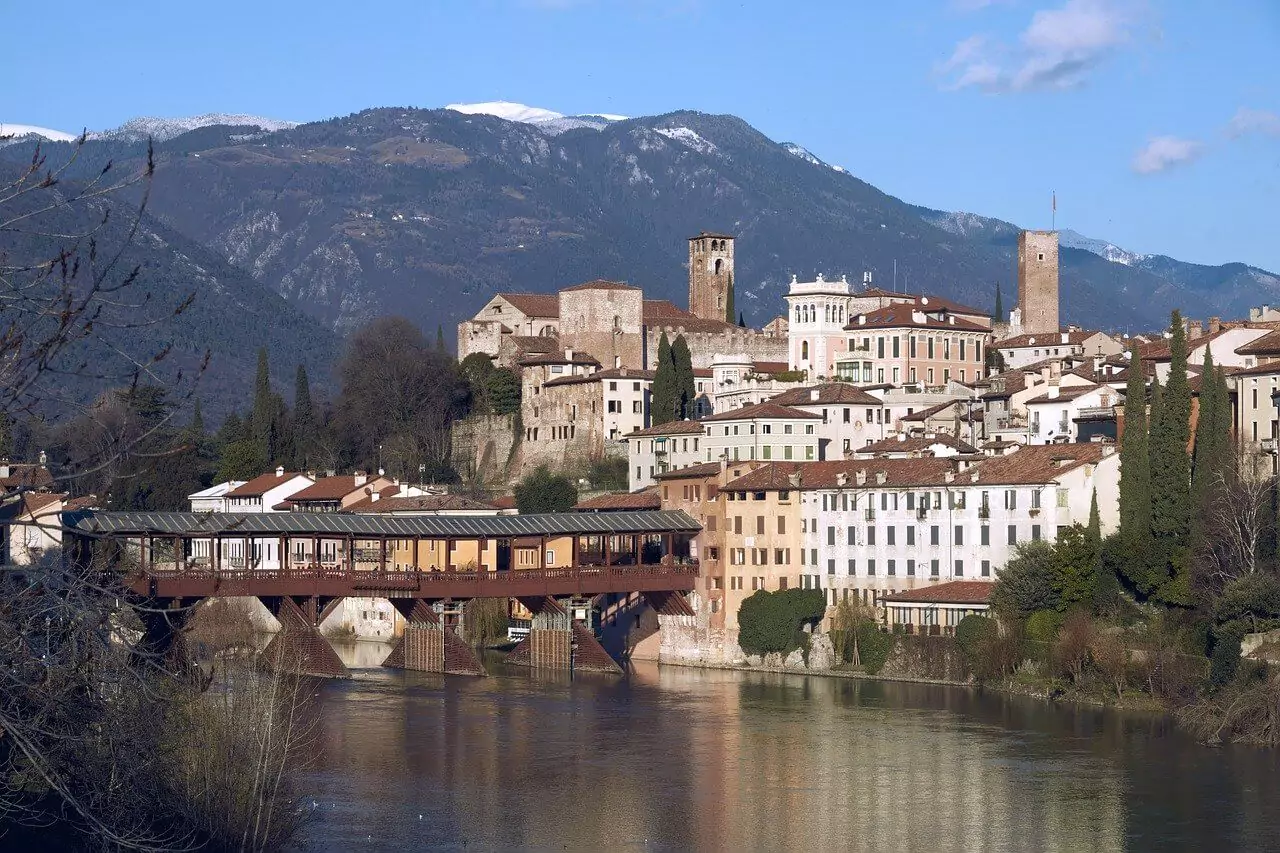
19. Bassano del Grappa
Bassano del Grappa is famously associated with the Italian spirit grappa, a strong alcoholic beverage made from the pomace (the remains of grapes after pressing for wine). The Ponte degli Alpini, also known as the Ponte Vecchio, is Bassano del Grappa’s most famous landmark.
Bassano del Grappa’s historic center is characterized by two beautiful squares, Piazza Libertà and Piazza Garibaldi. Palazzo Sturm is a historic building that houses the Museo della Ceramica and the Museo della Stampa Remondini.
At the summit of Monte Grappa, located nearby, you’ll find the Sacrario del Monte Grappa, a war memorial dedicated to the soldiers who lost their lives during World War I.
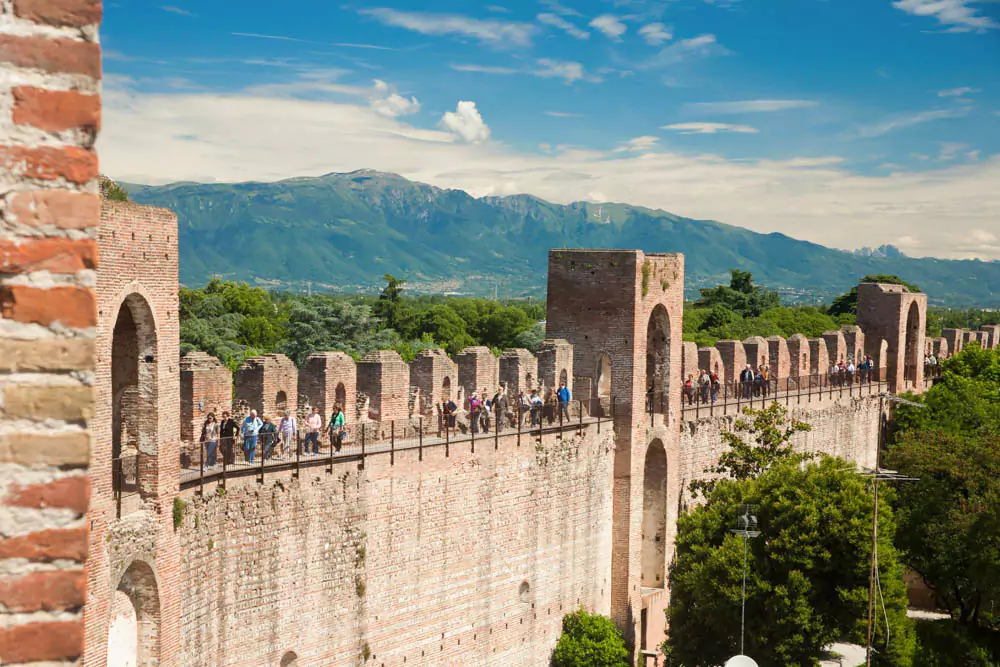
20. Cittadella
Cittadella was originally built as a military outpost by the city of Padua in the early 13th century to protect its territory from rival cities like Vicenza and Treviso.
Cittadella is one of the few towns in Italy where you can walk along the entire length of the medieval walls that encircle the historic center. The walls, built in the early 13th century, are remarkably well-preserved and stretch for nearly 1.5 kilometers (about 1 mile). The elevated walkway, known as the Camminamento di Ronda, offers stunning views of the town, the surrounding countryside, and the distant Alps.
The Torre di Malta is one of the most significant towers in Cittadella and was originally built as a prison. The tower now houses a museum dedicated to the history of the town and its fortifications.
Located in Piazza Pierobon, the Palazzo della Loggia is a beautiful Renaissance building that features elegant arches and a loggia (covered gallery) that faces the square. It now houses the Museo Civico Archeologico, a small museum with exhibits on Cittadella’s history and archaeology.
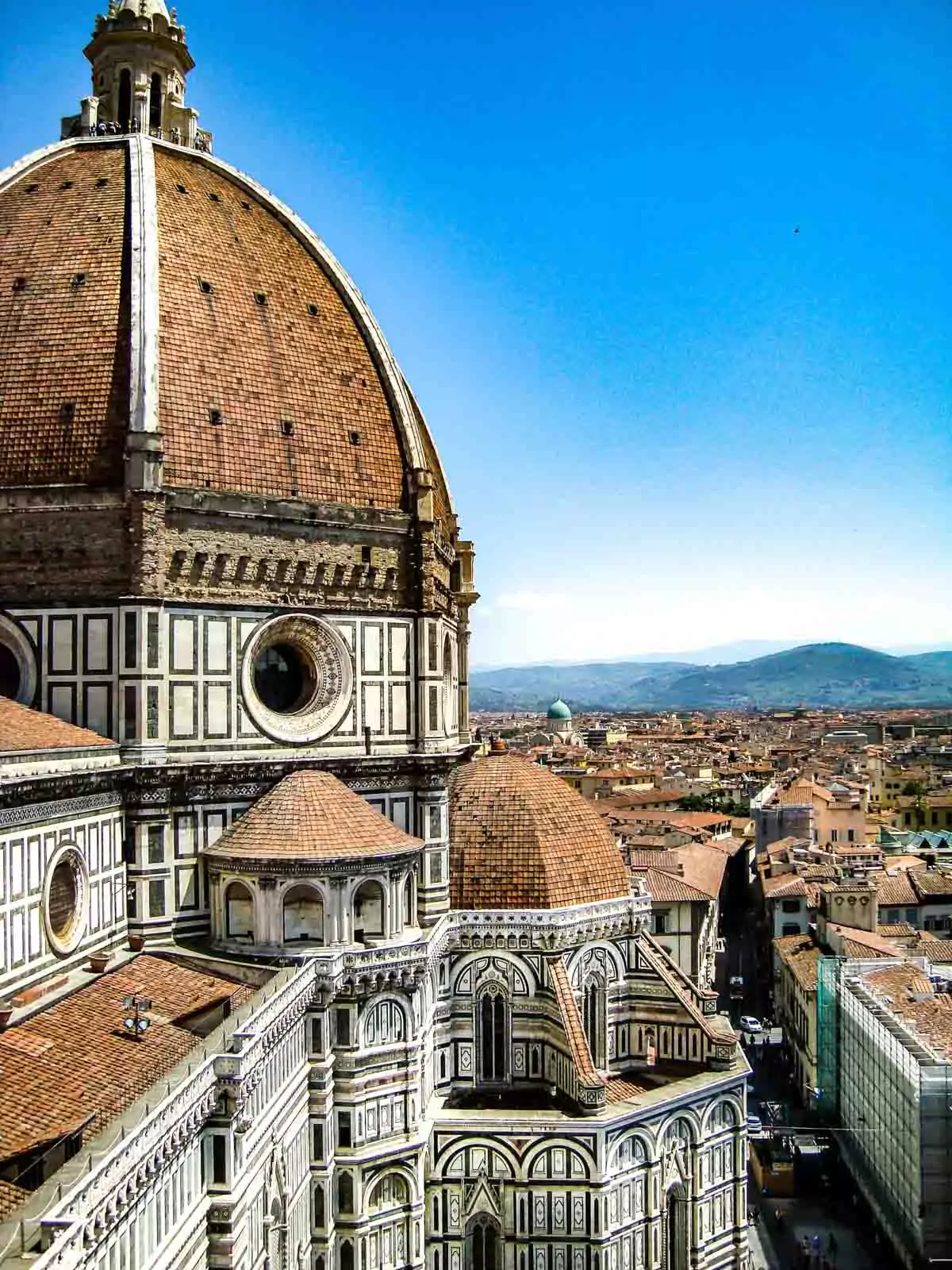
21. Florence
Florence, the capital of Italy’s Tuscany region, is one of the most iconic cities in the world, known as the birthplace of the Renaissance.
Florence’s iconic cathedral, Cathedral of Santa Maria del Fiore, known simply as the Duomo, is a stunning example of Gothic architecture. The cathedral’s most famous feature is its massive dome, designed by Filippo Brunelleschi.
The Uffizi Gallery is one of the most famous art museums in the world, housing an extraordinary collection of Renaissance masterpieces. The museum’s highlights include works by Michelangelo, Leonardo da Vinci, Raphael, Titian, and Caravaggio. Botticelli’s “The Birth of Venus” and “Primavera” are among the most celebrated pieces.
The Galleria dell’Accademia is home to Michelangelo’s David, one of the most famous sculptures in the world.
Piazza della Signoria, a historic square, has been the political heart of Florence since the Middle Ages. The square is dominated by the Palazzo Vecchio, the city’s town hall, and is adorned with numerous statues, including a replica of Michelangelo’s David and Benvenuto Cellini’s Perseus with the Head of Medusa.
The Ponte Vecchio is Florence’s most famous bridge, spanning the Arno River. This medieval bridge is unique for its rows of shops built along its sides, originally home to butchers and now occupied by jewelers and art dealers.
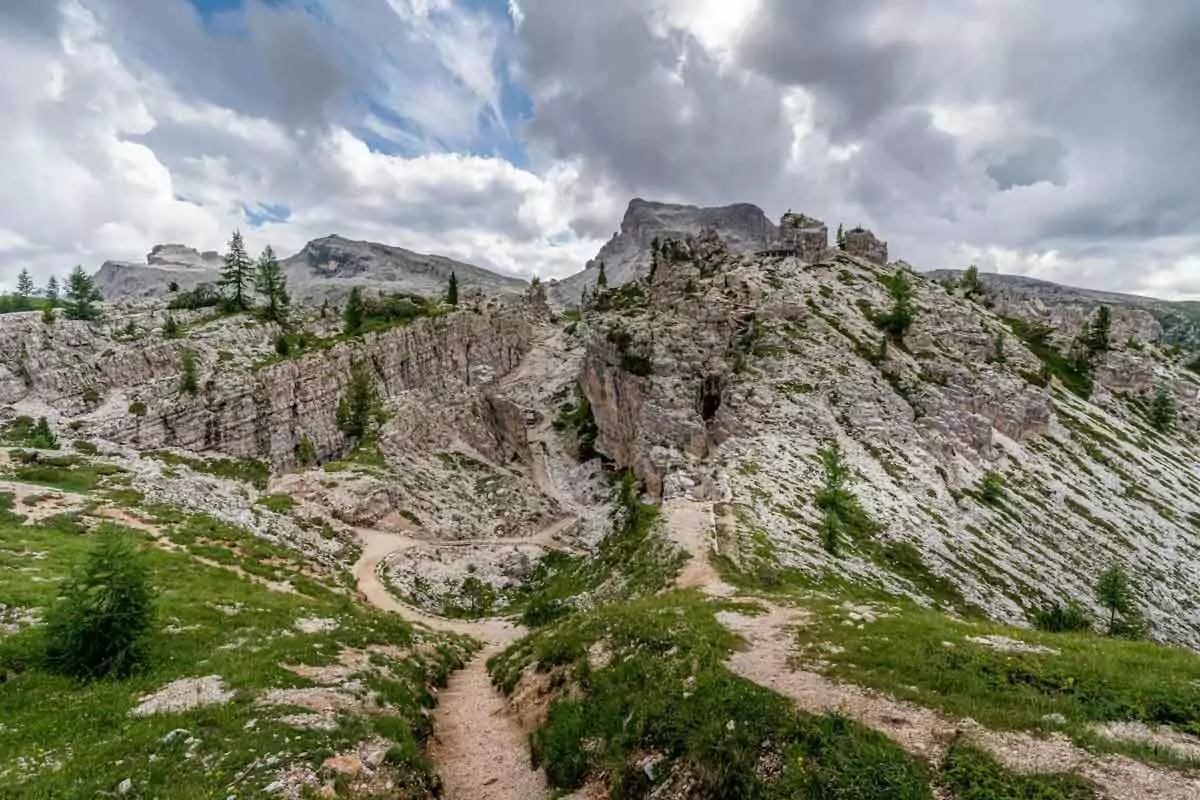
22. Cortina d’Ampezzo
Cortina d’Ampezzo is located in the heart of the Dolomites, a UNESCO World Heritage site. The scenery here is truly spectacular, offering endless opportunities for photography and sightseeing.
Cortina serves as a gateway to the Dolomites, making it an excellent base for exploring this incredible mountain range. Whether you’re planning day hikes, scenic drives, or more extended adventures, Cortina is ideally located.
Cortina is one of Italy’s premier ski resorts, part of the Dolomiti Superski area, which offers access to hundreds of miles of ski slopes. It’s known for its well-groomed pistes, off-piste opportunities, and breathtaking alpine views.
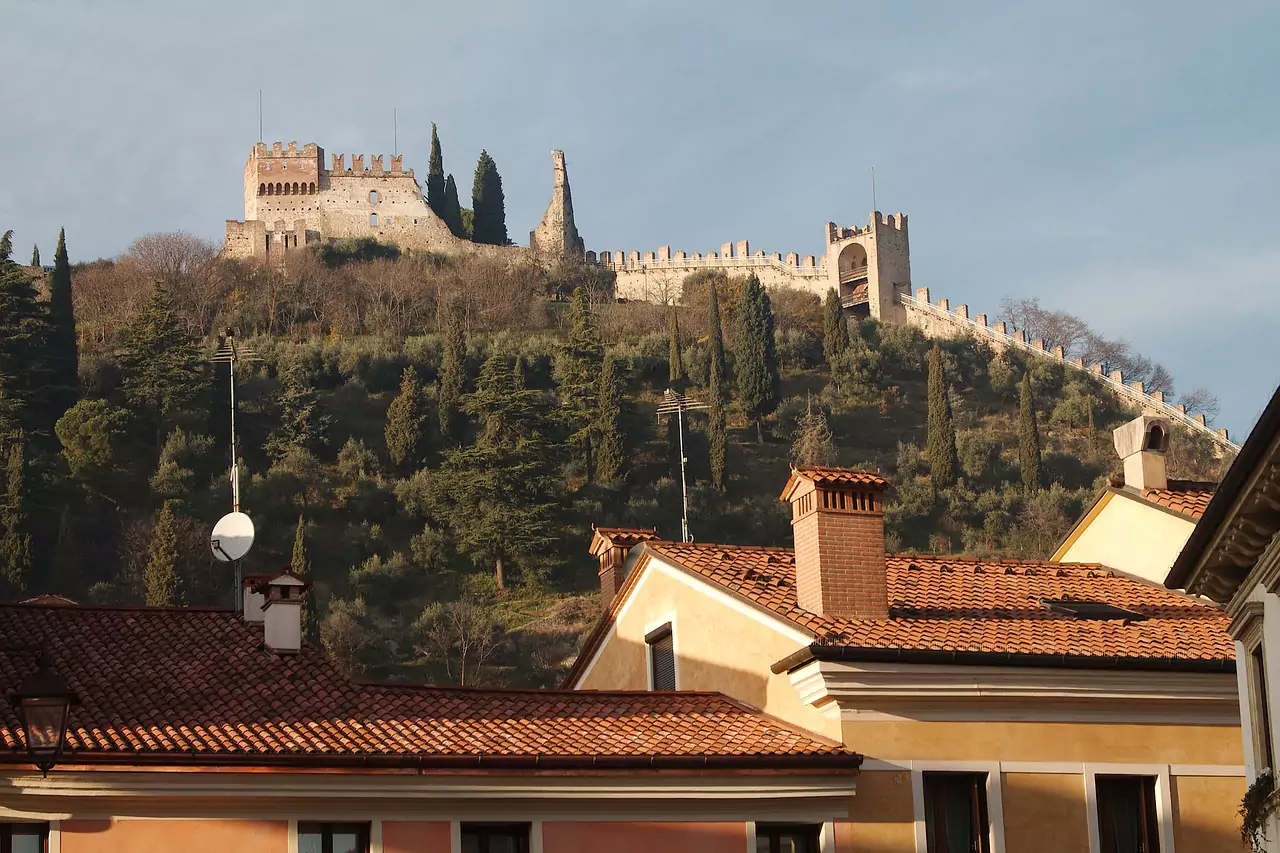
23. Marostica
Marostica is world-renowned for its biennial (every two years) human chess game, which reenacts a 15th-century legend where two noblemen competed for the hand of a lord’s daughter by playing a game of chess using live people as the pieces.
This event, held in September of even-numbered years, transforms the town into a lively celebration of history, attracting visitors from all over the world.
Marostica is a beautifully preserved medieval town, surrounded by imposing walls that connect two castles: Castello Inferiore (Lower Castle) and Castello Superiore (Upper Castle).
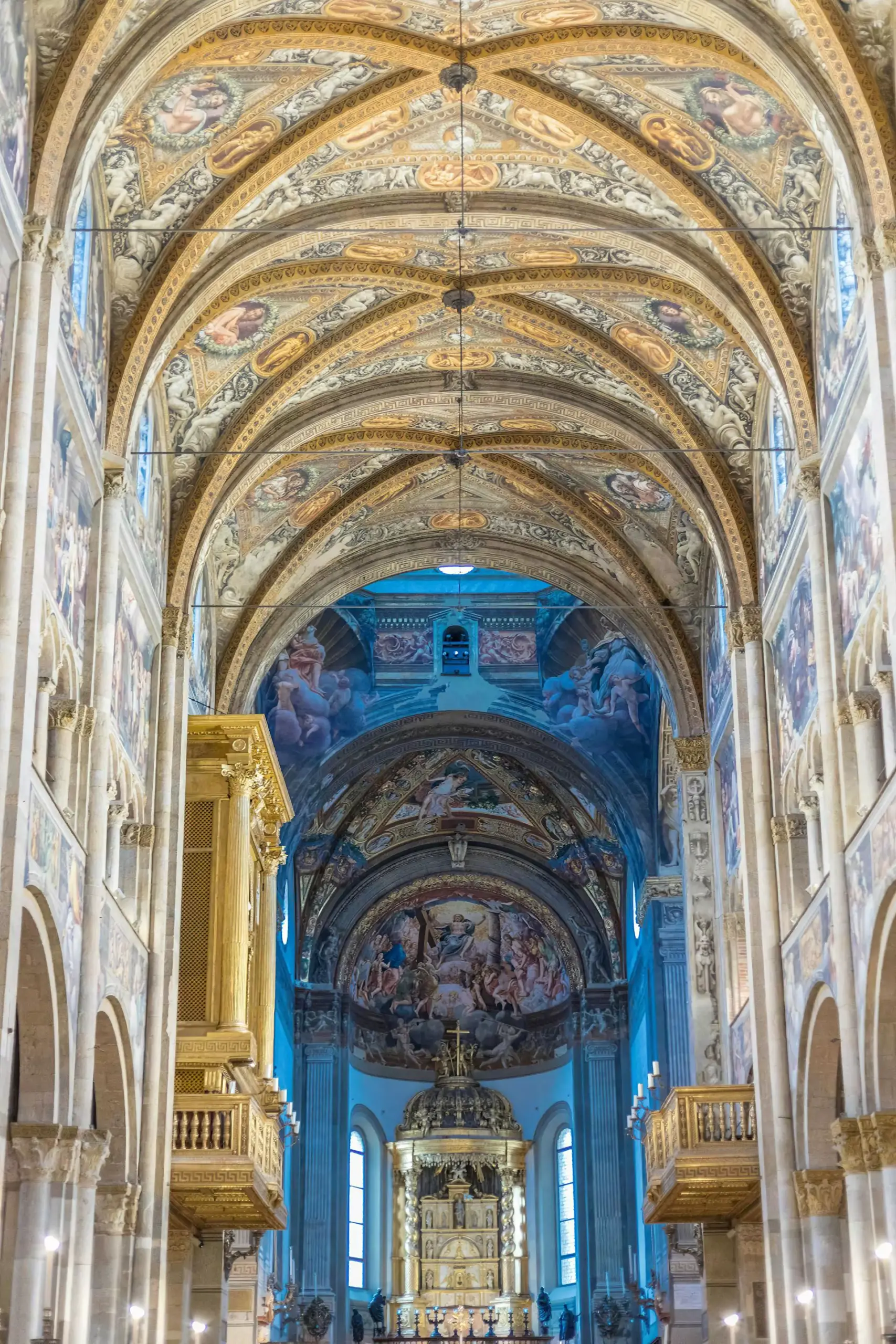
24. Parma
Parma is world-renowned for its contributions to Italian cuisine, particularly Parmigiano-Reggiano cheese and Prosciutto di Parma.
These iconic products are made following traditional methods passed down through generations, and the city is the perfect place to taste and learn about them.
The city is home to stunning art and architecture, much of which was influenced by the powerful Farnese family and the Duchy of Parma.
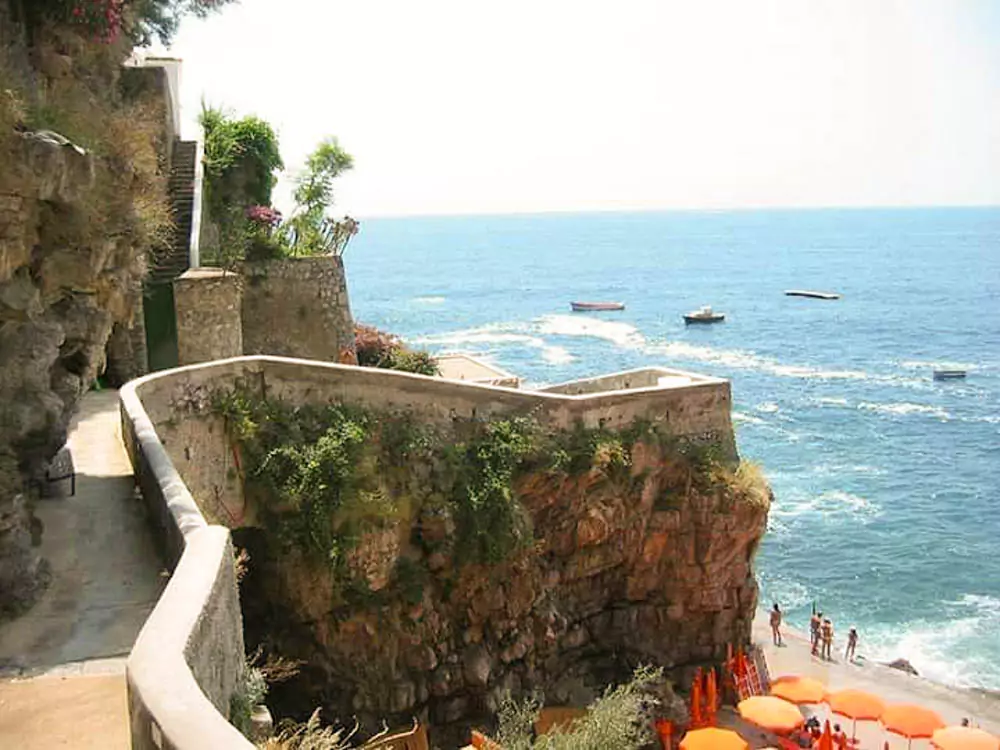
25. Rovigo
Rovigo has a deep historical heritage dating back to Roman times, and it has preserved its medieval and Renaissance character. Explore the Torre Donà, one of the tallest medieval towers in Italy, and the Torre Mozza, another remnant of the town’s ancient fortifications.
Visit the Palazzo Roverella, a stunning Renaissance palace that now houses the Pinacoteca dei Concordi, a notable art gallery. Don’t miss the Cathedral of Rovigo (Duomo di Rovigo), which features beautiful frescoes.
Rovigo is off the beaten tourist path, offering a more authentic and unspoiled experience of Italy. You’ll find fewer crowds here, allowing you to explore the town at your own pace

Venetian Countryside Tours
Dolomites and Lake Braies Tour
The UNESCO-listed Dolomites, located just north of Venice, offer some of the most spellbinding alpine scenery in Italy. With this full-day driving tour, set off from Venice to admire their soaring peaks, crystalline lakes, and postcard-perfect towns – most of which are inaccessible by public transportation.
Enjoy free time in Cortina d’Ampezzo, stroll along the banks of Lake Misurina, and snap photos from the Tre Cime di Lavaredo.
Prices start at From $224.76 per person. Duration: 9–10 hours.
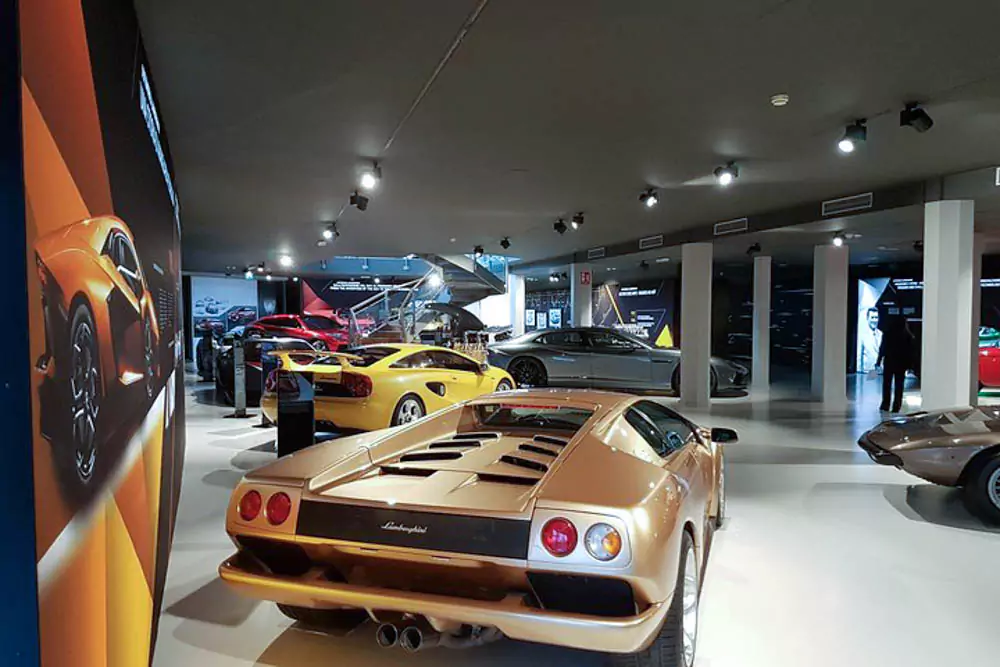
Lamborghini and Ferrari Day Tour
Get an insider’s introduction to two of Italy’s most iconic automobile makers during this two-for-one, private combo tour to the Lamborghini and Ferrari museums.
The Tour include a tasty, all-inclusive lunch, door-to-door private transportation, admission tickets to both sights, and a visit to the Ferrari racetrack and factory for a peek behind the scenes.
Prices start at $235.99 per person. Duration: 7.5 hours.
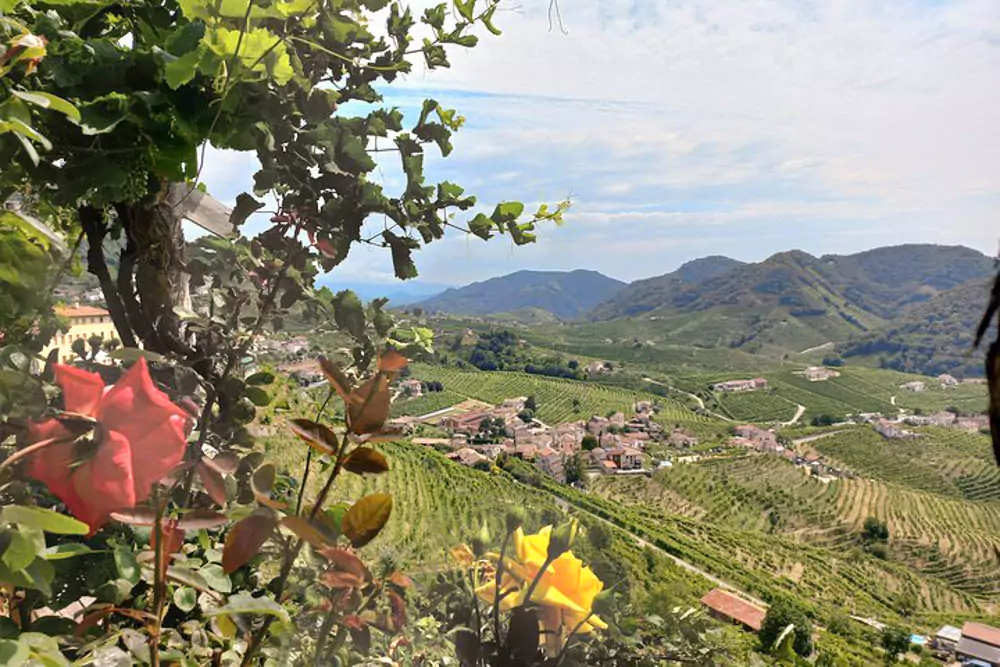
Prosecco Hills Tour with Wine Tasting & Lunch
A tour among the enchanting UNESCO Prosecco hills that will make us discover the flavors, nature and history of this unique land.
From Venice and Treviso, head towards the gentle hills of Valdobbiadene, home of Prosecco, and walk with a nature guide among the meandering vineyards, sipping the ancestor of the famous wine of these lands.
Visit a wine cellar where, with a tasting of the various types of Prosecco and typical products, take a real journey through the local flavors and traditions.
Have lunch in a characteristic restaurant with tasty typical dishes.
Continue on a panoramic tour of the evocative San Boldo Pass, with its “100 days road”, so called for the events related to the Great War.
Always led by your guide, visit Cison di Valmarino, one of the most beautiful villages in Italy.
On Mondays and Tuesdays the visit and tasting will take place in the winery cellar awarded by the Prosecco brotherhood.
Prices starting at $201.16 per person. Duration: 11 hours.
FAQ: Day Trips from Venice, Italy
Can I visit multiple locations in one day?
Yes, many day trips can be combined. For example, you can visit Murano, Burano, and Torcello in a single day. Similarly, Padua and Vicenza or Treviso and the Prosecco Wine Region can be paired together.
Do I need to book tickets in advance for these trips?
It’s advisable to book train tickets, guided tours, and popular attractions in advance, especially during peak tourist seasons. For vaporettos, you can buy tickets on the day of travel.
What should I wear on a day trip from Venice?
Wear comfortable shoes, as most trips involve walking. For visits to churches and religious sites, dress modestly with covered shoulders and knees. Bring layers if visiting mountainous areas like the Dolomites, where the weather can change quickly.
Can I visit the Dolomites in one day?
Yes, a day trip to the Dolomites is possible, especially to towns like Cortina d’Ampezzo. However, to fully enjoy the area’s natural beauty and hiking opportunities, an overnight stay is recommended.
What’s the best time of year to take these day trips from Venice?
Spring (April-June) and early autumn (September-October) are ideal times for day trips, offering pleasant weather and fewer crowds. Summer is also good but can be busy, while winter is perfect for visiting the Dolomites for skiing. Always be sure to check the weather!
Are guided tours available for these day trips?
Yes, many guided tours are available, especially for popular destinations like the Prosecco Wine Region, Verona, and the Dolomites. These tours often include transportation and a knowledgeable guide, making the experience more convenient and informative.
Can I rent a car for day trips from Venice?
Yes, renting a car is a good option for exploring more remote areas like the Prosecco Wine Region or the Dolomites. However, driving in Venice itself is not possible due to its car-free layout, so you’ll need to pick up your rental from the mainland, typically in Mestre.
What should I pack for a day trip?
Pack a small day bag with essentials like water, snacks, a camera, a map, and an umbrella or rain jacket. If visiting rural areas or the Dolomites, bring sunscreen, a hat, and good walking shoes. Learn more tips about what to pack for Italy.
Are there good dining options on these day trips?
Absolutely! Each destination offers unique local cuisine. For example, enjoy fresh seafood in Burano, traditional dishes like risotto in Verona, or Prosecco and local cheeses in the wine region. It’s a great opportunity to try regional specialties.

How many days in Venice is Enough?
For most travelers, spending 2 to 3 days in Venice is ideal to fully experience the city’s main attractions, unique atmosphere, and hidden gems.
Two to three days allows you to see Venice’s main sights without feeling rushed, while also giving you time to wander the city’s maze of narrow streets and canals, which is one of the best ways to experience Venice.
With a little extra time, you can explore lesser-known areas and enjoy a more authentic Venetian experience.
Final Thoughts
These day trips offer a diverse range of experiences, from exploring historic cities and ancient ruins to enjoying the natural beauty of Italy’s landscapes. Whether you’re interested in art, architecture, history, or just a relaxing escape, there’s something for everyone within a short distance of Venice.
Each of these destinations offers something unique, whether it’s historical significance, natural beauty, or cultural richness. They provide a diverse range of experiences that complement your visit to Venice, allowing you to explore the broader Veneto region and beyond.
Day trips from Venice offer a unique opportunity to explore the rich history, culture, and natural beauty that surrounds this iconic city.
Whether you’re wandering through the colorful streets of Burano, marveling at the architectural wonders of Vicenza, or savoring the fine wines of the Prosecco region, each destination provides a distinct and enriching experience.
These trips allow you to step beyond the bustling canals of little Venice and discover the diverse landscapes and hidden gems of the Veneto region and beyond. With many options just a short train ride or boat trip away, these day trips are an ideal way to enhance your Venetian vacation.
If you are only visiting Venice for one day, then I don’t recommend taking a day trip unless you’ve already explored Venice.
XOXO,
Katie
P.S. Don’t forget to follow me on Pinterest and Instagram!
Useful resources for your trip to Venice, Italy
Liked this post? Share it on Pinterest!
 |
 |
- Trains: Check Omio to search schedules and buy tickets
- Flights: Find the cheapest flights on Booking.com
- Airport transfer: Get a quote & book here
- Grand Canal by Gondola
- St Mark’s Basilica, Doge Palace, & Bell Tower Option
- Venetian Masks Workshop
- Street Food Tour with a Local Guide and Tastings
