How to Visit the DMZ from Seoul: Complete Guide

Travel With Kinsley contains affiliate links and is a member of the Amazon Services LLC Associates Program, which means I may receive a cute little commission if you purchase through my links, at no extra cost to you. Please read full disclosure for more information.
Visiting the Demilitarized Zone (DMZ) between North and South Korea is one of the most fascinating—and surreal—day trips you can take from Seoul. The DMZ isn’t just a boundary line; it’s a living piece of history that still shapes the relationship between the two Koreas today.
If you’ve ever wondered what it feels like to stand just a few feet from one of the most heavily guarded borders in the world, a DMZ tour gives you the chance to do just that—safely and with expert guides leading the way. From Imjingak Park to the Third Infiltration Tunnel and the Dora Observatory, every stop tells part of Korea’s story of division, hope, and resilience.
In this guide, I’ll break down exactly how to visit the DMZ from Seoul—including the best tours, what to expect, what to bring, and insider tips to help you make the most of this unforgettable experience.
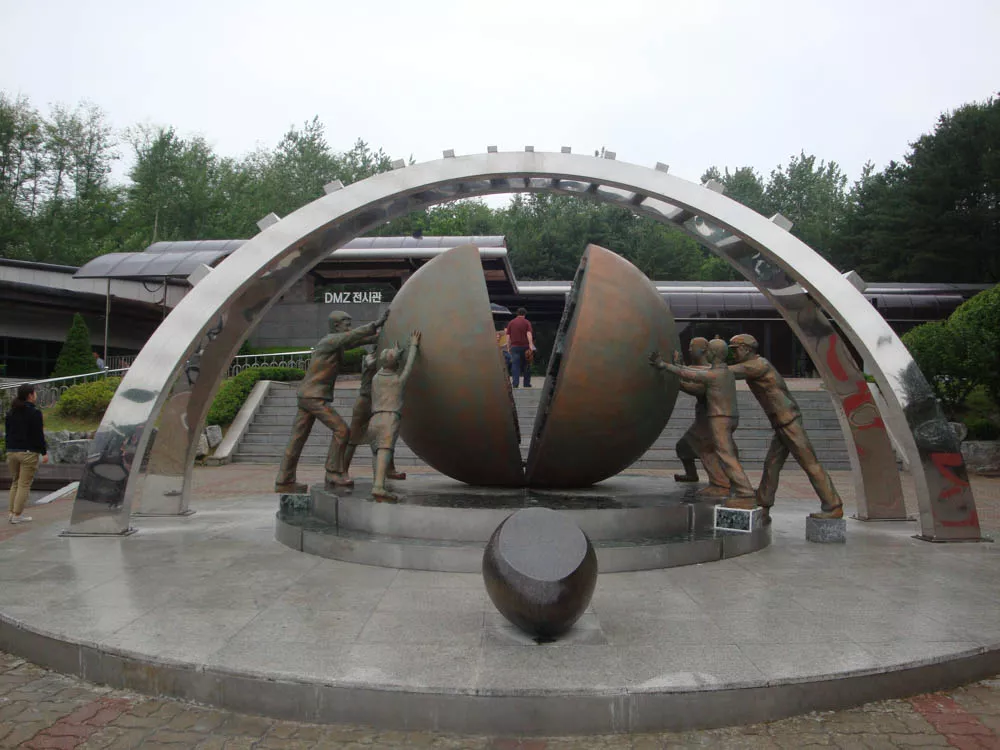
How to Get to the DMZ from Seoul
Most travelers visit the DMZ as a guided day trip from Seoul. Since the area is controlled by the military and certain zones are only accessible through authorized operators, joining a tour is the easiest (and safest) way to explore.
- Distance: About 50 km (31 miles) north of Seoul
- Travel Time: Around 1.5 hours each way
- Tour Length: 6–8 hours round trip
Do a Tour to the DMZ from Seoul
Most tours depart early in the morning—usually between 7:00 a.m. and 8:00 a.m.—from central pickup points like Myeongdong or City Hall. Options include half-day DMZ tours or full-day excursions that include the Joint Security Area (JSA), depending on availability.
Popular tour providers include Klook, Viator, and GetYourGuide, which all offer English-speaking guides and hotel pickup options. Expect to pay between ₩60,000–₩120,000 (roughly $45–$90 USD) depending on what’s included.
Can You Visit Without a Tour?
Technically, you can visit Imjingak Park on your own by taking the Korail train to Munsan Station and then a local bus or taxi to the park. However, areas beyond that—including the Third Tunnel and Dora Observatory—require an authorized tour. For most visitors, joining a tour is well worth it for access, comfort, and insight.
How Far Is the DMZ from Seoul?
The DMZ is located roughly one hour north of Seoul by car. However, with security checkpoints and tour stops, expect the total travel time to be closer to 90 minutes each way. Most tours finish by mid-afternoon, leaving plenty of time to return to Seoul for dinner.
English Guides in Korea
Nearly all major DMZ tours include English-speaking guides who provide historical context and answer questions throughout the day. If you’re interested in photography, ask your guide about the areas where taking pictures is restricted—especially around the Joint Security Area and certain checkpoints.
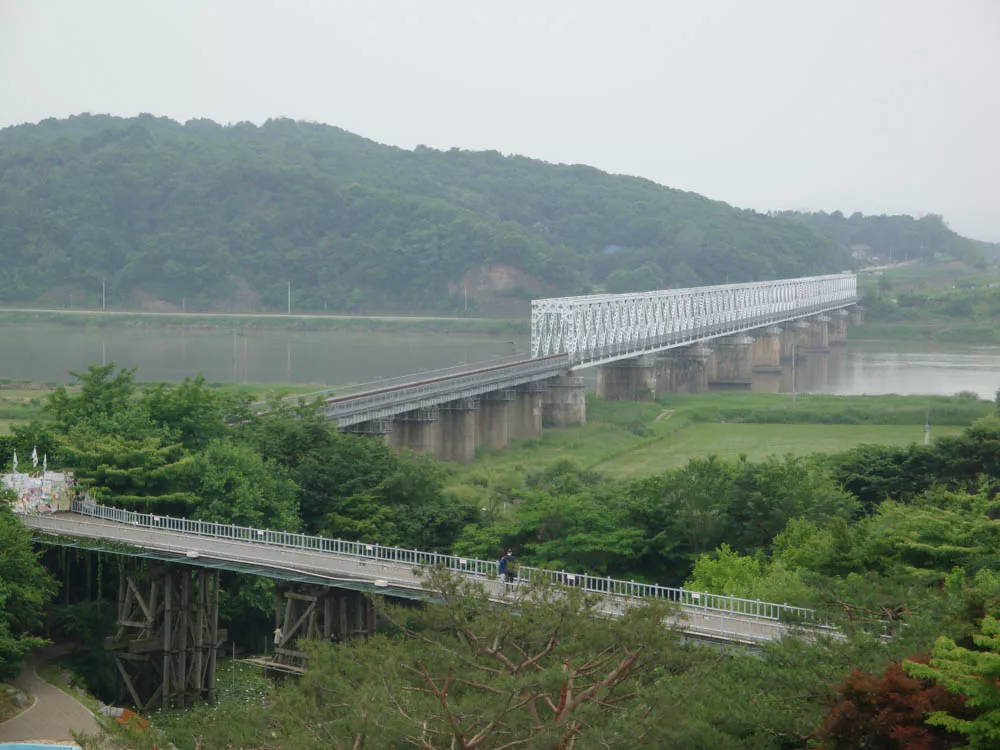
Top DMZ Attractions
Imjingak Park and Freedom Bridge
The first stop on most tours, Imjingak Park is a memorial complex honoring the Korean War and the millions of families separated by the border. Don’t miss the Freedom Bridge, once used by prisoners of war returning to the South. You’ll also find monuments, the Peace Bell, and ribbons tied to barbed wire fences symbolizing hope for reunification.

Dorasan Station
Located just 700 meters from the Military Demarcation Line, Dorasan Station is the last railway station in South Korea before the border. It was built as a hopeful symbol of future reunification and potential rail travel between Seoul and Pyongyang. Visitors can buy a souvenir ticket or stamp their passports for fun.

Dora Observatory
Perched on Mount Dora, the Dora Observatory offers sweeping views into North Korea. On clear days, you can spot North Korean villages, propaganda signs, and even farmers working in the fields. A row of telescopes lets visitors observe life on the other side of the border—an experience that’s both eerie and fascinating.

Third Tunnel of Aggression
Discovered in 1978, the Third Tunnel is one of several infiltration tunnels dug by North Korea beneath the DMZ. Stretching over 1.6 kilometers long and reaching just 44 kilometers from Seoul, it was intended for a surprise invasion. Visitors can walk partway through the tunnel with helmets provided, offering a chilling glimpse of the tensions that once defined this region.
DMZ Pavilion & Museum
The DMZ Museum near the Third Tunnel provides context for the region’s history, with exhibits on the Korean War, the armistice, and the political climate that led to the DMZ’s creation. The displays also highlight the wildlife that now thrives in this untouched ecological buffer zone.
Joint Security Area (JSA) at Panmunjom
For a truly unforgettable experience, join a tour that includes access to the JSA—the only area where North and South Korean forces stand face-to-face. You’ll step inside one of the blue conference buildings straddling the border and stand in both Koreas at once. Because of security regulations, access to the JSA requires advance passport submission and may be canceled at short notice.

What to Bring to the DMZ
- Passport: Required for all tours (mandatory ID check at the military checkpoint).
- Comfortable walking shoes: You’ll cover uneven terrain and tunnel pathways.
- Light jacket: It can get windy, especially near observation points.
- Camera: Photos are allowed in designated areas only.
- Cash: Some areas may not accept cards for souvenirs or snacks.

What to Wear When Visiting the DMZ
Since this is an active military area, dress modestly and respectfully. Avoid ripped jeans, sleeveless tops, miniskirts, or clothing with political messages. Choose neutral colors, comfortable shoes, and bring layers depending on the season. Shorts and sandals are not recommended for the tunnels.
How to Choose the Right DMZ Tour
- Half-Day Tours: Ideal for travelers short on time. Covers Imjingak Park, the Third Tunnel, and Dora Observatory.
- Full-Day Tours: Includes additional sites such as the JSA or the War Memorial of Korea in Seoul.
- Private Tours: Offers flexibility in timing and stops, perfect for photographers or small groups.

Safety and Etiquette Tips
- Follow all instructions from your guide—military personnel are strict about security protocols.
- Photography is restricted in certain areas; ask before taking pictures.
- Keep your voice down during briefings and near observation points.
- Be prepared for last-minute schedule changes or cancellations due to political developments.

How Long Do You Need at the DMZ?
A half-day tour typically lasts about 6 hours, while a full-day tour can stretch to 9–10 hours if you include the JSA. Plan for at least one full day if you want a deeper understanding of the sites and enough time for photos and exhibits.

Is It Safe to Visit the DMZ?
Yes, visiting the DMZ is considered safe when done through an official, government-approved tour. Although the area remains militarized, the tours are tightly controlled and guided by professionals with years of experience managing visitor safety.
