How to Avoid Getting Sick in Mexico: Essential Tips

Travel With Kinsley contains affiliate links and is a member of the Amazon Services LLC Associates Program, which means I may receive a cute little commission if you purchase through my links, at no extra cost to you. Please read full disclosure for more information.
Here’s a comprehensive guide on how to avoid getting sick in Mexico, so you can focus on enjoying your trip.
Staying healthy while traveling in Mexico is all about a mix of smart choices and a bit of preparation. And it was one of the best things to do in Tulum for myself.
While the country offers vibrant cities, beautiful beaches, and delicious food, it’s important to be mindful of certain factors that might lead to an upset stomach or worse.

How to Avoid Getting Sick in Mexico: 10 TIPS
1. Be Smart About Drinking Water
The tap water in Mexico can contain bacteria and parasites that your body isn’t used to, even if locals can drink it without issues. Stick to bottled water for drinking, brushing your teeth, and even rinsing your mouth.
Ice is often made from tap water, so unless you’re sure it’s made from purified water, it’s best to avoid it. Most reputable restaurants and hotels use purified ice, but you can always ask to be sure.
While you’re avoiding tap water, don’t forget to drink plenty of purified water to stay hydrated, especially in the hot Mexican sun.
La Valise refilled our water in our hotel room every time we left the room. They were very attentive.

2. Choose Safe Food Options
Hot and Fresh Foods Are Your Friends: Opt for food that is freshly cooked and served hot. Heat kills off most bacteria, so the hotter the food, the safer it generally is. Street food is okay, but pick stalls that are busy and where you can see the food being prepared right in front of you.
Salads, raw vegetables, and fruits that have been washed with tap water can be risky. If you want to eat fruits, pick ones that have thick peels (like bananas or oranges) that you can peel yourself.
Buffets can be hit-or-miss because food often sits out for long periods. If you’re at a buffet, go for dishes that are steaming hot, and avoid anything that looks like it’s been out for a while.
3. Stick to Bottled or Purified Drinks
Whether it’s water, soda, or beer, make sure it’s sealed and opened in front of you. If you’re drinking from a bottle, wipe the rim before taking a sip.
Many hotels and restaurants use filtered water, which is generally safe to drink. If you’re unsure, ask, or just stick to bottled water.
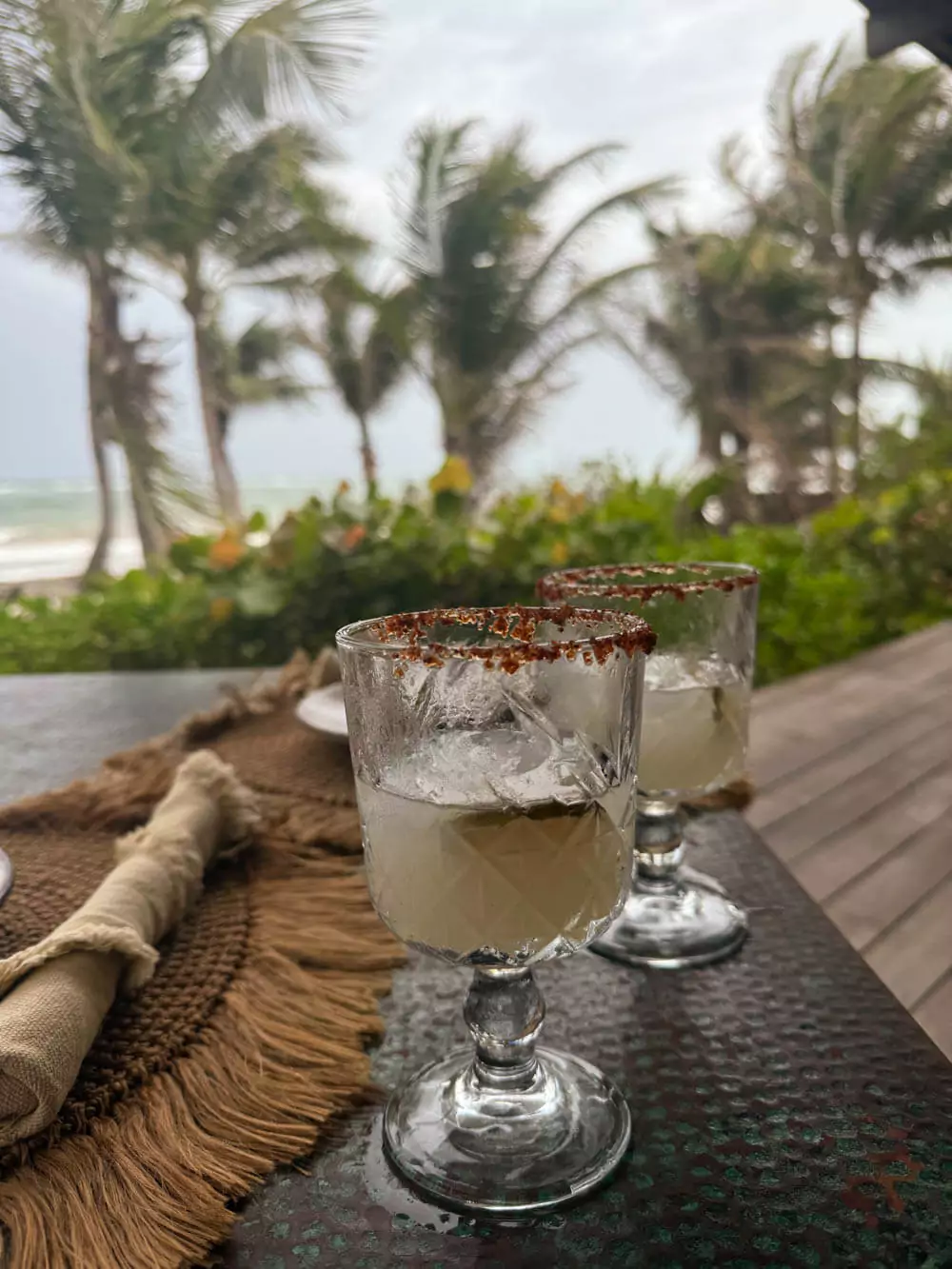
Even in cocktails, ice can be a source of contamination if it’s not made from purified water. When in doubt, skip the ice. Be sure to check out what USA Today recommends.
4. Bring the Right Travel Medications
Bring along medications like Imodium or Pepto-Bismol just in case. You can also take Pepto-Bismol as a preventive measure, taking one or two chewable tablets before meals to help reduce your chances of stomach troubles.
In case of dehydration due to stomach issues or just from the heat, pack oral rehydration salts. These can help restore electrolytes and keep you feeling good.
Consider taking probiotics a few weeks before your trip to boost your gut health. They can help build up the good bacteria in your stomach and make it easier to handle new foods.
5. Be Selective with Street Food
Street food can be one of the best parts of visiting Mexico, but you’ll want to be smart about where you eat. Pick stands with a lot of locals (a good sign of quality) and where the food is cooked fresh in front of you.
Be cautious with toppings like lettuce, onions, or salsas that are sitting out. These might have been washed in tap water or left at room temperature for too long. Ask for freshly prepared versions if possible.
Tacos, quesadillas, and other items that are grilled or fried on the spot are safer because the heat kills bacteria. Avoid pre-made or reheated food items.

6. Practice Good Hygiene
Hand hygiene is essential, especially before eating. Wash your hands with soap and water, or use hand sanitizer if you’re on the go. Make this a habit, especially after handling money or using public transport.
Keep a small bottle of hand sanitizer with you at all times. Use it before meals, after using the restroom, or whenever you’ve touched surfaces in crowded areas.
7. Sun Protection and Hydration
Mexico’s sun can be intense, and a bad sunburn can quickly ruin your trip. Apply sunscreen regularly, especially if you’re at the beach or exploring outdoors.
In the warm climate, it’s easy to get dehydrated without realizing it. Drink more water than you think you need, especially if you’re walking a lot or spending time outside. Dehydration can lead to headaches, dizziness, and more, so it’s best to prevent it before it becomes a problem.
8. Be Cautious with Dairy Products
In Mexico, some cheeses like queso fresco may be made from unpasteurized milk, which can carry harmful bacteria. Stick to pasteurized products, especially if you have a sensitive stomach.
When in doubt, go for packaged dairy items that are labeled as pasteurized, or order items from reputable restaurants that cater to tourists.
9. Mind Your Alcohol Intake
Be cautious with mixed drinks, especially in areas that aren’t highly touristy. Stick to bottled beer, canned drinks, or wine if you’re unsure about the quality of the alcohol or the water used in cocktails.
Say No to Overly Cheap Shots: Unfortunately, some bars may serve low-quality or counterfeit alcohol, which can be dangerous. It’s best to avoid drinks that seem suspiciously cheap and stick to more reputable establishments.
10. Consider Travel Insurance
If you’re worried about getting sick while abroad, consider investing in travel insurance that covers medical emergencies. That way, if you do end up needing a doctor, you won’t have to worry about the costs.
Some travel insurance policies can also cover cancellations if you get sick before your trip, ensuring you’re covered in multiple ways.

Foods to Avoid in Mexico
When traveling to Mexico, enjoying the local cuisine is one of the highlights. However, there are a few food safety considerations to keep in mind to ensure you have a pleasant experience. Here’s a guide on what foods to avoid, along with some general tips to stay safe.
Tap Water and Ice
Avoid: Drinking tap water is generally not recommended in Mexico, as it may contain bacteria and parasites that can cause stomach issues for visitors who aren’t accustomed to it. This also applies to ice made from tap water.
Stick to: Bottled water (ensure the seal is intact) or purified water. Many hotels and restaurants offer filtered water that is safe to drink. When ordering drinks, ask if the ice is made from purified water or skip it altogether.
Raw Fruits and Vegetables
Avoid: Raw fruits and vegetables that may have been washed in tap water, especially if they have skins you won’t peel. Salads, sliced fruits, and garnishes can sometimes carry bacteria.
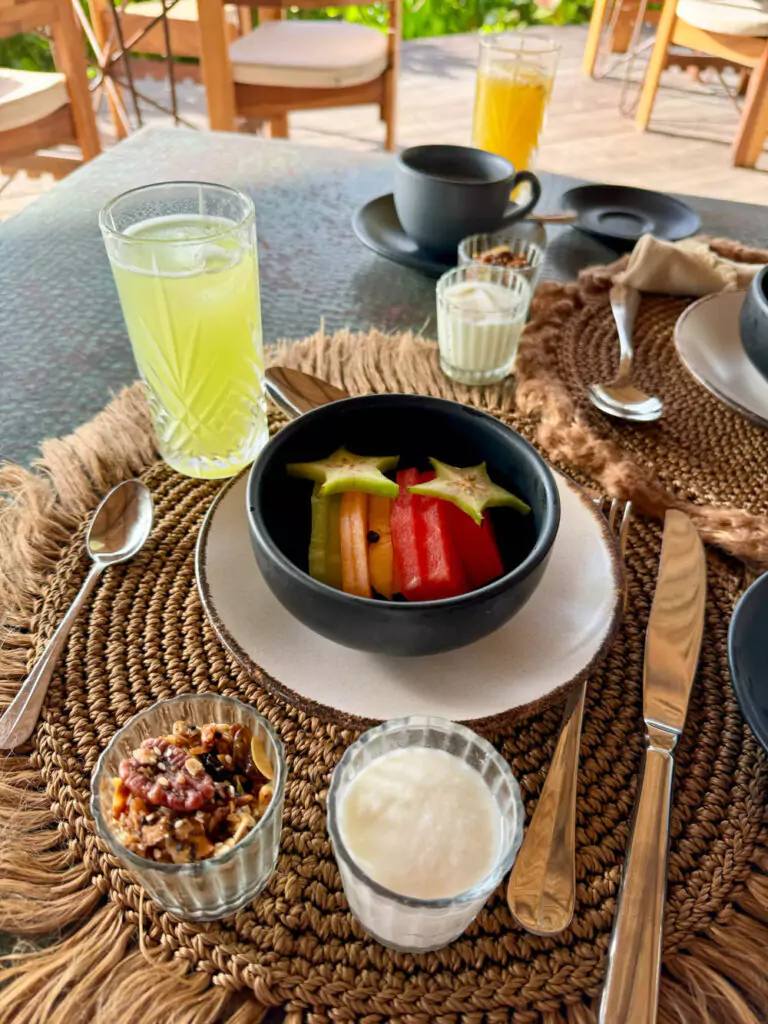
Stick to: Fruits that you can peel yourself, such as bananas, mangoes, and oranges. If you want to enjoy salads or vegetables, opt for places that are known for good hygiene standards and that cater to tourists.
Street Food (Use Caution)
Avoid: While street food is delicious, it can sometimes pose a risk if not handled or prepared properly. Be cautious with street vendors that have minimal traffic or questionable hygiene practices. Foods that have been sitting out for a long time or not thoroughly cooked are best avoided.
Stick to: Popular street food stands that have a high turnover of customers, as this usually indicates fresh food and a good reputation. Opt for hot, freshly cooked items like tacos, elotes (corn on the cob), and quesadillas.
Seafood (in Certain Conditions)
Avoid: Raw or undercooked seafood, especially if you’re far from the coast or in places where the seafood doesn’t seem fresh. Shellfish like oysters and clams can pose a higher risk of foodborne illnesses.
Stick to: Seafood dishes at reputable restaurants, particularly in coastal areas where freshness is more assured. Choose cooked seafood options over raw preparations like ceviche if you’re unsure about the quality.
Dairy Products
Avoid: Unpasteurized dairy products, such as certain cheeses (e.g., queso fresco) that might be made from raw milk, can carry bacteria that cause illnesses like listeria.
Stick to: Packaged, pasteurized products. When in doubt, ask if the cheese is pasteurized or opt for hard cheeses that are less likely to cause issues.
Foods from Buffets
Avoid: Buffet-style dining can be a breeding ground for bacteria if food is not kept at the right temperature or has been sitting out for too long. This applies to both hot and cold foods.
Stick to: Made-to-order dishes or à la carte meals at reputable restaurants. If you choose to eat at a buffet, aim to dine right when it opens so the food is freshly prepared.
Unreliable Meat Sources
Avoid: Street food stalls or markets where the meat appears undercooked, is left unrefrigerated, or has questionable handling practices. Pork, chicken, and other meats should be cooked thoroughly to avoid foodborne illnesses.
Stick to: Restaurants and vendors with a steady flow of customers, as they are more likely to be serving fresher, well-cooked meat. Look for places where you can see the food being cooked to order.
Fresh Salsas and Condiments Sitting Out
Avoid: Salsas, guacamole, or other condiments that have been left sitting out at room temperature. These can quickly grow bacteria, especially in warm weather.
Stick to: Freshly made salsas and condiments prepared on the spot. If you’re unsure, ask for bottled or sealed options instead.
Raw or Undercooked Eggs
Avoid: Dishes made with raw or undercooked eggs, such as some traditional desserts, homemade mayonnaise, or egg-based drinks like eggnog (rompope) that aren’t pasteurized.
Stick to: Cooked eggs in dishes like scrambled eggs, omelets, or huevos rancheros, and make sure desserts are from reputable bakeries or restaurants.
General Tips for Eating Safely in Mexico
Wash Your Hands: Always wash your hands before eating or use hand sanitizer when soap and water aren’t available.
Observe Cleanliness: Pay attention to the cleanliness of the establishment and the vendor’s hygiene practices. If a place looks unsanitary, it’s best to avoid it.
Eat Where the Locals Eat: Locals know the best spots. If you see a lot of locals dining at a particular street vendor or restaurant, it’s often a sign that the food is good and safe to eat.
Check Reviews: In tourist areas, check online reviews for recommendations on safe, tasty food options.
By following these guidelines, you can enjoy the rich and diverse flavors of Mexican cuisine without worry. Just remember to stay cautious, especially when it comes to water, raw foods, and establishments with questionable hygiene practices.
Final Thoughts
Traveling to Mexico can be a fantastic experience, filled with beautiful sights, friendly people, and incredible food. But it’s important to be cautious so you don’t end up spending part of your vacation feeling unwell.
By following these tips—being careful with water, choosing food wisely, maintaining good hygiene, and staying hydrated—you can significantly reduce your chances of getting sick. That way, you can focus on enjoying everything Mexico has to offer without any unpleasant surprises.
Happy travels!
More Mexico Resources
- Tulum To Do: Day Trip to Xel-Ha
- See Tulum in Three Days – Travel Itinerary
- My Ultimate Tulum Packing List
- Our Tulum Hotel Review
- Here’s Where You Should Stay in Tulum
- See the Cenotes in Tulum on This Private Tour
- Traveling to Tulum? Here’s What to Expect
Liked this post? Share it on Pinterest!
 |
 |
